Kirjailija
Donald Keene
Kirjat ja teokset yhdessä paikassa: 33 kirjaa, julkaisuja vuosilta 1969–2024, suosituimpiin kuuluu The First Modern Japanese. Vertaile teosten hintoja ja tarkista saatavuus suomalaisista kirjakaupoista.
33 kirjaa
Kirjojen julkaisuvuodet: 1969–2024.
For more than thirty years, the acclaimed novelist Shirley Hazzard and the renowned scholar of Japanese literature Donald Keene maintained a remarkable epistolary friendship. Brought together by the death of a mutual friend in the late 1970s, they discovered a profound connection built on mutual affinities for literature and culture and common values of humanism and cosmopolitanism. Expatriates of No Country presents Hazzard and Keene’s correspondence, offering readers a new and intimate perspective on the work and achievements of these towering figures. Both left behind their countries of birth, and they shared experiences of displacement, estrangement, and fashioning new lives and selves in adopted homelands. Hazzard, who departed from Australia as a teenager without completing her formal education, led an expatriate life in New York and Italy as she attained literary fame. Keene, a pacifist who served as an intelligence officer in the U. S. Navy during World War II, devoted himself to the literature and culture of Japan, where he became revered. Their erudite and elegantly written letters trace the larger story of their friendship, finding striking overlaps between their distinctive worlds. Recording a vanished way of literary and intellectual life, Expatriates of No Country casts a new light on two extraordinary people through their unlikely connection.

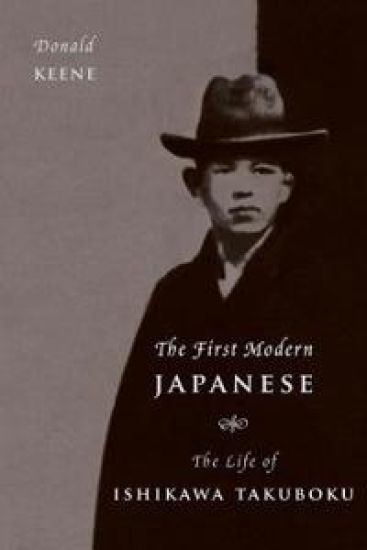
Many books in Japanese have been devoted to the poet and critic Ishikawa Takuboku (1886-1912). Although he died at the age of twenty-six and wrote many of his best-known poems in the space of a few years, his name is familiar to every literate Japanese. Takuboku's early death added to the sad romance of the unhappy poet, but there has been no satisfactory biography of his life or career, even in Japanese, and only a small part of his writings have been translated. His mature poetry was based on the work of no predecessor, and he left no disciples. Takuboku stands unique. Takuboku's most popular poems, especially those with a humorous overlay, are often read and memorized, but his diaries and letters, though less familiar, contain rich and vivid glimpses of the poet's thoughts and experiences. They reflect the outlook of an unconstrained man who at times behaved in a startling or even shocking manner. Despite his misdemeanors, Takuboku is regarded as a national poet, all but a saint to his admirers, especially in the regions of Japan where he lived. His refusal to conform to the Japan of the time drove him in striking directions and ranked him as the first poet of the new Japan.
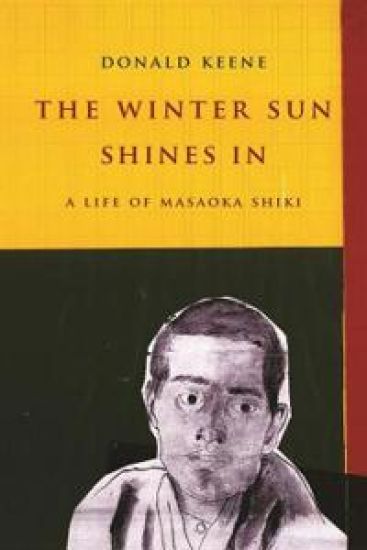
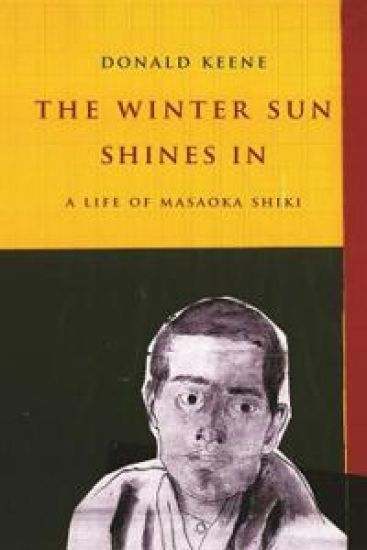
Rather than resist the vast social and cultural changes sweeping Japan in the nineteenth century, the poet Masaoka Shiki (1867-1902) instead incorporated new Western influences into his country's native haiku and tanka verse. By reinvigorating these traditional forms, Shiki released them from outdated conventions and made them more responsive to newer trends in artistic expression. Altogether, his reforms made the haiku Japan's most influential modern cultural export. Using extensive readings of Shiki's own writings and accounts of the poet by his contemporaries and family, Donald Keene charts Shiki's revolutionary (and often contradictory) experiments with haiku and tanka, a dynamic process that made the survival of these traditional genres possible in a globalizing world. Keene particularly highlights random incidents and encounters in his impressionistic portrait of this tragically young life, moments that elicited significant shifts and discoveries in Shiki's work. The push and pull of a profoundly changing society is vividly felt in Keene's narrative, which also includes sharp observations of other recognizable characters, such as the famous novelist and critic Natsume Soseki. In addition, Keene reflects on his own personal relationship with Shiki's work, further developing the nuanced, deeply felt dimensions of its power.
Living Japan by Donald Keene is a comprehensive guide to the culture, history, and daily life in Japan. The book covers a wide range of topics, including Japanese customs and traditions, the country's rich artistic heritage, its political and economic systems, and its unique social norms. Keene, a renowned scholar of Japanese literature and culture, draws on his extensive knowledge and personal experiences to provide readers with a nuanced and insightful portrait of Japan. The book is divided into chapters that explore different aspects of life in Japan, such as food, religion, education, and entertainment. Each chapter is filled with fascinating anecdotes, historical facts, and practical advice for anyone interested in visiting or living in Japan. Whether you are a student of Japanese culture or simply curious about this fascinating country, Living Japan is an essential guide that will deepen your understanding and appreciation of all that Japan has to offer. This is a new release of the original 1959 edition. This scarce antiquarian book is a facsimile reprint of the old original and may contain some imperfections such as library marks and notations. Because we believe this work is culturally important, we have made it available as part of our commitment for protecting, preserving, and promoting the world's literature in affordable, high quality, modern editions, that are true to their original work.
Rather than resist the vast social and cultural changes sweeping Japan in the nineteenth century, the poet Masaoka Shiki (1867-1902) instead incorporated new Western influences into his country's native haiku and tanka verse. By reinvigorating these traditional forms, Shiki released them from outdated conventions and made them more responsive to newer trends in artistic expression. Altogether, his reforms made the haiku Japan's most influential modern cultural export. Using extensive readings of Shiki's own writings and accounts of the poet by his contemporaries and family, Donald Keene charts Shiki's revolutionary (and often contradictory) experiments with haiku and tanka, a dynamic process that made the survival of these traditional genres possible in a globalizing world. Keene particularly highlights random incidents and encounters in his impressionistic portrait of this tragically young life, moments that elicited significant shifts and discoveries in Shiki's work. The push and pull of a profoundly changing society is vividly felt in Keene's narrative, which also includes sharp observations of other recognizable characters, such as the famous novelist and critic Natsume Soseki. In addition, Keene reflects on his own personal relationship with Shiki's work, further developing the nuanced, deeply felt dimensions of its power.
Originally published in 1952, this account of the growth and uses of Western learning in Japan has been enlarged by two new chapters that extend the story from 1798 to 1830. The author has incorporated the results of recent research by scholars in Japan and the West and made corrections in the text.
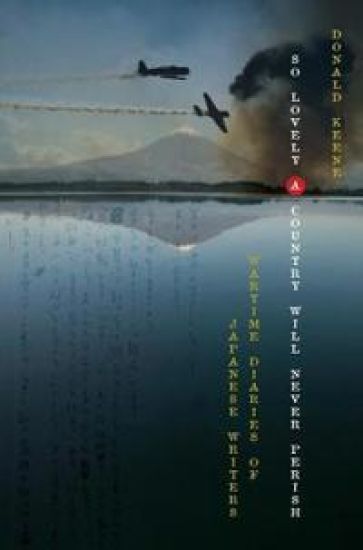
So Lovely a Country Will Never Perish
Donald Keene
Columbia University Press
2010
sidottu
Halvin toimitettuna 26,20 €
The attack on Pearl Harbor, which precipitated the Greater East Asia War and its initial triumphs, aroused pride and a host of other emotions among the Japanese people. Yet the single year in which Japanese forces occupied territory from Alaska to Indonesia was followed by three years of terrible defeat. Nevertheless, until the shattering end of the war, many Japanese continued to believe in the invincibility of their country. But in the diaries of well-known writers--including Nagai Kafu, Takami Jun, Yamada Futaru, and Hirabayashi Taiko--and the scholar Watanabe Kazuo, varying doubts were vividly, though privately, expressed. Donald Keene, renowned scholar of Japan, selects from these diaries, some written by authors he knew well. Their revelations were sometimes poignant, sometimes shocking to Keene. Ito Sei's fervent patriotism and even claims of racial superiority stand in stark contrast to the soft-spoken, kindly man Keene knew. Weaving archival materials with personal recollections and the intimate accounts themselves, Keene reproduces the passions aroused during the war and the sharply contrasting reactions in the year following Japan's surrender. Whether detailed or fragmentary, these entries communicate the reality of false victory and all-too-real defeat.
Kitahara Hakushu
Margaret Benton Fukusawa; Donald Keene
Cornell University East Asia Program
2010
pokkari
The first full-length work in English on Kitahara Hakushu (1885–1942), a leading poet of modern Japan. In addition to a thorough recounting of the poet's life and times, the author provides numerous translations of Hakush's poems and excerpts from his critical theories. Essential for any student of modern Japanese literature.
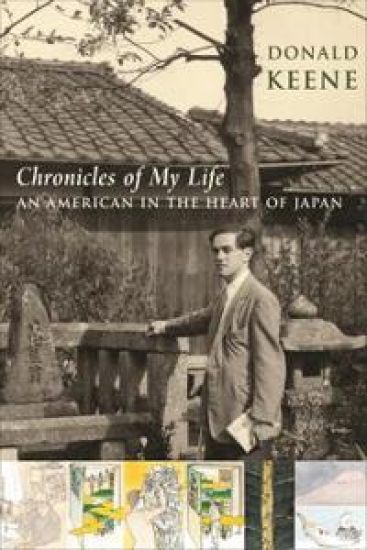
"I sometimes think that if, as the result of an accident, I were to lose my knowledge of Japanese, there would not be much left for me. Japanese, which at first had no connection with my ancestors, my literary tastes, or my awareness of myself as a person, has become the central element of my life." In this eloquent and wholly absorbing memoir, the renowned scholar Donald Keene shares more than half a century of his extraordinary adventures as a student of Japan. Keene begins with an account of his bittersweet childhood in New York; then he describes his initial encounters with Asia and Europe and the way in which World War II complicated that experience. He captures the sights, scents, and sounds of Japan as they first enveloped him, and talks of the unique travels and well-known intellectuals who later shaped the contours of his academic career. Keene traces the movement of his passions with delicacy and subtlety, deftly weaving his love for Japan into a larger narrative about identity and home and the circumstances that led a Westerner to find solace in a country on the opposite side of the world. Chronicles of My Life is not only a fascinating tale of two cultures colliding, but also a thrilling account of the emotions and experiences that connect us all, regardless of our individual origins.
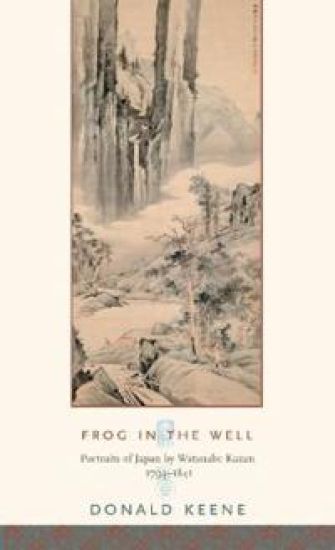
Frog in the Well is a vivid and revealing account of Watanabe Kazan, one of the most important intellectuals of the late Tokugawa period. From his impoverished upbringing to his tragic suicide in exile, Kazan's life and work reflected a turbulent period in Japan's history. He was a famous artist, a Confucian scholar, a student of Western culture, a samurai, and a critic of the shogunate who, nevertheless, felt compelled to kill himself for fear that he had caused his lord anxiety. During this period, a typical Japanese scholar or artist refused to acknowledge the outside world, much like a "frog in the well that knows nothing of the ocean," but Kazan actively sought out Western learning. He appreciated European civilization and bought every scrap of European art that was available in Japan. He became a painter to help his family out of poverty and, by employing the artistic techniques of the West, achieved great success with his realistic and stylistically advanced portraits. Although he remained a nationalist committed to the old ways, Kazan called on the shogunate to learn from the West or risk disaster. He strove to improve the agricultural and economic conditions of his province and reinforce its defenses, but his criticisms and warnings about possible coastal invasions ultimately led to his arrest and exile. Frog in the Well is the first full-length biography of Kazan in English, and, in telling his life's story, renowned scholar Donald Keene paints a fascinating portrait of the social and intellectual milieus of the late Tokugawa period. Richly illustrated with Kazan's paintings, Frog in the Well illuminates a life that is emblematic of the cultural crises affecting Japan in the years before revolution.
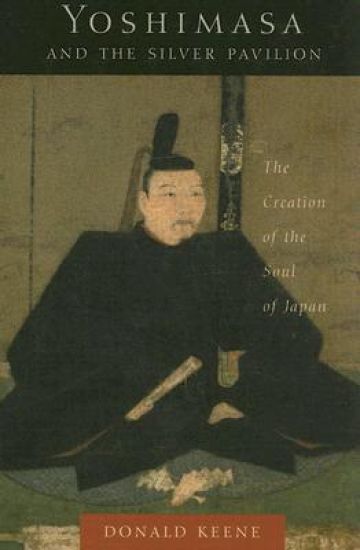
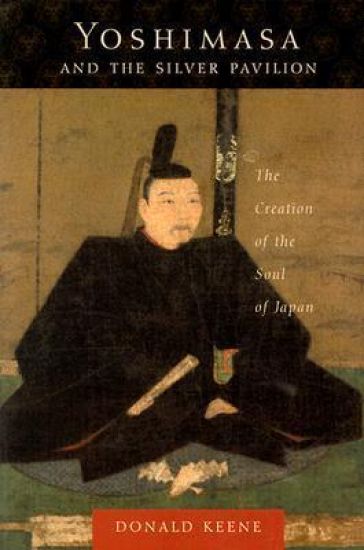
Yoshimasa may have been the worst shogun ever to rule Japan. He was a failure as a soldier, incompetent at dealing with state business, and dominated by his wife. But his influence on the cultural life of Japan was unparalleled. According to Donald Keene, Yoshimasa was the only shogun to leave a lasting heritage for the entire Japanese people. Today Yoshimasa is remembered primarily as the builder of the Temple of the Silver Pavilion and as the ruler at the time of the Onin War (1467-1477), after which the authority of the shogun all but disappeared. Unable to control the daimyos-provincial military governors-he abandoned politics and devoted himself to the quest for beauty. It was then, after Yoshimasa resigned as shogun and made his home in the mountain retreat now known as the Silver Pavilion, that his aesthetic taste came to define that of the Japanese: the no theater flourished, Japanese gardens were developed, and the tea ceremony had its origins in a small room at the Silver Pavilion. Flower arrangement, ink painting, and shoin-zukuri architecture began or became of major importance under Yoshimasa. Poets introduced their often barely literate warlord-hosts to the literary masterpieces of the past and taught them how to compose poetry. Even the most barbarous warlord came to want the trappings of culture that would enable him to feel like a civilized man. Yoshimasa and the Silver Pavilion gives this long-neglected but critical period in Japanese history the thorough treatment it deserves.
The New Yorker has called Donald Keene "America's preeminent scholar of Japanese literature." Now he presents a new book that serves as both a superb introduction to modern Japanese fiction and a memoir of his own lifelong love affair with Japanese literature and culture. Five Modern Japanese Novelistsprofiles five prominent writers whom Donald Keene knew personally: Tanizaki Jun'ichiro, Kawabata Yasunari, Mishima Yukio, Abe Kobo, and Shiba Ryotaro. Keene masterfully blends vignettes describing his personal encounters with these famous men with autobiographical observations and his trademark learned literary and cultural analysis. Keene opens with a confession: before arriving in Japan in 1953, despite having taught Japanese for several years at Cambridge, he knew the name of only one living Japanese writer: Tanizaki. Keene's training in classical Japanese literature and fluency in the language proved marvelous preparation, though, for the journey of literary discovery that began with that first trip to Japan, as he came into contact, sometimes quite fortuitously, with the genius of a generation. It is a journey that will fascinate experts and newcomers alike
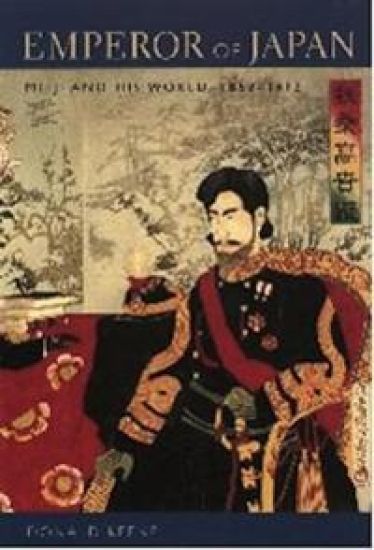
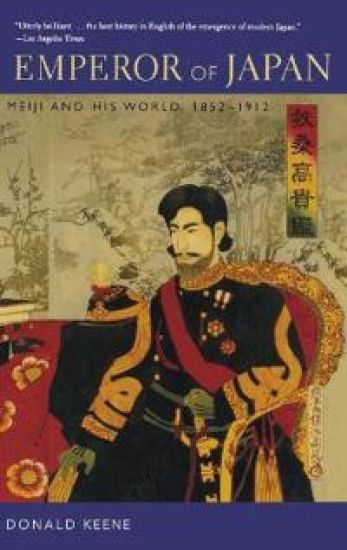
When Emperor Meiji began his rule, in 1867, Japan was a splintered empire, dominated by the shogun and the daimyos, who ruled over the country's more than 250 decentralized domains and who were, in the main, cut off from the outside world, staunchly antiforeign, and committed to the traditions of the past. Before long, the shogun surrendered to the emperor, a new constitution was adopted, and Japan emerged as a modern, industrialized state. Despite the length of his reign, little has been written about the strangely obscured figure of Meiji himself, the first emperor ever to meet a European. Most historians discuss the period that takes his name while barely mentioning the man, assuming that he had no real involvement in affairs of state. Even Japanese who believe Meiji to have been their nation's greatest ruler may have trouble recalling a single personal accomplishment that might account for such a glorious reputation. Renowned Japan scholar Donald Keene sifts the available evidence to present a rich portrait not only of Meiji but also of rapid and sometimes violent change during this pivotal period in Japan's history. In this vivid and engrossing biography, we move with the emperor through his early, traditional education; join in the formal processions that acquainted the young emperor with his country and its people; observe his behavior in court, his marriage, and his relationships with various consorts; and follow his maturation into a "Confucian" sovereign dedicated to simplicity, frugality, and hard work. Later, during Japan's wars with China and Russia, we witness Meiji's struggle to reconcile his personal commitment to peace and his nation's increasingly militarized experience of modernization. Emperor of Japan conveys in sparkling prose the complexity of the man and offers an unrivaled portrait of Japan in a period of unique interest.
Yoshimasa may have been the worst shogun ever to rule Japan. He was a failure as a soldier, incompetent at dealing with state business, and dominated by his wife. But his influence on the cultural life of Japan was unparalleled. According to Donald Keene, Yoshimasa was the only shogun to leave a lasting heritage for the entire Japanese people. Today Yoshimasa is remembered primarily as the builder of the Temple of the Silver Pavilion and as the ruler at the time of the Onin War (1467-1477), after which the authority of the shogun all but disappeared. Unable to control the daimyos-provincial military governors-he abandoned politics and devoted himself to the quest for beauty. It was then, after Yoshimasa resigned as shogun and made his home in the mountain retreat now known as the Silver Pavilion, that his aesthetic taste came to define that of the Japanese: the no theater flourished, Japanese gardens were developed, and the tea ceremony had its origins in a small room at the Silver Pavilion. Flower arrangement, ink painting, and shoin-zukuri architecture began or became of major importance under Yoshimasa. Poets introduced their often barely literate warlord-hosts to the literary masterpieces of the past and taught them how to compose poetry. Even the most barbarous warlord came to want the trappings of culture that would enable him to feel like a civilized man. Yoshimasa and the Silver Pavilion gives this long-neglected but critical period in Japanese history the thorough treatment it deserves.
The New Yorker has called Donald Keene "America's preeminent scholar of Japanese literature." Now he presents a new book that serves as both a superb introduction to modern Japanese fiction and a memoir of his own lifelong love affair with Japanese literature and culture. Five Modern Japanese Novelistsprofiles five prominent writers whom Donald Keene knew personally: Tanizaki Jun'ichiro, Kawabata Yasunari, Mishima Yukio, Abe Kobo, and Shiba Ryotaro. Keene masterfully blends vignettes describing his personal encounters with these famous men with autobiographical observations and his trademark learned literary and cultural analysis. Keene opens with a confession: before arriving in Japan in 1953, despite having taught Japanese for several years at Cambridge, he knew the name of only one living Japanese writer: Tanizaki. Keene's training in classical Japanese literature and fluency in the language proved marvelous preparation, though, for the journey of literary discovery that began with that first trip to Japan, as he came into contact, sometimes quite fortuitously, with the genius of a generation. It is a journey that will fascinate experts and newcomers alike
When Emperor Meiji began his rule, in 1867, Japan was a splintered empire, dominated by the shogun and the daimyos, who ruled over the country's more than 250 decentralized domains and who were, in the main, cut off from the outside world, staunchly antiforeign, and committed to the traditions of the past. Before long, the shogun surrendered to the emperor, a new constitution was adopted, and Japan emerged as a modern, industrialized state. Despite the length of his reign, little has been written about the strangely obscured figure of Meiji himself, the first emperor ever to meet a European. Most historians discuss the period that takes his name while barely mentioning the man, assuming that he had no real involvement in affairs of state. Even Japanese who believe Meiji to have been their nation's greatest ruler may have trouble recalling a single personal accomplishment that might account for such a glorious reputation. Renowned Japan scholar Donald Keene sifts the available evidence to present a rich portrait not only of Meiji but also of rapid and sometimes violent change during this pivotal period in Japan's history. In this vivid and engrossing biography, we move with the emperor through his early, traditional education; join in the formal processions that acquainted the young emperor with his country and its people; observe his behavior in court, his marriage, and his relationships with various consorts; and follow his maturation into a "Confucian" sovereign dedicated to simplicity, frugality, and hard work. Later, during Japan's wars with China and Russia, we witness Meiji's struggle to reconcile his personal commitment to peace and his nation's increasingly militarized experience of modernization. Emperor of Japan conveys in sparkling prose the complexity of the man and offers an unrivaled portrait of Japan in a period of unique interest.
No modern Japanese writer was more idolized than Shiga Naoya. The Paper Door and Other Stories showcases the concise, delicate art of this writer who is often called "the god of the Japanese short story." Doyen of Japanese letters Donald Keene ranks some of Shiga's stories "among the most brilliant achievements in this genre by any twentieth-century Japanese writer." Shiga's unique style is concise and simple, with no unnecessary words. With the subtlest of gestures, he evokes the fullness of experience. Lane Dunlop's masterly translation of seventeen of Shiga's finest stories has provided English readers their first overview of the author's work. Now back in print, the book is augmented by Donald Keene's new preface contextualizing Shiga's awesome literary gifts. Dunlop has chosen stories that aptly represent Shiga's range and virtuosity. With selections spanning forty years, from the fable-like "The Little Girl and the Rapeseed Flower" to the psychologically complex "A Gray Moon," this collection delineates the development of Shiga's rare genius.