Kirjojen hintavertailu – 12 859 827 kirjaa ja 27 kauppaa
Kirjailija
E. A. Wallis Budge
Kirjat ja teokset yhdessä paikassa: 455 kirjaa, julkaisuja vuosilta 1922–2026, suosituimpiin kuuluu The Literature of the Ancient Egyptians. Vertaile teosten hintoja ja tarkista saatavuus suomalaisista kirjakaupoista.
Nimi esiintyy myös muodoissa: E A Wallis Budge, E.A. Wallis Budge, E. A Wallis Budge
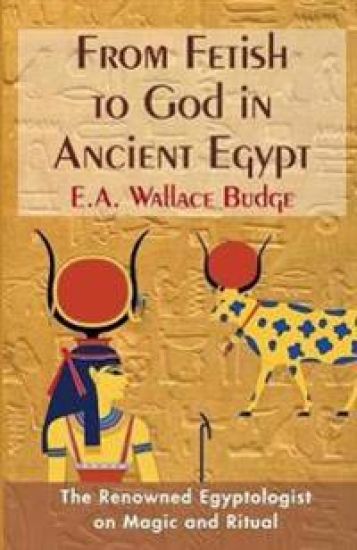
Rival Gods and Goddesses, the omniscient Evil Eye, dueling city-states, political intrigue, corrupt priests, and of course, magic. These are some of the forces that shaped the religion, society, and politics of Ancient Egypt. In this celebrated work, the author wonders at the origin of the core beliefs that ripple through the ages to come.
Rival Gods and Goddesses, the omniscient Evil Eye, dueling city-states, political intrigue, corrupt priests, and of course, magic. These are some of the forces that shaped the religion, society, and politics of Ancient Egypt. In this celebrated work, the author wonders at the origin of the core beliefs that ripple through the ages to come.
E. A. Wallis translated and transcribed this work. The Book of the Dead is the name given by the ancient Egyptian funeral text 'The Book of Coming '[or 'Going']' Forth By Day'. The book details the Egyptian view of the afterlife. Included are spells, hymns and instructions for the dead to pass through obstacles in the afterlife. This papyrus scroll was placed in the coffin of the deceased. The Book of the Dead was first thought to be a Bible but is it not a religious work. It is an instruction manual for the recently departed.
E. A. Wallis translated and transcribed this work. The Book of the Dead is the name given by the ancient Egyptian funeral text 'The Book of Coming '[or 'Going']' Forth By Day'. The book details the Egyptian view of the afterlife. Included are spells, hymns and instructions for the dead to pass through obstacles in the afterlife. This papyrus scroll was placed in the coffin of the deceased. The Book of the Dead was first thought to be a Bible but is it not a religious work. It is more of an instruction manual for the recently departed.
E. A. Wallis translated and transcribed this work. The Book of the Dead is the name given by the ancient Egyptian funeral text 'The Book of Coming '[or 'Going']' Forth By Day'. The book details the Egyptian view of the afterlife. Included are spells, hymns and instructions for the dead to pass through obstacles in the afterlife. This papyrus scroll was placed in the coffin of the deceased. The Book of the Dead was first thought to be a Bible but is it not a religious work. It is an instruction manual for the recently departed.
This book has been deemed as a classic and has stood the test of time. The book has been considered by academicians and scholars of great significance and value to literature. This forms a part of the knowledge base for future generations.
This book has been deemed as a classic and has stood the test of time. The book has been considered by academicians and scholars of great significance and value to literature. This forms a part of the knowledge base for future generations.
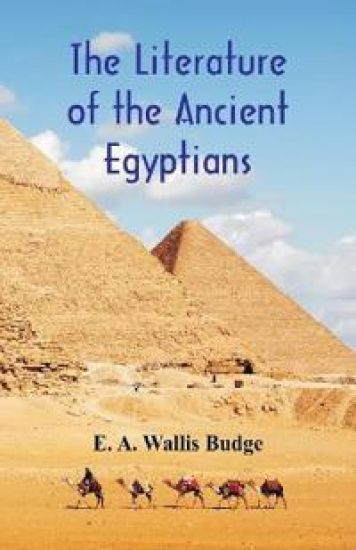
Originally published in 1914, The Literature of the Ancient Egyptians is intended to serve as an elementary introduction to the study of Egyptian Literature. Its object is to present a short series of specimens of Egyptian compositions, which represent all the great periods of literary activity in Egypt under the Pharaohs, to all who are interested in the study of the mental development of ancient nations. It is not addressed to the Egyptological specialist, to whom, as a matter of course, its contents are well known, and therefore its pages are not loaded with elaborate notes and copious references. It represents, I believe, the first attempt made to place before the public a summary of the principal contents of Egyptian Literature in a handy and popular form. The specimens of native Egyptian Literature printed herein are taken from tombs, papyri, stel , and other monuments, and, with few exceptions, each specimen is complete in itself. Translations of most of the texts have appeared in learned works written by Egyptologists in English, French, German, and Italian, but some appear in English for the first time. The translations are as literal as the difference between the Egyptian and English idioms will permit, but it has been necessary to insert particles and often to invert the order of the words in the original works in order to produce a connected meaning in English. The result of this has been in many cases to break up the short abrupt sentences in which the Egyptian author delighted, and which he used frequently with dramatic effect. Extraordinarily concise phrases have been paraphrased, but the meanings given to several unknown words often represent guess-work. Contents: Thoth, the Author of Egyptian Literature. Writing Materials, Papyrus, Ink and Ink-pot, Palette, &c. The Pyramid Texts Stories of Magicians who Lived under the Ancient Empire: The Book of the Dead Books of the Dead of the Gr co-Roman Period The Egyptian Story of the Creation Legends of the Gods Historical Literature Autobiographical Literature Tales of Travel and Adventure Fairy Tales Egyptian Hymns to the Gods Moral and Philosophical Literature Egyptian Poetical Compositions Miscellaneous Literature Editions of Egyptian Texts, Translations, &c.
Originally published in 1914, The Literature of the Ancient Egyptians is intended to serve as an elementary introduction to the study of Egyptian Literature. Its object is to present a short series of specimens of Egyptian compositions, which represent all the great periods of literary activity in Egypt under the Pharaohs, to all who are interested in the study of the mental development of ancient nations. It is not addressed to the Egyptological specialist, to whom, as a matter of course, its contents are well known, and therefore its pages are not loaded with elaborate notes and copious references. It represents, I believe, the first attempt made to place before the public a summary of the principal contents of Egyptian Literature in a handy and popular form. The specimens of native Egyptian Literature printed herein are taken from tombs, papyri, stel , and other monuments, and, with few exceptions, each specimen is complete in itself. Translations of most of the texts have appeared in learned works written by Egyptologists in English, French, German, and Italian, but some appear in English for the first time. The translations are as literal as the difference between the Egyptian and English idioms will permit, but it has been necessary to insert particles and often to invert the order of the words in the original works in order to produce a connected meaning in English. The result of this has been in many cases to break up the short abrupt sentences in which the Egyptian author delighted, and which he used frequently with dramatic effect. Extraordinarily concise phrases have been paraphrased, but the meanings given to several unknown words often represent guess-work. Contents: Thoth, the Author of Egyptian Literature. Writing Materials, Papyrus, Ink and Ink-pot, Palette, &c. The Pyramid Texts Stories of Magicians who Lived under the Ancient Empire: The Book of the Dead Books of the Dead of the Gr co-Roman Period The Egyptian Story of the Creation Legends of the Gods Historical Literature Autobiographical Literature Tales of Travel and Adventure Fairy Tales Egyptian Hymns to the Gods Moral and Philosophical Literature Egyptian Poetical Compositions Miscellaneous Literature Editions of Egyptian Texts, Translations, &c.
E. A. Wallis translated and transcribed this work. The Book of the Dead is the name given by the ancient Egyptian funeral text 'The Book of Coming '[or 'Going']' Forth By Day'. The book details the Egyptian view of the afterlife. Included are spells, hymns and instructions for the dead to pass through obstacles in the afterlife. This papyrus scroll was placed in the coffin of the deceased. The Book of the Dead was first thought to be a Bible but is it not a religious work. It is an instruction manual for the recently departed.
E. A. Wallis translated and transcribed this work. The Book of the Dead is the name given by the ancient Egyptian funeral text 'The Book of Coming '[or 'Going']' Forth By Day'. The book details the Egyptian view of the afterlife. Included are spells, hymns and instructions for the dead to pass through obstacles in the afterlife. This papyrus scroll was placed in the coffin of the deceased. The Book of the Dead was first thought to be a Bible but is it not a religious work. It is more of an instruction manual for the recently departed.
E. A. Wallis translated and transcribed this work. The Book of the Dead is the name given by the ancient Egyptian funeral text 'The Book of Coming '[or 'Going']' Forth By Day'. The book details the Egyptian view of the afterlife. Included are spells, hymns and instructions for the dead to pass through obstacles in the afterlife. This papyrus scroll was placed in the coffin of the deceased. The Book of the Dead was first thought to be a Bible but is it not a religious work. It is an instruction manual for the recently departed.