Kirjojen hintavertailu – 12 859 827 kirjaa ja 27 kauppaa
Kirjailija
Edgar Allan Poe
Kirjat ja teokset yhdessä paikassa: 2 091 kirjaa, julkaisuja vuosilta 1840–2027, suosituimpiin kuuluu Heureka ja muita kirjoituksia. Vertaile teosten hintoja ja tarkista saatavuus suomalaisista kirjakaupoista.
La vida de tres hombres, William Legrand, su fiel criado J piter y el propio narrador, est a punto de cambiar para siempre. Todo comienza con el hallazgo casual por Legrand, entom logo aficionado, de un ejemplar de escarabajo de una especie desconocida hasta el momento. El hallazgo del escarabajo y las inquietantes supersticiones de J piter impregnan los comienzos del relato, creando un ambiente de extra eza y de misterio. Ciertamente, el desconcertante comportamiento de Legrand no contribuye a despejar el desasosiego que rezuma la historia. Se ha vuelto loco, como sospechan sus amigos? Tras un inesperado giro de los acontecimientos, la narraci n cambia por completo, se vuelve anal tica y racional, casi matem tica.
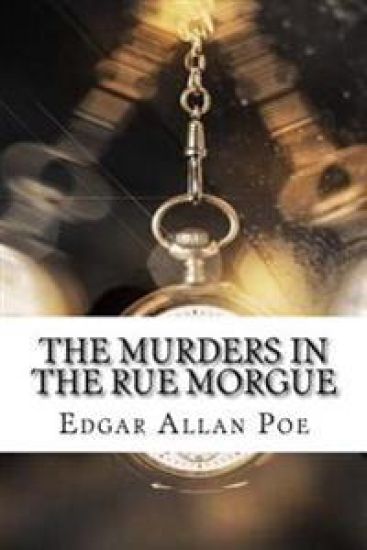
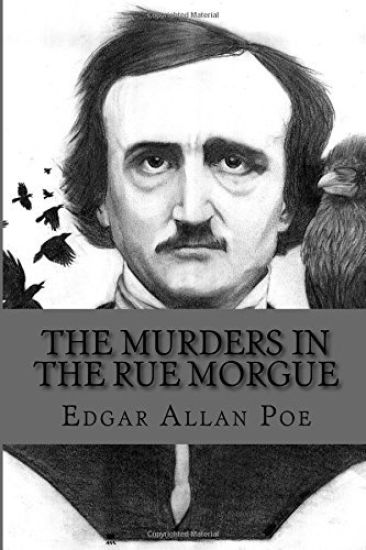
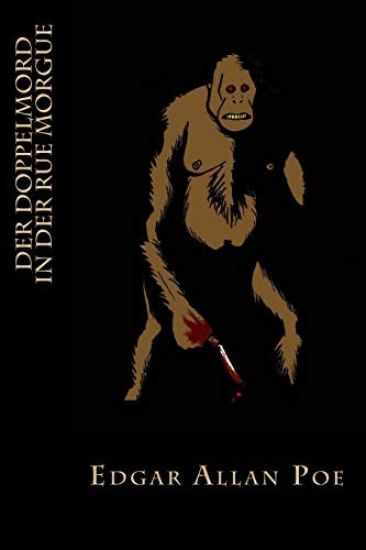
The Murders in the Rue Morgue" is a short story by Edgar Allan Poe published in Graham's Magazine in 1841. It has been claimed as the first detective story; Poe referred to it as one of his "tales of ratiocination." Similar works predate Poe's stories, including Das Fr ulein von Scuderi (1819) by E. T. A. Hoffmann and Zadig (1748) by Voltaire. C. Auguste Dupin is a man in Paris who solves the mysterious brutal murder of two women. Numerous witnesses heard a suspect, though no one agrees on what language was spoken. At the murder scene, Dupin finds a hair that does not appear to be human. As the first true detective in fiction, the Dupin character established many literary devices which would be used in future fictional detectives including Sherlock Holmes and Hercule Poirot. Many later characters, for example, follow Poe's model of the brilliant detective, his personal friend who serves as narrator, and the final revelation being presented before the reasoning that leads up to it. Dupin himself reappears in "The Mystery of Marie Roget" and "The Purloined Letter"
Large Format for easy reading. Volume two of his complete works in five volumes from one of the leaders of the American Romantics, best known for his poems and his tales of the macabre.
The epithets "Grotesque" and "Arabesque" will be found to indicate with sufficient precision the prevalent tenor of the tales here published. But from the fact that, during a period of some two or three years, I have written five-and-twenty short stories whose general character may be so briefly defined, it cannot be fairly inferred--at all events it is not truly inferred--that I have, for this species of writing, any inordinate, or indeed any peculiar taste or prepossession. I may have written with an eye to this republication in volume form, and may, therefore, have desired to preserve, as far as a certain point, a certain unity of design. This is, indeed, the fact; and it may even happen that, in this manner, I shall never compose anything again. I speak of these things here, because I am led to think it is this prevalence of the "Arabesque" in my serious tales, which has induced one or two critics to tax me, in all friendliness, with what they have been pleased to term "Germanism" and gloom. The charge is in bad taste, and the grounds of the accusation have not been sufficiently considered. Let us admit, for the moment, that the "phantasy-pieces" now given are Germanic, or what not. Then Germanism is "the vein" for the time being.
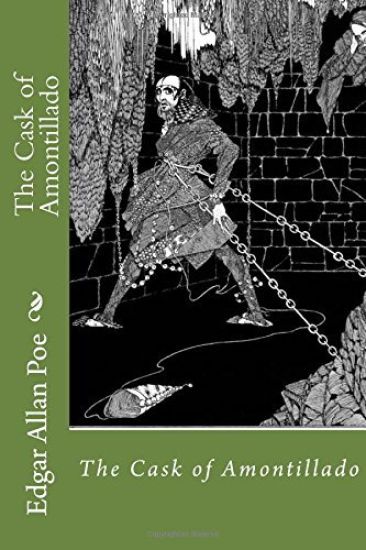
A masquerade ball in a secluded abbey; a vendetta settled in the wine cellars of an Italian palazzo; a gloomy castle in a desolated landscape; the beating of a heart beneath the floorboards: the plots and settings of Poe s dark, mysterious tales continue to haunt the popular imagination. This new selection introduces the greatest Gothic fiction from one of the most deranged and deliciously weird writers of the 19th century. The tales are accompanied by the classic illustrations of Harry Clarke, an artist fully alive to the deep darkness at the heart of Poe s writing."
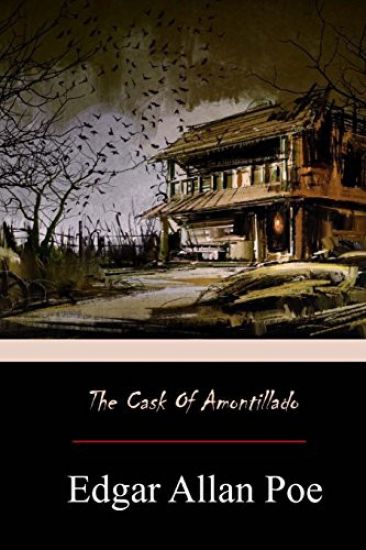
The thousand injuries of Fortunato I had borne as I best could, but when he ventured upon insult, I vowed revenge. You, who so well know the nature of my soul, will not suppose, however, that I gave utterance to a threat. At length I would be avenged; this was a point definitely settled-but the very definitiveness with which it was resolved, precluded the idea of risk. I must not only punish, but punish with impunity. A wrong is unredressed when retribution overtakes its redresser. It is equally unredressed when the avenger fails to make himself felt as such to him who has done the wrong.
"The Murders in the Rue Morgue" is a short story by Edgar Allan Poe published in Graham's Magazine in 1841. It has been claimed as the first detective story; Poe referred to it as one of his "tales of ratiocination". Similar works predate Poe's stories, including Das Fr ulein von Scuderi (1819) by E. T. A. Hoffmann and Zadig (1748) by Voltaire. C. Auguste Dupin is a man in Paris who solves the mysterious brutal murder of two women. Numerous witnesses heard a suspect, though no one agrees on what language was spoken. At the murder scene, Dupin finds a hair that does not appear to be human. As the first true detective in fiction, the Dupin character established many literary devices which would be used in future fictional detectives including Sherlock Holmes and Hercule Poirot. Many later characters, for example, follow Poe's model of the brilliant detective, his personal friend who serves as narrator, and the final revelation being presented before the reasoning that leads up to it. Dupin himself reappears in "The Mystery of Marie Roget" and "The Purloined Letter"