
Kirjailija
Edith Wharton
Kirjat ja teokset yhdessä paikassa: 1 534 kirjaa, julkaisuja vuosilta 1913–2026, suosituimpiin kuuluu Box with four Summer Stories. Vertaile teosten hintoja ja tarkista saatavuus suomalaisista kirjakaupoista.
Nimi esiintyy myös muodoissa: Edith. Wharton
1 534 kirjaa
Kirjojen julkaisuvuodet: 1913–2026.

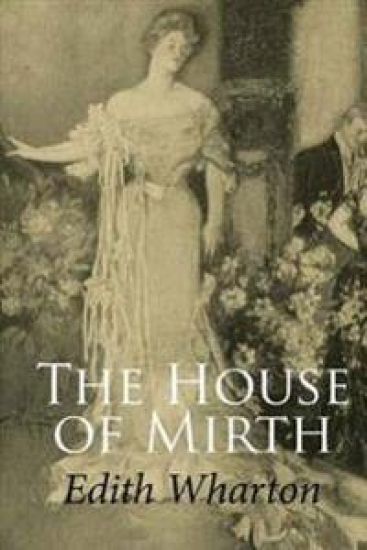

Sanctuary By Edith Wharton, Editorial Oneness (Edited by)
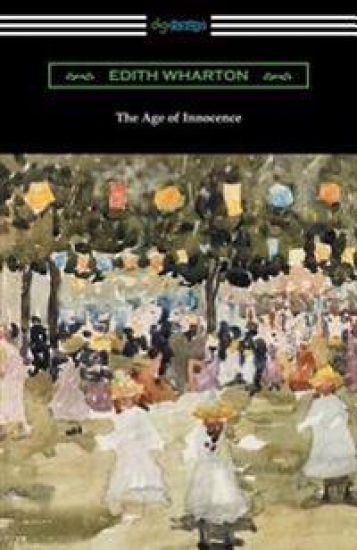


The Age of Innocence is Edith Wharton's twelfth novel, initially serialized in four parts in the Pictorial Review magazine in 1920, and later released by D. Appleton and Company as a book in New York and in London. It won the 1921 Pulitzer Prize for Fiction, making Wharton the first woman to win the prize. The story is set in upper-class New York City in the 1870s, during the so-called Gilded Age. The Age of Innocence centers on an upper-class couple's impending marriage, and the introduction of the bride's cousin, plagued by scandal, whose presence threatens their happiness. Though the novel questions the assumptions and morals of 1870s New York society, it never develops into an outright condemnation of the institution. In fact, Wharton considered this novel an apology for her earlier novel, The House of Mirth, which was more brutal and critical. The novel is noted for Wharton's attention to detail and its accurate portrayal of how the 19th-century East Coast American upper class lived, and the social tragedy of its plot. Wharton was 58 years old at publication; she had lived in that world and had seen it change dramatically by the end of World War I. Newland Archer, gentleman lawyer and heir to one of New York City's best families, is happily anticipating a highly desirable marriage to the sheltered and beautiful May Welland. Yet he finds reason to doubt his choice of bride after the appearance of Countess Ellen Olenska, May's exotic and beautiful 30-year-old cousin. Ellen has returned to New York from Europe after scandalously separating herself (per rumor) from a bad marriage to a Polish count. At first, Ellen's arrival and its potential taint on the reputation of his bride-to-be's family disturb Newland, but he becomes intrigued by the worldly Ellen, who flouts New York society's fastidious rules. As Newland's admiration for the countess grows, so does his doubt about marrying May, a perfect product of Old New York society; his match with May no longer seems the ideal fate he had imagined. Ellen's decision to divorce Count Olenski causes a social crisis for the other members of her family, who are terrified of scandal and disgrace. Living apart can be tolerated, but divorce is unacceptable. To save the Welland family's reputation, a law partner of Newland asks him to dissuade Countess Olenska from divorcing the count.

"Bunner Sisters," like "The Age of Innocence" is set in 1870s New York, however the lives of Ann Eliza and Evelina Bunner reflect impoverished New York. The sisters run a "very small shop, in a shabby basement, in a side street already doomed to decline." Shabby as it is, the sisters are happy in their small orderly community of supportive women. The story tells of the destruction of this life, and how the once content sisters are thrown into the realistic world outside of their little shop. Bunner Sisters was written in 1891, but wasn't published until 1916 in Edith Wharton's collection of short fiction Xingu and Other Stories. Technically, it has very strong claims to be classified as a novella, rather than a short story, but it is usually listed with her shorter works to keep it separate from the novels." Bunner Sisters," written in 1892 but not published until 1916 in Xingu and Other Stories, takes place in a shabby neighborhood in New York City. The two Bunner sisters, Ann Eliza the elder, and Evelina the younger, keep a small shop selling artificial flowers and small handsewn articles to Stuyvesant Square's "female population." Ann Eliza gives Evelina a clock for her birthday. The clock leads the sisters to become involved with Herbert Ramy, owner of "the queerest little store you ever laid eyes on." Soon Ramy is a regular guest of the Bunner sisters, who realize that their "tread mill routine," once so comfortable, is now "intolerably monotonous." In the days when New York's traffic moved at the pace of the drooping horse-car, when society applauded Christine Nilsson at the Academy of Music and basked in the sunsets of the Hudson River School on the walls of the National Academy of Design, an inconspicuous shop with a single show-window was intimately and favourably known to the feminine population of the quarter bordering on Stuyvesant Square."

Summer is a novel by Edith Wharton published in 1917 by Charles Scribner's Sons. The story is one of only two novels to be set in New England by Wharton, who was best known for her portrayals of upper-class New York society. The novel details the sexual awakening of its protagonist, Charity Royall, and her cruel treatment by the father of her child, and shares many plot similarities with Wharton's better-known novel, Ethan Frome. Only moderately well received when originally published, Summer has had a resurgence in critical popularity since the 1960s. Eighteen-year-old Charity Royall is bored with life in the small town of North Dormer. She is a librarian and ward of North Dormer's premier citizen, Lawyer Royall. While working at the library, Charity meets visiting architect Lucius Harney. When Harney's cousin, Miss Hatchard, with whom he is boarding, leaves the village, Harney becomes Mr. Royall's boarder, and Charity his companion while he explores buildings for a book on colonial houses he is preparing. Mr. Royall, who once tried to force his way into Charity's bedroom after his wife's death, and later asked her to marry him, notices their growing closeness. He tries to put a stop to it by telling Harney he can no longer accommodate him in his house. Harney makes it appear as though he has left town, but only moves to a nearby village and continues to communicate with Charity. On a trip to Nettleton, Harney kisses Charity for the first time and buys her a present of a brooch. Afterwards they run into a drunken Mr. Royall, who is accompanied by prostitutes. Mr. Royall verbally abuses Charity, causing her to become overwhelmed with shame. After the trip, Charity and Harney begin a sexual relationship.

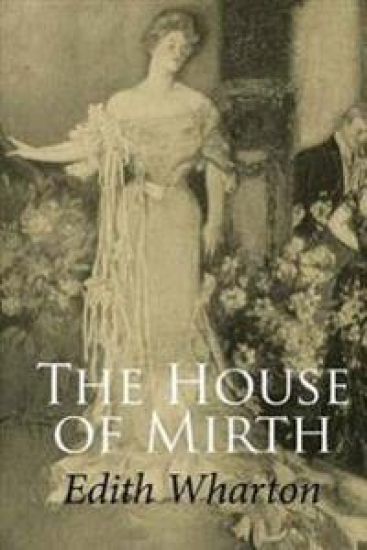





The Age Of Innocence
Joseph Nomeh; Edith Wharton
Createspace Independent Publishing Platform
2016
nidottu
The Age of Innocence centers on one society couple's impending marriage and the introduction of a scandalous woman whose presence threatens their happiness. Though the novel questions the assumptions and mores of turn of the century New York society, it never devolves into an outright condemnation of the institution. In fact, Wharton considered this novel an "apology" for the earlier, more brutal and critical, "The House of Mirth". Not to be overlooked is the author's...