Kirjojen hintavertailu – 12 903 725 kirjaa ja 27 kauppaa
Kirjailija
Edward Bulwer Lytton
Kirjat ja teokset yhdessä paikassa: 796 kirjaa, julkaisuja vuosilta 1990–2026, suosituimpiin kuuluu Lucretia. Vertaile teosten hintoja ja tarkista saatavuus suomalaisista kirjakaupoista.
Nimi esiintyy myös muodoissa: Edward Bulwer-Lytton, Edward Bulwer- Lytton, Edward Bulwer -Lytton
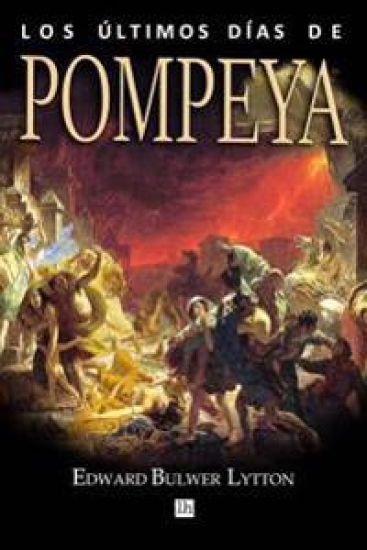
24 de agosto del a o 79 de nuestra era. Bah a de N poles, en la regi n italiana de Campania. Plinio el Joven, que lo vivi personalmente a una distancia de algo m s de treinta kil metros, sit a al comienzo de la tarde de aquel fat dico d a la brutal erupci n del Vesubio, que sorprendi a los habitantes de Pompeya de tal forma que la mayor parte quedaron sepultados por las cenizas sin tiempo alguno de reacci n. Informaci n esta que certifica el testimonio m s fiel e impresionante que de la vida cotidiana de una ciudad romana nos queda: el inmejorable estado de sus restos. El poeta, pol tico y periodista brit nico EDWARD BULWER LYTTON (1803-1873), uno m s que como los cientos de turistas y cient ficos que, hasta hoy, quedan perplejos y fascinados ante el escenario casi inc lume de Pompeya, tras una ardua y concienzuda investigaci n, decidi novelar todo aquello, leg ndonos esta apasionante obra, que es sin duda la gu a m s amena para adentrarnos en el universo de aquella ciudad, al conseguir hilvanar magistralmente el dato concreto de las vidas, oficios, espect culos, ritos religiosos y costumbres de sus gentes, con una apasionada historia de amores y odios que ha hecho de "LOS LTIMOS D AS DE POMPEYA" (1834) la principal narraci n sobre el tema. No en vano ha sido llevada al cine y televisi n en diversas y siempre apreciadas versiones.
Edward George Earle Lytton Bulwer-Lytton, 1st Baron Lytton PC (25 May 1803 - 18 January 1873), was an English novelist, poet, playwright, and politician. He was immensely popular with the reading public and wrote a stream of bestselling novels which earned him a considerable fortune. He coined the phrases "the great unwashed", 1] "pursuit of the almighty dollar", "the pen is mightier than the sword", "dweller on the threshold", and the well-known opening line "It was a dark and stormy night Bulwer-Lytton was born on 25 May 1803 to General William Earle Bulwer of Heydon Hall and Wood Dalling, Norfolk and Elizabeth Barbara Lytton, daughter of Richard Warburton Lytton of Knebworth, Hertfordshire. He had two elder brothers, William Earle Lytton Bulwer (1799-1877) and Henry (1801-1872), later Lord Dalling and Bulwer. When Edward was four his father died and his mother moved to London. He was a delicate, neurotic child and was discontented at a number of boarding schools. But he was precocious and Mr Wallington at Baling encouraged him to publish, at the age of fifteen, an immature work, Ishmael and Other Poems
Edward George Earle Lytton Bulwer-Lytton, 1st Baron Lytton; an English novelist, poet, playwright, and politician; a florid, popular writer of his day; was also known by the names Edward Bulwer-Lytton; Lord Lytton; Edward Bulwer Lytton Lytton; Edward Bulwer-Lytton, 1st Baron Lytton; Sir Edward Bulwer Lytton, Bart.; and the pseudonyms of Owen Meredith and Pisistratus Caxton. Edward George Earle Lytton Bulwer-Lytton, 1st Baron Lytton PC (25 May 1803 - 18 January 1873), was an English novelist, poet, playwright, and politician. He was immensely popular with the reading public and wrote a stream of bestselling novels which earned him a considerable fortune. He coined the phrases "the great unwashed", "pursuit of the almighty dollar", "the pen is mightier than the sword", "dweller on the threshold", and the well-known opening line "It was a dark and stormy night. Bulwer-Lytton was born on 25 May 1803 to General William Earle Bulwer of Heydon Hall and Wood Dalling, Norfolk and Elizabeth Barbara Lytton, daughter of Richard Warburton Lytton of Knebworth, Hertfordshire. He had two elder brothers, William Earle Lytton Bulwer (1799-1877) and Henry (1801-1872), later Lord Dalling and Bulwer. When Edward was four his father died and his mother moved to London. He was a delicate, neurotic child and was discontented at a number of boarding schools. But he was precocious and Mr Wallington at Baling encouraged him to publish, at the age of fifteen, an immature work, Ishmael and Other Poems. In 1822 he entered Trinity College, Cambridge, where he met John Auldjo, but shortly afterwards moved to Trinity Hall. In 1825 he won the Chancellor's Gold Medal for English verse. In the following year he took his B. A. degree and printed, for private circulation, a small volume of poems, Weeds and Wild Flowers. He purchased a commission in the army, but sold it without serving. In August 1827, against his mother's wishes, he married Rosina Doyle Wheeler (1802-1882), a famous Irish beauty. When they married his mother withdrew his allowance and he was forced to work for a living. They had two children, Lady Emily Elizabeth Bulwer-Lytton (1828-1848), and (Edward) Robert Lytton Bulwer-Lytton, 1st Earl of Lytton (1831-1891) who became Governor-General and Viceroy of British India (1876-1880).
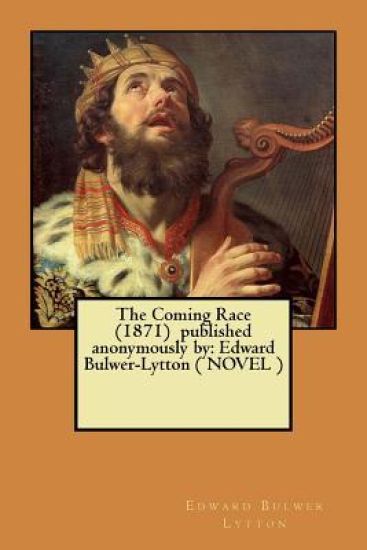
Full text. The Coming Race (also known as Vril, the Power of the Coming Race)is a powerful novel that fired the imagination of readers starting in the 1870's. Among the earliest examples of what would become the genre of science fiction, among many authors it influenced H. G. Wells, Samuel Butler, and Edgar Rice Burroughs. The book tells the story of a young American adventurer who discovers a portal to an underground world at the bottom of a mine shaft. In this world lives a highly advanced race, with a dark secret. Quote: Our public libraries contain all the books of the past which time has preserved; those books, for the reasons above stated, are infinitely better than any can write nowadays, and they are open to all to read without cost. We are not such fools as to pay for reading inferior books, when we can read superior books for nothing.