Kirjojen hintavertailu – 12 903 725 kirjaa ja 27 kauppaa

Kirjailija

Edward Bulwer Lytton

Kirjat ja teokset yhdessä paikassa: 796 kirjaa, julkaisuja vuosilta 1990–2026, suosituimpiin kuuluu Lucretia. Vertaile teosten hintoja ja tarkista saatavuus suomalaisista kirjakaupoista.

Nimi esiintyy myös muodoissa: Edward Bulwer-Lytton, Edward Bulwer- Lytton, Edward Bulwer -Lytton

796 kirjaa

Kirjojen julkaisuvuodet: 1990–2026.

Paul Clifford, and Tomlinsoniana (Esprios Classics)
Edward George Earl Bulwer-Lytton, 1st Baron Lytton (1803-1873) was an English novelist, playwright, and politician. Bulwer-Lytton's literary career began in 1820, with the publication of his first book of poems. He wrote in a variety of genres, including historical fiction, mystery, romance, the occult, and science fiction. In 1828 he attracted general attention with Pelham, a humourous, intimate study of the dandyism of the age which kept gossips busy in identifying characters with public figures of the time. By 1833, he had reached the height of his popularity with Godolphin, followed by The Pilgrims of the Rhine (1834), The Last Days of Pompeii (1834), Rienzi: The Last of the Roman Tribunes (1835), and Harold: The Last of the Saxon Kings (1848).

The Lady of Lyons (Esprios Classics)

The Lady of Lyons (Esprios Classics)

Edward Bulwer-Lytton

Blurb
2025
pokkari
Edward George Earl Bulwer-Lytton, 1st Baron Lytton (1803-1873) was an English novelist, playwright, and politician. Bulwer-Lytton's literary career began in 1820, with the publication of his first book of poems. He wrote in a variety of genres, including historical fiction, mystery, romance, the occult, and science fiction. In 1828 he attracted general attention with Pelham, a humourous, intimate study of the dandyism of the age which kept gossips busy in identifying characters with public figures of the time. By 1833, he had reached the height of his popularity with Godolphin, followed by The Pilgrims of the Rhine (1834), The Last Days of Pompeii (1834), Rienzi: The Last of the Roman Tribunes (1835), and Harold: The Last of the Saxon Kings (1848).

Falkland (Esprios Classics)

Falkland (Esprios Classics)

Edward Bulwer-Lytton

Blurb
2025
pokkari
Edward George Earl Bulwer-Lytton, 1st Baron Lytton (1803-1873) was an English novelist, playwright, and politician. Bulwer-Lytton's literary career began in 1820, with the publication of his first book of poems. He wrote in a variety of genres, including historical fiction, mystery, romance, the occult, and science fiction. In 1828 he attracted general attention with Pelham, a humourous, intimate study of the dandyism of the age which kept gossips busy in identifying characters with public figures of the time. By 1833, he had reached the height of his popularity with Godolphin, followed by The Pilgrims of the Rhine (1834), The Last Days of Pompeii (1834), Rienzi: The Last of the Roman Tribunes (1835), and Harold: The Last of the Saxon Kings (1848).

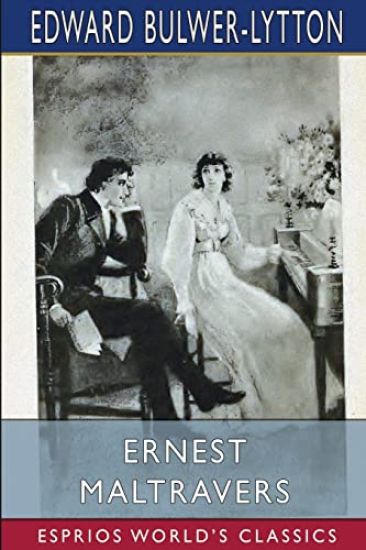
Ernest Maltravers (Esprios Classics)

Ernest Maltravers (Esprios Classics)

Edward Bulwer-Lytton

Blurb
2025
pokkari
Edward George Earl Bulwer-Lytton, 1st Baron Lytton (1803-1873) was an English novelist, playwright, and politician. Bulwer-Lytton's literary career began in 1820, with the publication of his first book of poems. He wrote in a variety of genres, including historical fiction, mystery, romance, the occult, and science fiction. In 1828 he attracted general attention with Pelham, a humourous, intimate study of the dandyism of the age which kept gossips busy in identifying characters with public figures of the time. By 1833, he had reached the height of his popularity with Godolphin, followed by The Pilgrims of the Rhine (1834), The Last Days of Pompeii (1834), Rienzi: The Last of the Roman Tribunes (1835), and Harold: The Last of the Saxon Kings (1848).

Leila (Esprios Classics)

Leila (Esprios Classics)

Edward Bulwer-Lytton

Blurb
2025
pokkari
Edward George Earl Bulwer-Lytton, 1st Baron Lytton (1803-1873) was an English novelist, playwright, and politician. Bulwer-Lytton's literary career began in 1820, with the publication of his first book of poems. He wrote in a variety of genres, including historical fiction, mystery, romance, the occult, and science fiction. In 1828 he attracted general attention with Pelham, a humourous, intimate study of the dandyism of the age which kept gossips busy in identifying characters with public figures of the time. By 1833, he had reached the height of his popularity with Godolphin, followed by The Pilgrims of the Rhine (1834), The Last Days of Pompeii (1834), Rienzi: The Last of the Roman Tribunes (1835), and Harold: The Last of the Saxon Kings (1848).