

Kirjailija
Emile Gaboriau
Kirjat ja teokset yhdessä paikassa: 604 kirjaa, julkaisuja vuosilta 2004–2026, suosituimpiin kuuluu Monsieur Lecoq. Vertaile teosten hintoja ja tarkista saatavuus suomalaisista kirjakaupoista.
Nimi esiintyy myös muodoissa: Émile Gaboriau
604 kirjaa
Kirjojen julkaisuvuodet: 2004–2026.

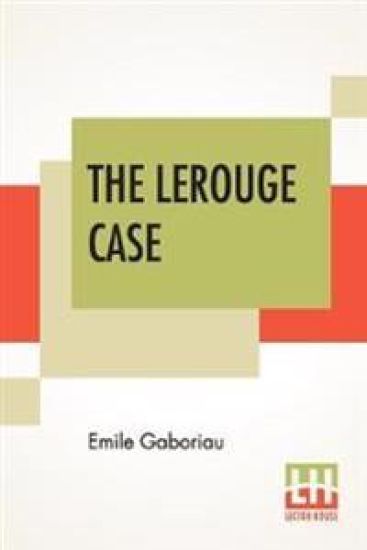
This book is a result of an effort made by us towards making a contribution to the preservation and repair of original classic literature. In an attempt to preserve, improve and recreate the original content, we have worked towards: 1. Type-setting & Reformatting: The complete work has been re-designed via professional layout, formatting and type-setting tools to re-create the same edition with rich typography, graphics, high quality images, and table elements, giving our readers the feel of holding a 'fresh and newly' reprinted and/or revised edition, as opposed to other scanned & printed (Optical Character Recognition - OCR) reproductions. 2. Correction of imperfections: As the work was re-created from the scratch, therefore, it was vetted to rectify certain conventional norms with regard to typographical mistakes, hyphenations, punctuations, blurred images, missing content/pages, and/or other related subject matters, upon our consideration. Every attempt was made to rectify the imperfections related to omitted constructs in the original edition via other references. However, a few of such imperfections which could not be rectified due to intentional\unintentional omission of content in the original edition, were inherited and preserved from the original work to maintain the authenticity and construct, relevant to the work. We believe that this work holds historical, cultural and/or intellectual importance in the literary works community, therefore despite the oddities, we accounted the work for print as a part of our continuing effort towards preservation of literary work and our contribution towards the development of the society as a whole, driven by our beliefs. We are grateful to our readers for putting their faith in us and accepting our imperfections with regard to preservation of the historical content. HAPPY READING
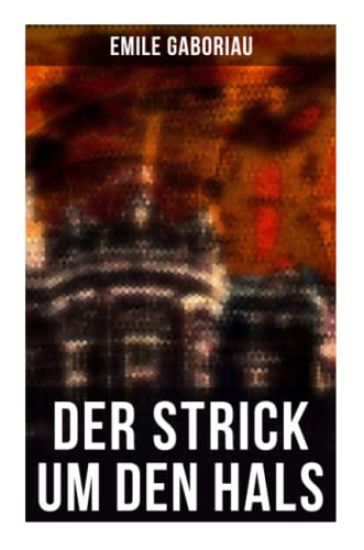
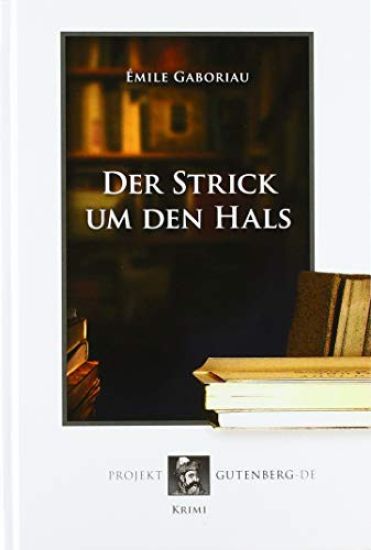
Emile Gaboriaus "Der Strick um den Hals" ist ein faszinierender Kriminalroman, der in der Tradition des franz sischen Realismus verankert ist und seine Leser in die d stere Welt des Verbrechens und der menschlichen Psyche eintauchen l sst. Mit pr ziser und lebendiger Sprache beschreibt Gaboriau die Ermittlung eines mysteri sen Mordes, dessen Aufkl rung den Leser mit jeder Seite in seinen Bann zieht. Der Roman gl nzt durch seine akribischen Details und einen spannenden Plot, der die Grenzen zwischen Recht und Unrecht, Wahrheit und T uschung verschwimmen l sst. Gaboriau erschafft ein dichtes Netz aus Intrigen und Verd chtigungen, sodass der Leser bis zur letzten Seite im Ungewissen bleibt. Emile Gaboriau, einer der Pioniere des Kriminalromans, wurde im 19. Jahrhundert geboren und pr gte die literarische Landschaft seiner Zeit ma geblich. Sein Interesse f r die Ermittlungsarbeit und die Psychologie von Gangstern und Ermittlern resultierte aus seiner eigenen Erfahrung als Journalist. Diese Hintergr nde versetzen ihn in die Lage, komplexe Charaktere zu erschaffen, die sowohl tragisch als auch nachvollziehbar sind, und bringen authentische Einblicke in die gesellschaftlichen Strukturen jener Zeit. "Der Strick um den Hals" ist ein Muss f r Liebhaber des Kriminalgenres und f r alle, die an der Entwicklung der Literatur interessiert sind. Gaboriaus Meisterwerk fordert seine Leser auf, ber moralische Dilemmata nachzudenken und l dt dazu ein, die menschliche Natur in all ihren Facetten zu erkunden. Ein fesselndes Buch, das sowohl historische als auch psychologische Elemente vereint und somit einen zeitlosen Reiz aus bt.

This book is a result of an effort made by us towards making a contribution to the preservation and repair of original classic literature. In an attempt to preserve, improve and recreate the original content, we have worked towards: 1. Type-setting & Reformatting: The complete work has been re-designed via professional layout, formatting and type-setting tools to re-create the same edition with rich typography, graphics, high quality images, and table elements, giving our readers the feel of holding a 'fresh and newly' reprinted and/or revised edition, as opposed to other scanned & printed (Optical Character Recognition - OCR) reproductions. 2. Correction of imperfections: As the work was re-created from the scratch, therefore, it was vetted to rectify certain conventional norms with regard to typographical mistakes, hyphenations, punctuations, blurred images, missing content/pages, and/or other related subject matters, upon our consideration. Every attempt was made to rectify the imperfections related to omitted constructs in the original edition via other references. However, a few of such imperfections which could not be rectified due to intentional\unintentional omission of content in the original edition, were inherited and preserved from the original work to maintain the authenticity and construct, relevant to the work. We believe that this work holds historical, cultural and/or intellectual importance in the literary works community, therefore despite the oddities, we accounted the work for print as a part of our continuing effort towards preservation of literary work and our contribution towards the development of the society as a whole, driven by our beliefs. We are grateful to our readers for putting their faith in us and accepting our imperfections with regard to preservation of the historical content. HAPPY READING
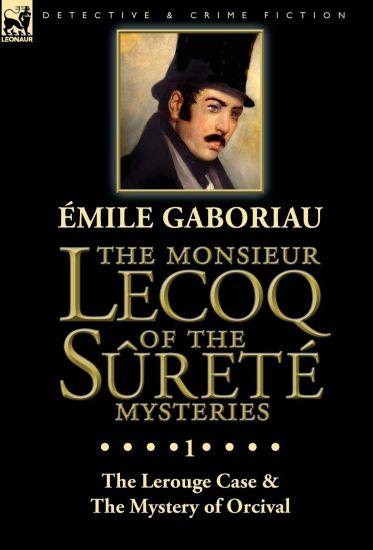
Volume one of the collected cases of one of the first fictional detectivesMonsieur Lecoq is one of the earliest fictional detectives and his success with the reading public undoubtedly influenced Sir Arthur Conan Doyle in the creation of his more renowned fictional detective, Sherlock Holmes. Lecoq, who was based on the actual former criminal turned police officer, Eugene Vidocq, was the creation of Emile Gaboriau (1832-73), a French author who had tried his hand at several genres before he became a pioneer of 'detective fiction'. 'The Lerouge Case' (1866) catapulted him to almost instantaneous fame. His reputation secured, more Lecoq stories followed and earned Gaboriau a substantial international readership, though this was diminished by the arrival of the Sherlock Holmes stories. Nevertheless, Gaboriau continued to write crime novels and enjoyed considerable success especially in France until his untimely death (aged just 40 years) from pulmonary apoplexy. In common with the life of the character upon whom he is based, Lecoq has a dark side to his personality which contrasts sharply with the usual unambiguously moral personalities of most of the great detectives in this genre. He has, however, the obligatory foil in the person of Taberet, an 'armchair detective' who acts as mentor to Lecoq and provides intellectual assistance to solve crimes without leaving his own bed. Unlike Holmes, Lecoq is not a private detective but an officer of the French Surete or La Surete Nationale which initially served as the detective branch of the Paris police force and was in fact created in 1812 by Vidocq who was its director until 1827. This Leonaur collection brings together all the Lecoq cases into one four volume edition for modern readers to enjoy. In volume one readers will discover, 'The Lerouge Case' and 'The Mystery of Orcival'. Leonaur editions are newly typeset and are not facsimiles; each title is available in softcover and hardback with dustjacket; our hardbacks are cloth bound and feature gold foil lettering on their spines and fabric head and tail bands.
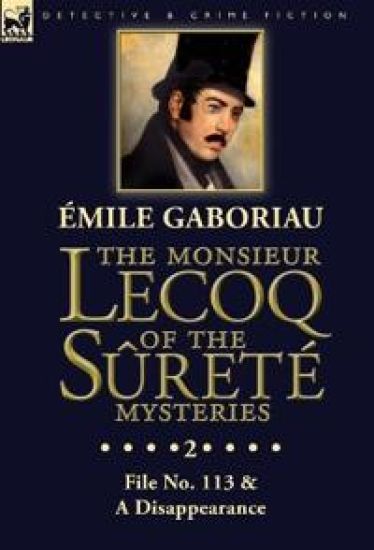
The second volume of the investigations of a 19th century French police detectiveMonsieur Lecoq is one of the earliest fictional detectives and his success with the reading public undoubtedly influenced Sir Arthur Conan Doyle in the creation of his more renowned fictional detective, Sherlock Holmes. Lecoq, who was based on the actual former criminal turned police officer, Eugene Vidocq, was the creation of Emile Gaboriau (1832-73), a French author who had tried his hand at several genres before he became a pioneer of 'detective fiction'. 'The Lerouge Case' (1866) catapulted him to almost instantaneous fame. His reputation secured, more Lecoq stories followed and earned Gaboriau a substantial international readership, though this was diminished by the arrival of the Sherlock Holmes stories. Nevertheless, Gaboriau continued to write crime novels and enjoyed considerable success especially in France until his untimely death (aged just 40 years) from pulmonary apoplexy. In common with the life of the character upon whom he is based, Lecoq has a dark side to his personality which contrasts sharply with the usual unambiguously moral personalities of most of the great detectives in this genre. He has, however, the obligatory foil in the person of Taberet, an 'armchair detective' who acts as mentor to Lecoq and provides intellectual assistance to solve crimes without leaving his own bed. Unlike Holmes, Lecoq is not a private detective but an officer of the French Surete or La Surete Nationale which initially served as the detective branch of the Paris police force and was in fact created in 1812 by Vidocq who was its director until 1827. This Leonaur collection brings together all the Lecoq cases into one four volume edition for modern readers to enjoy. In volume two readers will discover, 'File No. 113' and 'A Disappearance', Leonaur editions are newly typeset and are not facsimiles; each title is available in softcover and hardback with dustjacket.
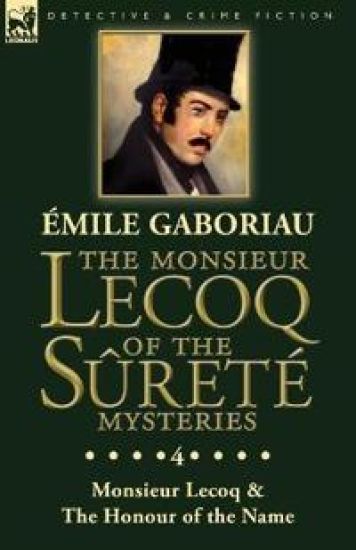
The final volume of a special collection of the complete Lecoq storiesMonsieur Lecoq is one of the earliest fictional detectives and his success with the reading public undoubtedly influenced Sir Arthur Conan Doyle in the creation of his more renowned fictional detective, Sherlock Holmes. Lecoq, who was based on the actual former criminal turned police officer, Eugene Vidocq, was the creation of Emile Gaboriau (1832-73), a French author who had tried his hand at several genres before he became a pioneer of 'detective fiction'. 'The Lerouge Case' (1866) catapulted him to almost instantaneous fame. His reputation secured, more Lecoq stories followed and earned Gaboriau a substantial international readership, though this was diminished by the arrival of the Sherlock Holmes stories. Nevertheless, Gaboriau continued to write crime novels and enjoyed considerable success especially in France until his untimely death (aged just 40 years) from pulmonary apoplexy. In common with the life of the character upon whom he is based, Lecoq has a dark side to his personality which contrasts sharply with the usual unambiguously moral personalities of most of the great detectives in this genre. He has, however, the obligatory foil in the person of Taberet, an 'armchair detective' who acts as mentor to Lecoq and provides intellectual assistance to solve crimes without leaving his own bed. Unlike Holmes, Lecoq is not a private detective but an officer of the French Surete or La Surete Nationale which initially served as the detective branch of the Paris police force and was in fact created in 1812 by Vidocq who was its director until 1827. This Leonaur collection brings together all the Lecoq cases into one four volume edition for modern readers to enjoy. In volume four readers will discover, 'Monsieur Lecoq' and 'The Honour of the Name'. Leonaur editions are newly typeset and are not facsimiles; each title is available in softcover and hardback with dustjacket; our hardbacks are cloth bound and feature gold foil lettering on their spines and fabric head and tail bands.
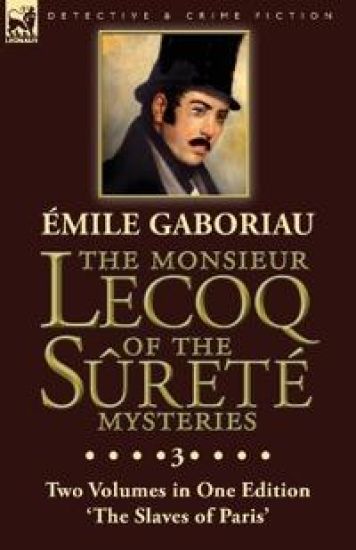
Originally published in two volumes--a special single volume Lecoq editionMonsieur Lecoq is one of the earliest fictional detectives and his success with the reading public undoubtedly influenced Sir Arthur Conan Doyle in the creation of his more renowned fictional detective, Sherlock Holmes. Lecoq, who was based on the actual former criminal turned police officer, Eugene Vidocq, was the creation of Emile Gaboriau (1832-73), a French author who had tried his hand at several genres before he became a pioneer of 'detective fiction'. 'The Lerouge Case' (1866) catapulted him to almost instantaneous fame. His reputation secured, more Lecoq stories followed and earned Gaboriau a substantial international readership, though this was diminished by the arrival of the Sherlock Holmes stories. Nevertheless, Gaboriau continued to write crime novels and enjoyed considerable success especially in France until his untimely death (aged just 40 years) from pulmonary apoplexy. In common with the life of the character upon whom he is based, Lecoq has a dark side to his personality which contrasts sharply with the usual unambiguously moral personalities of most of the great detectives in this genre. He has, however, the obligatory foil in the person of Taberet, an 'armchair detective' who acts as mentor to Lecoq and provides intellectual assistance to solve crimes without leaving his own bed. Unlike Holmes, Lecoq is not a private detective but an officer of the French Surete or La Surete Nationale which initially served as the detective branch of the Paris police force and was in fact created in 1812 by Vidocq who was its director until 1827. This Leonaur collection brings together all the Lecoq cases into one four volume edition for modern readers to enjoy. In volume two readers will discover, In volume three readers will discover a two volume work in one edition, 'The Slaves of Paris'. Leonaur editions are newly typeset and are not facsimiles; each title is available in softcover and hardback with dustjacket.
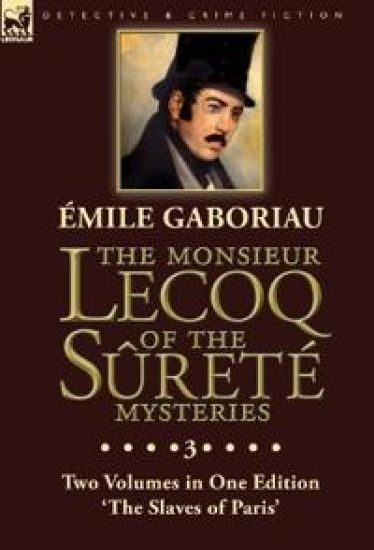
Originally published in two volumes--a special single volume Lecoq editionMonsieur Lecoq is one of the earliest fictional detectives and his success with the reading public undoubtedly influenced Sir Arthur Conan Doyle in the creation of his more renowned fictional detective, Sherlock Holmes. Lecoq, who was based on the actual former criminal turned police officer, Eugene Vidocq, was the creation of Emile Gaboriau (1832-73), a French author who had tried his hand at several genres before he became a pioneer of 'detective fiction'. 'The Lerouge Case' (1866) catapulted him to almost instantaneous fame. His reputation secured, more Lecoq stories followed and earned Gaboriau a substantial international readership, though this was diminished by the arrival of the Sherlock Holmes stories. Nevertheless, Gaboriau continued to write crime novels and enjoyed considerable success especially in France until his untimely death (aged just 40 years) from pulmonary apoplexy. In common with the life of the character upon whom he is based, Lecoq has a dark side to his personality which contrasts sharply with the usual unambiguously moral personalities of most of the great detectives in this genre. He has, however, the obligatory foil in the person of Taberet, an 'armchair detective' who acts as mentor to Lecoq and provides intellectual assistance to solve crimes without leaving his own bed. Unlike Holmes, Lecoq is not a private detective but an officer of the French Surete or La Surete Nationale which initially served as the detective branch of the Paris police force and was in fact created in 1812 by Vidocq who was its director until 1827. This Leonaur collection brings together all the Lecoq cases into one four volume edition for modern readers to enjoy. In volume two readers will discover, In volume three readers will discover a two volume work in one edition, 'The Slaves of Paris'. Leonaur editions are newly typeset and are not facsimiles; each title is available in softcover and hardback with dustjacket.
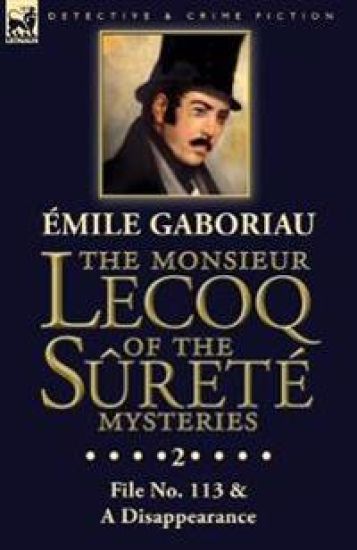
The second volume of the investigations of a 19th century French police detectiveMonsieur Lecoq is one of the earliest fictional detectives and his success with the reading public undoubtedly influenced Sir Arthur Conan Doyle in the creation of his more renowned fictional detective, Sherlock Holmes. Lecoq, who was based on the actual former criminal turned police officer, Eugene Vidocq, was the creation of Emile Gaboriau (1832-73), a French author who had tried his hand at several genres before he became a pioneer of 'detective fiction'. 'The Lerouge Case' (1866) catapulted him to almost instantaneous fame. His reputation secured, more Lecoq stories followed and earned Gaboriau a substantial international readership, though this was diminished by the arrival of the Sherlock Holmes stories. Nevertheless, Gaboriau continued to write crime novels and enjoyed considerable success especially in France until his untimely death (aged just 40 years) from pulmonary apoplexy. In common with the life of the character upon whom he is based, Lecoq has a dark side to his personality which contrasts sharply with the usual unambiguously moral personalities of most of the great detectives in this genre. He has, however, the obligatory foil in the person of Taberet, an 'armchair detective' who acts as mentor to Lecoq and provides intellectual assistance to solve crimes without leaving his own bed. Unlike Holmes, Lecoq is not a private detective but an officer of the French Surete or La Surete Nationale which initially served as the detective branch of the Paris police force and was in fact created in 1812 by Vidocq who was its director until 1827. This Leonaur collection brings together all the Lecoq cases into one four volume edition for modern readers to enjoy. In volume two readers will discover, 'File No. 113' and 'A Disappearance', Leonaur editions are newly typeset and are not facsimiles; each title is available in softcover and hardback with dustjacket.
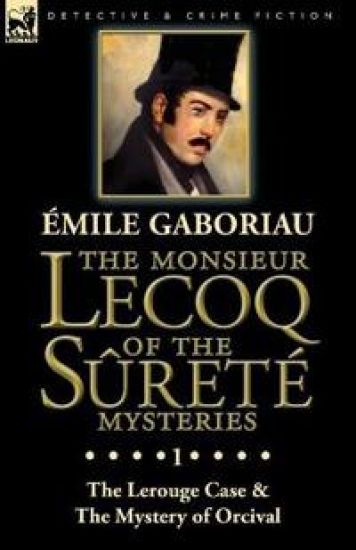
Volume one of the collected cases of one of the first fictional detectivesMonsieur Lecoq is one of the earliest fictional detectives and his success with the reading public undoubtedly influenced Sir Arthur Conan Doyle in the creation of his more renowned fictional detective, Sherlock Holmes. Lecoq, who was based on the actual former criminal turned police officer, Eugene Vidocq, was the creation of Emile Gaboriau (1832-73), a French author who had tried his hand at several genres before he became a pioneer of 'detective fiction'. 'The Lerouge Case' (1866) catapulted him to almost instantaneous fame. His reputation secured, more Lecoq stories followed and earned Gaboriau a substantial international readership, though this was diminished by the arrival of the Sherlock Holmes stories. Nevertheless, Gaboriau continued to write crime novels and enjoyed considerable success especially in France until his untimely death (aged just 40 years) from pulmonary apoplexy. In common with the life of the character upon whom he is based, Lecoq has a dark side to his personality which contrasts sharply with the usual unambiguously moral personalities of most of the great detectives in this genre. He has, however, the obligatory foil in the person of Taberet, an 'armchair detective' who acts as mentor to Lecoq and provides intellectual assistance to solve crimes without leaving his own bed. Unlike Holmes, Lecoq is not a private detective but an officer of the French Surete or La Surete Nationale which initially served as the detective branch of the Paris police force and was in fact created in 1812 by Vidocq who was its director until 1827. This Leonaur collection brings together all the Lecoq cases into one four volume edition for modern readers to enjoy. In volume one readers will discover, 'The Lerouge Case' and 'The Mystery of Orcival'. Leonaur editions are newly typeset and are not facsimiles; each title is available in softcover and hardback with dustjacket; our hardbacks are cloth bound and feature gold foil lettering on their spines and fabric head and tail bands.
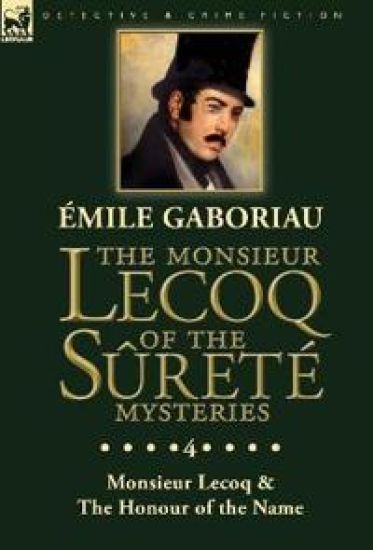
The final volume of a special collection of the complete Lecoq storiesMonsieur Lecoq is one of the earliest fictional detectives and his success with the reading public undoubtedly influenced Sir Arthur Conan Doyle in the creation of his more renowned fictional detective, Sherlock Holmes. Lecoq, who was based on the actual former criminal turned police officer, Eugene Vidocq, was the creation of Emile Gaboriau (1832-73), a French author who had tried his hand at several genres before he became a pioneer of 'detective fiction'. 'The Lerouge Case' (1866) catapulted him to almost instantaneous fame. His reputation secured, more Lecoq stories followed and earned Gaboriau a substantial international readership, though this was diminished by the arrival of the Sherlock Holmes stories. Nevertheless, Gaboriau continued to write crime novels and enjoyed considerable success especially in France until his untimely death (aged just 40 years) from pulmonary apoplexy. In common with the life of the character upon whom he is based, Lecoq has a dark side to his personality which contrasts sharply with the usual unambiguously moral personalities of most of the great detectives in this genre. He has, however, the obligatory foil in the person of Taberet, an 'armchair detective' who acts as mentor to Lecoq and provides intellectual assistance to solve crimes without leaving his own bed. Unlike Holmes, Lecoq is not a private detective but an officer of the French Surete or La Surete Nationale which initially served as the detective branch of the Paris police force and was in fact created in 1812 by Vidocq who was its director until 1827. This Leonaur collection brings together all the Lecoq cases into one four volume edition for modern readers to enjoy. In volume four readers will discover, 'Monsieur Lecoq' and 'The Honour of the Name'. Leonaur editions are newly typeset and are not facsimiles; each title is available in softcover and hardback with dustjacket; our hardbacks are cloth bound and feature gold foil lettering on their spines and fabric head and tail bands.

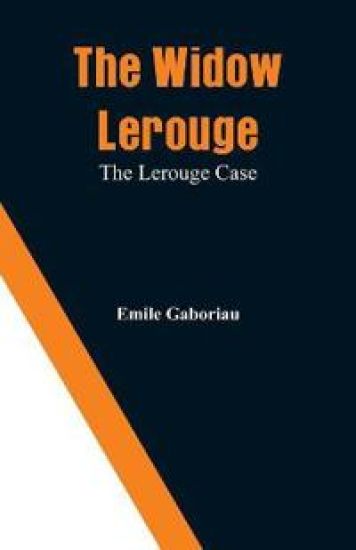
This book has been considered by academicians and scholars of great significance and value to literature. This forms a part of the knowledge base for future generations. We havent used any OCR or photocopy to produce this book. The whole book has been typeset again to produce it without any errors or poor pictures and errant marks.
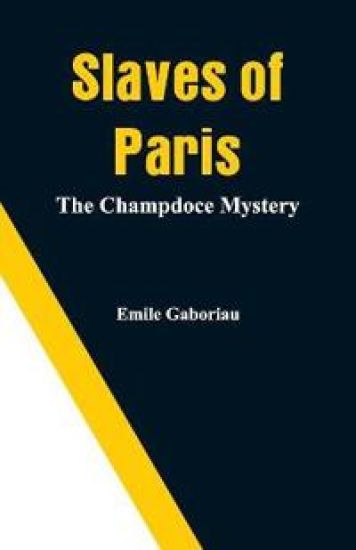
This book has been considered by academicians and scholars of great significance and value to literature. This forms a part of the knowledge base for future generations. We havent used any OCR or photocopy to produce this book. The whole book has been typeset again to produce it without any errors or poor pictures and errant marks.
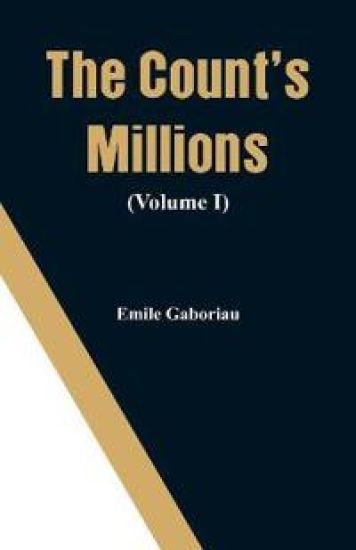
This book has been considered by academicians and scholars of great significance and value to literature. This forms a part of the knowledge base for future generations. We havent used any OCR or photocopy to produce this book. The whole book has been typeset again to produce it without any errors or poor pictures and errant marks.