

Kirjojen hintavertailu – 12 903 724 kirjaa ja 27 kauppaa

Kirjailija

Emily Lambert

Kirjat ja teokset yhdessä paikassa: 2 kirjaa, julkaisuja vuosilta 2012–2021, suosituimpiin kuuluu Break Free from Intrusive Thoughts: An Evidence-Based Guide for Managing Fear and Finding Peace. Vertaile teosten hintoja ja tarkista saatavuus suomalaisista kirjakaupoista.

2 kirjaa

Kirjojen julkaisuvuodet: 2012–2021.

Break Free from Intrusive Thoughts: An Evidence-Based Guide for Managing Fear and Finding Peace
Proven strategies to move through intrusive thoughts and live your best life Intrusive thoughts are disturbing thoughts or images that appear out of nowhere and make it hard to go about your day, especially in tandem with other anxiety disorders. Break Free from Intrusive Thoughts is a sensitive, modern guide to developing a more accepting relationship with them so you can stop them from holding you back. The truth about intrusive thoughts--Learn what intrusive thoughts are, what causes them, and what they really mean. Different recovery techniques--Explore a range of therapy techniques, including Cognitive Behavioral Therapy, Exposure and Response Prevention, Acceptance and Commitment Therapy, and mindfulness. Hands-on healing--Get unstuck from unhelpful thinking patterns through exercises like writing out your fears and labeling your emotions, so you can accept your intrusive thoughts and let them pass. Learn how to call a truce with your intrusive thoughts and get back to your life.
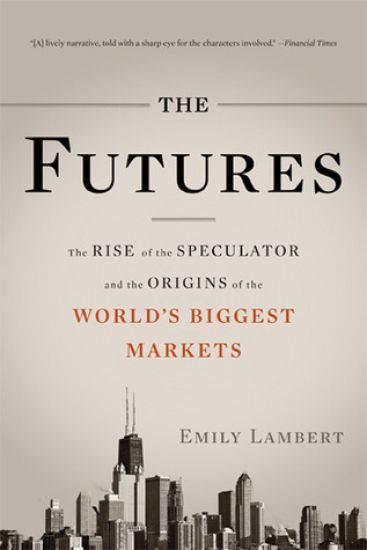
The Futures

The Futures

Emily Lambert

Basic Books
2012
pokkari
In The Futures , Forbes magazine senior writer Emily Lambert tells the rich and dramatic history of the Chicago Mercantile Exchange and Chicago Board of Trade, the original futures market. Commodities exchanges have become some of the largest financial markets in our global economic system, yet the exchanges themselves and the speculators who run them remain largely misunderstood, as does their chief instrument: the futures contract. Lambert describes the emergence of the futures business as a kind of meeting place for gamblers and farmers that subsequently transformed into a sophisticated electronic market, one where contracts are traded at lightning-fast speeds. When Wall Street adopted the futures contract without the rules and close-knit social bonds that had made trading it in Chicago work so well, however, the effects were disastrous. But, as Lambert argues, the traditional futures market,with its written and cultural limits,can serve as a useful example of how markets ought to work, thereby becoming a tonic for our current financial ills.