
Kirjailija
Francis Bacon
Kirjat ja teokset yhdessä paikassa: 609 kirjaa, julkaisuja vuosilta 1810–2026, suosituimpiin kuuluu La Nueva Atlántida: Spanish Version. Vertaile teosten hintoja ja tarkista saatavuus suomalaisista kirjakaupoista.
609 kirjaa
Kirjojen julkaisuvuodet: 1810–2026.
La Nueva Atl ntida es una novela ut pica escrita por Francis Bacon en 1626. Describe una tierra m tica, Bensalem, a la que l viaja. Narra la descripci n que hace un de sus hombres sabios de su m todo para realizar invenciones. En Bensalem, el matrimonio y la familia son la base de la sociedad y los lazos familiares se celebran en fiestas esponsorizadas por el estado. Los mejores y m s brillantes de los ciudadanos de Bensalem pertenecen a un centro de ense anza denominada La Casa de Salom n, donde se llevan a cabo experimentos cient ficos seg n lo m todo baconiano de inducci n, con el objetivo de comprender y conquistar la natura para poder aplicar el conocimiento obtenido para la mejora de la sociedad. En Bensalem, el conocimiento es considerado como el m s preciado de sus tesoros. Es por eso que en el pasaje m s conocido de la obra se refieren a los investigadores con las palabras: "Estas son, hijo m o, las riquezas de la Casa de Salom n."
Valerius Terminus; of the Interpretation of Nature
Francis Bacon
Bottom of the Hill Publishing
2012
pokkari
Francis Bacon (1561–1626), the English philosopher, statesman and jurist, is best known for developing the empiricist method which forms the basis of modern science. Bacon's writings concentrated on philosophy and judicial reform. His most significant work is the Instauratio Magna comprising two parts - The Advancement of Learning and the Novum Organum. The first part is noteworthy as the first major philosophical work published in English (1605). James Spedding (1808–81) and his co-editors arranged this fourteen-volume edition, published in London between 1857 and 1874, not in chronological order but by subject matter, so that different volumes would appeal to different audiences. The material is divided into three parts: philosophy and general literature; legal works; and letters, speeches and tracts relating to politics. Volume 5, published in 1858, contains the English translations of the remainder of the Instauratio Magna and his other philosophical writings.
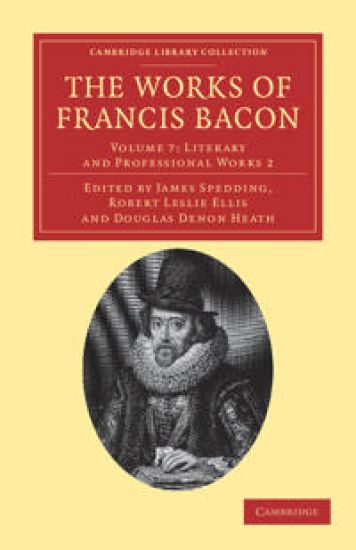
Francis Bacon (1561–1626), the English philosopher, statesman and jurist, is best known for developing the empiricist method which forms the basis of modern science. Bacon's writings concentrated on philosophy and judicial reform. His most significant work is the Instauratio Magna comprising two parts - The Advancement of Learning and the Novum Organum. The first part is noteworthy as the first major philosophical work published in English (1605). James Spedding (1808–81) and his co-editors arranged this fourteen-volume edition, published in London between 1857 and 1874, not in chronological order but by subject matter, so that different volumes would appeal to different audiences. The material is divided into three parts: philosophy and general literature; legal works; and letters, speeches and tracts relating to politics. Volume 7, published in 1859, continues Bacon's literary works including his writings on religion, and contains his professional works on the law.
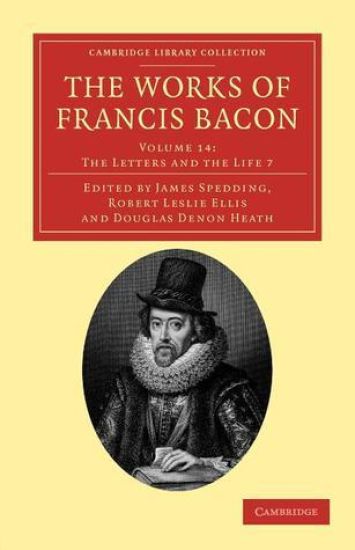
Francis Bacon (1561–1626), the English philosopher, statesman and jurist, is best known for developing the empiricist method which forms the basis of modern science. Bacon's writings concentrated on philosophy and judicial reform. His most significant work is the Instauratio Magna comprising two parts - The Advancement of Learning and the Novum Organum. The first part is noteworthy as the first major philosophical work published in English (1605). James Spedding (1808–81) and his co-editors arranged this fourteen-volume edition, published in London between 1857 and 1874, not in chronological order but by subject matter, so that different volumes would appeal to different audiences. The material is divided into three parts: philosophy and general literature; legal works; and letters, speeches and tracts relating to politics. Volume 14, published in 1874, contains Bacon's papers from 1619 until his death, including his will, papers about his impeachment, and his treatise on English laws.
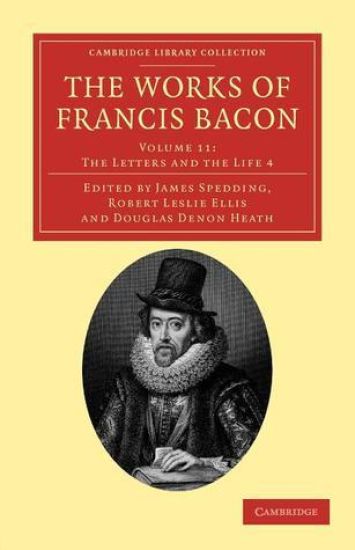
Francis Bacon (1561–1626), the English philosopher, statesman and jurist, is best known for developing the empiricist method which forms the basis of modern science. Bacon's writings concentrated on philosophy and judicial reform. His most significant work is the Instauratio Magna comprising two parts - The Advancement of Learning and the Novum Organum. The first part is noteworthy as the first major philosophical work published in English (1605). James Spedding (1808–81) and his co-editors arranged this fourteen-volume edition, published in London between 1857 and 1874, not in chronological order but by subject matter, so that different volumes would appeal to different audiences. The material is divided into three parts: philosophy and general literature; legal works; and letters, speeches and tracts relating to politics. Volume 11, published in 1868, contains Bacon's political writings and letters from 1608 to 1613, including his treatise on the Irish plantations presented to King James I.
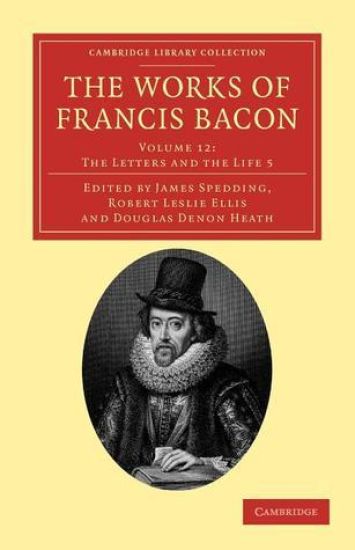
Francis Bacon (1561–1626), the English philosopher, statesman and jurist, is best known for developing the empiricist method which forms the basis of modern science. Bacon's writings concentrated on philosophy and judicial reform. His most significant work is the Instauratio Magna comprising two parts - The Advancement of Learning and the Novum Organum. The first part is noteworthy as the first major philosophical work published in English (1605). James Spedding (1808–81) and his co-editors arranged this fourteen-volume edition, published in London between 1857 and 1874, not in chronological order but by subject matter, so that different volumes would appeal to different audiences. The material is divided into three parts: philosophy and general literature; legal works; and letters, speeches and tracts relating to politics. Published in 1869, Volume 12 contains Bacon's letters and writings between 1613 and 1616, which primarily relate to his appointment as Attorney General.