Kirjojen hintavertailu – 12 859 828 kirjaa ja 27 kauppaa
Kirjailija
Frederick Douglass
Kirjat ja teokset yhdessä paikassa: 442 kirjaa, julkaisuja vuosilta 1845–2026, suosituimpiin kuuluu Narrative of the Life of Frederick Douglass. Vertaile teosten hintoja ja tarkista saatavuus suomalaisista kirjakaupoista.
In the month of August, 1841, I attended an anti-slavery convention in Nantucket, at which it was my happiness to become acquainted with Frederick Douglass, the writer of the following Narrative. He was a stranger to nearly every member of that body; but, having recently made his escape from the southern prison-house of bondage, and feeling his curiosity excited to ascertain the principles and measures of the abolitionists,
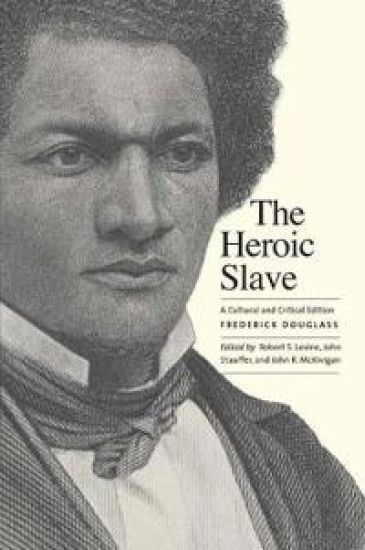
Frederick Douglass’s only work of fiction—an imaginative retelling of the most successful slave revolt in American history—accompanied by an interpretive introduction, notes, and a selection of related writings by Douglass and others First published nearly a decade prior to the Civil War, The Heroic Slave is the only fictional work by abolitionist, orator, author, and social reformer Frederick Douglass, himself a former slave. It is inspired by the true story of Madison Washington, who, along with eighteen others, took control of the slave ship Creole in November 1841 and sailed it to Nassau in the British colony of the Bahamas, where they could live free. This new critical edition, ideal for classroom use, includes the full text of Douglass’s fictional recounting of the most successful slave revolt in American history, as well as an interpretive introduction; excerpts from Douglass’s correspondence, speeches, and editorials; short selections by other writers on the Creole rebellion; and recent criticism on the novella.
In the month of August, 1841, I attended an anti-slavery convention in Nantucket, at which it was my happiness to become acquainted with Frederick Douglass, the writer of the following Narrative. He was a stranger to nearly every member of that body; but, having recently made his escape from the southern prison-house of bondage, and feeling his curiosity excited to ascertain the principles and measures of the abolitionists, -of whom he had heard a somewhat vague description while he was a slave, -he was induced to give his attendance, on the occasion alluded to, though at that time a resident in New Bedford. Fortunate, most fortunate occurrence -fortunate for the millions of his manacled brethren, yet panting for deliverance from their awful thraldom -fortunate for the cause of negro emancipation, and of universal liberty -fortunate for the land of his birth, which he has already done so much to save and bless -fortunate for a large circle of friends and acquaintances, whose sympathy and affection he has strongly secured by the many sufferings he has endured, by his virtuous traits of character, by his ever-abiding remembrance of those who are in bonds, as being bound with them -fortunate for the multitudes, in various parts of our republic, whose minds he has enlightened on the subject of slavery, and who have been melted to tears by his pathos, or roused to virtuous indignation by his stirring eloquence against the enslavers of men -fortunate for himself, as it at once brought him into the field of public usefulness, "gave the world assurance of a MAN," quickened the slumbering energies of his soul, and consecrated him to the great work of breaking the rod of the oppressor, and letting the oppressed go free I shall never forget his first speech at the convention-the extraordinary emotion it excited in my own mind-the powerful impression it created upon a crowded auditory, completely taken by surprise-the applause which followed from the beginning to the end of his felicitous remarks. I think I never hated slavery so intensely as at that moment; certainly, my perception of the enormous outrage which is inflicted by it, on the godlike nature of its victims, was rendered far more clear than ever. There stood one, in physical proportion and stature commanding and exact-in intellect richly endowed-in natural eloquence a prodigy-in soul manifestly "created but a little lower than the angels"-yet a slave, ay, a fugitive slave, -trembling for his safety, hardly daring to believe that on the American soil, a single white person could be found who would befriend him at all hazards, for the love of God and humanity Capable of high attainments as an intellectual and moral being-needing nothing but a comparatively small amount of cultivation to make him an ornament to society and a blessing to his race-by the law of the land, by the voice of the people, by the terms of the slave code, he was only a piece of property, a beast of burden, a chattel personal, nevertheless
An autobiography of author who was born into slavery in Maryland in 1818. He describes his life as a slave - the cruelty he suffered at the hands of plantation owners; his struggles to educate himself in a world where slaves are deliberately kept ignorant; and ultimately, his fight for his right to freedom.
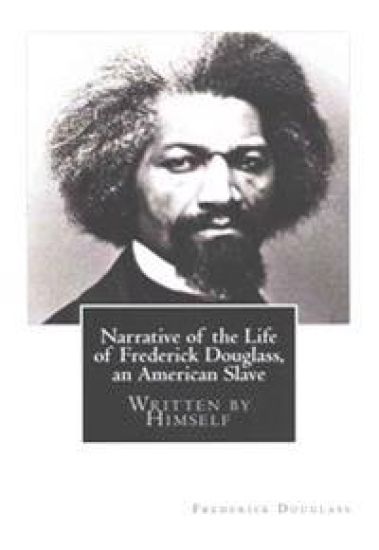
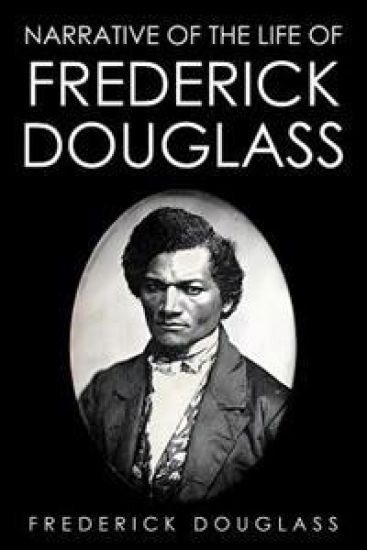
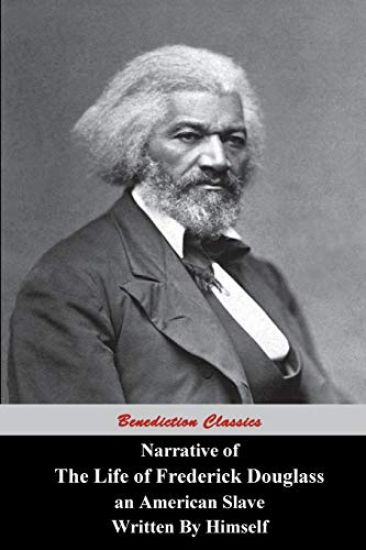
Narrative of the Life of Frederick Douglass is an 1845 memoir and treatise on abolition written by famous orator and former slave Frederick Douglass. It is generally held to be the most famous of a number of narratives written by former slaves during the same period. In factual detail, the text describes the events of his life and is considered to be one of the most influential pieces of literature to fuel the abolitionist movement of the early 19th century in the United States. Narrative of the Life of Frederick Douglass encompasses eleven chapters that recount Douglass' life as a slave and his ambition to become a free man.
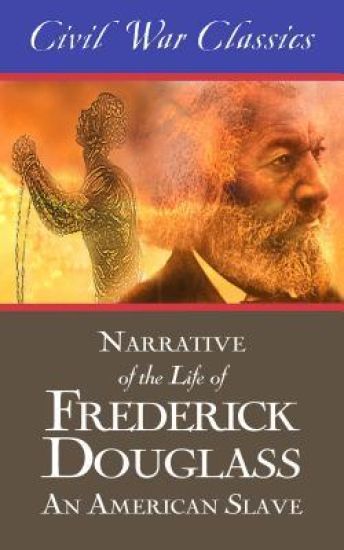
To commemorate the 150th Anniversary of the end of the Civil War, Diversion Books is publishing seminal works of the era: stories told by the men and women who led, who fought, and who lived in an America that had come apart at the seams. One of the most important figures of the Civil War, Frederick Douglass, was born into slavery but rose to become a tremendous orator, an impassioned abolitionist, and a representative of all who remained voiceless through slavery and oppression. His narrative resonates today with its eloquence, its incendiary history, and its profound and moving arguments for the humanity, and the equality, of Americans.
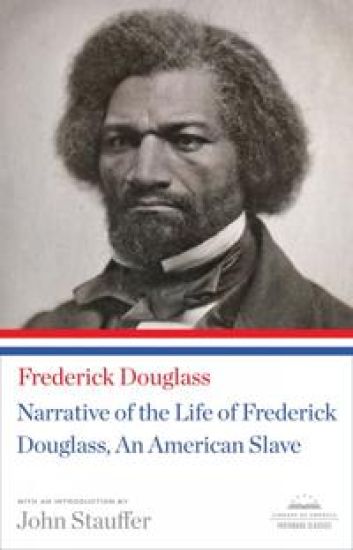
One of the greatest works of American autobiography, in a definitive Library of America text: Published seven years after his escape from slavery, Narrative of the Life of Frederick Douglass, an American Slave (1845) is a powerful account of the cruelty and oppression of the Maryland plantation culture into which Frederick Douglass was born. It brought him to the forefront of the antislavery movement and drew thousands, black and white, to the cause. Written in part as a response to skeptics who refused to believe that so articulate an orator could ever have been a slave, the Narrative reveals the eloquence and fierce intelligence that made Douglass a brilliantly effective spokesman for abolition and equal rights, as he shapes an inspiring vision of self-realization in the face of unimaginable odds.