
Kirjailija
Frederick Douglass
Kirjat ja teokset yhdessä paikassa: 442 kirjaa, julkaisuja vuosilta 1845–2026, suosituimpiin kuuluu Narrative of the Life of Frederick Douglass. Vertaile teosten hintoja ja tarkista saatavuus suomalaisista kirjakaupoista.
442 kirjaa
Kirjojen julkaisuvuodet: 1845–2026.
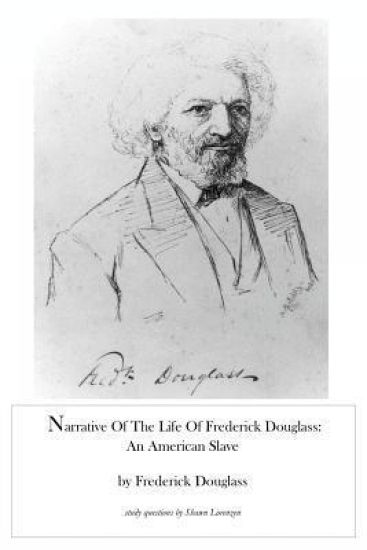
Narrative of the Life of Frederick Douglass: An American Slave
Frederick Douglass
Createspace Independent Publishing Platform
2013
nidottu
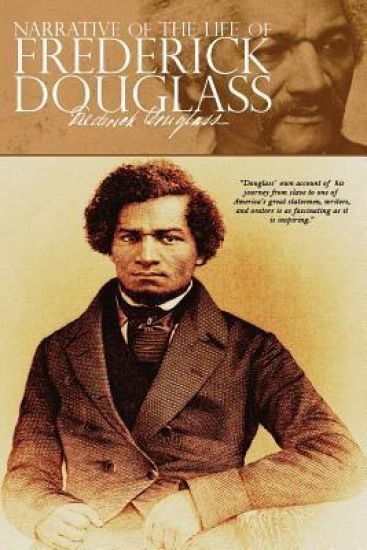
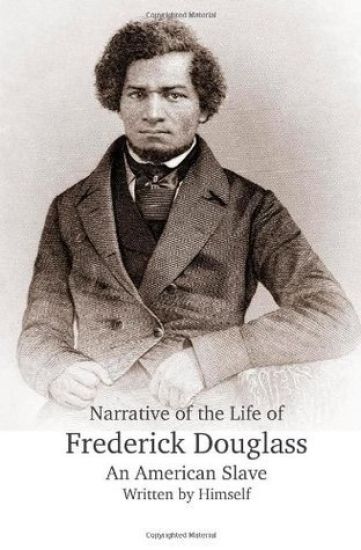
Narrative of the Life of Frederick Douglass, An American Slave, Written by Himself
Frederick Douglass
Fpp Classics
2013
nidottu
Narrative of the Life of Frederick Douglass is a memoir and treatise on abolition. In factual detail, the text describes the events of his life and is considered to be one of the most influential pieces of literature to fuel the abolitionist movement of the early 19th century in the United States. Narrative of the Life of Frederick Douglass encompasses eleven chapters that recount Douglass' life as a slave and his ambition to become a free man. Narrative of the Life of Frederick Douglass was published in 1845, and within four months of publication, five thousand copies were sold. By 1860, almost 30,000 copies were sold.
Narrative of the Life of Frederick Douglass
Frederick Douglass
Createspace Independent Publishing Platform
2013
nidottu
Incidents in the Life of a Slave Girl Written by Herself and Narrative of the Life of Frederick Douglass, an American Slave
Frederick Douglass; Harriet Jacobs
Simon Brown
2013
nidottu
Incidents in the Life of a Slave Girl Written by Herself and Narrative of the Life of Frederick Douglass, an American SlaveBy Harriet Jacobs, Frederick Douglass
A Complete History of Frederick Douglass: An Original Compilation
Booker T. Washington; Frederick Douglass
Createspace Independent Publishing Platform
2012
nidottu
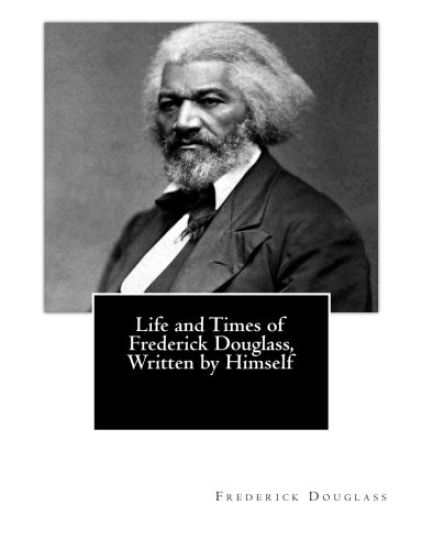
Life and Times of Frederick Douglass, Written by Himself
Frederick Douglass
Createspace Independent Publishing Platform
2012
nidottu
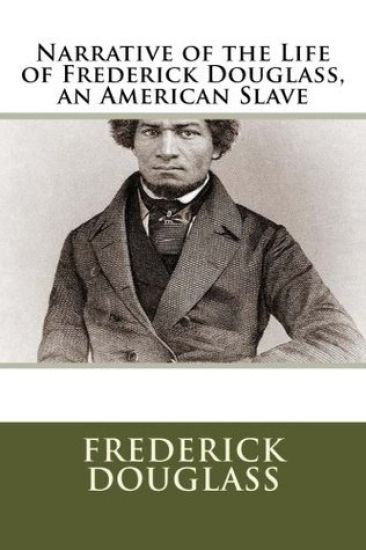
Narrative of the Life of Frederick Douglass, an American Slave
Frederick Douglass
Simon Brown
2012
nidottu
Narrative of the Life of Frederick Douglass, an American SlaveBy Frederick Douglass
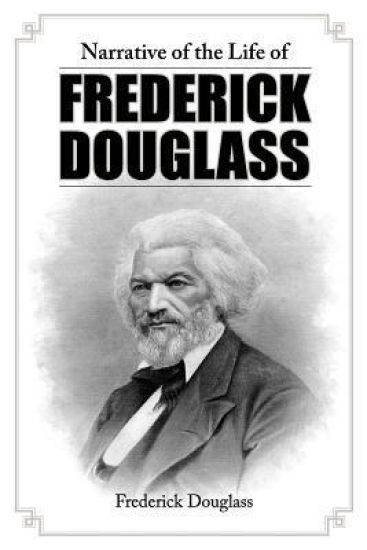
Frederick Douglass (c.1818 1895) was born into slavery but escaped in 1838, quickly becoming involved in the abolitionist movement. Following publication in 1845 of this autobiography he risked recognition and recapture by his owner, and so fled the United States. This reissue is of the Dublin edition of 1845, with a preface by Douglass explaining his reasons for his journey to Britain. Opening with a touching explanation of how he doesn't know his birthday, Douglass describes his early life and the growing awareness of the injustices he suffered. The beatings he witnessed and received himself are described in painful detail. Later, Douglass highlights the hypocrisy of the 'slaveholding religion of this land', condemning it as 'the grossest of libels'. The eloquence of the writing, with an immediacy and honesty found shocking at the time, make this an invaluable first-hand record of one of humanity's most shameful acts.
In the Words of Frederick Douglass
Frederick Douglass; John Stauffer
Cornell University Press
2012
sidottu
"No people are more talked about and no people seem more imperfectly understood. Those who see us every day seem not to know us."—Frederick Douglass on African Americans "There is no negro problem. The problem is whether the American people have loyalty enough, honor enough, patriotism enough, to live up to their own constitution."—on civil rights "Woman should have justice as well as praise, and if she is to dispense with either, she can better afford to part with the latter than the former."—on women "The thing worse than rebellion is the thing that causes rebellion."—on rebellion "A man is never lost while he still earnestly thinks himself worth saving; and as with a man, so with a nation."—on perseverance "I am ever pleased to see a man rise from among the people. Every such man is prophetic of the good time coming."—on Lincoln Frederick Douglass, a runaway Maryland slave, was witness to and participant in some of the most important events in the history of the American Republic between the years of 1818 and 1895. Beginning his long public career in 1841 as an agent of the Massachusetts Anti-Slavery Society, Douglass subsequently edited four newspapers and championed many reform movements. An advocate of morality, economic accumulation, self-help, and equality, Douglass supported racial pride, constant agitation against racial discrimination, vocational education for blacks, and nonviolent passive resistance. He was the only man who played a prominent role at the 1848 meeting in Seneca Falls that formally launched the women's rights movement. He was a temperance advocate and opposed capital punishment, lynching, debt peonage, and the convict lease system. A staunch defender of the Liberty and Republican parties, Douglass held several political appointments, frequently corresponded with leading politicians, and advised Presidents Lincoln, Grant, Hayes, Garfield, and Harrison. He met with John Brown before his abortive raid on Harpers Ferry, helped to recruit African American troops during the Civil War, attended most national black conventions held between 1840 and 1895, and served as U. S. ambassador to Haiti. Frederick Douglass has left one of the most extensive bodies of significant and quotable public statements of any figure in American history. In the Words of Frederick Douglass is a rich trove of quotations from Douglass. The editors have compiled nearly seven hundred quotations by Douglass that demonstrate the breadth and strength of his intellect as well as the eloquence with which he expressed his political and ethical principles.
Frederick Douglass (c.1818 1895) was born into slavery but escaped in 1838, quickly becoming involved in the abolitionist movement. Following publication in 1845 of this autobiography he risked recognition and recapture by his owner, and so fled the United States. This reissue is of the Dublin edition of 1845, with a preface by Douglass explaining his reasons for his journey to Britain. Opening with a touching explanation of how he doesn't know his birthday, Douglass describes his early life and the growing awareness of the injustices he suffered. The beatings he witnessed and received himself are described in painful detail. Later, Douglass highlights the hypocrisy of the 'slaveholding religion of this land', condemning it as 'the grossest of libels'. The eloquence of the writing, with an immediacy and honesty found shocking at the time, make this an invaluable first-hand record of one of humanity's most shameful acts.
Frederick Douglass (c.1818 1895) was born into slavery but escaped in 1838, quickly becoming involved in the abolitionist movement. Following publication in 1845 of this autobiography he risked recognition and recapture by his owner, and so fled the United States. This reissue is of the Dublin edition of 1845, with a preface by Douglass explaining his reasons for his journey to Britain. Opening with a touching explanation of how he doesn't know his birthday, Douglass describes his early life and the growing awareness of the injustices he suffered. The beatings he witnessed and received himself are described in painful detail. Later, Douglass highlights the hypocrisy of the 'slaveholding religion of this land', condemning it as 'the grossest of libels'. The eloquence of the writing, with an immediacy and honesty found shocking at the time, make this an invaluable first-hand record of one of humanity's most shameful acts.

Incidents in the Life of a Slave Girl & Narrative of the Life of Frederick Douglass
Harriet Jacobs; Frederick Douglass
Leonaur Ltd
2011
pokkari