
Kirjailija
Georges Rodenbach
Kirjat ja teokset yhdessä paikassa: 96 kirjaa, julkaisuja vuosilta 2007–2026, suosituimpiin kuuluu Skuggor vid aftonlampan : trettio nattstycken. Vertaile teosten hintoja ja tarkista saatavuus suomalaisista kirjakaupoista.
96 kirjaa
Kirjojen julkaisuvuodet: 2007–2026.
L'Élite: Écrivains, Orateurs Sacrés, Peintres, Sculpteurs (Éd.1899)
Georges Rodenbach
Hachette Livre - BNF
2012
pokkari
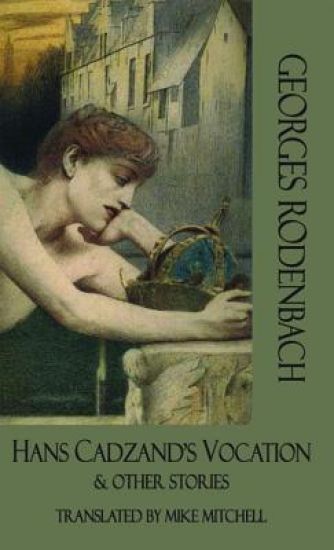
Hans Cadzand's father dies when he is an infant and he becomes the centre of his mother's life. As he grows up from a pretty child to a serious young man with deep religious convictions, she hopes she will remain the focus of his life. She sees his desire to enter holy orders as a threat to their life together and tries to keep him near her by marrying him off to the daughter of her closest friend. This plan founders on the rock of his 'vocation', but then Mevr. Cadzand engages the beautiful and experienced Ursula as housemaid. This long nouvelle is supplemented by shorter pieces from the collection Le Rouet des Brumes, brief episodes of love and death in characteristically atmospheric settings.
Le Voile Joue A La Comedie-Francaise Le 21 Mai 1894 (1897)
Georges Rodenbach
KESSINGER PUBLISHING, LLC
2009
nidottu
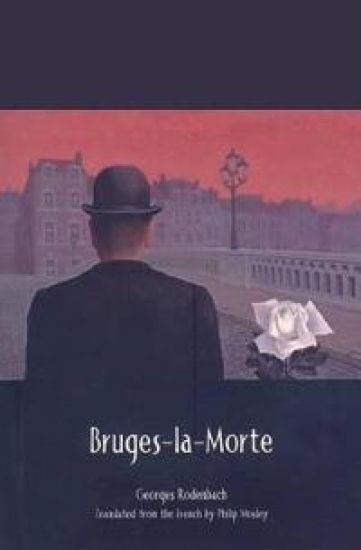
Bruges-la-Morte
Georges Rodenbach
University of Scranton Press,U.S.
2007
nidottu
Halvin toimitettuna 17,20 €
"Bruges-la-Morte" is the story of one man's obsession with his dead wife and his soul's struggle between an alluring young dancer - his late wife's double - and the beautiful, melancholy city of Bruges, whose moody atmosphere mirrors his mourning. This hallmark of Belgian symbolist literature, originally published in 1892 and first translated into English by Philip Mosley to great acclaim twenty years ago, is now back in print for the next generation of English readers to discover. With penetrating psychological force and richly metaphorical language, "Bruges-la-Morte" draws a haunting picture of love, grief, and murder in what has become a "dead city," severely Catholic and once proud. The source of the famous opera Die tote Stadt and endless inspiration for Belgian and French artists, this novella will enthrall readers with its dark portrait of fin-de-siecle Europe.
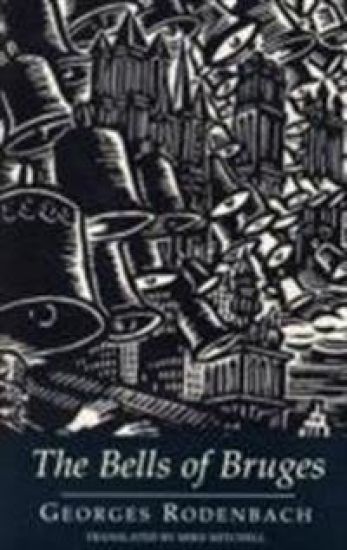
Translated by Mike Mitchell. Broadsheet coverage expected.