Kirjojen hintavertailu – 12 859 827 kirjaa ja 27 kauppaa

Kirjailija

Giuseppe Verdi

Kirjat ja teokset yhdessä paikassa: 123 kirjaa, julkaisuja vuosilta 1977–2026, suosituimpiin kuuluu Requiem to the Memory of Alessandro Manzoni. Vertaile teosten hintoja ja tarkista saatavuus suomalaisista kirjakaupoista.

123 kirjaa

Kirjojen julkaisuvuodet: 1977–2026.

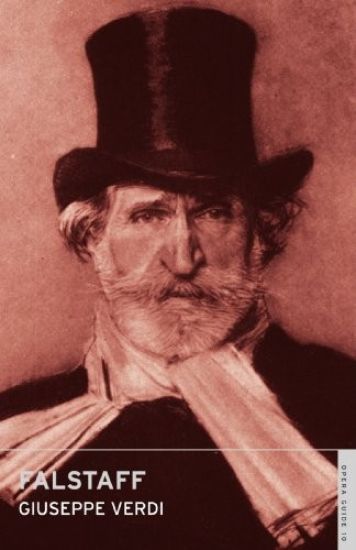
Falstaff

Falstaff

Giuseppe Verdi

Overture Publishing
2011
nidottu
“A lyric comedy unlike any other”, wrote Verdi about his last opera. That the last work of a composer who was almost notorious for his preference for tragic and gloomy subjects should be a brilliant human comedy was and remains one of the wonders of music. Michael Rose considers its status in Italian comic opera tradition. Davis Cairns pours his enthusiasm for the piece into a detailed and illuminating musical analysis. Andrew Porter, whose translation almost matches Boito’s original libretto for elegance and wit, explains the challenges and risks of the undertaking in his fascinating introduction. Contents: Introduction, Nicholas John; ‘A Lyric Comedy Unlike Any Other’, Michael Rose; ‘Full of Nimble, Fiery and Delectable Shapes’, David Cairns; Translating ‘Falstaff’, Andrew Porter; Falstaff: Libretto by Arrigo Boito; Falstaff: English Translation by Andrew Porter
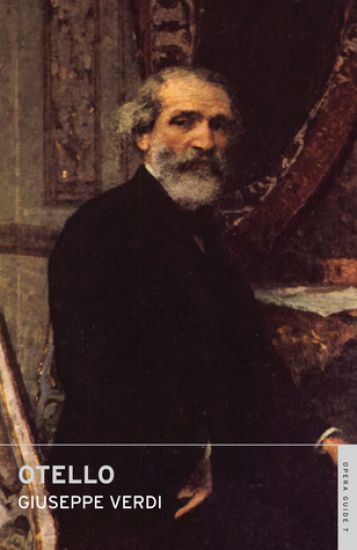
Otello (Othello)

Otello (Othello)

Giuseppe Verdi

Overture Publishing
2011
nidottu
Winton Dean relates how Otello came into being as much because of the persistence of Verdi’s publisher as of the composer’s lifelong passion for Shakespeare, and the collaboration of the brilliant poet Arrigo Boito. Benedict Sarnaker argues that this magnificent large-scale opera rivals Shakespeare in intensity and profundity. William Weaver’s lively review of Shakespeare on the Italian stage in the last century enables us to make a wholly fresh appraisal of Verdi’s stature as a dramatist. The libretto itself is a masterpiece, and Andrew Porter has also translated the third-act revision which Verdi came to prefer and which has not been performed outside France before the 1981 ENO production. Contents: ‘Otello’: The Background, Winton Dean; ‘Otello’: Drama and Music Benedict Sarnaker; Verdi, Shakespeare and the Italian Audience, William Weaver; Otello: Libretto by Arrigo Boito; Otello: English Translation by Andrew Porter
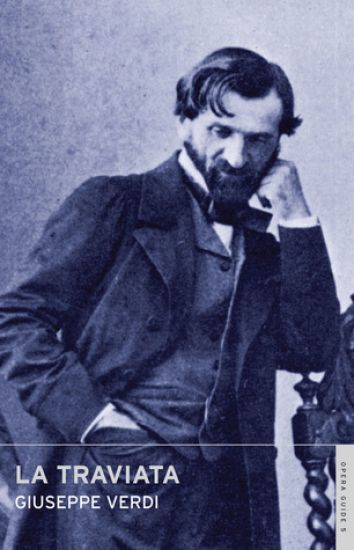
La Traviata

La Traviata

Giuseppe Verdi

Overture Publishing
2011
nidottu
In this guide, Julian Budden reviews the difficulties that faced the management that had commissioned La Traviata and how, in some previously unpublished letters, Verdi fought their views on casting the leading lady. Denis Arnold contributes a musical commentary. April FitzLyon discusses the social background of the 'lady of the camellias' in fact, fiction and on the stage, and Nicholas John compares the libretto with the play to show how skilfully it was adapted for the operatic stage.
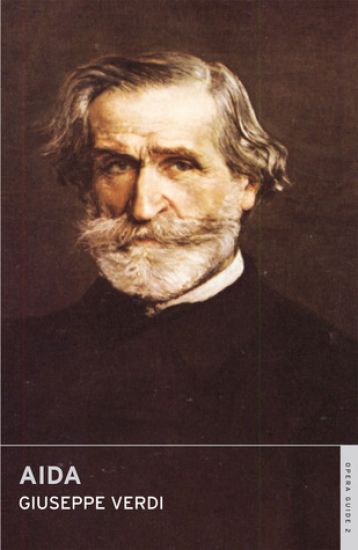
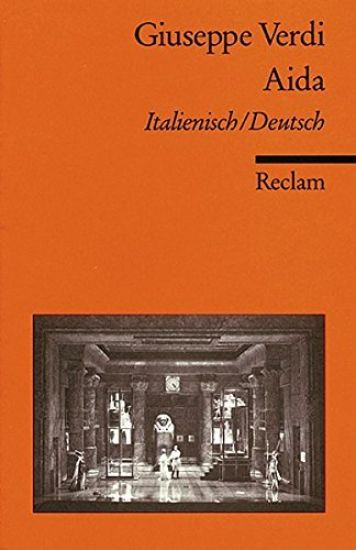
Aida

Aida

Giuseppe Verdi

Overture Publishing
2011
nidottu
Aida is, for most of us, the quintessence of Ancient Egypt, but it is certainly not just for archaeologists. Michael Rose points out that it is really about patriotism – an issue of burning importance to Verdi and his contemporaries. Music critic William Mann reflects that even a short look at the score reveals subtleties that repay careful listening. And Verdi’s own letters show the germs of the opera grow from suggestion to creation. Contents: Verdi’s ‘Egyptian business’, Michael Rose; ‘Aida’ – Text and Music, William Mann; The Genesis of ‘Aida’, Roger Parker; Aida: Libretto by Antonio Ghislanzoni; Aida: English version by Edmund Tracey
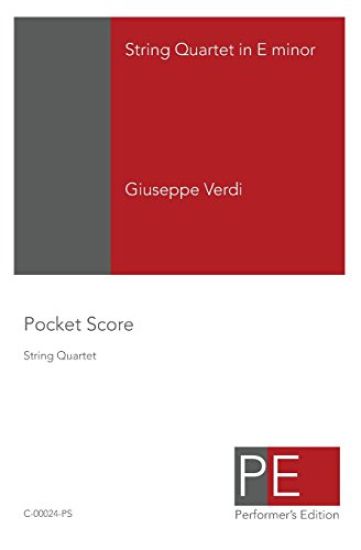
String Quartet In E Minor

String Quartet In E Minor

Giuseppe Verdi; Mark Schuster

Createspace Independent Publishing Platform
2009
pokkari
Verdi's String Quartet is the only surviving chamber work by the man known as a master of Italian opera. The work was written during a delay in a production of Aida during 1873 and has become part of the standard repretoire for modern string quartets. This edition is a pocket score designed for study and use by performers.
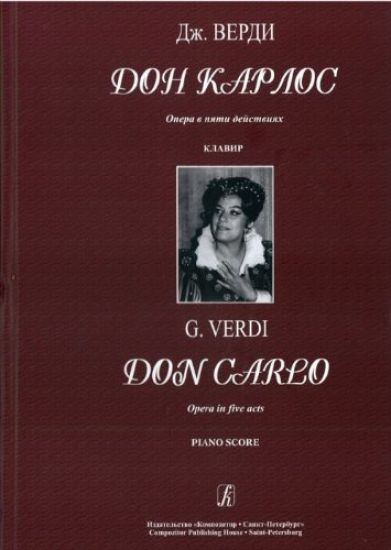
Don Carlo. Opera in five acts. Vocal score
Opera v chetyrjokh dejstvijakh (semi kartinakh). Libretto Zh. Meri, K. dju Loklja i A. Gislantsoni(klavir na russkom i italjanskom jazykakh) Premera opery "Don Karlos", sostojavshajasja v marte 1867 goda na stsene "Grand-Opera", proshla s uspekhom: bolshikh pokhval udostoilis bas Oben, bariton For i soprano Sass; v foje teatra byl ustanovlen bjust maestro. Ne oboshlos i bez kritikov, kak i bez strastnykh zaschitnikov, takikh, kak Ernest Reje i Teofil Gote. V oktjabre togo zhe goda italjanskaja postanovka v Bolone, kotoroj dirizhiroval Andzhelo Mariani, prinesla triumfalnyj uspekh. Chetyrjokhaktnaja redaktsija, sozdannaja avtorom v 1882-1883 godakh, ne imela takogo zhe prijoma; chto kasaetsja tretej, modenskoj postanovki, to ona pokazalas vozvrascheniem k pervoj, pjatiaktnoj versii, khotja i s ispravlenijami 1884 goda. No v 80-e gody slavu "Dona Karlosa", kak i "Simona Bokkanegry" vo vtoroj redaktsii, uzhe sovershenno zatmil novyj shedevr, "Otello". Lish nedavno opera zanjala nadlezhaschee ej mesto v otsenke mezhdunarodnoj kritiki i publiki. Obe redaktsii, chetyrjokhaktnaja i pjatiaktnaja, do sikh por sostjazajutsja drug s drugom, i ponyne nejasno, kakoj iz nikh otdat predpochtenie. Mezhdu tem pjatiaktnaja versija kazhetsja bolee logichnoj i zavershjonnoj, tak kak pozvoljaet luchshe obrisovat sjuzhet i personazhej, i material v svojom stsenicheskom razvitii v nej luchshe raspredeljon. Zadumannyj dlja pompeznogo parizhskogo teatra, gde rodilas bolshaja opera, "Don Karlos", estestvenno, otvechaet trebovanijam etogo zhanra, v kotorom znachitelnye stsenicheskie situatsii imejut odnovremenno bolshuju istoricheskuju ubeditelnost. Dejstvujuschie litsa ne mogut okazatsja nizhe svoikh zadach. Verdi vybiraet dlja svoej kartiny silnye ili udruchajuschie strasti, pochti na grani chelovecheskikh vozmozhnostej, razvjortyvajuschiesja na shirokom fone, osveschjonnom mrachnym zarevom politicheskikh rasprej i religioznogo fanatizma. V etoj ogromnoj freske kompozitor vpervye obraschaetsja k dramaticheskim kharakteram i muzykalnym reshenijam, kotorye on zatem, v protsesse dorabotki, maksimalno priblizit k svoej poslednej stilisticheskoj manere. Filipp - "zhestokij despot", eto, konechno, tak, no v eschjo bolshej stepeni eto zhertva starosti, sudby, kotoraja lishaet ego dazhe ljubvi zheny. Ego bolshoj rechetativ-ariozo "Net, ne ljubila menja" otmechen garmonicheskimi moduljatsijami, kotorye slovno vlekutsja i priglushajutsja ustaloj melodiej, pochti beskrovnoj v svojom chisto napevnom lirizme: zhiznennaja energija issjakla, korol, bormocha kantilenu "Son lish togda" s melodiej korotkogo dykhanija, priblizhaetsja k smerti, okruzhjonnyj nemymi predateljami. On vynuzhden ispytat davlenie tserkvi, kotoraja derzhit v tiskakh mozg gosudarstva. Velikij inkvizitor, slepoj, no nepokolebimyj v svoej reshimosti, tjomnoj i gnetuschej, podobnoj ego slepote, vkhodit (v znamenitoj stsene dueta s Filippom), soprovozhdaemyj velikolepnymi mrachnymi basami, ravnosilnymi uverennoj postupi zrjachego. Obraz Elizavety, kotoroj korol myslenno posvjaschaet neskolko mgnovenij prosvetljonnoj nezhnosti, muzykalno raskryvaetsja v pjatom dejstvii, v trjokhchastnoj arii "Ty, poznavshij tschetu". V zakljuchitelnom vozvrate k pervoj teme koroleva kak by kladjot mogilnuju plitu na svojo proshloe, chto khorosho podgotovleno uzhe v orkestrovoj preljudii s ejo torzhestvennoj nachalnoj temoj, v izlomannom rechetative, oplakivajuschem ljubov k Karlosu, dekorativnom i nemnogo pustom proschanii s sadami Frantsii (schastlivym vremenem i, odnako, "menee istinnym", chem nastojaschaja gorestnaja zhizn Elizavety). Navjazchivaja ideja mogily ponizhaet golos do do-dieza pervoj oktavy i v kachestve kontrasta vedjot zatem k molitvennomu poryvu. Sledujuschij duet - kulminatsija mechtanij i nadezhd dvukh vljubljonnykh, misticheskaja kolybelnaja v dukhe romantiki Shillera i Mandzoni, - sopostavim s gedonisticheskimi obrazami Margarity i Fausta v "Mefistofele" Bojto. V etom poslednem ispytanii Karlos slovno zabyvaet svoi stradanija, svojo bezumie; boleznennyj svet solntsa vspykhivaet zdes, kak i v duete pervogo dejstvija, kotoryj vmeste s otkryvajuschem operu romansom infanta pridajot javno simmetrichnuju strukturu drame, zavershajuschejsja temi zhe dvumja formami. Uzhasnaja, vostorzhennaja muka, s kakoj on ispytal zhazhdu ljubvi, nemyslimaja dlja molodogo geroja Verdi, chuvstvo dvojnogo dolga - po otnosheniju k chuzhoj zhene i k machekhe - vsjo perekhodit v nekoe vizionerskoe sostojanie. Byt mozhet, eto sledstvie smerti Pozy, luchshego druga, v chjom proschanii zvuchit samaja pylkaja i razvjornutaja melodija vo vsej opere, kotoraja vpolne mogla by zvuchat v ljubovnoj arii; byt mozhet, eto i sledstvie samootrechenija Eboli, drugogo znachitelnogo personazha, kotoraja sama nakazyvaet sebja posle bessilnogo vypada, dostojnogo Amneris. Slushatel zapominaet ejo pesenku o fate, blistatelnyj i mimoljotnyj shtrikh, ischezajuschij v koshmare tjazhjologo i mrachnogo velikolepija, pod tjomnymi svodami dvortsov. Massovye stseny, khotja i s moschnym uchastiem tolpy i fanfar, slovno zadykhajutsja v dymu iskupitelnykh kostrov. Slova utjazheljaet vzvolnovannoe skandirovanie, bolee "javnoe" i razgovornoe, chem to, k kotoromu privykla muzyka Verdi. Ochen iskusnaja v garmonicheskom otnoshenii smes modalnosti i khromatizma pozvoljaet voploschat samye muchitelnye i naprjazhjonnye momenty. Instrumentovka raznoobrazna - ot prozrachnoj do sverkajuschej, igrajuschej svetotenju tembrov.

Macbeth

Macbeth

Giuseppe Verdi

University of Chicago Press
2006
sidottu
Verdi had a special fondness for Macbeth, and the first version of his opera based on Shakespeare's play is arguably the most important work of his formative years. But dissatisfied with the work of his librettist, Francesco Maria Piave, Verdi reworked the text himself and lavished the score with particular attention. The premiere in Florence in 1847 was a great success, but for the Paris premiere in 1865, Verdi made substantial changes, adding dances and an entirely new aria, duet, chorus, and death scene. Clearly, he intended that Macbeth II supersede the earlier version, and today the "Paris" version is the one generally performed. Published in three volumes, this critical edition of Macbeth is the only one based entirely on autograph sources. Containing the later version as the principal score, it is the first edition to consult the composer's manuscripts of the revised pieces, preserved at the Bibliothèque Nationale in Paris. An appendix contains the earlier movements, and David Lawton provides a wide-ranging introduction to the opera's complex history. This critical edition of Macbeth includes here for the first time Verdi's preferred text—the version he set to music—as well as his own stage directions and thus offers the most vivid and dramatic reading to date.
La traviata

La traviata

Giuseppe Verdi

University of Chicago Press
1997
sidottu
"La traviata" was initially far from a success, Verdi declared its 1853 premiere a "fiasco," and later reworked parts of five pieces in the first two acts, retaining the original setting for the rest. The first performance of the new version in 1854 was a tremendous success, and the opera was quickly taken up by theatres around the world. This critical edition presents the 1854 version as the main score, and also makes available the full score and the original 1853 settings of the revised pieces. For this text Fabrizio della Seta used the composer's autograph and many secondary sources, but also Verdi's previously unknown sketches. These sketches helped corroborate the original readings and illuminate the work's compositional stages. A detailed critical commentary discusses source problems and anbiguities.