Kirjojen hintavertailu – 12 859 819 kirjaa ja 27 kauppaa
Kirjailija
H. A. Guerber
Kirjat ja teokset yhdessä paikassa: 120 kirjaa, julkaisuja vuosilta 1896–2026, suosituimpiin kuuluu The Myths of Greece and Rome. Vertaile teosten hintoja ja tarkista saatavuus suomalaisista kirjakaupoista.
Nimi esiintyy myös muodoissa: H A Guerber, H.A. Guerber
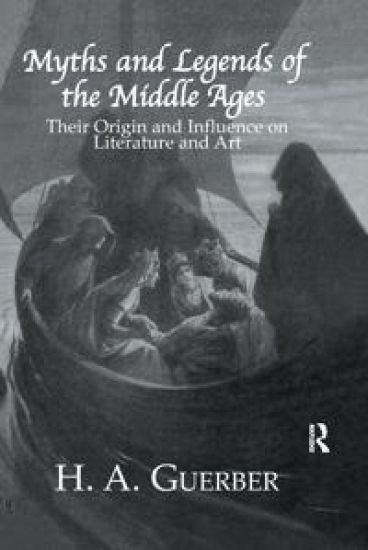
First Published in 2005. This classic work presents sixteen key myths and legends of the Arthurian, Carolingian, Teutonic and Scandinavian cycles which embody the chivalric code and which inspired the greatest works of romance literature and art. Some, like Tristan and Isolde, Merlin and the Niebelungenlied, are well known. Others, such as the tale of the Amelings and the Langobardian Cycle are rarely encountered. All of the tales and the tourneys, quests, vows, battles and betrayals of which they tell have retained their enchanting power through the ages. They illuminate the mystical significance of knighthood and its ethos of self-purification and honour, allowing us to decode many of the allusions found in medieval art, literature and song. Written for the general reader with captivating style, this work makes the lore of the chivalric Middle Ages accessible and enriches our understanding of a magnificent age.
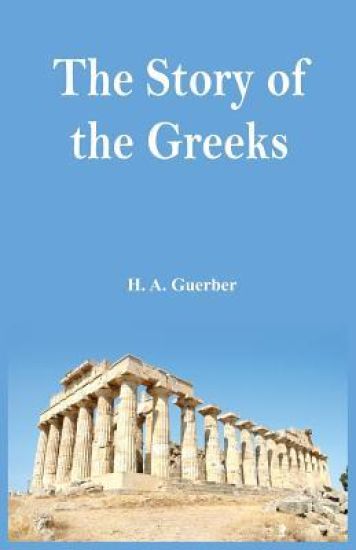
Although Greece (or Hel las) is only half as large as the State of New York, it holds a very important place in the history of the world. It is situated in the southern part of Europe, cut off from the rest of the continent by a chain of high mountains which form a great wall on the north. It is surrounded on nearly all sides by the blue waters of the Med-it-er-ra ne-an Sea, which stretch so far inland that it is said no part of the country is forty miles from the sea, or ten miles from the hills. Thus shut in by sea and mountains, it forms a little territory by itself, and it was the home of a noted people.
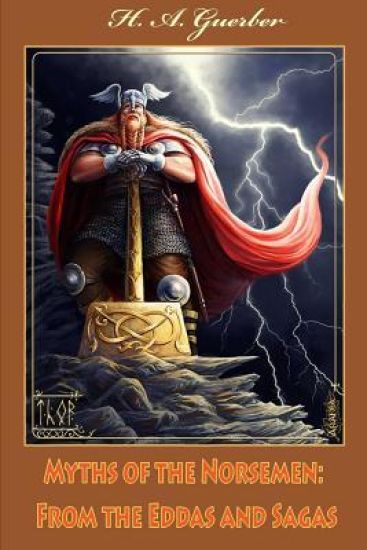
From the preface: "The religious beliefs of the North are not mirrored with any exactitude in the Elder Edda. Indeed only a travesty of the faith of our ancestors has been preserved in Norse literature. The early poet loved allegory, and his imagination rioted among the conceptions of his fertile muse. "His eye was fixed on the mountains till the snowy peaks assumed human features and the giant of the rock or the ice descended with heavy tread; or he would gaze at the splendour of the spring, or of the summer fields, till Freya with the gleaming necklace stepped forth, or Sif with the flowing locks of gold."4 We are told nothing as to sacrificial and religious rites, and all else is omitted which does not provide material for artistic treatment. The so-called Northern Mythology, therefore, may be regarded as a precious relic of the beginning of Northern poetry, rather than as a representation of the religious beliefs of the Scandinavians, and these literary fragments bear many signs of the transitional stage wherein the confusion of the old and new faiths is easily apparent. But notwithstanding the limitations imposed by long neglect it is possible to reconstruct in part a plan of the ancient Norse beliefs, and the general reader will derive much profit from Carlyle's illuminating study in "Heroes and Hero-worship." "A bewildering, inextricable jungle of delusions, confusions, falsehoods and absurdities, covering the whole field of Life " he calls them, with all good reason. But he goes on to show, with equal truth, that at the soul of this crude worship of distorted nature was a spiritual force seeking expression. What we probe without reverence they viewed with awe, and not understanding it, straightway deified it, as all children have been apt to do in all stages of the world's history. Truly they were hero-worshippers after Carlyle's own heart, and scepticism had no place in their simple philosophy. It was the infancy of thought gazing upon a universe filled with divinity, and believing heartily with all sincerity. A large-hearted people reaching out in the dark towards ideals which were better than they knew. Ragnarok was to undo their gods because they had stumbled from their higher standards. We have to thank a curious phenomenon for the preservation of so much of the old lore as we still possess. While foreign influences were corrupting the Norse language, it remained practically unaltered in Iceland, which had been colonised from the mainland by the Norsemen who had fled thither to escape the oppression of Harold Fairhair after his crushing victory of Hafrsfirth. These people brought with them the poetic genius which had already manifested itself, and it took fresh root in that barren soil. Many of the old Norse poets were natives of Iceland, and in the early part of the Christian era, a supreme service was rendered to Norse literature by the Christian priest, S mund, who industriously brought together a large amount of pagan poetry in a collection known as the Elder Edda, which is the chief foundation of our present knowledge of the religion of our Norse ancestors. Icelandic literature remained a sealed book, however, until the end of the eighteenth century, and very slowly since that time it has been winning its way in the teeth of indifference, until there are now signs that it will eventually come into its own. "To know the old Faith," says Carlyle, "brings us into closer and clearer relation with the Past-with our own possessions in the Past. For the whole Past is the possession of the Present; the Past had always something true, and is a precious possession." The weighty words of William Morris regarding the Volsunga Saga may also be fitly quoted as an introduction to the whole of this collection of "Myths of the Norsemen"...