Kirjojen hintavertailu – 12 859 819 kirjaa ja 27 kauppaa

Kirjailija

Harriet Beecher Stowe

Kirjat ja teokset yhdessä paikassa: 848 kirjaa, julkaisuja vuosilta 1800–2026, suosituimpiin kuuluu Sam Lawson's Oldtown Fireside Stories. Vertaile teosten hintoja ja tarkista saatavuus suomalaisista kirjakaupoista.

Nimi esiintyy myös muodoissa: Harriet Beecher-Stowe

848 kirjaa

Kirjojen julkaisuvuodet: 1800–2026.

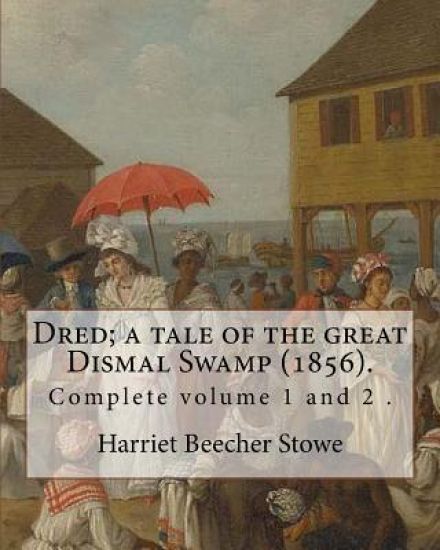
Dred; a tale of the great Dismal Swamp (1856). By: Harriet Beecher Stowe ( Complete volume 1 and 2 ).: Novel (Original Classics)
Dred: A Tale of the Great Dismal Swamp is the second popular novel from American author Harriet Beecher Stowe. It was first published in two volumes by Phillips, Sampson and Company in 1856. Although it enjoyed better initial sales than her previous, and more famous, novel Uncle Tom's Cabin, it was ultimately less popular. Dred was of a more documentary nature than Uncle Tom's Cabin and thus lacked a character like Uncle Tom to evoke strong emotion from readers. Plot summary: Dred is the story of Nina Gordon, an impetuous young heiress to a large southern plantation, whose land is rapidly becoming worthless. It is run competently by one of Nina's slaves, Harry, who endures a murderous rivalry with Nina's brother Tom Gordon, a drunken, cruel slaveowner. Nina is a flighty young girl, and maintains several suitors, before finally settling down with a man named Clayton. Clayton is socially and religiously liberal, and very idealistic, and has a down-to-earth perpetual-virgin sister, Anne. In addition to Harry (who, as well as being the administrator of Nina's estate, is secretly also her and Tom's half-brother), the slave characters include the devoutly Christian Milly (actually the property of Nina's Aunt Nesbit), and Tomtit, a joker-type character. There is also a family of poor whites, who have but a single, devoted slave, Old Tiff. Dred, the titular character, is one of the Great Dismal Swamp maroons, escaped slaves living in the Great Dismal Swamp, preaching angry and violent retribution for the evils of slavery and rescuing escapees from the dog of the slavecatchers........... Harriet Elisabeth Beecher Stowe ( June 14, 1811 - July 1, 1896) was an American abolitionist and author. She came from the Beecher family, a famous religious family, and is best known for her novel Uncle Tom's Cabin (1852), which depicts the harsh conditions for enslaved African Americans. The book reached millions as a novel and play, and became influential in the United States and Great Britain, energizing anti-slavery forces in the American North, while provoking widespread anger in the South. Stowe wrote 30 books, including novels, three travel memoirs, and collections of articles and letters. She was influential for both her writings and her public stances on social issues of the day. Life and work: Harriet Elisabeth Beecher was born in Litchfield, Connecticut, on June 14, 1811. She was the seventh of 13 children born to outspoken Calvinist preacher Lyman Beecher and Roxana (Foote), a deeply religious woman who died when Stowe was only five years old. Roxana's maternal grandfather was General Andrew Ward of the Revolutionary War. Her notable siblings included a sister, Catharine Beecher, who became an educator and author, as well as brothers who became ministers: including Henry Ward Beecher, who became a famous preacher and abolitionist, Charles Beecher, and Edward Beecher. Harriet enrolled in the Hartford Female Seminary run by her older sister Catharine, where she received a traditional academic education usually reserved for males at the time with a focus in the classics, including studies of languages and mathematics. Among her classmates was Sarah P. Willis, who later wrote under the pseudonym Fanny Fern..................
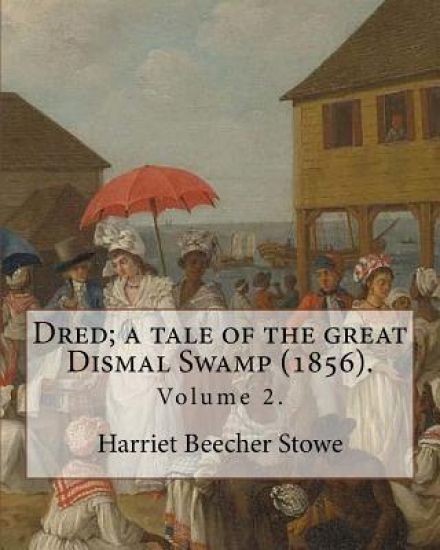
Dred; A Tale of the Great Dismal Swamp (1856). by: Harriet Beecher Stowe ( Volume 2 ). in Two Volume's: Novel (Original Classics)
Dred: A Tale of the Great Dismal Swamp is the second popular novel from American author Harriet Beecher Stowe. It was first published in two volumes by Phillips, Sampson and Company in 1856. Although it enjoyed better initial sales than her previous, and more famous, novel Uncle Tom's Cabin, it was ultimately less popular. Dred was of a more documentary nature than Uncle Tom's Cabin and thus lacked a character like Uncle Tom to evoke strong emotion from readers. Plot summary: Dred is the story of Nina Gordon, an impetuous young heiress to a large southern plantation, whose land is rapidly becoming worthless. It is run competently by one of Nina's slaves, Harry, who endures a murderous rivalry with Nina's brother Tom Gordon, a drunken, cruel slaveowner. Nina is a flighty young girl, and maintains several suitors, before finally settling down with a man named Clayton. Clayton is socially and religiously liberal, and very idealistic, and has a down-to-earth perpetual-virgin sister, Anne. In addition to Harry (who, as well as being the administrator of Nina's estate, is secretly also her and Tom's half-brother), the slave characters include the devoutly Christian Milly (actually the property of Nina's Aunt Nesbit), and Tomtit, a joker-type character. There is also a family of poor whites, who have but a single, devoted slave, Old Tiff. Dred, the titular character, is one of the Great Dismal Swamp maroons, escaped slaves living in the Great Dismal Swamp, preaching angry and violent retribution for the evils of slavery and rescuing escapees from the dog of the slavecatchers............ Harriet Elisabeth Beecher Stowe ( June 14, 1811 - July 1, 1896) was an American abolitionist and author. She came from the Beecher family, a famous religious family, and is best known for her novel Uncle Tom's Cabin (1852), which depicts the harsh conditions for enslaved African Americans. The book reached millions as a novel and play, and became influential in the United States and Great Britain, energizing anti-slavery forces in the American North, while provoking widespread anger in the South. Stowe wrote 30 books, including novels, three travel memoirs, and collections of articles and letters. She was influential for both her writings and her public stances on social issues of the day. Life and work: Harriet Elisabeth Beecher was born in Litchfield, Connecticut, on June 14, 1811. She was the seventh of 13 children born to outspoken Calvinist preacher Lyman Beecher and Roxana (Foote), a deeply religious woman who died when Stowe was only five years old. Roxana's maternal grandfather was General Andrew Ward of the Revolutionary War. Her notable siblings included a sister, Catharine Beecher, who became an educator and author, as well as brothers who became ministers: including Henry Ward Beecher, who became a famous preacher and abolitionist, Charles Beecher, and Edward Beecher. Harriet enrolled in the Hartford Female Seminary run by her older sister Catharine, where she received a traditional academic education usually reserved for males at the time with a focus in the classics, including studies of languages and mathematics. Among her classmates was Sarah P. Willis, who later wrote under the pseudonym Fanny Fern. In 1832, at the age of 21, Harriet Beecher moved to Cincinnati, Ohio to join her father, who had become the president of Lane Theological Seminary. There, she also joined the Semi-Colon Club, a literary salon and social club whose members included the Beecher sisters, Caroline Lee Hentz, Salmon P. Chase (future governor of the state and Secretary of Treasury under President Lincoln), Emily Blackwell and others. Cincinnati's trade and shipping business on the Ohio River was booming, drawing numerous migrants from different parts of the country, including many free blacks, as well as Irish immigrants who worked on the state's canals and railroads.....
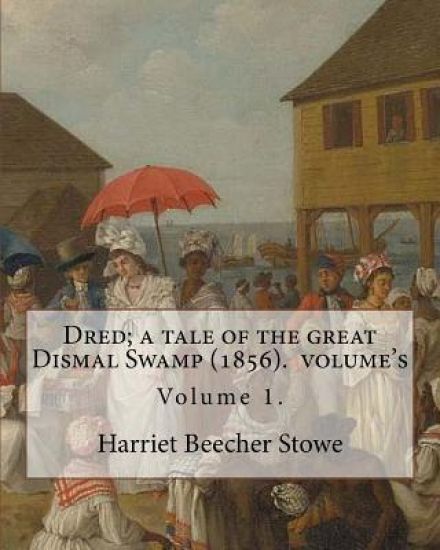
Dred; a tale of the great Dismal Swamp (1856). By: Harriet Beecher Stowe ( Volume 1 ). in two volume's: Novel (Original Classics)
Dred: A Tale of the Great Dismal Swamp is the second popular novel from American author Harriet Beecher Stowe. It was first published in two volumes by Phillips, Sampson and Company in 1856. Although it enjoyed better initial sales than her previous, and more famous, novel Uncle Tom's Cabin, it was ultimately less popular. Dred was of a more documentary nature than Uncle Tom's Cabin and thus lacked a character like Uncle Tom to evoke strong emotion from readers. Plot summary: Dred is the story of Nina Gordon, an impetuous young heiress to a large southern plantation, whose land is rapidly becoming worthless. It is run competently by one of Nina's slaves, Harry, who endures a murderous rivalry with Nina's brother Tom Gordon, a drunken, cruel slaveowner. Nina is a flighty young girl, and maintains several suitors, before finally settling down with a man named Clayton. Clayton is socially and religiously liberal, and very idealistic, and has a down-to-earth perpetual-virgin sister, Anne. In addition to Harry (who, as well as being the administrator of Nina's estate, is secretly also her and Tom's half-brother), the slave characters include the devoutly Christian Milly (actually the property of Nina's Aunt Nesbit), and Tomtit, a joker-type character. There is also a family of poor whites, who have but a single, devoted slave, Old Tiff. Dred, the titular character, is one of the Great Dismal Swamp maroons, escaped slaves living in the Great Dismal Swamp, preaching angry and violent retribution for the evils of slavery and rescuing escapees from the dog of the slavecatchers......... Harriet Elisabeth Beecher Stowe ( June 14, 1811 - July 1, 1896) was an American abolitionist and author. She came from the Beecher family, a famous religious family, and is best known for her novel Uncle Tom's Cabin (1852), which depicts the harsh conditions for enslaved African Americans. The book reached millions as a novel and play, and became influential in the United States and Great Britain, energizing anti-slavery forces in the American North, while provoking widespread anger in the South. Stowe wrote 30 books, including novels, three travel memoirs, and collections of articles and letters. She was influential for both her writings and her public stances on social issues of the day. Life and work: Harriet Elisabeth Beecher was born in Litchfield, Connecticut, on June 14, 1811. She was the seventh of 13 children born to outspoken Calvinist preacher Lyman Beecher and Roxana (Foote), a deeply religious woman who died when Stowe was only five years old. Roxana's maternal grandfather was General Andrew Ward of the Revolutionary War. Her notable siblings included a sister, Catharine Beecher, who became an educator and author, as well as brothers who became ministers: including Henry Ward Beecher, who became a famous preacher and abolitionist, Charles Beecher, and Edward Beecher. Harriet enrolled in the Hartford Female Seminary run by her older sister Catharine, where she received a traditional academic education usually reserved for males at the time with a focus in the classics, including studies of languages and mathematics. Among her classmates was Sarah P. Willis, who later wrote under the pseudonym Fanny Fern. In 1832, at the age of 21, Harriet Beecher moved to Cincinnati, Ohio to join her father, who had become the president of Lane Theological Seminary. There, she also joined the Semi-Colon Club, a literary salon and social club whose members included the Beecher sisters, Caroline Lee Hentz, Salmon P. Chase (future governor of the state and Secretary of Treasury under President Lincoln), Emily Blackwell and others. Cincinnati's trade and shipping business on the Ohio River was booming, drawing numerous migrants from different parts of the country, including many free blacks, as well as Irish immigrants who worked on the state's canals and railroads....
We and Our Neighbors

We and Our Neighbors

Harriet Beecher Stowe

Createspace Independent Publishing Platform
2017
nidottu
The final of Stowe's society novels, We and Our Neighbors is the sequel to My Wife and I. In the book, Stowe continues the heartwarming tale of Harry and Eva Henderson and their domestic ups and downs. Lighthearted in tone, the book reveals much about Stowe's views of women and the primacy of their domestic roles. Includes vintage illustration
Religious Poems

Religious Poems

Harriet Beecher Stowe

Createspace Independent Publishing Platform
2017
nidottu
This work has been selected by scholars as being culturally important, and is part of the knowledge base of civilization as we know it. This work is in the "public domain in the United States of America, and possibly other nations. Within the United States, you may freely copy and distribute this work, as no entity (individual or corporate) has a copyright on the body of the work. Scholars believe, and we concur, that this work is important enough to be preserved, reproduced, and made generally available to the public. We appreciate your support of the preservation process, and thank you for being an important part of keeping this knowledge alive and relevant.
Palmetto-Leaves

Palmetto-Leaves

Harriet Beecher Stowe

Createspace Independent Publishing Platform
2017
nidottu
We call for his name. The stewards call him "Jack: " but he seems to run about as well for one name as another; and it is proposed to call him "Barnes," from the name of the boat we are on. The suggestion drops, from want of energy in our very demoralized company to carry it. Not that we are seasick, one of us: oh, no Grimly upright, always at table, and eating our three meals a day, who dares intimate that we are sick? Perish the thought It is only a dizzy, headachy dulness, with an utter disgust for every thing in general, that creeps over us; and Jack's mournful face re-flects but too truly our own internal troubles
Household Papers and Stories

Household Papers and Stories

Harriet Beecher Stowe

Createspace Independent Publishing Platform
2017
nidottu
Mrs. Stowe had early and very practical acquaintance with the art of housekeeping. It strikes one at first as a little incongruous that an author who devoted her great powers to stirring the conscience of a nation should from time to time, and at one period especially, give her mind to the ordering of family life, but a moment's consideration will show that the same woman was earnestly at the bottom of each effort. In a letter to the late Lord Denman, written in 1853, Mrs. Stowe, speaking of Uncle Tom's Cabin, said: "I wrote what I did because, as a woman, as a mother, I was oppressed and heartbroken with the sorrows and injustice which I saw, and because, as a Christian, I felt the dishonor to Christianity." Not under the stress of passionate emotion, yet largely from a sense of real responsibility as a woman, a mother, and a Christian, she occupied herself with those concerns of every day life which so distinctly appeal to a woman's mind...
Men of our times; or, Leading patriots of the day
Men of our times; or, Leading patriots of the day is an unchanged, high-quality reprint of the original edition of 1868. Hansebooks is editor of the literature on different topic areas such as research and science, travel and expeditions, cooking and nutrition, medicine, and other genres. As a publisher we focus on the preservation of historical literature. Many works of historical writers and scientists are available today as antiques only. Hansebooks newly publishes these books and contributes to the preservation of literature which has become rare and historical knowledge for the future.