Kirjailija
Henry James
Kirjat ja teokset yhdessä paikassa: 3 438 kirjaa, julkaisuja vuosilta 1879–2027, suosituimpiin kuuluu The Wings of the Dove. Vertaile teosten hintoja ja tarkista saatavuus suomalaisista kirjakaupoista.
3 438 kirjaa
Kirjojen julkaisuvuodet: 1879–2027.

"The Author on His Craft" again reprints James’s critical essay "The Art of Fiction" and related passages from his notebooks, including a new passage on "In the Cage." "Criticism" has been entirely updated and includes ten new essays by critics who during the last twenty-five years have helped to establish the lines of debate about James’s tales. An updated Selected Bibliography is also included.
The "Textual Appendix" includes notes on the novel’s textual history and lists all substantive revisions that James made to the novel, both in 1902 and in1909. "The Author and the Novel," introduced by editorial commentary and new to the Second Edition, includes selections from James’s notebooks, letters, travel books, and autobiographical writings, which illuminate his conception and assessment of The Wings of the Dove. "Criticism" reflects the lively interpretive and theoretical writing that The Wings of the Dove has enjoyed since the previous edition was published in 1978. Eleven essays are included, seven of them new to the Second Edition, including Anthony J. Mazzella’s piece on film adaptation. A Chronology and Selected Bibliography are also included.
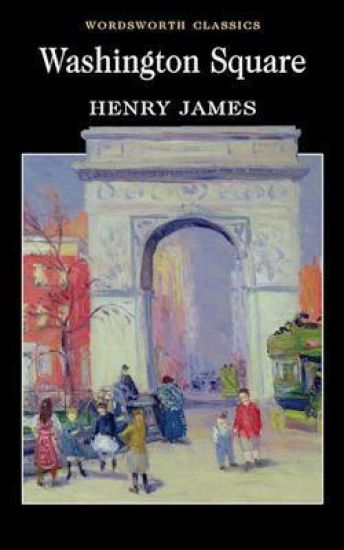
Introduction and Notes by Ian F. A. Bell, Professor of English Literature, University of Keele. Washington Square marks the culmination of James's apprentice period as a novelist. With sharply focused attention upon just four principal characters, James provides an acute analysis of middle-class manners and behaviour in the New York of the 1870's, a period of great change in the life of the city. This change is explored through the device of setting the novel's action during the 1840s, similarly a period of considerable turbulence as the United States experienced the onset of rapid commercial and industrial expansion. Through the relationships between Austin Sloper, a celebrated physician, and his sister Lavinia Penniman, his daughter Catherine, and Catherine's suitor, Morris Townsend, James observes the contemporary scene as a site of competing styles and performances where authentic expression cannot be articulated or is subject to suppression.
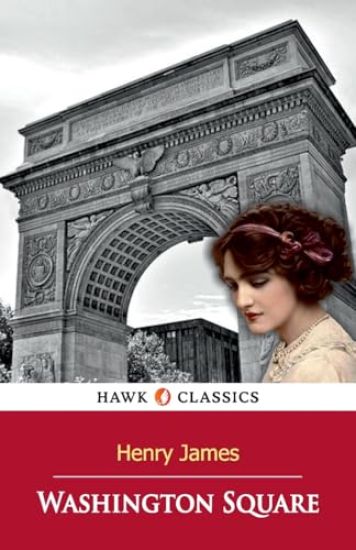
Set in New York City in the 1840s, this celebrated novel tells the story of Catherine Sloper, the docile and affectionate daughter of a well-to-do physician, who appears destined for a lifetime of spinsterhood with only the companionship of her sardonic father and fatuous aunt. When a flurry of attention from an attractive suitor causes the plain and unremarkable Catherine to fall deeply in love, the stage is set for a struggle of opposing wills between Catherine and her adored father. Dismayed by his prospective son-in-law's shallowness and lack of prospects, and strongly suspecting him of fortune-hunting, Dr. Sloper threatens Catherine with disinheritance and forces her into a choice between father and lover. As the tale unfolds, James explores, with acute psychological penetration and masterly storytelling skill, the moral consequences of the callous exploitation of trust and the ruthless manipulation of a tender heart. While this memorable story plays itself out in the vanished world of nineteenth-century New York, its underlying themes and moral concerns are timeless and universal.
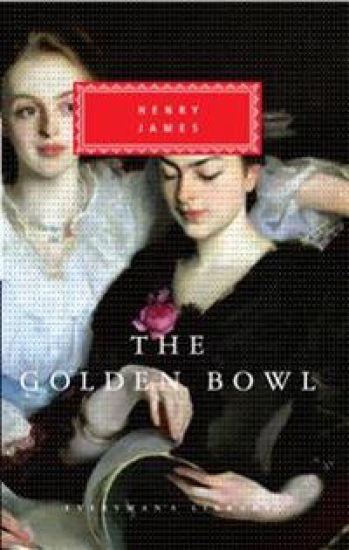
The wealthy American widower Adam Verver and his shy daughter, Maggie, live in Europe, closely tied through their love of art and their mutual admiration. Maggie's future seems assured when she becomes the wife of a charming, though impoverished, Italian prince. But when Adam marries his daughter's friend Charlotte Stant, unaware that she is the prince's mistress, the stage is set for a complex and indirect battle between the two wives. The brilliant Charlotte is determined to keep her lover, while Maggie is determined to protect her beloved father from any knoweldge of their shared betrayal. The acuity with which Henry James calibrates the four characters' delicately shifting alliances and documents the maturation of a na ve young woman marks this as a magnificent achievement. The Golden Bowl was not only James's last major work but also the novel in which his unparalleled gift for psychological drama reached its height. Introduction by Denis Donoghue
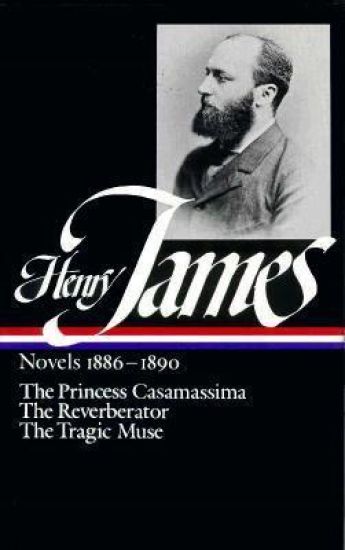
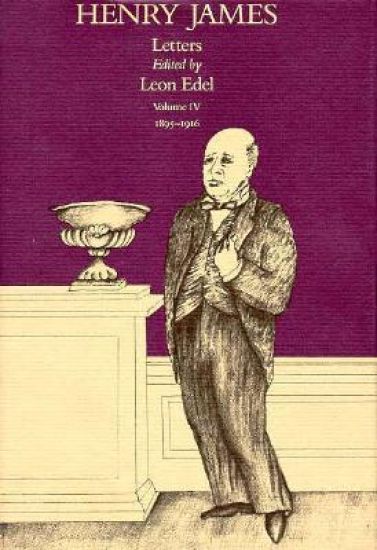
This volume, the conclusion of Leon Edel's splendid edition, rounds off a half century of work on James by the noted biographer-critic. In the letters of the novelist's last twenty years a new Henry James is revealed. Edel's generous selection shows us, as he says, a "looser, less formal, less distant" personality, a man writing with greater candor and with more emotional freedom, who "has at last opened himself up to the physical things of life." The decade embracing the turn of the century is the most productive period of James's career. Happily settled in an English country house and now dictating to a typist, he is able to write The Ambassadors, The Wings of the Dove, and The Golden Bowl in three years. The letters show clearly how his fiction turned from his world-famous tales of international society to the life of passion in his last novels. His new friends and correspondents include Conrad, H. G. Wells, Stephen Crane, Edith Wharton, and several young men to whom he writes curious, half-inhibited love letters. Mrs. Wharton, with her chauffered "chariot of fire," introduces him to the thrill of motoring and welcomes him into her cosmopolitan circle; to him she embodies the affluence and driving energy of the America of the Gilded Age. For the first time in over twenty years he revisits his homeland, traveling not only in the East but through the South to Florida and west to California. He is dismayed by the materialism he finds and the changed ways of life. Back in England, he plunges into several projects; for the New York edition of his works he revises the early novels and writes his famous prefaces. His relations with agents and publishers as well as family and friends are fully documented in the letters, as are his trips to the Continent and visits with Edith Wharton in Paris. His last years are darkened by a long siege of nervous ill health and by the death of his beloved brother William. But he carries on, moves back to London, and continues to work. Among the most eloquent of all his letters are those describing his anguished reaction to the Great War. To show his allegiance to the Allied cause, he becomes a British citizen, six months before his death. The volume concludes with his "final and fading words" dictated on his deathbed.
Washington Square is a short novel by Henry James. Originally published in 1880 as a serial in Cornhill Magazine and Harper's New Monthly Magazine, it is a structurally simple tragicomedy that recounts the conflict between a dull but sweet daughter and her brilliant, unemotional father. The plot of the novel is based upon a true story told to James by his close friend, British actress Fanny Kemble. The book is often compared with Jane Austen's work for the clarity and grace of its prose and its intense focus on family relationships.

Washington Square; The Pension Beaurepas; A Bundle of Letters
Henry James
Hutson Street Press
2025
pokkari

Washington Square; The Pension Beaurepas; A Bundle of Letters
Henry James
Hutson Street Press
2025
sidottu
The Golden Bowl (Collector's Edition) (Laminated Hardback with Jacket)
Henry James
Revive Classics
2025
sidottu