
Kirjailija
Hichem Karoui
Kirjat ja teokset yhdessä paikassa: 76 kirjaa, julkaisuja vuosilta 2012–2026, suosituimpiin kuuluu Aman and Empire. Vertaile teosten hintoja ja tarkista saatavuus suomalaisista kirjakaupoista.
76 kirjaa
Kirjojen julkaisuvuodet: 2012–2026.
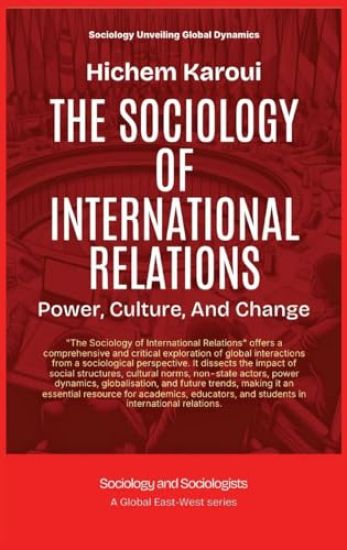
A Burning Issue: The Sociological Analysis of International RelationsThis publication brings a new angle to the understanding of international relations. Rather than focusing solely on the state, it approaches global interactions sociologically. This shift helps us better appreciate how social structures, cultures, including norms and identities as systems of governance, culture in particular, shape politics on the global stage. It also brings to the fore the fundamental roles of non-state actors. As the title suggests, at the heart of this work is advanced globalization and the dynamic social construction of international norms as values and their impacts on world affairs. Constructivism, as a major supporting theory, vividly illustrates how shared beliefs or collective identities continually shape the behaviours, policies and relations of states towards one another or international institutions. The book delves into the dynamic and contested nature of cultural norms and social identity within international politics, keeping readers engaged and intrigued. By dissecting the roles of corporations, non-governmental organisations, and transnational advocacy networks in international relations, the text redirects attention from the traditional scope of global governance. These non-state actors, with their transformative potential, engage with states and shape international norms, often catalysing change in human rights, environmental sustainability, and public health on a global scale. Power disparities and inequality issues constitute another crucial dimension of the analysis. The book analyses the social structure within which class, gender, race, and ethnic divisions dominate inequality in power and resources in the world system. It analyses the governance of world politics through one focus of critical theory. It seeks to answer why these inequalities exist and how more just international relations can be achieved. The conjunction of globalisation and international politics is thoroughly discussed in this book. It looks at the opportunities and challenges that arise from people, goods, and ideas crossing borders easily. To readers who wish to understand the phenomena responsible for global change, especially its processes, the impacts of these processes on culture and social identity will leave them feeling well-informed about current global preoccupations. By analysing the latest developments in global politics, this book positions itself as a guide to the future of international relations. It engages with the impacts new social movements, technologies, and changes in power relations have. This perspective equips readers with the knowledge to anticipate and understand the changing scope of international relations in an interlinked world, empowering them for the future.

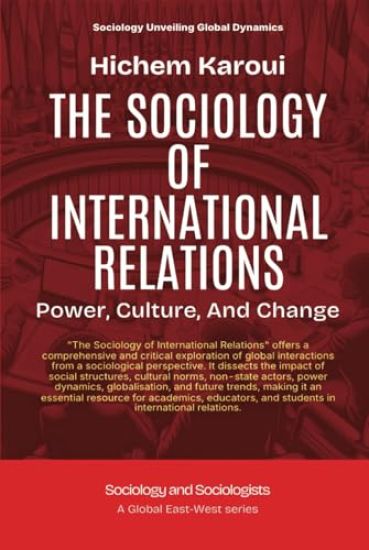
Understanding Global Dynamics: A Sociological Perspective on International RelationsThis book offers a fresh lens for understanding the complexities of global interactions. It departs from traditional state-centric approaches and examines the sociological aspects of international relations. This shift in perspective enlightens us on how social structures, cultural norms, and identities fundamentally shape the global political landscape while highlighting non-state actors' crucial roles. At its core, the work examines how international norms, values, and identities are socially constructed and impact global affairs. Constructivism serves as a key theoretical framework, demonstrating how shared beliefs and collective identities influence state behaviour, policy-making, and the development of international institutions. The book reveals the dynamic nature of global politics by analysing how cultural norms and social identities are negotiated within international contexts. The text significantly broadens traditional perspectives by examining how multinational corporations, NGOs, and transnational advocacy networks contribute to global governance. These non-state actors interact with governments and shape international norms, often driving progress in human rights, environmental protection, and global health. Power dynamics and inequality form another critical dimension of analysis. The book examines how social hierarchies based on class, gender, race, and ethnicity perpetuate disparities in power and resources across the global system. Through critical theory, it interrogates these inequalities and explores pathways toward more equitable international relations. The intersection of globalisation and international politics receives thorough attention in this book. It analyses how the increased movement of goods, people, and ideas across borders creates both opportunities and challenges. The impact of these processes on cultural identities and social relations provides readers with a comprehensive understanding of the forces driving global change, making them feel well-informed about the current global dynamics. Looking forward, the book explores emerging trends in global politics. It delves into the influence of new social movements, technological advancements, and shifting power dynamics. This forward-looking perspective equips readers with tools to anticipate and navigate the evolving nature of international relations in our increasingly interconnected world, making them feel prepared for the future.
This comprehensive book offers a unique lens through which we can understand the complexities of global interactions and the social dynamics that underpin them. It explores the sociological aspects of international relations, examining how social structures, cultural norms, and identities shape the global political landscape. It challenges traditional state-centric views by emphasising the roles of non-state actors and the social contexts that influence international politics. Designed to engage academics, educators, and students alike, this book provides a rich and nuanced understanding of how social forces interact with political realities on the international stage. In exploring the sociology of international relations, readers are invited to consider how international norms, values, and identities are socially constructed and how these constructs impact global affairs. One key concept in this exploration is 'constructivism', a sociological theory that elucidates how shared beliefs and collective identities shape state behaviour, influence policy-making, and contribute to the emergence of international institutions. By examining how cultural norms and social identities are negotiated and contested within international contexts, this work provides insights into global politics' fluid and dynamic nature. The book also addresses the significant role of non-state actors in international relations, shedding light on how multinational corporations, non-governmental organisations, and transnational advocacy networks contribute to global governance. It explores how these actors interact with states and influence international norms, often acting as catalysts for human rights, environmental protection, and global health change. By highlighting the impact of non-state actors, this book broadens the scope of international relations and challenges traditional notions of power and authority in the international system. A critical analysis of power dynamics and inequality is central to this book's exploration of the sociology of international relations. It examines how social hierarchies based on class, gender, race, and ethnicity influence global interactions and perpetuate disparities in power and resources. Through the lens of critical theory, the book interrogates how these inequalities are maintained and contested within the international system, offering perspectives on addressing and rectifying these imbalances. This critical approach encourages readers to consider the ethical implications of international policies and the potential for transformative change. The book also explores the intersection of globalisation and international relations, considering how international politics shape and shape global economic and social processes. It examines how globalisation has facilitated the movement of goods, people, and ideas across borders, creating new opportunities and challenges for states and societies. By analysing the impact of globalisation on cultural identities and social relations, the book provides a comprehensive understanding of the contemporary international landscape and the forces driving global change. This work culminates in discussing the future of international relations through a sociological lens, exploring emerging trends and potential developments in global politics. It considers how new social movements, technological advancements, and shifting power dynamics may influence the international system in the coming years. By offering a forward-looking perspective, the book equips readers with the tools to anticipate and understand the evolving nature of international relations, ensuring that readers feel prepared and proactive.

Tribal Histories And Social Structures In The Gulf
Hichem Karoui
Global East-West (London)
2025
pokkari
In "Tribal Histories and Social Structures in the Gulf," Dr Hichem Karoui intricately weaves together the complex threads of tribal dynamics, unveiling their profound influence on the Gulf's political and social landscape. As the fourth instalment in the acclaimed series "Knowledge of the Gulf," this volume extends the dialogue, offering a nuanced exploration of the enduring role tribes play in shaping regional governance and stability. With careful precision, Dr Karoui navigates through historical affiliations and deeply rooted social hierarchies, revealing their lasting imprint on the modern political architecture of the Gulf. In this masterful exploration of Gulf tribal dynamics, Dr Karoui presents a tour de force that transcends conventional academic boundaries. Through his meticulous research and profound understanding, he illuminates the intricate tapestry of tribal relationships that continue to shape the region's socio-political landscape. The work's significance lies in its ability to bridge seemingly disparate worlds - the ancient and the modern, the traditional and the progressive. Within its pages, readers discover how centuries-old tribal structures have not merely survived but adapted and thrived amidst sweeping changes brought by modernisation and globalisation. Consider the fascinating paradox Dr Karoui unveils: while oil wealth and technological advancement have transformed the Gulf's physical landscape beyond recognition, tribal affiliations continue to exert a subtle yet powerful influence on everything from business dealings to political allegiances. His analysis reveals how these traditional networks serve as both anchors of stability and catalysts for change. Particularly compelling is the author's examination of what he terms the "tribal-modern interface" - those crucial points where ancient customs meet contemporary challenges. Through carefully chosen case studies and rigorous analysis, he demonstrates how tribal communities have ingeniously adapted their traditional knowledge systems to address modern environmental and social challenges. The book's exploration of identity dynamics is especially nuanced, revealing how tribal allegiances interact with emerging national identities in ways that both complement and occasionally conflict with one another. This delicate balance, Dr Karoui argues, holds important lessons for understanding social cohesion in an increasingly globalised world. What emerges is not merely a historical account or sociological study, but rather a profound meditation on the enduring relevance of traditional social structures in our rapidly evolving world. It's a vital contribution to our understanding of how societies can maintain their cultural essence whilst embracing necessary change.
Dr. Hichem Karoui's *Cultural Exchange and Influence of The Gulf* offers a thoughtful and comprehensive exploration of the Gulf region's distinctive role as both a historical and contemporary centre of intercultural exchange. Drawing on historical analysis and modern relevance, the work examines the complex forces that have shaped the cultural, economic and social identity of this strategically vital region. The study's strength lies in its emphasis on the Gulf's geographical significance. Situated at the intersection of the Arabian Peninsula, the Indian subcontinent, East Africa and Persia, the Gulf has served as a dynamic bridge between diverse cultures, facilitating the exchange of goods, ideas and traditions. The book traces these patterns from ancient maritime trade routes to the modern impacts of globalisation and economic development, highlighting the region's enduring role in global interconnectedness. Central to the work is a detailed examination of cultural integration through centuries of migration. Dr. Karoui skilfully demonstrates how the continuous blending of diverse populations has enriched the Gulf's cultural mosaic and created distinctive identities that incorporate elements from various traditions. Through careful analysis of migration and economic patterns, the book provides valuable insights into how global forces have transformed the Gulf's social and cultural landscape. The work distinguishes itself through its analysis of the underlying geopolitical and socio-economic currents driving these exchanges. By placing the Gulf's narrative within the broader context of global history and international relations, Dr. Karoui shows how the region's influence extends beyond its role as a transit point. The Gulf emerges as an active participant in global cultural dialogue, its unique blend of languages, faiths, commerce and artistic expressions resonating well beyond its geographical boundaries. The book's value stems not only from its historical depth but also from its forward-looking approach. By combining thorough research with insightful commentary, the author contextualises the Gulf's ongoing development, from its literary renaissance to its cultural impact on the world stage. He connects this heritage to contemporary creative works inspired by the region's multicultural background, bridging traditional scholarship and modern artistic expression. For both academics and general readers, *Cultural Exchange and Influence of The Gulf* provides an essential framework for understanding the historical interplay of cultures and the contemporary narratives shaping the region. Dr. Karoui's work makes a significant contribution to fields spanning history, cultural studies and global geopolitics, offering a balanced assessment of a region that exemplifies the lasting impact of cultural exchange and the continuous evolution of identity.
In his groundbreaking work "Tech Ambassadors: Bridging Governments and Silicon Valley," Dr. Hichem Karoui masterfully dissects the emerging phenomenon of techplomacy. Gone are the days of traditional diplomatic channels; today's digital landscape demands a radical rethinking of how nations and tech giants interact. Through razor-sharp analysis and meticulously crafted case studies, Dr. Karoui unveils the intricate dance between government interests and Silicon Valley's relentless innovation. Some partnerships soar, while others stumble. Yet all illuminate the pressing need for technological sovereignty in our hyperconnected era. The book doesn't just theorize. It plunges deep into the trenches where tech diplomats wage daily battles against cybersecurity threats and wrestle with thorny data privacy issues. These modern-day ambassadors - equal parts policy wonk and tech guru - navigate a labyrinth of competing interests with remarkable agility. What sets this work apart? Perhaps it's the way Dr. Karoui weaves together seemingly disparate threads - a startup's disruptive algorithm here, a government regulation there - into a coherent tapestry of 21st-century statecraft. Or maybe it's his knack for spotting patterns in the chaos of global tech policy. For policymakers drowning in digital complexities, "Tech Ambassadors" throws a vital lifeline. Industry titans seeking to bridge the public-private divide will find invaluable insights within its pages. Scholars, too, will appreciate its rigorous analysis of how technology reshapes diplomatic norms. The stakes couldn't be higher. In an age where a single line of code can shake international relations, Dr. Karoui's roadmap for tech diplomacy isn't just timely - it's essential. Whether you're crafting policy in Washington, disrupting markets in Palo Alto, or studying global affairs, this book illuminates the path forward in our digitally intertwined world.
In Navigating Uncertainty: The Future of Global Governance and Influence, Dr Hichem Karoui embarks on an ambitious journey through the tangled web of modern geopolitics and international relations. This exploration unfurls in an epoch underscored by relentless change and unpredictability, revealing how our world is being reshaped at an unprecedented speed. The text serves as a compelling tapestry, weaving together threads of rising nationalism, shifting alliances, and the ascent of emerging powers, painting a vivid portrait of the current landscape. Diving deep into this intricate milieu, the author presents a series of thought-provoking chapters dissecting traditional governance frameworks' crumbling pillars. He probes into the profound impacts of technological breakthroughs, environmental crises, and vibrant social movements redefining global governance's essence. It is here, amidst this transformative chaos, that the implications for multilateral institutions become starkly apparent. The author analyzes these dynamics and reflects on bold, innovative strategies to cultivate cooperation amid a world that increasingly resembles a fragmented mosaic. As nations wrestle with the weighty complexities of interdependence, Navigating Uncertainty emerges as a timely and vital beacon. It deftly scrutinizes pathways for wielding influence in global policymaking - all while championing the imperative of sustainable development. This essential read is an indispensable resource for policymakers, academics, and passionate citizens alike, furnishing them with the crucial insights and tools necessary to traverse the labyrinth of our interconnected future. In conclusion, within this rich discourse landscape, the text offers not just analysis but a clarion call for adaptability and resilience in the face of uncertainty. It urges all stakeholders to engage with the shifting dynamics of influence, armed with a nuanced understanding of the complexities at play. As we chart our course forward, the lessons gleaned from this work will undoubtedly resonate, shaping the contours of global governance for years to come.

The book is a condensed guide to sociology, exploring its various aspects, theories, and methodologies. It covers the origins and development of sociology, key theoretical perspectives, social structures and institutions, social stratification and inequality, culture, religion, deviance, social change, and the future of sociology. It explores the evolution of sociology, emphasizing its origins, key theories, and the intricate relationship between social change and social movements. It discusses the significance of deviance and crime within sociological discourse, highlighting the importance of ethical considerations in research methods, such as participant observation, to gain nuanced insights into social behaviors. The book also addresses the role of social institutions in transmitting cultural values and norms, impacting socialization processes. Overall, it underscores the multifaceted nature of sociology and its relevance in understanding contemporary societal dynamics. Each section delves into foundational concepts and contemporary issues within the field, providing a rich overview for students and educators alike. Each chapter also includes key takeaways, questions for further thought, and references for further reading, making it a valuable resource for anyone looking to deepen their understanding of sociological principles and practices. By bridging the gap between theoretical frameworks and real-world applications, "What Is Sociology About?" empowers readers to understand and appreciate the dynamics of society in an ever-evolving world. Discover how sociology can illuminate our collective experiences and foster deeper connections within our communities.
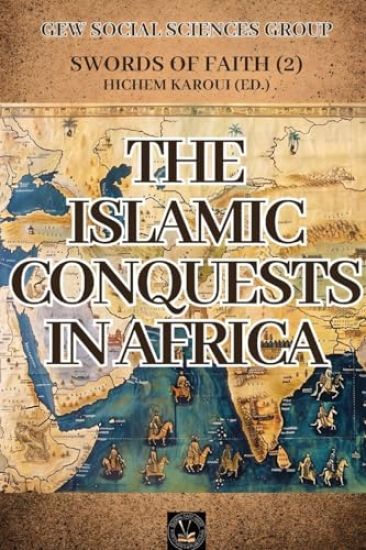
This is the second volume in a trilogy dedicated to the early expansion of Islam. The first was about Asia, the second is about Africa, and the third is about Europe. This book's research background focuses on the rise and expansion of Islamic empires from the 7th century onwards, highlighting their military conquests, strategic alliances, and cultural advancements. The approach is well motivated as it emphasizes Islam's transformative impact on the Arabian Peninsula and beyond. -The research methodology proposed in this study includes an analysis of historical events, military strategies, and the role of trade routes in facilitating the spread of Islam. -The tasks involve understanding the early Islamic conquests and their impact on regions like Persia, Byzantium, and North Africa. The performance achieved by these methods supports their goals by demonstrating the successful expansion and consolidation of Islamic rule. Methods -Analysis of the unification of Arabian tribes under Islam; -Examination of military tactics used by early Muslim armies; -Study of the role of trade routes in spreading Islamic teachings; -Exploration of diplomatic efforts and alliances formed by early Muslims; -Investigation of encounters with Byzantine and Persian Empires; -Detailed look at the conquest of the Arabian Peninsula and subsequent expansions. Conclusion: -The significance of this piece of work lies in its comprehensive examination of the factors that contributed to the rise and expansion of Islamic empires, providing valuable insights into the historical and cultural impact of these conquests. -Innovation point: The book highlights the innovative military tactics and strategic alliances that facilitated the rapid expansion of Islam in Africa. -Performance: The detailed analysis of historical events and military strategies effectively supports the study's goals. -Workload: The extensive coverage of various aspects of the early Islamic conquests demonstrates a thorough and well-researched approach.

The research background of this book is the rich and complex history of French sociology, characterized by rigorous intellectual inquiry and diverse theoretical perspectives that have profoundly impacted global sociology. The driving idea behind the book "Unlock the Legacy of French Sociology" is to provide a comprehensive exploration of the rich and influential history of French sociology. The book aims to detail the development of French sociological thought, examining the contributions of key figures like mile Durkheim, Pierre Bourdieu, and others. It also seeks to highlight both well-known and lesser-known aspects of French sociological theory, as well as contemporary trends and practical applications in modern research. The ultimate goal is to offer an authoritative reference and engaging read for students, scholars, and anyone interested in understanding the legacy and ongoing impact of French sociology on global sociological thought.-The research methodology proposed in this book involves a comprehensive examination of the development of French sociology, its historical context, key figures, and contributions to sociological theory and research. -The task is to provide an authoritative reference and engaging read for students, scholars, and anyone interested in understanding French sociology's history and influence. The performance achieved is a detailed exploration of French sociological thought, which supports their goals. Methods -Examination of the historical context of French sociology; -Analysis of key figures and their contributions to sociological theory; -Exploration of lesser-known but significant aspects of French sociological thought; -Discussion of contemporary trends and practical applications in modern research. Conclusion: -The significance of this piece of work lies in its detailed exploration of the rich and influential history of French sociology and its ongoing impact on sociological thought. -Innovation point: Comprehensive examination of both well-known and lesser-known aspects of French sociological thought; -Performance: Detailed and insightful analysis of key figures and theories; -Workload: Extensive research and synthesis of historical and contemporary sociological contributions.



Through 530 pages, Dr Hichem Karoui provides a detailed historical account of France's complex and evolving relationships with the Arab world. Delving into the diplomatic strategies employed by French leaders from Charles de Gaulle to Emmanuel Macron, this book offers a comprehensive analysis of how France navigated its role in the Middle East and North Africa over the decades. Exploring key events, alliances, and conflicts, it sheds light on the intricate web of political considerations that have shaped France's approach towards Arab countries. With meticulous research and insightful commentary, this book illuminates the nuances of French-Arab relations, highlighting the impact of historical legacies and contemporary challenges on the foreign policy decisions of successive French administrations. A must-read for anyone seeking a deeper understanding of the intricate dynamics at play in this crucial geopolitical arena. Discover the intricate and often tumultuous relationship between France and the Arab world in "France's Arab Policy: From De Gaulle to Macron." Renowned French scholar and expert in the Arab and Islamic world, Dr. Hichem Karoui, meticulously examines the strategic, political, and cultural dimensions that have shaped France's interactions with Arab nations over the past six decades. From Charles de Gaulle's visionary diplomacy to Emmanuel Macron's contemporary challenges, this comprehensive analysis delves into the key events, decisions, and policies that have defined France's foreign relations in the Middle East and North Africa. Dr Karoui provides an unparalleled perspective on how historical legacies, economic interests, and geopolitical dynamics have influenced France's approach to Arab countries." France's Arab Policy" offers readers a deep understanding of how French presidents navigated complex alliances, conflicts, and opportunities, revealing the enduring impact of their choices on today's global stage. Whether you are a student of international relations, a historian, or simply intrigued by the dynamics of global diplomacy, this book is an essential addition to your collection. Join Dr. Hichem Karoui on a captivating journey through the past and present of France's Arab policy, uncovering the strategies and stories that continue to shape the future.

The Dolce Vita ( The Morning of the Mogul Part Three)This is the tenth and last instalment of the series "The Morning of the Mogul". The first episode began with the detention of Bassam Bourasin, an anti-here in demeanour and mindset. The final episode reveals a surprising development of the character that is a complete cycle in the lives of men, communities; and regimes, reproducing always the same schemes. In the gripping conclusion to the series "The Morning of the Mogul", readers are taken on a thrilling journey through the transformation of Bassam Bourasin, from antihero to unexpected hero. As Bourasin marries into power and navigates the complex political: landscape of an imposed Islamist government, he finds himself torn between loyalty and ambition. Will his newfound success as an entrepreneur lead him to embrace his role as a national hero, or will his past catch up with him as he takes on the presidency of the 'Ouja cell party? Packed with twists and turns, this final instalment explores themes of power, loyalty and redemption in a world where nothing is as it seems.

"Angry Africa: A Study on Post-Colonialism and How France-Afrique Policy Led to Anti-French Coups" presents a comprehensive analysis of the complex relationship between France and its former African colonies. Authoritative and meticulously researched, this book delves into the historical, political, and economic factors that have shaped the post-colonial landscape in Africa. With a keen focus on the neocolonial France-Afrique policy, the author painstakingly examines how France's interference in African affairs has perpetuated instability, corruption, and anti-French sentiments across the continent. Drawing on extensive primary sources and scholarly literature, this study offers valuable insights into power dynamics, exploitation, and resistance in the post-colonial era. A compelling and thought-provoking work, Angry Africa illuminates colonialism's enduring legacy and underscores the urgency of reevaluating international relations between Africa and its former colonizers.