
Kirjailija
Idries Shah
Kirjat ja teokset yhdessä paikassa: 643 kirjaa, julkaisuja vuosilta 1991–2026, suosituimpiin kuuluu Die Seun Sonder 'n Stem en die Mans Wat Nie Kon Hoor Nie. Vertaile teosten hintoja ja tarkista saatavuus suomalaisista kirjakaupoista.
643 kirjaa
Kirjojen julkaisuvuodet: 1991–2026.
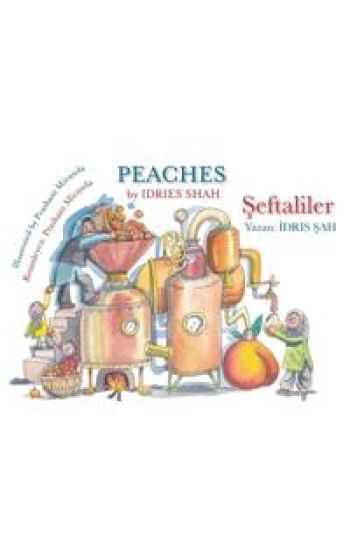
(Bilingual English-Turkish edition) In a land where families pride themselves on the best way to prepare peaches, neighbors compete furiously to outdo one another to find the true essence of the fruit. Their ever-more-complicated extraction processes are so competitive and convoluted that the people completely fail to benefit from the actual peach. Even young children will see the foolishness of over-complication and competition illustrated in this delightful tale. This story is one of many teaching stories collected and adapted by the Afghan philosopher Idries Shah, who told them to his own children to promote thinking skills and impart wisdom. These unique tales have their roots in Central Asia and the Middle East. They are published now in beautifully illustrated editions, so as to appeal both to children in the lands in which they originated and to children in the West, the aim being to teach through humor and example, and to draw attention to our commonalties.(İngilizce-T rk e İki Dilli Baskı) Aileler i in en b y k v n kaynağının şeftaliyi en iyi şekilde hazırlamak olduğu bir diyarda, komşular meyvenin ger ek z n bulabilmek i in birbirleriyle kıyasıya rekabet etmektedir. Rakiplerin aşırı hırsı nedeniyle her ge en g n daha da i inden ıkılmaz hale gelen has şeftaliye ulaşma y ntemleri o kadar karmaşıktır ki, şeftalinin asıl kendisinden faydalanma konusunda tamamen başarısız olurlar. K k ocuklar bile bu keyifli masal sayesinde aşırı karmaşıklığın ve rekabetin ne kadar ahmak a olduğunu anlayacaklar. Bu hik ye, Afgan filozof İdris Şah'ın d ş nme becerilerini geliştirmek ve bilgelik aşılamak i in kendi ocuklarına anlattığı, derlediği ve uyarladığı pek ok ğretici hik yeden biri. Bu eşsiz masalların k kleri Orta Asya ve Orta Doğu'ya dayanıyor. Artık, hem ortaya ıktıkları topraklardaki ocuklara hem de Batı'daki ocuklara hitap edecek şekilde, mizah ve rnek verme yoluyla ğretmeyi ve ortak noktalarımıza dikkat ekmeyi ama layarak, zenle resimlendirilmiş olarak yayınlanıyorlar.
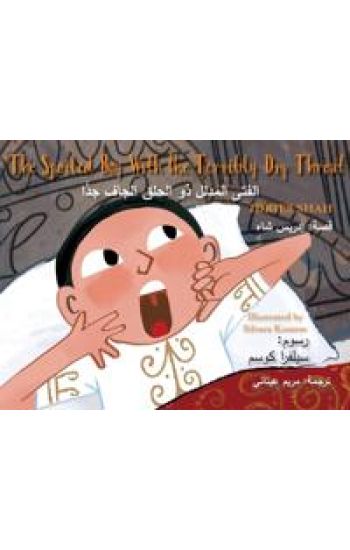
(Bilingual English-Arabic edition) When a little boy wakes up with a dry throat, those around him run about trying to work out what caused the condition. One by one, servants, doctors, and medical students try remedies that only complicate the situation and make the condition worse, ignoring what readers will see as the obvious solution. This is one of a series of illustrated books for the young written by the Afghan philosopher and educator Idries Shah, whose collections of narratives and teaching stories have captivated the hearts and minds of people from all walks of life. It belongs to a rich storytelling tradition from Afghanistan, Central Asia and the Middle East that is more than 1,000 years old. Teaching stories are designed specifically to foster thinking skills and perception. They suggest in their structure and in the movement of their characters ways of looking at difficulties that can help solve them. This story illustrates in a very humorous way just how foolish people can be when they fail to consider a situation before springing into action.
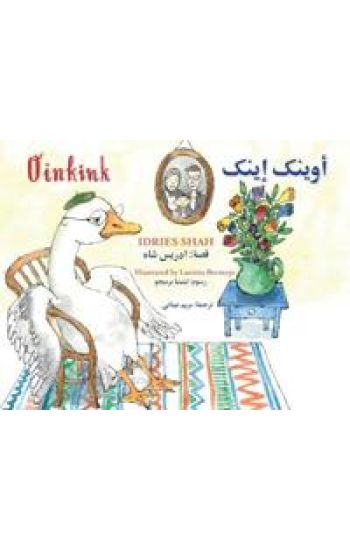
(Bilingual English-Arabic edition) In this very humorous tale, a man greedily hopes to have the skills and senses of a different animal but is so impatient to have his wish granted that he finds himself limiting his abilities, rather than enhancing them. This is one of a series of illustrated books for the young written by the Afghan philosopher and educator Idries Shah, whose collections of narratives and teaching stories have captivated the hearts and minds of people from all walks of life. It belongs to a rich storytelling tradition from Afghanistan, Central Asia and the Middle East that is more than 1,000 years old. These stories are not only entertaining; they are designed specifically to foster thinking skills and perception. They suggest, in their structure and in the movement of their characters, ways of looking at difficulties that can help solve them. Among other things, this simple story shows children how a blind impulse to "win," without considering the consequences, can end up having the opposite effect.
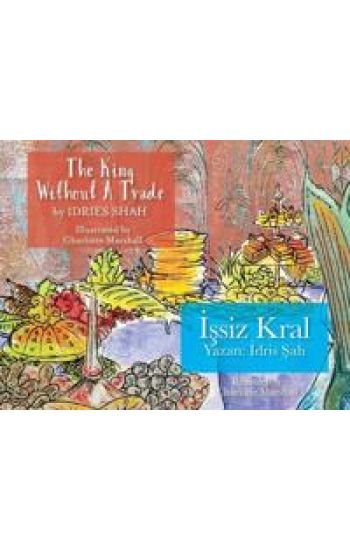
(Bilingual English-Turkish edition) A king, who wants for nothing, learns that a life of plenty doesn't make up for a lack of skills or common sense. Once he has learned his lesson, the king is careful to make sure that his daughter marries a man who can earn his own living. Rather than the usual happily-ever-after story of a prince and princess, this tale shows children that taking the time to learn is far better, in the long run, than being handed everything on a plate. This story is one of many teaching stories collected and adapted by the Afghan philosopher Idries Shah, who told them to his own children to promote thinking skills and impart wisdom. These unique tales have their roots in Central Asia and the Middle East. They are published now in beautifully illustrated editions, so as to appeal both to children in the lands in which they originated and to children in the West, the aim being to teach through humor and example, and to draw attention to our commonalties.(İngilizce-T rk e İki Dilli Baskı) İhtiyacı olan her şeye sahip olan bir kral, bolluk i inde ge en bir hayatın beceri ya da sağduyu eksikliğini telafi edemeyeceğini ğrenir. Kral, dersini aldıktan sonra, kızının kendi hayatını kazanabilecek bir adamla evlenmesine zen g sterir. Bu masal ocuklara, alışılagelmiş mutlu prens ve prenses hik yesinden ziyade, bir şeyler ğrenmek i in zaman harcamanın uzun vadede her şeyin insanın n ne bir tabakta sunulmasından ok daha yararlı olduğunu g steriyor. Bu hik ye, Afgan filozof İdris Şah'ın d ş nme becerilerini geliştirmek ve bilgelik aşılamak i in kendi ocuklarına anlattığı, derlediği ve uyarladığı pek ok ğretici hik yeden biri. Bu eşsiz masalların k kleri Orta Asya ve Orta Doğu'ya dayanıyor. Artık, hem ortaya ıktıkları topraklardaki ocuklara hem de Batı'daki ocuklara hitap edecek şekilde, mizah ve rnek verme yoluyla ğretmeyi ve ortak noktalarımıza dikkat ekmeyi ama layarak, zenle resimlendirilmiş olarak yayınlanıyorlar.
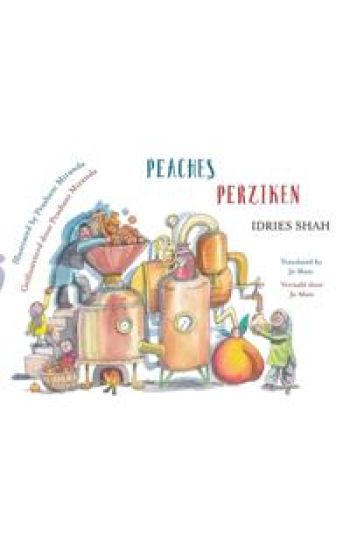
(Bilingual English-Dutch edition) In a land where families pride themselves on the best way to prepare peaches, neighbors compete furiously to outdo one another to find the true essence of the fruit. Their ever-more-complicated extraction processes are so competitive and convoluted that the people completely fail to benefit from the actual peach. Even young children will see the foolishness of over-complication and competition illustrated in this delightful tale. This story is one of many teaching stories collected and adapted by the Afghan philosopher Idries Shah, who told them to his own children to promote thinking skills and impart wisdom. These unique tales have their roots in Central Asia and the Middle East. They are published now in beautifully illustrated editions, so as to appeal both to children in the lands in which they originated and to children in the West, the aim being to teach through humor and example, and to draw attention to our commonalties.(Tweetalige Engels-Nederlands editie) In een land waar families trots zijn op de beste manier om perziken te bereiden, wedijveren buren heftig met elkaar om de ware essentie van de vrucht te vinden. Hun steeds ingewikkelder extractieprocessen zijn zo competitief en ingewikkeld dat ze volledig voorbijgaan aan de eigenlijke perzik. Zelfs jonge kinderen zullen de dwaasheid van overcomplicatie en concurrentie ge llustreerd zien in dit verrukkelijke verhaal. Dit verhaal is een van de vele leerzame verhalen die de Afghaanse filosoof Idries Shah heft verzameld en bewerkt. Hij vertelde ze aan zijn eigen kinderen om het denkvermogen en wijsheid te bevorderen. Deze unieke verhalen vinden hun oorsprong in Centraal-Azi en het Midden-Oosten. Ze worden nu gepubliceerd, prachtig ge llustreerd, zodat ze zowel kinderen in de landen waar ze vandaan komen als kinderen in het westen aanspreken, met als doel te onderwijzen door middel van humor en voorbeelden en de aandacht te vestigen op onze gemeenschappelijkheden.
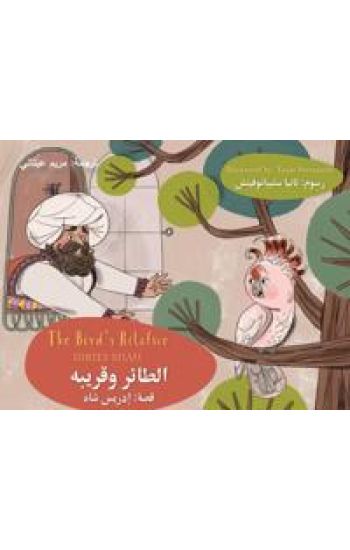
(Bilingual English-Arabic edition) A wealthy merchant's prize possession is a beautiful bird. Believing that he loves the exotic creature too much to set it free, the merchant discovers that animals are sometimes better at learning by example than humans. This is one of a series of illustrated books for the young written by the Afghan philosopher and educator Idries Shah, whose collections of narratives and teaching stories have captivated the hearts and minds of people from all walks of life. It belongs to a rich storytelling tradition from Afghanistan, Central Asia and the Middle East that is more than 1,000 years old. These tales are more than entertaining; they are designed specifically to foster thinking skills and perception. They suggest in their structure and in the movement of their characters ways of looking at difficulties that can help solve them. Children will learn that it is good to observe others in order to learn, and that sometimes the actions of others are not all that they first seem to be.
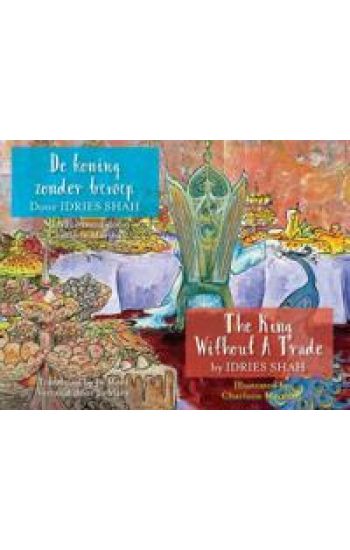
(Bilingual English-Dutch edition) A king, who wants for nothing, learns that a life of plenty doesn't make up for a lack of skills or common sense. Once he has learned his lesson, the king is careful to make sure that his daughter marries a man who can earn his own living. Rather than the usual happily-ever-after story of a prince and princess, this tale shows children that taking the time to learn is far better, in the long run, than being handed everything on a plate. This story is one of many teaching stories collected and adapted by the Afghan philosopher Idries Shah, who told them to his own children to promote thinking skills and impart wisdom. These unique tales have their roots in Central Asia and the Middle East. They are published now in beautifully illustrated editions, so as to appeal both to children in the lands in which they originated and to children in the West, the aim being to teach through humor and example, and to draw attention to our commonalties.(Tweetalige Engels-Nederlands editie) Een koning, die niets wil, leert dat een leven in overvloed een gebrek aan vaardigheden of gezond verstand niet goedmaakt. Als hij zijn lesje heeft geleerd, zorgt de koning ervoor dat zijn dochter trouwt met een man die zijn eigen brood kan verdienen. In plaats van het gebruikelijke happy end verhaal van een prins en prinses, laat dit verhaal kinderen zien dat de tijd nemen om te leren op de lange termijn veel beter is dan alles op een presenteerblaadje te krijgen. Dit verhaal is een van de vele leerzame verhalen die de Afghaanse filosoof Idries Shah heeft verzameld en bewerkt. Hij vertelde ze aan zijn eigen kinderen om het denkvermogen en wijsheid te bevorderen. Deze unieke verhalen vinden hun oorsprong in Centraal-Azi en het Midden-Oosten. Ze worden nu gepubliceerd, prachtig ge llustreerd, zodat ze zowel kinderen in de landen waar ze vandaan komen als kinderen in het westen aanspreken, met als doel te onderwijzen door middel van humor en voorbeelden en de aandacht te vestigen op onze gemeenschappelijkheden.
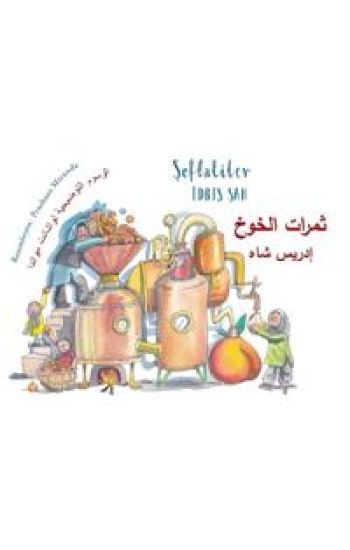
(T rk e-Arap a iki dilli baskı) Aileler i in en b y k v n kaynağının şeftaliyi en iyi şekilde hazırlamak olduğu bir diyarda, komşular meyvenin ger ek z n bulabilmek i in birbirleriyle kıyasıya rekabet etmektedir. Rakiplerin aşırı hırsı nedeniyle her ge en g n daha da i inden ıkılmaz hale gelen has şeftaliye ulaşma y ntemleri o kadar karmaşıktır ki, şeftalinin asıl kendisinden faydalanma konusunda tamamen başarısız olurlar. K k ocuklar bile bu keyifli masal sayesinde aşırı karmaşıklığın ve rekabetin ne kadar ahmak a olduğunu anlayacaklar. Bu hik ye, Afgan filozof İdris Şah'ın d ş nme becerilerini geliştirmek ve bilgelik aşılamak i in kendi ocuklarına anlattığı, derlediği ve uyarladığı pek ok ğretici hik yeden biri. Bu eşsiz masalların k kleri Orta Asya ve Orta Doğu'ya dayanıyor. Artık, hem ortaya ıktıkları topraklardaki ocuklara hem de Batı'daki ocuklara hitap edecek şekilde, mizah ve rnek verme yoluyla ğretmeyi ve ortak noktalarımıza dikkat ekmeyi ama layarak, zenle resimlendirilmiş olarak yayınlanıyorlar.
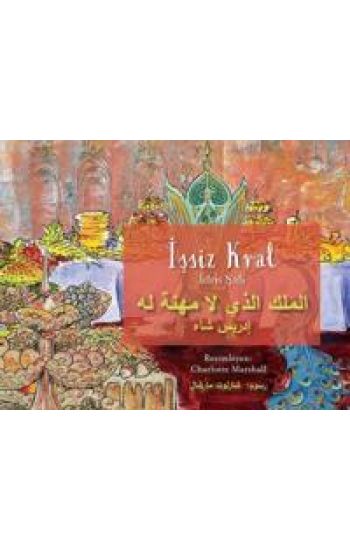
(T rk e-Arap a iki dilli baskı) İhtiyacı olan her şeye sahip olan bir kral, bolluk i inde ge en bir hayatın beceri ya da sağduyu eksikliğini telafi edemeyeceğini ğrenir. Kral, dersini aldıktan sonra, kızının kendi hayatını kazanabilecek bir adamla evlenmesine zen g sterir. Bu masal ocuklara, alışılagelmiş mutlu prens ve prenses hik yesinden ziyade, bir şeyler ğrenmek i in zaman harcamanın uzun vadede her şeyin insanın n ne bir tabakta sunulmasından ok daha yararlı olduğunu g steriyor.
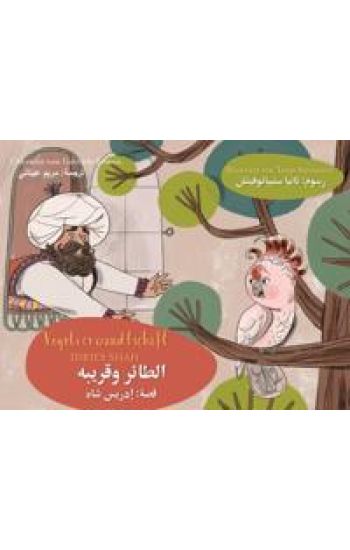
(Zweisprachige Ausgabe Deutsch-Arabisch) Der wertvollste Besitz eines wohlhabenden Kaufmanns ist ein wundersch ner Vogel. W hrend er glaubt, dass er das exotische Tier zu sehr liebt, um es freizulassen, lernt der Kaufmann, dass Tiere manchmal besser durch ein Beispiel lernen k nnen als Menschen. Dies ist eines aus einer Serie illustrierter Kinderb cher des afghanischen Philosophen und Lehrers Idries Shah, dessen Sammlung von Erz hlungen und Lehrgeschichten die Herzen und Gem ter aus allen Lebensbereichen in ihren Bann gezogen haben. Es geh rt in die reiche Geschichtenerz hler-Tradition Afghanistans, Zentralasiens und des Mittleren Ostens, die ber 1000 Jahre alt ist. Die Kinder lernen, dass es gut ist, Andere zu beobachten, wenn man etwas lernen will und dass manchmal die Taten der Anderen nicht das sind, was sie zun chst erscheinen.
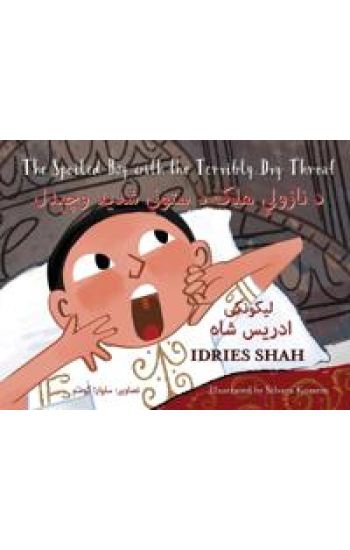
The Spoiled Boy with the Terribly Dry Throat: Bilingual English-Pashto Edition
Idries Shah
Hoopoe Books
2023
nidottu
(Bilingual English-Pashto edition) When a little boy wakes up with a dry throat, those around him run about trying to work out what caused the condition. One by one, servants, doctors, and medical students try remedies that only complicate the situation and make the condition worse, ignoring what readers will see as the obvious solution. This is one of a series of illustrated books for the young written by the Afghan philosopher and educator Idries Shah, whose collections of narratives and teaching stories have captivated the hearts and minds of people from all walks of life. It belongs to a rich storytelling tradition from Afghanistan, Central Asia and the Middle East that is more than 1,000 years old. Teaching stories are designed specifically to foster thinking skills and perception. They suggest in their structure and in the movement of their characters ways of looking at difficulties that can help solve them. This story illustrates in a very humorous way just how foolish people can be when they fail to consider a situation before springing into action.
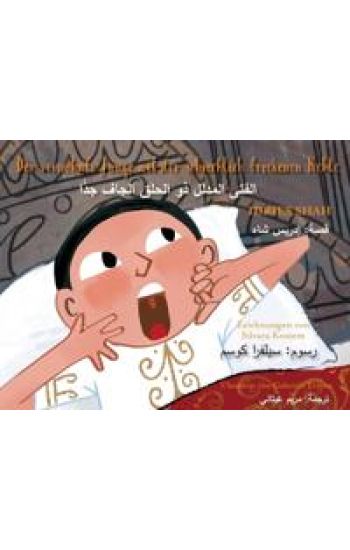
Der verwöhnte Junge mit der schrecklich trockenen Kehle: Zweisprachige Ausgabe Deutsch-Arabisch
Idries Shah
Hoopoe Books
2023
nidottu
(Zweisprachige Ausgabe Deutsch-Arabisch) Als ein kleiner Junge mit einer trockenen Kehle aufwacht, laufen die Leute wild um ihn herum, um herauszufinden, wie es dazu kommen konnte. Einer nach dem anderen, Diener, rzte und Medizinstudenten, versuchen es mit Arzneien, die die Situation versch rfen und den Zustand nur verschlimmern, und ignorieren dabei, was der Leser als die naheliegende L sung erkennen wird. Dies ist eines aus einer Serie illustrierter Kinderb cher des afghanischen Philosophen und Lehrers Idries Shah, dessen Sammlung von Erz hlungen und Lehrgeschichten die Herzen und Gem ter aus allen Lebensbereichen in ihren Bann gezogen haben. Es geh rt in die reiche Geschichtenerz hler- Tradition Afghanistans, Zentralasiens und des Mittleren Ostens, die ber 1000 Jahre alt ist. Lehrgeschichten sind speziell darauf ausgerichtet, das Denken und die Wahrnehmung zu f rdern. Sie zeigen in ihrer Struktur und in der Bewegung ihrer Figuren solche Wege auf, Schwierigkeiten zu betrachten, die zur L sung von Problemen beitragen k nnen. Diese Geschichte zeigt auf eine sehr humorvolle Weise, wie t richt die Leute sein k nnen, wenn sie eine Situation nicht erst berdenken, bevor sie zur Tat schreiten.

(Zweisprachige Ausgabe Deutsch-Arabisch) In dieser sehr humorvollen Geschichte hofft ein Mann gierig darauf, die F higkeiten und Sinne eines anderen Tieres zu besitzen, ist aber so ungeduldig, seinen Wunsch erf llt zu bekommen, dass er sich dabei selbst in seinen F higkeiten einschr nkt, anstatt sie zu verbessern. Dies ist eines aus einer Serie illustrierter Kinderb cher des afghanischen Philosophen und Lehrers Idries Shah, dessen Sammlung von Erz hlungen und Lehrgeschichten die Herzen und Gem ter aus allen Lebensbereichen in ihren Bann gezogen haben. Es geh rt in die reiche Geschichtenerz hler- Tradition Afghanistans, Zentralasiens und des Mittleren Ostens, die ber 1000 Jahre alt ist. Lehrgeschichten sind speziell darauf ausgerichtet, das Denken und die Wahrnehmung zu f rdern. Sie zeigen in ihrer Struktur und in der Bewegung ihrer Figuren solche Wege auf, Schwierigkeiten zu betrachten, die zur L sung von Problemen beitragen k nnen. Unter anderem zeigt diese einfache Geschichte den Kindern, wie ein blinder Impuls zu "gewinnen" - ohne die Konsequenzen zu bedenken - zum gegenteiligen Effekt f hren kann.
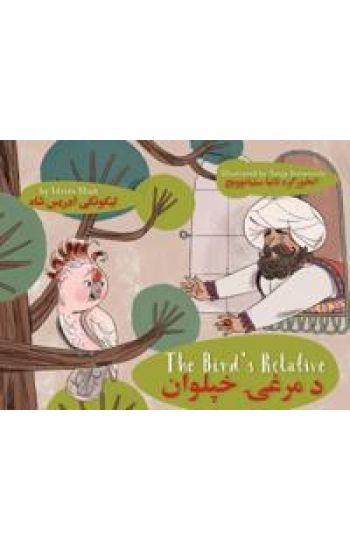
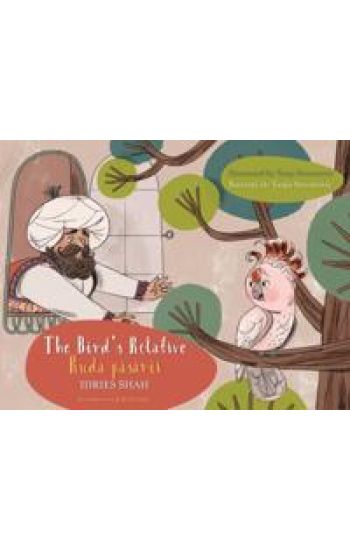
The Bird's Relative: Bilingual English-Pashto Edition
Idries Shah
Hoopoe Books
2023
nidottu
Halvin toimitettuna 19,10 €
(Bilingual English-Pashto edition) A wealthy merchant's prize possession is a beautiful bird. Believing that he loves the exotic creature too much to set it free, the merchant discovers that animals are sometimes better at learning by example than humans. This is one of a series of illustrated books for the young written by the Afghan philosopher and educator Idries Shah, whose collections of narratives and teaching stories have captivated the hearts and minds of people from all walks of life. It belongs to a rich storytelling tradition from Afghanistan, Central Asia and the Middle East that is more than 1,000 years old. These tales are more than entertaining; they are designed specifically to foster thinking skills and perception. They suggest in their structure and in the movement of their characters ways of looking at difficulties that can help solve them. Children will learn that it is good to observe others in order to learn, and that sometimes the actions of others are not all that they first seem to be.
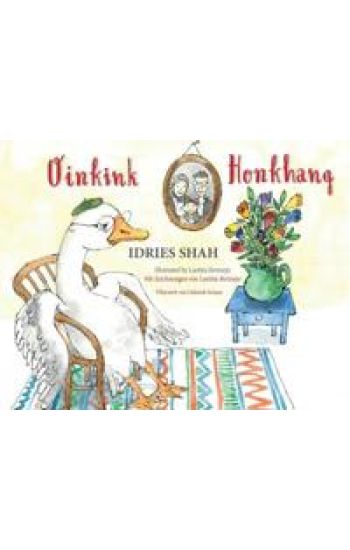
(Bilingual English-German edition) In this very humorous tale, a man greedily hopes to have the skills and senses of a different animal but is so impatient to have his wish granted that he finds himself limiting his abilities, rather than enhancing them. This is one of a series of illustrated books for the young written by the Afghan philosopher and educator Idries Shah, whose collections of narratives and teaching stories have captivated the hearts and minds of people from all walks of life. It belongs to a rich storytelling tradition from Afghanistan, Central Asia and the Middle East that is more than 1,000 years old. These stories are not only entertaining; they are designed specifically to foster thinking skills and perception. They suggest, in their structure and in the movement of their characters, ways of looking at difficulties that can help solve them. Among other things, this simple story shows children how a blind impulse to "win," without considering the consequences, can end up having the opposite effect.(Zweisprachige Ausgabe Englisch-Deutsch) In dieser sehr humorvollen Geschichte hofft ein Mann gierig darauf, die F higkeiten und Sinne eines anderen Tieres zu besitzen, ist aber so ungeduldig, seinen Wunsch erf llt zu bekommen, dass er sich dabei selbst in seinen F higkeiten einschr nkt, anstatt sie zu verbessern. Dies ist eines aus einer Serie illustrierter Kinderb cher des afghanischen Philosophen und Lehrers Idries Shah, dessen Sammlung von Erz hlungen und Lehrgeschichten die Herzen und Gem ter aus allen Lebensbereichen in ihren Bann gezogen haben. Es geh rt in die reiche Geschichtenerz hler-Tradition Afghanistans, Zentralasiens und des Mittleren Ostens, die ber 1000 Jahre alt ist. Unter anderem zeigt diese einfache Geschichte den Kindern, wie ein blinder Impuls zu "gewinnen" - ohne die Konsequenzen zu bedenken - zum gegenteiligen Effekt f hren kann.
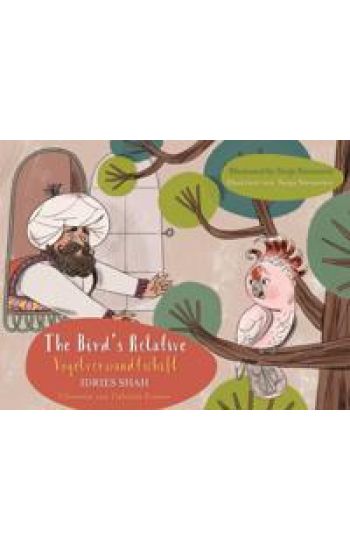
(Bilingual English-German edition) A wealthy merchant's prize possession is a beautiful bird. Believing that he loves the exotic creature too much to set it free, the merchant discovers that animals are sometimes better at learning by example than humans. This is one of a series of illustrated books for the young written by the Afghan philosopher and educator Idries Shah, whose collections of narratives and teaching stories have captivated the hearts and minds of people from all walks of life. It belongs to a rich storytelling tradition from Afghanistan, Central Asia and the Middle East that is more than 1,000 years old. These tales are more than entertaining; they are designed specifically to foster thinking skills and perception. They suggest in their structure and in the movement of their characters ways of looking at difficulties that can help solve them. Children will learn that it is good to observe others in order to learn, and that sometimes the actions of others are not all that they first seem to be.(Zweisprachige Ausgabe Englisch-Deutsch) Der wertvollste Besitz eines wohlhabenden Kaufmanns ist ein wundersch ner Vogel. W hrend er glaubt, dass er das exotische Tier zu sehr liebt, um es freizulassen, lernt der Kaufmann, dass Tiere manchmal besser durch ein Beispiel lernen k nnen als Menschen. Dies ist eines aus einer Serie illustrierter Kinderb cher des afghanischen Philosophen und Lehrers Idries Shah, dessen Sammlung von Erz hlungen und Lehrgeschichten die Herzen und Gem ter aus allen Lebensbereichen in ihren Bann gezogen haben. Es geh rt in die reiche Geschichtenerz hler-Tradition Afghanistans, Zentralasiens und des Mittleren Ostens, die ber 1000 Jahre alt ist. Die Kinder lernen, dass es gut ist, Andere zu beobachten, wenn man etwas lernen will und dass manchmal die Taten der Anderen nicht das sind, was sie zun chst erscheinen.
The Spoiled Boy with the Terribly Dry Throat / Der verwöhnte Junge mit der schrecklich trockenen Kehle
Idries Shah
Hoopoe Books
2023
pokkari
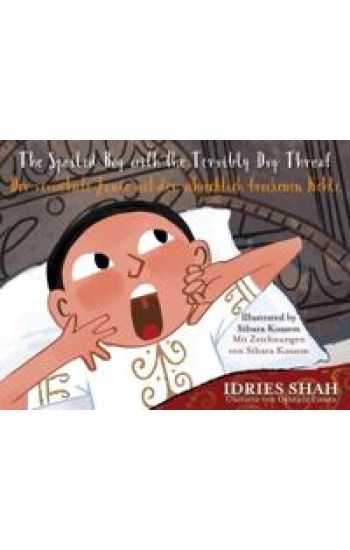
(Bilingual English-German edition) When a little boy wakes up with a dry throat, those around him run about trying to work out what caused the condition. One by one, servants, doctors, and medical students try remedies that only complicate the situation and make the condition worse, ignoring what readers will see as the obvious solution. This is one of a series of illustrated books for the young written by the Afghan philosopher and educator Idries Shah, whose collections of narratives and teaching stories have captivated the hearts and minds of people from all walks of life. It belongs to a rich storytelling tradition from Afghanistan, Central Asia and the Middle East that is more than 1,000 years old. Teaching stories are designed specifically to foster thinking skills and perception. They suggest in their structure and in the movement of their characters ways of looking at difficulties that can help solve them. This story illustrates in a very humorous way just how foolish people can be when they fail to consider a situation before springing into action.(Zweisprachige Ausgabe Englisch-Deutsch) Als ein kleiner Junge mit einer trockenen Kehle aufwacht, laufen die Leute wild um ihn herum, um herauszufinden, wie es dazu kommen konnte. Einer nach dem anderen, Diener, rzte und Medizinstudenten, versuchen es mit Arzneien, die die Situation versch rfen und den Zustand nur verschlimmern, und ignorieren dabei, was der Leser als die naheliegende L sung erkennen wird. Dies ist eines aus einer Serie illustrierter Kinderb cher des afghanischen Philosophen und Lehrers Idries Shah, dessen Sammlung von Erz hlungen und Lehrgeschichten die Herzen und Gem ter aus allen Lebensbereichen in ihren Bann gezogen haben. Es geh rt in die reiche Geschichtenerz hler-Tradition Afghanistans, Zentralasiens und des Mittleren Ostens, die ber 1000 Jahre alt ist. Diese Geschichte zeigt auf eine sehr humorvolle Weise, wie t richt die Leute sein k nnen, wenn sie eine Situation nicht erst berdenken, bevor sie zur Tat schreiten.
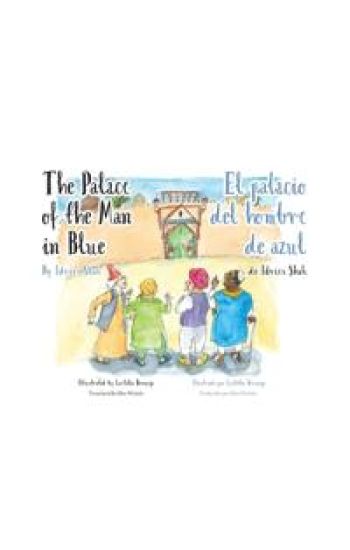
(Bilingual English-Spanish edition) Four traveling merchants stumble upon a magnificent palace. Once inside, they meet a mysterious man dressed in blue, and things happen that make them each question their past experiences and assumptions. Through reading this imaginative tale, children learn that looks can be deceptive, and that there are deeper reasons to help others than we might at first assume. This story is one of many teaching stories collected and adapted by the Afghan philosopher Idries Shah, who told them to his own children to promote thinking skills and impart wisdom. These unique tales have their roots in Central Asia and the Middle East. They are published now, beautifully illustrated, so as to appeal to children in the lands in which they originated and to children in the West, the aims being to teach through humor and example and to draw attention to our commonalities.(Edici n biling e ingl s-espa ol) Cuatro mercaderes ambulantes se topan con un magn fico palacio. Una vez dentro, se encuentran con un misterioso hombre vestido de azul, y las cosas que suceden entonces les hacen cuestionar sus experiencias pasadas y sus suposiciones. A trav s de la lectura de este imaginativo cuento, los ni os aprenden que las apariencias pueden ser enga osas y que las razones para ayudar a los dem s son m s profundas de lo que podr amos suponer. Esta es una de las muchas historias did cticas recopiladas y adaptadas por el fil sofo afgano Idries Shah, quien se las contaba a sus propios hijos a fin de estimular el pensamiento e impartir sabidur a. Estos singulares cuentos tienen sus ra ces en Asia Central y Medio Oriente. Esta versi n bellamente ilustrada atraer a los ni os de las regiones donde se originaron, as como a los del mundo occidental. El objetivo es ense ar a trav s del humor y el ejemplo y llamar la atenci n sobre lo que tenemos en com n.