Kirjojen hintavertailu – 12 871 288 kirjaa ja 27 kauppaa

Kirjailija

Idries Shah

Kirjat ja teokset yhdessä paikassa: 643 kirjaa, julkaisuja vuosilta 1991–2026, suosituimpiin kuuluu Die Seun Sonder 'n Stem en die Mans Wat Nie Kon Hoor Nie. Vertaile teosten hintoja ja tarkista saatavuus suomalaisista kirjakaupoista.

643 kirjaa

Kirjojen julkaisuvuodet: 1991–2026.

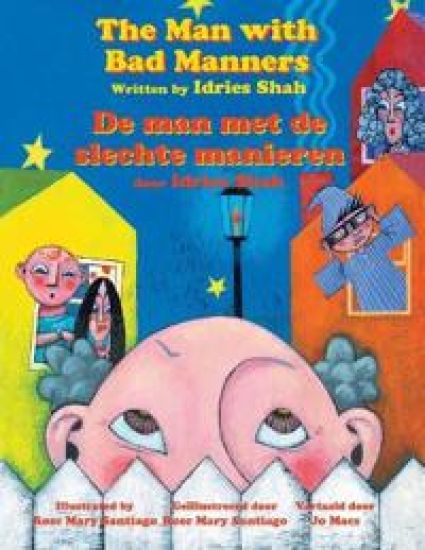
The Man with Bad Manners / Edepsiz Adam
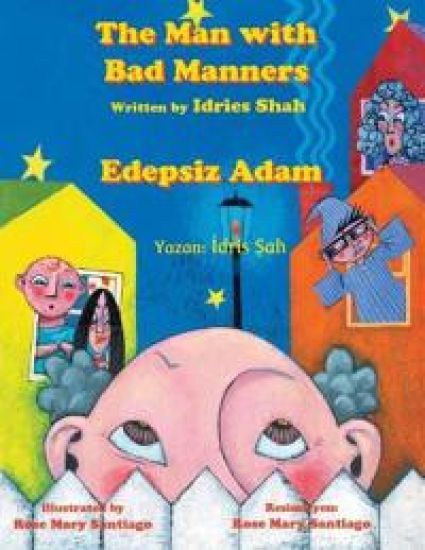
(Bilingual English-Turkish edition) This is the story of a very badly behaved man, how a young boy in the village hatches a plan to change the man's behavior - and how, with the help of the other villagers, the plan succeeds, to everyone's benefit. Children, of course, love the idea of an adult behaving badly. At the same time, the story helps them learn valuable lessons about initiative, negotiation, conflict resolution and cooperation. Rose Mary Santiago's illustrations provide delightful and amusing counterpoint to the tale. The Man with Bad Manners is one of an illustrated series of Sufi teaching stories from the Middle East and Central Asia that were collected and adapted for children by Idries Shah, and that have captivated hearts and minds for more than a thousand years. The stories are designed to help children learn to examine their assumptions and to think for themselves. In the Sufi tradition, there is a continuum between the children's story, the entertainment or folklore story and the instructional or instrumental story. A story can help children deal with difficult situations and give them something to hold on to, but it can also stimulate a deeper understanding in adults.(İngilizce-T rk e İki Dilli Baskı) Bu hik ye k t davranışları olan bir adam, onun davranışlarını değiştirmek i in bir plan yapan gen bir oğlan ve kasaba halkının da yardımıyla oğlanın başarıya ulaşması hakkında. ocukları bir yandan g ld r rken bir yandan da onlara sorunlara z m bulma, işbirliği ve girişimde bulunma konularında değerli dersler veriyor. Afganistan, Orta Asya ve Orta Doğu'nun zengin edebiyatının bir par ası olan bu hik ye, Afgan yazar İdris Şah tarafından bir araya getirilen ve derlenen bir ok hik yeden biri. Bu serinin Batı'da yayımlanan ilk kitabını okuyucuyla buluşturuyoruz.
The Old Woman and the Eagle / Yaşlı Kadın ve Kartal
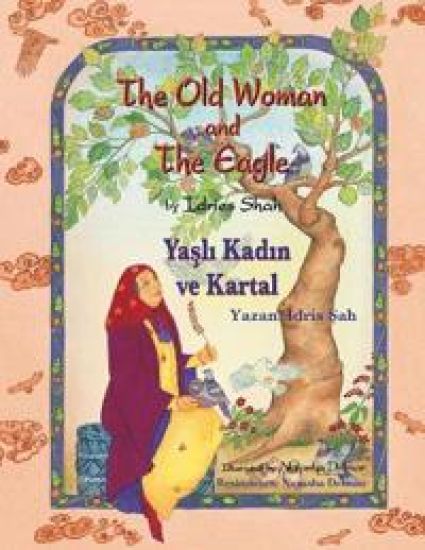
(Bilingual English-Turkish edition) In this amusing story, an old woman encounters an eagle for the first time. Perplexed by its unfamiliar appearance, she decides to change it to suit her own ideas of what a bird should look like. Her efforts mirror a common pattern of human thought: altering the unfamiliar to make it acceptable. This tale is specially presented for children by Afghan author Idries Shah, who, for more than 30 years, collected stories from the Sufi tradition and adapted them to contemporary Western culture. Told since ancient times throughout Central Asia and the Middle East, such tales are used to help foster greater mental flexibility and insight in people of all ages. The Old Woman and the Eagle is wonderfully illustrated by Natasha Delmar, who was taught to paint by her father, the celebrated classic Chinese painter Ng Yi-Ching.(İngilizce-T rk e İki Dilli Baskı) Bu eğlenceli hik yede, yaşlı bir kadın hayatında ilk kez bir kartalla karşılaşır. Kartalın alışılmadık g r n m karşısında bir kuşun nasıl g r nmesi gerektiğine dair kafasında var olan fikirlerden yola ıkarak kartalı değiştirmeye karar verir. Kadının bu abaları bazı insanlarda bulunan ortak bir d ş nme modelini yansıtıyor: Bilinmedik olanı kabul edilebilir h le gelecek şekilde değiştirmek. Bu masal, 30 yılı aşkın s redir yazılı ve s zl kaynaklardan hik yeleri bir araya getiren İdris Şah tarafından ocuklara zel olarak sunuluyor. B yle hik yeler Orta Asya ve Orta Doğu'da t m yaşlardan insanların zihinsel esneklik ve i g r lerini geliştirmeleri amacıyla ok eski zamanlardan beri anlatılır.
Fatima the Spinner and the Tent / Fatima de spinster en de tent
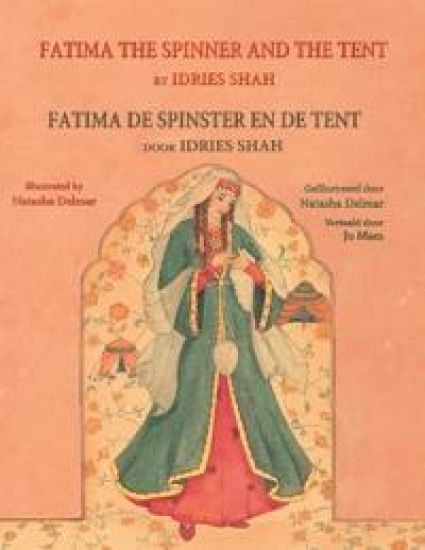
(Bilingual English-Dutch edition) Fatima is a young woman whose life seems beset by one disaster after another. Setting forth on a journey from her home in the West, she is shipwrecked and cast ashore alone near Alexandria, Egypt. Adopted by a local family of weavers, and beginning to prosper in her new life, she is captured and forced to work making masts for ships. While undertaking a journey to sell the masts, she finds herself shipwrecked once again - this time off the coast of China, where she finally realizes that what seemed to be disasters were really essential steps toward her eventual fulfillment. Full of wisdom and depth, and ideal as a bedtime story, Fatima's tale helps children understand the need for perseverance to reach their goals. This traditional teaching story is well known in Greek folklore, but the present version is attributed to Sheikh Mohamed Jamaludin of Adrianople (modern-day Edirne in Turkey), who died in 1750. Fatima the Spinner and the Tent is filled with wonderful illustrations by Natasha Delmar, who was taught to paint by her father, the celebrated classic Chinese painter Ng Yi-Ching. Delmar captures Fatima's adventures with a wealth of detail and color and, using Middle Eastern and Chinese design, transports readers to the exotic lands of Fatima's travels in a way delightful to both young and old.(Tweetalige Engels-Nederlands editie) Het leven van Fatima lijkt geteisterd door de ene ramp na de andere. Als ze op reis gaat vanuit haar huis in het westen, lijdt ze schipbreuk en wordt ze alleen aan land gezet in de buurt van Alexandri . Ze wordt geadopteerd door een familie van wevers en begint zich te ontwikkelen in haar nieuwe leven, maar wordt gevangen genomen en tewerkgesteld bij het maken van masten. Tijdens een reis om de masten te verkopen, lijdt haar schip schipbreuk voor de kust van China. Pas hier realiseert Fatima zich eindelijk dat wat rampen leken, eigenlijk essenti le stappen waren op weg naar haar uiteindelijke vervulling. Een verhaal van wijsheid en diepgang, ideaal als verhaaltje voor het slapen gaan, het helpt kinderen begrijpen dat doorzettingsvermogen nodig is om hun doelen te bereiken.
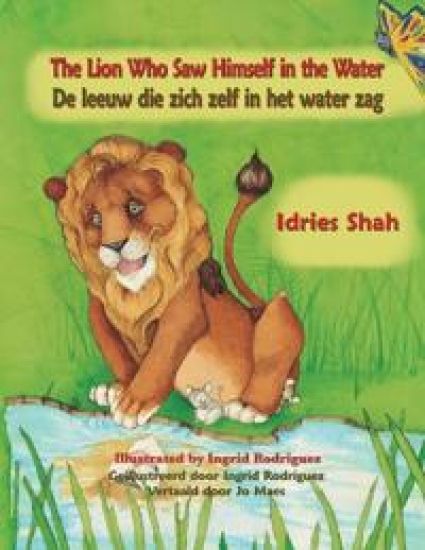
The Lion Who Saw Himself in the Water / De leeuw die zich zelf in het water zag
(Bilingual English-Dutch edition) When a good-natured lion, king of all the animals, sees his reflection in a pool of water for the first time, he gasps at the fierce creature staring back at him and is too frightened to drink - until, finally, he overcomes his fear. Children learn through the lion how to deal positively with the fears and inhibitions that so often arise from situations they may not yet understand. Originally told by the 13th-century Sufi poet Jalaluddin Rumi, The Lion Who Saw Himself in the Water is one of a series of teaching stories that were collected by Idries Shah and that have been used in the East for hundreds of years as educational instruments to help children understand life. Ingrid Rodriguez's beautiful illustrations bring this children's version to life with warmth, humor and a distinctive richness of detail.(Tweetalige Engels-Nederlands editie) Wanneer de goedmoedige Share de Leeuw, koning van alle dieren, zijn spiegelbeeld ziet in een plas water, verstijft hij als het woeste wezen naar hem terug staart. Hij is te bang om te drinken, totdat hij uiteindelijk leert zijn angst te overwinnen. Kinderen leren via Share de Leeuw hoe ze positief kunnen omgaan met de angsten en remmingen die zo vaak voortkomen uit situaties die ze misschien nog niet begrijpen. Dit is een van een reeks verhalen verzameld door Idries Shah - een Leerverhaal - dat al honderden jaren in het Oosten wordt gebruikt als educatief instrument om kinderen te helpen het leven te begrijpen. Dit verhaal werd oorspronkelijk verteld door de 13e-eeuwse soefidichter Jalaluddin Rumi. De prachtige illustraties van Ingrid Rodriguez brengen het verhaal tot leven met warmte en humor en een kenmerkende rijkdom aan details.
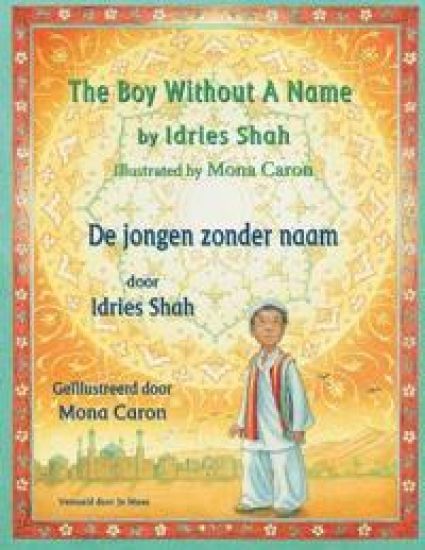
The Boy without a Name / De jongen zonder naam
(Bilingual English-Dutch edition) On the day a boy is born, his parents are visited by a wise man who tells them, "This is a very, very important boy, and I'm going to give him something marvelous one day, but I will have to give him his name first. So please don't give him a name yet." So they named the boy Benaam, which means "nameless." The story tells how he seeks and eventually finds his own true name, and how he also gives away an old dream that he doesn't want - and gets a wonderful new dream. This is one of an illustrated series of Sufi teaching stories from the Middle East and Central Asia that were collected and adapted for children by Idries Shah, and that have captivated hearts and minds for more than a thousand years. The stories are designed to help children learn to examine their assumptions and to think for themselves. Among the many insights The Boy Without a Name can provoke is the idea that it takes patience and resolve to achieve one's goals in life. Mona Caron's beautiful watercolor illustrations embellish this unusual and captivating story, presenting the wonder of this hidden world to both children and adults.(Tweetalige Engels-Nederlands editie) Op de dag dat een jongen wordt geboren, krijgen zijn ouders bezoek van een wijze man die zegt: "Dit is een heel, heel belangrijke jongen, en ik ga hem op een dag iets geweldigs geven, maar ik moet hem eerst zijn naam geven. Dus geef hem alsjeblieft nog geen naam." Dus noemen zijn ouders hem Benaam, wat Naamloos betekent. Het verhaal vertelt hoe de jongen zijn ware naam zoekt en uiteindelijk vindt - en nog veel meer. Dit boek maakt deel uit van een serie ge llustreerde onderwijsverhalen van Idries Shah, verhalen die al meer dan duizend jaar harten en geesten boeien. De verhalen zijn bedoeld om kinderen te leren hun vooronderstellingen te onderzoeken en zelf na te denken. Onder de vele inzichten in dit verhaal is het idee dat er geduld en vastberadenheid nodig is om je doelen in het leven te bereiken.
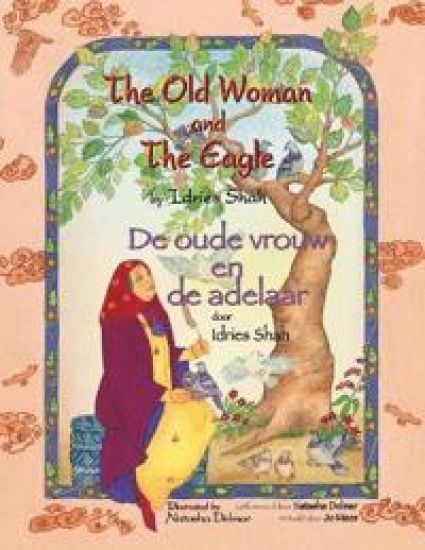
The Old Woman and the Eagle / De oude vrouw en de adelaar
(Bilingual English-Dutch edition) In this amusing story, an old woman encounters an eagle for the first time. Perplexed by its unfamiliar appearance, she decides to change it to suit her own ideas of what a bird should look like. Her efforts mirror a common pattern of human thought: altering the unfamiliar to make it acceptable. This tale is specially presented for children by Afghan author Idries Shah, who, for more than 30 years, collected stories from the Sufi tradition and adapted them to contemporary Western culture. Told since ancient times throughout Central Asia and the Middle East, such tales are used to help foster greater mental flexibility and insight in people of all ages. The Old Woman and the Eagle is wonderfully illustrated by Natasha Delmar, who was taught to paint by her father, the celebrated classic Chinese painter Ng Yi-Ching.(Tweetalige Engels-Nederlands editie) In dit grappige verhaal ontmoet een oude vrouw voor het eerst een adelaar. Verbijsterd door zijn onbekende uiterlijk besluit ze hem aan te passen aan haar eigen idee n over hoe een vogel eruit zou moeten zien. Haar pogingen weerspiegelen een algemeen patroon van menselijk denken: het onbekende veranderen om het aanvaardbaar te maken. Dit verhaal wordt speciaal voor kinderen gepresenteerd door de Afghaanse auteur Idries Shah, die al meer dan 30 jaar verhalen uit de Soefitraditie verzamelt en aanpast aan de hedendaagse westerse cultuur. Deze verhalen, die sinds de oudheid in Centraal-Azi en het Midden-Oosten worden verteld, worden gebruikt om mensen van alle leeftijden meer mentale flexibiliteit en inzicht te geven.
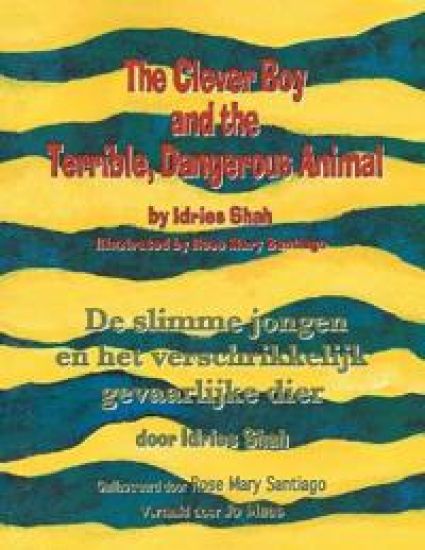
The Clever Boy and the Terrible, Dangerous Animal / De slimme jongen en het verschrikkelijk gevaarlijke dier
(Bilingual English-Dutch edition) When a boy visits another village, he is amazed to find the people terrified of something that - just because they have not seen it before - they mistake for a terrible, dangerous animal. Using his own knowledge and by demonstration, the boy helps the villagers overcome their fears. This story is part of an oral tradition from the Middle East and Central Asia that is more than a thousand years old. In an entertaining way, it introduces children to an interesting aspect of human behavior and so enables them to recognize it in their daily lives. One of many tales from the body of Sufi literature collected by Idries Shah, this one is presented here as part of his series of books for young readers. This is the series' second book to be illustrated by Rose Mary Santiago, following the award-winning bestseller The Farmer's Wife.(Tweetalige Engels-Nederlands editie) Wanneer een jongen een ander dorp bezoekt, ziet hij tot zijn verbazing dat de inwoners doodsbang zijn voor iets dat ze - alleen omdat ze het nog nooit gezien hebben - voor een vreselijk, gevaarlijk dier aanzien. Met zijn eigen kennis en door demonstratie helpt de jongen hen hun angsten te overwinnen. Dit verhaal maakt deel uit van een meer dan duizend jaar oude mondelinge traditie uit het Midden-Oosten en Centraal-Azi . Op een onderhoudende manier laat het kinderen kennismaken met een interessant aspect van menselijk gedrag en stelt het hen in staat dit in hun dagelijks leven te herkennen. Een van de vele verhalen uit de soefi-literatuur die Idries Shah heeft verzameld, wordt hier gepresenteerd als onderdeel van zijn serie boeken voor jonge lezers. Dit is het tweede boek uit de serie, ge llustreerd door Rose Mary Santiago, na de bekroonde bestseller De vrouw van de boer.
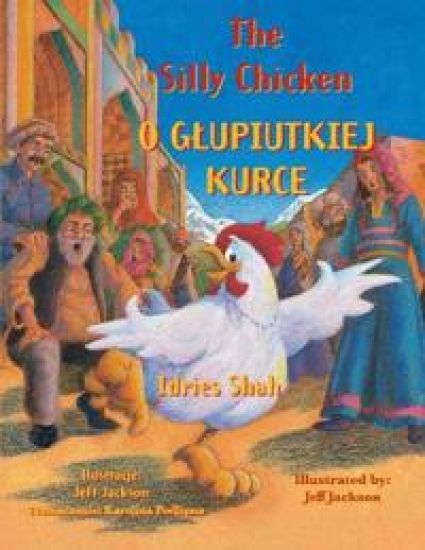
The Silly Chicken / O GLUPIUTKIEJ KURCE
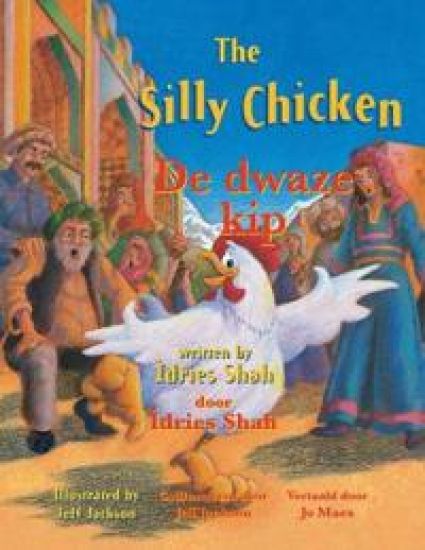
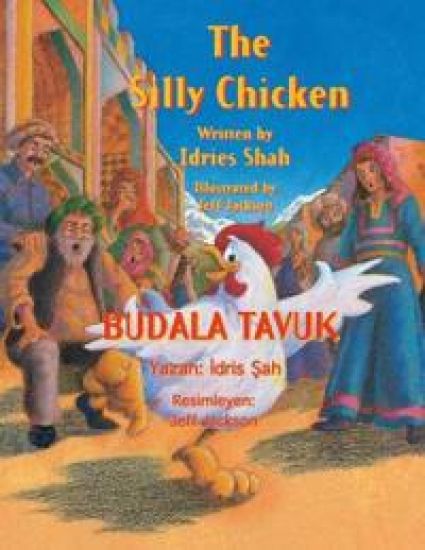
(Bilingual English-Polish edition) This is a delightful and humorous tale about a chicken who learns to speak as we do - with unexpected consequences. The surprising events that follow intrigue young children and, and at the same time, alert them in a very amusing way to the dangers of being too quick to believe everything they hear. Illustrator Jeff Jackson creates a lively and lighthearted world, rich in color and expression, in which anything can happen. This tale is one of the many hundreds of Sufi developmental stories collected by Idries Shah from oral and written sources in Central Asia and the Middle East. For more than a thousand years, it has entertained young people and helped foster in them the ability to examine their assumptions and to think for themselves.
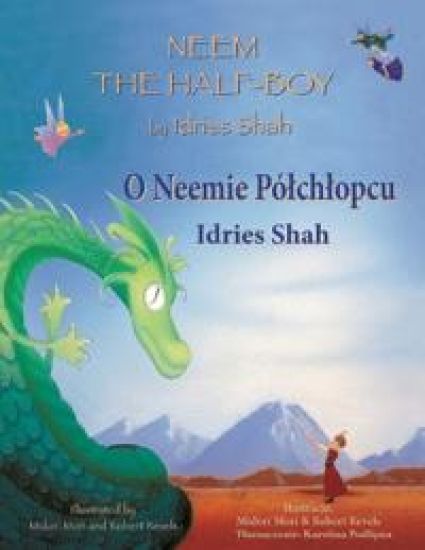
Neem the Half-Boy / O Neemie Pólchlopcu
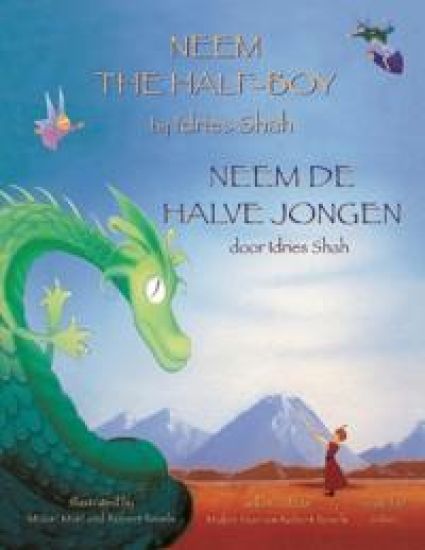
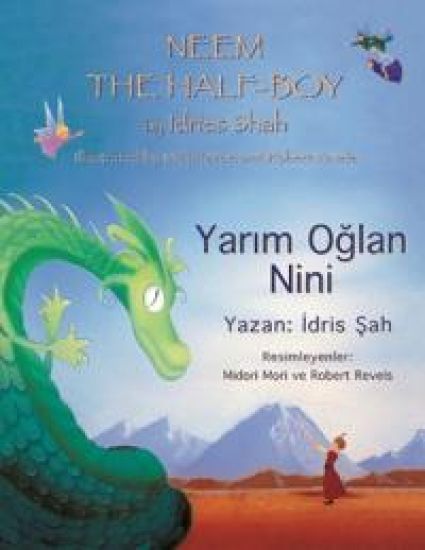
(Bilingual English-Polish edition) Wanting badly to have a son, the Queen of Hich-Hich consults Arif the Wise Man on the matter. But because she fails to follow his precise instructions, she gives birth to a half-boy, whom she calls Neem. That Neem is able to make himself complete by an act of cleverness, negotiation and compromise teaches children much more than the expected, usual lesson of bravery. This enchanting tale, complete with fairies and a fire-breathing dragon, is marvelously and magically illustrated by Midori Mori and Robert Revels. Neem the Half-Boy is one of an illustrated series of Sufi teaching stories from the Middle East and Central Asia that were collected and adapted for children by Idries Shah, and that have captivated hearts and minds for more than a thousand years. The stories are designed to help children learn to examine their assumptions and to think for themselves.
Fatima the Spinner and the Tent

Fatima the Spinner and the Tent

Idries Shah

Hoopoe Books
2022
pokkari
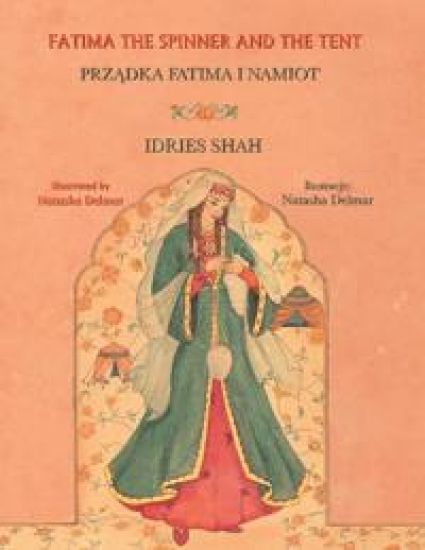
(Bilingual English-Polish edition) Fatima is a young woman whose life seems beset by one disaster after another. Setting forth on a journey from her home in the West, she is shipwrecked and cast ashore alone near Alexandria, Egypt. Adopted by a local family of weavers, and beginning to prosper in her new life, she is captured and forced to work making masts for ships. While undertaking a journey to sell the masts, she finds herself shipwrecked once again - this time off the coast of China, where she finally realizes that what seemed to be disasters were really essential steps toward her eventual fulfillment. Full of wisdom and depth, and ideal as a bedtime story, Fatima's tale helps children understand the need for perseverance to reach their goals. This traditional teaching story is well known in Greek folklore, but the present version is attributed to Sheikh Mohamed Jamaludin of Adrianople (modern-day Edirne in Turkey), who died in 1750. Fatima the Spinner and the Tent is filled with wonderful illustrations by Natasha Delmar, who was taught to paint by her father, the celebrated classic Chinese painter Ng Yi-Ching. Delmar captures Fatima's adventures with a wealth of detail and color and, using Middle Eastern and Chinese design, transports readers to the exotic lands of Fatima's travels in a way delightful to both young and old.
The Farmer's Wife / O ŻONIE FARMERA
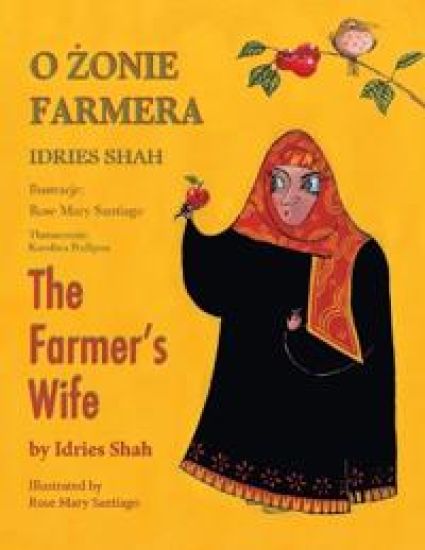
(Bilingual English-Polish edition) This story tells how a woman loses an apple down a hole in the ground and then makes a series of attempts to retrieve it. Children love chanting the action sequence of this cumulative tale from memory, but when the plot takes a sudden turn that's contrary to all expectations, they also learn important lessons about the nature of problem solving and discovery. The strikingly beautiful illustrations by Rose Mary Santiago invoke the origins of the story - which comes from the Sufi tradition and has been told for hundreds of years in the Middle East and Central Asia - while at the same time lending a uniquely playful atmosphere to this very amusing tale.
The Clever Boy and the Terrible, Dangerous Animal / O bystrym chlopcu i strasznym, niebezpiecznym zwierzatku
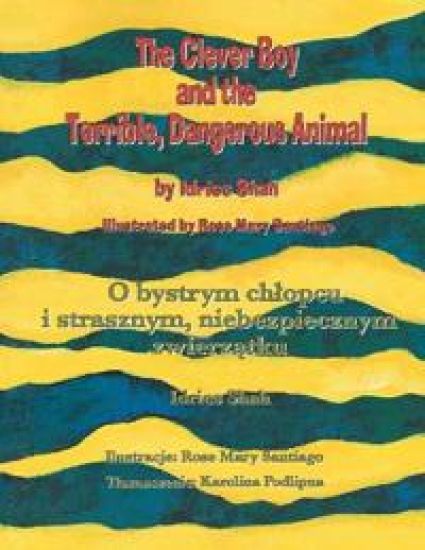
(Bilingual English-Polish edition) When a boy visits another village, he is amazed to find the people terrified of something that - just because they have not seen it before - they mistake for a terrible, dangerous animal. Using his own knowledge and by demonstration, the boy helps the villagers overcome their fears. This story is part of an oral tradition from the Middle East and Central Asia that is more than a thousand years old. In an entertaining way, it introduces children to an interesting aspect of human behavior and so enables them to recognize it in their daily lives. One of many tales from the body of Sufi literature collected by Idries Shah, this one is presented here as part of his series of books for young readers. This is the series' second book to be illustrated by Rose Mary Santiago, following the award-winning bestseller The Farmer's Wife.
The Lion Who Saw Himself in the Water
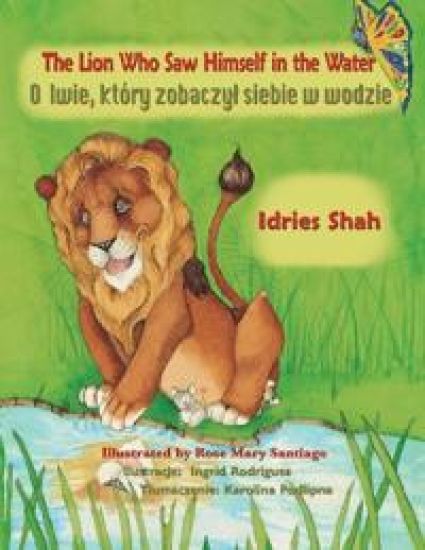
(Bilingual English-Polish edition) When a good-natured lion, king of all the animals, sees his reflection in a pool of water for the first time, he gasps at the fierce creature staring back at him and is too frightened to drink - until, finally, he overcomes his fear. Children learn through the lion how to deal positively with the fears and inhibitions that so often arise from situations they may not yet understand. Originally told by the 13th-century Sufi poet Jalaluddin Rumi, The Lion Who Saw Himself in the Water is one of a series of teaching stories that were collected by Idries Shah and that have been used in the East for hundreds of years as educational instruments to help children understand life. Ingrid Rodriguez's beautiful illustrations bring this children's version to life with warmth, humor and a distinctive richness of detail.
Neem the Half-Boy/ Yarim Oglan Nini

Neem the Half-Boy/ Yarim Oglan Nini

Idries Shah

Hoopoe Books
2022
pokkari
(Bilingual English-Turkish edition) Wanting badly to have a son, the Queen of Hich-Hich consults Arif the Wise Man on the matter. But because she fails to follow his precise instructions, she gives birth to a half-boy, whom she calls Neem. That Neem is able to make himself complete by an act of cleverness, negotiation and compromise teaches children much more than the expected, usual lesson of bravery. This enchanting tale, complete with fairies and a fire-breathing dragon, is marvelously and magically illustrated by Midori Mori and Robert Revels. Neem the Half-Boy is one of an illustrated series of Sufi teaching stories from the Middle East and Central Asia that were collected and adapted for children by Idries Shah, and that have captivated hearts and minds for more than a thousand years. The stories are designed to help children learn to examine their assumptions and to think for themselves.
The Silly Chicken / BUDALA TAVUK

The Silly Chicken / BUDALA TAVUK

Idries Shah

Hoopoe Books
2022
pokkari
(Bilingual English-Turkish edition) This is a delightful and humorous tale about a chicken who learns to speak as we do - with unexpected consequences. The surprising events that follow intrigue young children and, and at the same time, alert them in a very amusing way to the dangers of being too quick to believe everything they hear. Illustrator Jeff Jackson creates a lively and lighthearted world, rich in color and expression, in which anything can happen. This tale is one of the many hundreds of Sufi developmental stories collected by Idries Shah from oral and written sources in Central Asia and the Middle East. For more than a thousand years, it has entertained young people and helped foster in them the ability to examine their assumptions and to think for themselves.