Kirjailija
Imre Kertész
Kirjat ja teokset yhdessä paikassa: 29 kirjaa, julkaisuja vuosilta 1999–2024, suosituimpiin kuuluu Tappio (p). Vertaile teosten hintoja ja tarkista saatavuus suomalaisista kirjakaupoista.
Nimi esiintyy myös muodoissa: Imre Kertesz
29 kirjaa
Kirjojen julkaisuvuodet: 1999–2024.
"Bez sudby" - ispoved vengerskogo pisatelja, laureata Nobelevskoj premii po literature Imre Kertesa, kotoryj popal v kontslager v vozraste 15 let, smog projti vse uzhasy zakljuchenija i ostatsja v zhivykh. Nevziraja na tragediju, muki goloda, poterju rodnykh i blizkikh, geroj uchitsja prinimat svoju sudbu i dazhe v zhestokikh i nechelovecheskikh uslovijakh on pytaetsja obresti nadezhdu: "...ja oschutil, kak rastet, kak kopitsja vo mne gotovnost: ja budu prodolzhat svoju, ne podlezhaschuju prodolzheniju, zhizn. ... Net v mire takogo, chego by my ne perezhili kak nechto sovershenno estestvennoe; i na puti moem, ja znaju, menja podsteregaet, slovno kakaja-to neizbezhnaja zapadnja - schaste".
En ungarsk forfatter får sin selvbiografiske roman om opholdet i koncentrationslejren Auschwitz afvist af et forlag. Med denne ’fiasko’ i bagagen, begynder han at gennemgå alle de noter han tog i forbindelse med arbejdet på romanen. Noterne fører hans opmærksomhed mod hans liv efter koncentrationslejropholdet og en ny roman tager form. Denne roman i romanen følger Steno, der ankommer til sit gamle hjemland, efter en udlandsrejse. Han prøver konstant at tilpasse sig, først i sin gamle stilling som journalist, siden som fabriksarbejder, men alle steder er han en fiasko. Ved venners hjælp bliver han medarbejder i et ministerium, men hans manglende interesse for det bureaukratiske magthierarki, sender ham igen på gaden som arbejdsløs. De mange nederlag får Steno til at indse at han må gå i gang med det eneste projekt han brænder for; at skrive en roman om sin fortid. Imre Kertész (1929 – 2016), ungarsk forfatter til en række romaner og essaysamlinger. Kertész modtog i 2002 Nobelprisen i litteratur for et forfatterskab der ifølge nobelkomiteen ”fremhæver den enkeltes skrøbelige erfaring over for historiens barbariske vilkårlighed”.
Hungarian Imre Kertész was awarded the Nobel Prize in Literature in 2002 for “writing that upholds the fragile experience of the individual against the barbaric arbitrariness of history.” His conversation with literary historian Thomas Cooper that is presented here speaks specifically to this relationship between the personal and the historical. In The Holocaust as Culture,Kertész recalls his childhood in Buchenwald and Auschwitz and as a writer living under the so-called soft dictatorship of communist Hungary. Reflecting on his experiences of the Holocaust and the Soviet occupation of Hungary following World War II, Kertész likens the ideological machinery of National Socialism to the oppressive routines of life under communism. He also discusses the complex publication history of Fateless, his acclaimed novel about the experiences of a Hungarian child deported to Auschwitz, and the lack of interest with which it was initially met in Hungary due to its failure to conform to the communist government’s simplistic history of the relationship between Nazi occupiers and communist liberators. The underlying theme in the dialogue between Kertész and Cooper is the difficulty of mediating the past and creating models for interpreting history, and how this challenges ideas of self. The title The Holocaust as Culture is taken from that of a talk Kertész gave in Vienna for a symposium on the life and works of Jean Améry. That essay is included here, and it reflects on Améry’s fear that history would all too quickly forget the fates of the victims of the concentration camps. Combined with an introduction by Thomas Cooper, the thoughts gathered here reveal Kertész’s views on the lengthening shadow of the Holocaust as an ever-present part of the world’s cultural memory and his idea of the crucial functions of literature and art as the vessels of this memory.
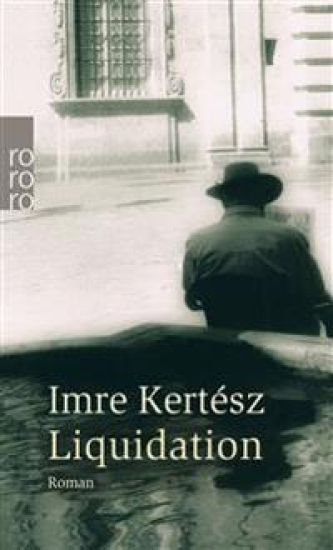
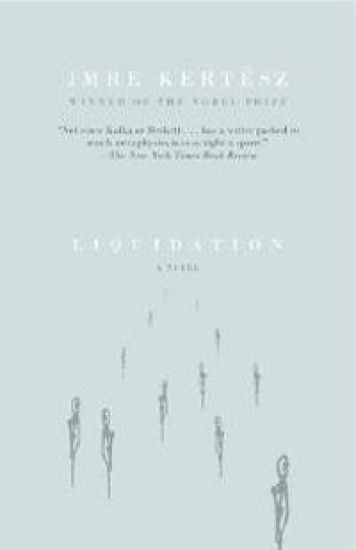
Kingbitter, an editor at a publishing house on the verge of closure, believes himself to have been the closest friend of a celebrated writer and Auschwitz survivor, B, who recently committed suicide. Amongst the papers, Kingbitter finds a play entitled Liquidation that predicts the behaviour of B's ex-wife, his mistress and Kingbitter himself.
'A sophisticated and brilliant dissection of nihilistic power' Times Literary Supplement From his prison cell, Antonio Martens, an interrogator for the recently fallen dictatorship, awaits execution.
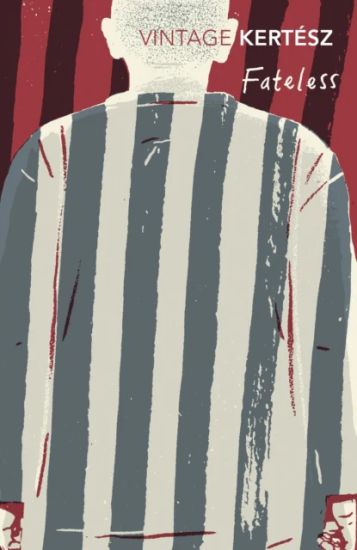
Gyuri, a fourteen-year-old Hungarian Jew witnesses his father signing over the family timber business to the firm's bookkeeper - before being sent to a labour camp. Two months later, Gyuri finds himself assigned to a 'permanent workplace', but within a fortnight he is pulled off a bus and detained. This is the start of his journey to Auschwitz.
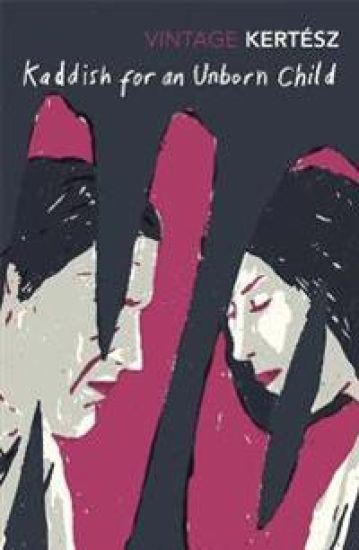
Kaddish For An Unborn Child
Imre Kertesz
Vintage Publishing
2017
pokkari
Halvin toimitettuna 17,90 €
ââ?¬Ë? A fine and powerful piece of workââ?¬Â¦ Dark, at times cryptic, and hugely energeticââ?¬â?¢ Irish Times ââ?¬Å? No!" It is how a middle-aged Hungarian-Jewish writer answers an acquaintance who asks him if he has a child, and it is how he answered his wife years earlier when she told him that she wanted one.
At the age of fourteen, Gyorgy Koves is plucked from his home in a Jewish section of Budapest and, without any particular malice, placed on a train to Auschwitz. He does not understand the reason for his fate. He doesn't particularly think of himself as Jewish. And his fellow prisoners, who decry his lack of Yiddish, keep telling him, You are no Jew. In the lowest circle of the Holocaust, Gyorgy remains an outsider. The genius of Imre Kertesz's unblinking novel lies in its refusal to mitigate the strangeness of its events-not least of which is Gyorgy's dogmatic insistence on making sense of what he witnesses, or pretending that what he witnesses makes sense. Haunting, evocative, and all the more horrifying for its rigorous avoidance of sentiment, Fatelessness is a masterpiece in the traditions of Primo Levi, Elie Wiesel, and Tadeusz Borowski.
Imre Kertész har vid sidan av sina romaner alltid fört dagbok och skrivit essäer. Nu gott och väl över åttio år gammal, känner han krafterna sina och ett bokslut tränger sig på. Här skildrar han det sena erkännandet för en som med ett närmast anarkistiskt trots överlevt Auschwitz och den ungerska kommunismen. Det kröns med dagarna i Stockholm och det stora Priset! Som skänker både glädje och tomhet. Är han en annan nu? Inte bara överlevare? I dagboken får vi följa Kertész arbete med den sista romanen som förblir ett fragment, kallat just Den sista tillflykten. Imre Kertész arbetade i tretton år på sitt mästerverk, Mannen utan öde, skildringen av tiden som ung jude i nazisternas läger som nådde en stor publik världen över under 1990-talet. 2002 tilldelades han Nobelpriset för sin »vittneslitteratur«. Hans romaner och essäer utgör en källa till verklig förståelse av 1900-talets europeiska historia.
Imre Kertész er ungarer med jødisk baggrund, født i Budapest i 1929. Han fik i 2002 nobelprisen i litteratur for “et forfatterskab som hævder den enkeltes skrøbelige erfaring over for historiens barbariske vilkårlighed”. Som 15-årig blev Kertész i 1944 deporteret først til Auschwitz, senere til Buchenwald, hvorfra han blev befriet i 1945. Herefter overlevede han under særdeles vanskelige kår i det stalinistiske Ungarn som forfatter, journalist og oversætter af tysksprogede åndsfæller som Nietzsche, Musil, Hofmannsthal, Schnitzler, Freud, Wittgenstein og Canetti. Kertész’ berømmelse er kommet sent og først efter at romanen De skæbneløse, der udkom på ungarsk i 1975, i 1990’erne blev oversat til en lang række sprog. Fortælleren i De skæbneløse er en 15-årig jødisk dreng der deporteres fra Budapest til Auschwitz og senere til Buchenwald. Med en drengs tillidsfulde åbenhed fortæller han minutiøst og sagligt om lejrlivets totalitære verden, hvor fangerne lydigt og ivrigt søger at efterleve magthavernes reglementer og forskrifter, men også om hverdagens trivielle episoder, der kan fremkalde øjeblikke af glæde og håb. De skæbneløse er en historie om de frygteligste grusomheder og menneskelig fornedrelse, men bryder samtidig med den traditionelle litterære fremstilling af holocaust ved at afmystificere Auschwitz. Romanen udpensler ikke lidelserne, dømmer ikke, men registrerer nøgternt den skæbne drengen blev påført af historiens vilkårlige brutalitet. For Auschwitz er, siger Kertész, ikke bare noget der engang skete for jøderne, men et billede på menneskets eksistentielle vilkår. Da drengen efter befrielsen vender tilbage til Budapest, spørger alle om “rædslerne”, men han vil hellere fortælle om lejrens lykke. “Hvis de spørger. Og hvis han ikke selv glemmer det.” 6 stjerner i Børsen og BT "Et mesterværk." Der Spiegel NOBELPRISEN i litteratur 2002

From Nobel Laureate Imre Kert sz comes this riveting novel about a torturer for the secret police of a Latin American regime who tells the haunting story of the father and son he ensnared and destroyed. Now in prison, Antonio Martens is a torturer for a recently defunct dictatorship. He requests and is given writing materials in his cell, using them to narrate his involvement in the torture and assassination of a wealthy and prominent man and his son whose principled but passive opposition to the regime left them vulnerable to the secret police. Inside Martens's mind, we inhabit the rationalizing world of evil and see firsthand the inherent danger of inertia during times of crisis. A slim, explosive novel of justice railroaded by malevolence, Detective Story is a warning cry for our time.
Kert?sz trifft Kert?sz: Ein Zwiegespräch über sein Leben und seine Literatur Mit Dossier K. legt Kert?sz seine Autobiographie vor. Sie vereint Werkanalyse und Zeitzeugenschaft im besten Sinne: Von den familiären Wurzeln über die Schrecken des Nationalsozialismus und die Entstehung des ? Roman eines Schicksallosen? bis hin zu jenem Leben zwischen Schauprozess, Aufstand und Diktatur, das Kert?sz im Budapest des Kalten Krieges führen musste.
Romanen handler om den unge Köves, som blir tatt og ført til en konsentrasjonsleir, men som tilpasser seg og overlever. Köves betrakter hendelsene i leiren som et barn uten helt å forstå dem, og uten å finne dem unaturlige eller opprørende. Leseren konfronteres ikke bare med overgrepets grusomhet, men like mye med bredden av den tankeløshet som utmerket seg ved måten den ble gjennomført på. Forfatterens budskap er at liv er tilpasning. Dette er forfatterens debutroman.
Bidende og frysende fortælling om det ufrie Ungarn i 1970'erne, symbolsk henlagt til en imaginær sydamerikansk stat, hvor diktaturet er faldet, bødlerne fængslet og regnestykket finder sit onde facit
Für den Verlagslektor Keseru wird zehn Jahre nach der Wende das "Liquidation" betitelte Theaterstück, das er aus dem Nachlass seines Freundes B. gerettet hat, zum Gegenstand obsessiver Erinnerungsarbeit. B., in Auschwitz geboren, hat sich 1990 überraschend umgebracht, in seinem Stück jedoch gespenstisch genau die Situation vorweggenommen, die die Hinterbliebenen dann in der Realität erleben sollten: Verwirrung, private Zerwürfnisse, Schlammschlachten aller Art. Umso verzweifelter, als hinge der eigene Lebenssinn davon ab, fahndet Keseru nach dem "großen Lebensroman" B.'s, den er im Nachlass zu finden gehofft hat...
The suicide of a an acclaimed Hungarian writer who was born and survived the Auschwitz concentration camp forces his colleages and friends to confront their own identity, the Holocaust, and the rise and fall of Communist rule as they desperately try to understand their friend's death, in a novel by the 2002 winner of the Nobel Prize in Literature. Reprint. 12,500 first printing.