

Kirjailija
Ivan Turgenev
Kirjat ja teokset yhdessä paikassa: 396 kirjaa, julkaisuja vuosilta 1862–2026, suosituimpiin kuuluu Vernyj drug. Rasskazy o sobakakh. Vertaile teosten hintoja ja tarkista saatavuus suomalaisista kirjakaupoista.
396 kirjaa
Kirjojen julkaisuvuodet: 1862–2026.
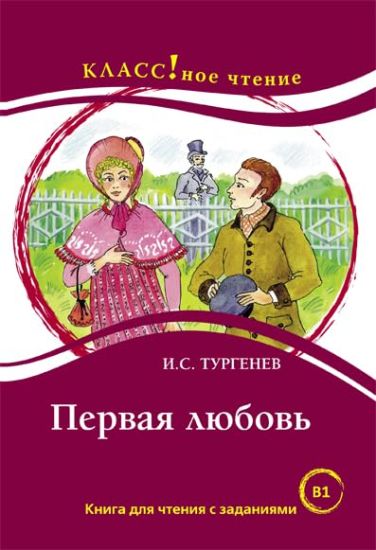
Pervaja ljubov. I.S. Turgenev / The first love, easy reader. Lexical minimum 2300 words (B1)
Ivan Turgenev
Russki yazyk. Kursy
2022
nidottu
The novel "The first love" by I. S. Turgenev, an outstanding Russian writer of the XIX century is presented in the book. This is the story about the feelings and emotions of a young man who has fallen in love for the first time. He has kept in his heart the memories of his first love experience for the entire life. The text of the novel is adapted (B1) and is supplied with the commentaries and exercises to check the understanding of the content and to develop the oral speech habits. The most interesting facts from the biography of Ivan Sergeevich Turgenev are also provided.

V sbornik voshli khrestomatijnye "Zapiski okhotnika" - kniga, v kotoroj sjuzhety v glavakh-novellakh tonko i neobychno perepletajutsja s prekrasnymi kartinami russkoj prirody, sposobnymi tronut dazhe samuju iskushennuju dushu, i povest "Mumu".
Ivan Turgenevi (1818-1883) jutustuste kogumik "Küti kirjad" on pühendatud 19. sajandi Venemaa hunnitult metsikule, mitmepalgelisele maastikule ja selle elanikele. Saakloomade kannul mööda steppe ja metsasalusid uitav kütt kirjutab märkmikusse tähelepanekuid teda ümbritseva looduse ilust, halastamatust kliimast ja neis karmides tingimustes ellujääjatest. Visandlikes ülestähendustes kohtume talupoegade, maahärrade, kubjaste, kaupmeeste ja paljude teiste värvikate tegelastega, kelle palgeilt peegeldub vastu meie endi inimlikkus kogu selle argisuses ja kentsakuses, õilsuses ja brutaalsuses, õrnuses ja julmuses." Küti kirjade" lummavalt nostalgiline stiil, osav karakteriseering ja feodalismi traagikat lähedalt vaatlev sisu paelus 1852. aastal ilmudes nii laiemat publikut kui ka ka Venemaa tolleaegseid mõjuisikuid ning aitas kaasa pärisorjuse kaotamisele riigis 1861. aastal. Sellega astus euroopalikult meelestatud ja pikalt eksiilis elanud Turgenev ühe sammu lähemale oma südamesoovi ja missiooni täitmisele: tuua Tsaari-Venemaal rõhututele leevendust. Harvad on teosed, mis on ühelt poolt saanud maiuspalaks kirjandusgurmaanidele ja teisalt puhunud tormituult ühiskondlike muudatuste purjedesse.
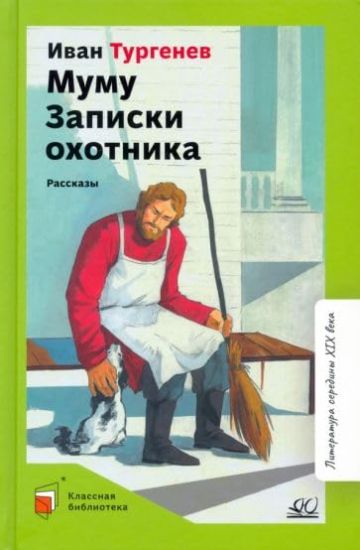
V knigu voshli proizvedenija velikogo russkogo pisatelja Ivana Sergeevicha Turgeneva (1818-1883): "Mumu" i izbrannye ocherki iz tsikla "Zapiski okhotnika". Rasskaz "Mumu" stal svoeobraznoj vizitnoj kartochkoj pisatelja. On osnovan na realnykh sobytijakh, kotorye proiskhodili v dome ego materi. Odnako eto ne prosto ikh pereskaz. Gerasim - sobiratelnyj obraz russkogo naroda, kotoryj dobrovolno podchinjaetsja kapriznomu melkomu tiranu, rabski ubivaja vse to, chto emu po-nastojaschemu dorogo. No v finale avtor vse zhe vseljaet nadezhdu v dushi chitatelej... Tsikl ocherkov "Zapiski okhotnika" spravedlivo schitajut vydajuschimsja antikrepostnicheskim proizvedeniem, podgotovivshim Krestjanskuju reformu 1861 goda. Zdes avtor vystupaet vnimatelnym nabljudatelem chelovecheskikh nravov i kharakterov i risuet tseluju galereju obrazov vsekh soslovij doreformennoj Rossii. Vse vmeste oni sozdajut obektivnuju kartinu sotsialnoj i bytovoj zhizni nashego otechestva. No samoe glavnoe - eto jarkij portret russkogo natsionalnogo kharaktera, o kotorom do sikh por bez ustali sporja. Khudozhnik: Milovanov A. N.
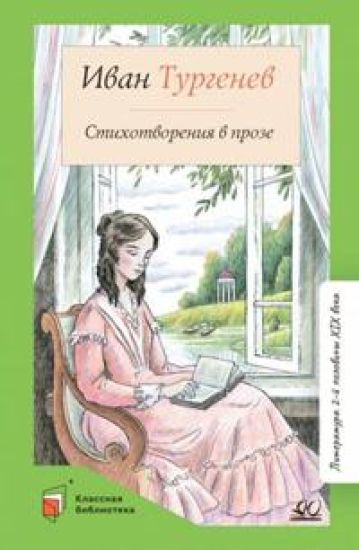
"Stikhotvorenija v proze" stali poeticheskim zaveschaniem Ivana Sergeevicha Turgeneva (1818-1883). On sozdaval ikh v samom kontse zhizni, ogljadyvajas na projdennyj put, obobschaja, razmyshljaja, radujas i grustja. V etom sbornike pisatel otkryl nam chudesnyj sad svoej dushi. Zdes mnogo intimnogo, sovsem lichnogo, chto pridaet proizvedenijam dopolnitelnuju - vystradannuju intonatsiju. "Progulivajas" po stranitsam knigi, mozhno najti vse: zhelchnuju satiru i jazvitelnyj smekh nad chelovecheskimi porokami; nastojaschie, podlinnye, iskrennie chuvstva; filosofskie razmyshlenija na temu odinochestva, ljubvi, smerti i mnogoe drugoe. No iz otdelnykh sjuzhetov, kak iz udarov kisti impressionista, rozhdaetsja tselnaja kartina. Dlja srednego i starshego shkolnogo vozrasta. Khudozhnik: Milovanov A. N.

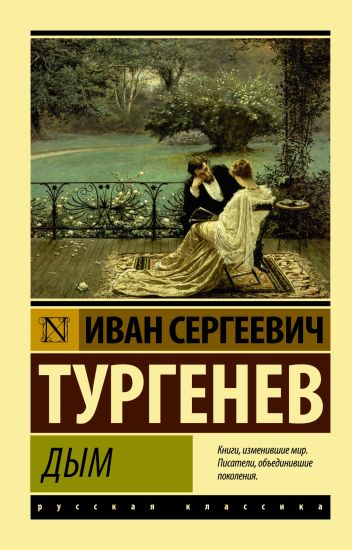
V kruzhke prozhigatelej zhizni na kurorte v Baden-Badene kipjat neshutochnye strasti i vedutsja nepreryvnye, zapalchivye spory o sudbakh otechestva. Tridtsatiletnij pomeschik Grigorij Litvinov so skukoj i ironiej vziraet na etot fars, no vnezapnaja vstrecha s junosheskoj ljubovju, zamuzhnej velikosvetskoj krasavitsej Irinoj Ratmirovoj, razlamyvaet ego zhizn na do i posle i prevraschaet Grigorija v cheloveka, bukvalno oderzhimogo strastju... Odin iz samykh psikhologicheski tonkikh i ostroumnykh romanov Turgeneva, v kotorom on ochen tochno opisal obschestvenno-politicheskie temy i sovremennuju zhizn geroev - nejasnuju, obvolakivajuschuju, stremjaschujusja postojanno menjat formu. V sbornik takzhe voshli povesti "Neschastnaja", otnosjaschajasja k romanticheskomu periodu tvorchestva avtora, i "Punin i Baburin", napisannaja uzhe v stile psikhologicheskogo realizma.

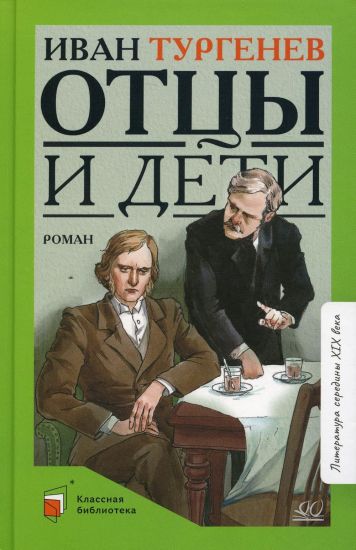
"Ottsy i deti" - odin iz samykh silnykh romanov I. S. Turgeneva, chja "problemnost", aktualnaja esche v XIX veke, ne utratila svoej jarkosti i sejchas. Vechnyj konflikt mezhdu molodostju, trebujuschej peremen, i konservativnostju zrelogo vozrasta... Vechnoe protivostojanie illjuzij i realnosti, intellekta - i emotsij... I nakonets, NEOBYCHNYJ, ostryj vzgljad na mjatuschujusja, zagadochnuju dushu russkogo intelligenta - v ego krajnej, nigilisticheskoj, forme dukhovnoj zhizni...
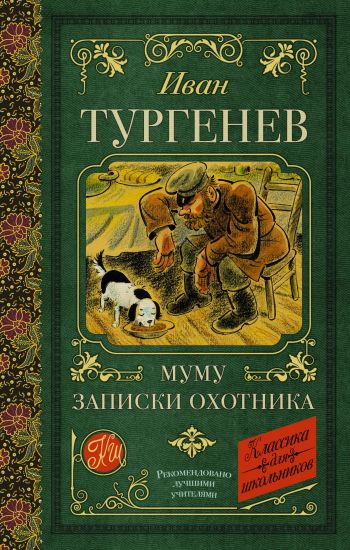
V knigu voshli rasskaz "Mumu" i "Zapiski okhotnika" I. S. Turgeneva. Rasskaz "Mumu" osnovan na realnykh sobytijakh, kotorye proiskhodili v dome materi pisatelja. Dvornik Gerasim, chelovek bogatyrskogo slozhenija, glukhonemoj ot rozhdenija, userden i ispolnitelen v rabote. Nelegkaja sudba i krakh ljubvi ne ozlobili ego serdtse. Gerasim spasaet svalivshegosja v vodu schenka, prinosit domoj i daet klichku Mumu (eto slovo on mozhet proiznesti). Podrosshaja sobachka doverchiva i laskova so vsemi, a vot s barynej ona ne sdruzhilas. Barynja velit prognat sobaku. Gerasim vypolnjaet prikaz... "Zapiski okhotnika" - tsikl rasskazov iz zhizni melkopomestnogo dvorjanstva i pomeschikov, ikh krepostnykh i svobodnykh krestjan, o byte i ob obychajakh, o nravakh i kharakterakh, o ljubvi i obmane, i konechno, o krasote prirody Rossii. Dlja srednego shkolnogo vozrasta.
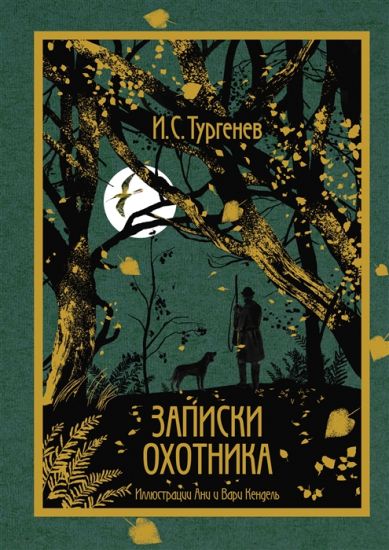
"Zapiski okhotnika" - odno iz luchshikh proizvedenij, opisyvajuschee zhizn i byt russkoj provintsii, a esche obrazets literaturnogo jazyka, kotorym tak blestjasche vladel Ivan Sergeevich Turgenev. Illjustratsii Ani i Vari Kendel kak nelzja luchshe otobrazhajut zamysel avtora i javljajutsja poistine idealnym ukrasheniem dannogo izdanija. Khudozhnik: Kendel Anna, Kendel Varvara
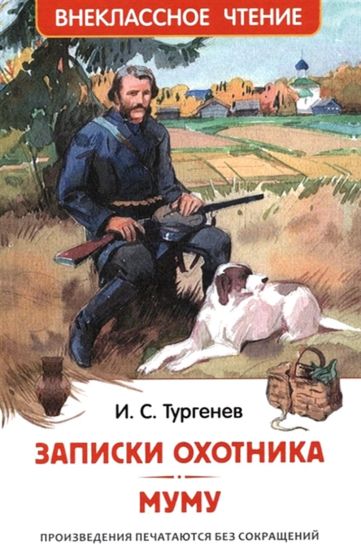
Rasskazy I. S. Turgeneva iz tsikla "Zapiski okhotnika" i povest "Mumu" davno stali klassikoj mirovoj literatury. Tekst bez sokraschenij s illjustratsijami A. Itkina. V seriju "Vneklassnoe chtenie" voshli proizvedenija iz spiska literatury, rekomendovannoj dlja vneklassnogo chtenija v nachalnoj i srednej shkole. Luchshaja tsena na rynke, produmannyj sostav, sovremennyj dizajn i illjustratsii luchshikh khudozhnikov.
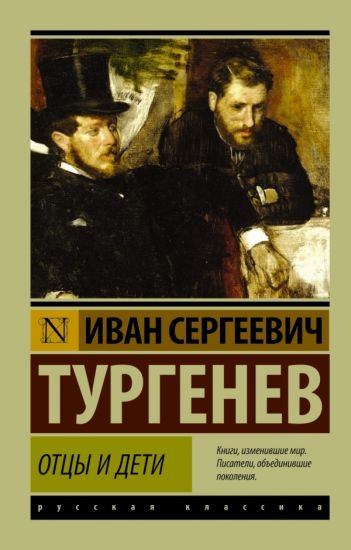
"Ottsy i deti" - znamenityj roman Turgeneva, stavshij chut li ne samym znachitelnym proizvedeniem v istorii o vzaimootnoshenijakh pokolenij. Spory glavnogo geroja Evgenija Bazarova, nazyvajuschego sebja nigilistom i otritsajuschego raskhozhie predstavlenija o zhizni, iskusstve, morali, prirode cheloveka, i ego antagonista Pavla Kirsanova, aristokrata do mozga kostej, sostavljajut glavnuju problematiku romana. No sjuzhetnaja kanva stroitsja skoree na vnutrennem konflikte samogo Bazarova. Tolko chto otritsavshij vse i vsja geroj, ne verivshij v ljubov, smejavshijsja nad svoim prijatelem, sposobnym na nezhnye chuvstva, vdrug sam strastno i pylko vljubljaetsja. I vse vdrug perevorachivaetsja vverkh dnom - s ljubovju Bazarov sovladat ne v silakh, ona okazyvaetsja silnee samykh tverdykh ubezhdenij.
One of the pillars of nineteenth-century Russian prose fiction alongside towering figures such as Gogol, Dostoevsky and Tolstoy, Ivan Turgenev started his writing career as a poet, gaining much critical acclaim and renown in that field. The title piece of this collection, Parasha, which brought the young author to the attention of the influential critic Vissarion Belinsky and established his reputation, is a humorous narrative poem in the vein of Pushkin’s Eugene Onegin or Lermontov’s Sashka, telling the story of a young woman’s marriage to her dull, unromantic neighbour and the couple’s humdrum and more or less happy life ever after. Also contained in this volume are four other narrative poems by Turgenev – Andrei, A Conversation, The Landowner and The Village Priest – all showing the author’s early interest in ordinary stories of Russian life and all displaying the wit and stylistic versatility that we have come to associate with his more famous prose works.
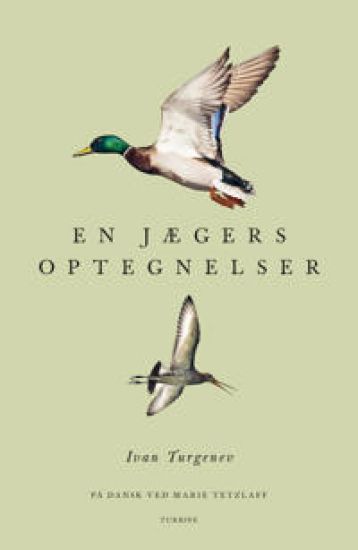
I En jægers optegnelser følger vi en ivrig jæger på hans rejse rundt i Rusland, drevet af jagtens forskellige former. I hvert af de 20 afsnit møder jægeren bønder og herremænd, soldater og jægere, rige og fattige, kvinder og mænd. Alle fortæller de jægeren om deres liv, eller jægeren oplever det selv i den tid, hvor de sammen, og fortællingerne om godhed og gerrighed, svig, glæde og fattigdom er også fortællingen om det russiskefolk, som det tog sig ud i 1852. Turgenev voksede op på sine forældres gods og så der, hvordan især hans mor tugtede og misbrugte de livegne bønder og tjenestefolkene. Det var en uretfærdighed, som blev siddende i ham gennem hele hans liv, og som udmøntede sig i værkerne En jægersoptegnelser og Fædre og sønner. Turgenev er blandt de største og mest kendte russiske forfattere fra 1800-tallet. Hans emner er de samme som hos Tolstoj og Dostojevskij, men selv yndede han at sammenligne sig med sin gode ven Gustave Flaubert. Senere forfattere som Joseph Conrad og Henry James er kraftigt influerede af Turgenev, og James har bl.a. sagt, at ”hans prosa og form er af den højeste orden”. Ivan Turgenev blev født i Orjal i Rusland af aristokratiske forældre i 1818. I 1852 udgav han, hvad der skulle blive hans store gennembrud og et hovedværk i den russiske realisme, En jægers optegnelser. Bogen slap pa° mirakuløs vis gennem zarens ellers strenge censur, og med sine beskrivelser af det russiske folks ha°rde liv blev den en stor del af grunden til, at livegenskabet endelig blev ophævet i Rusland.
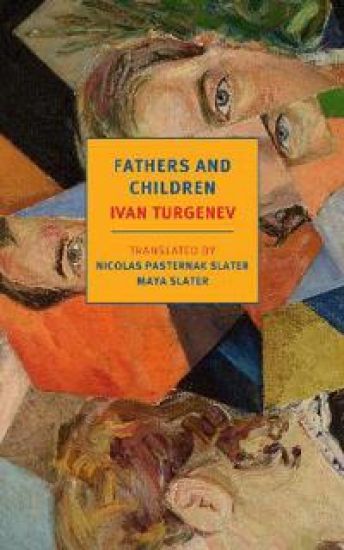
A 19th-century Russian masterpiece about love, politics, family, and the tension between the new generation and the old world. Ivan Turgenev's Fathers and Children is a masterpiece not only of the nineteenth century but of the whole of Russian literature, a book full to bursting with life. It is a novel about the relationships between the young and the old; about love, families, politics, religion; about strong beliefs and heated disagreements, illness and death. It is about the clash between liberals and conservatives, revolutionaries and reactionaries. At the time of its publication in 1862, the book aroused indignation in its critics who felt betrayed by Turgenev's refusal to let his novel serve a single ideology; it also received a spirited defense by those who saw in his diffuse sympathies a greater service to art and to humanity. Fathers and Children is not a practical manifesto but a lasting work of art and a timely book for our present age, newly and ably translated by Nicolas Pasternak Slater and Maya Slater.
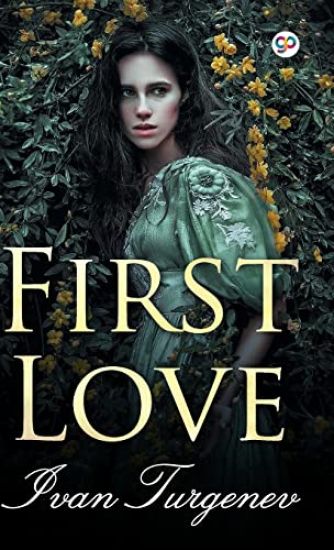
First published in 1860, 'First Love' is a novella by Ivan Turgenev, a Russian novelist, short story writer, poet, playwright, translator, and popularizer of Russian literature in the West. Some criticized its light subject matter that did not touch upon any of the pressing social and political issues of the day. But it had its many admirers, including the French novelist Gustave Flaubert, who gushed in a letter to Turgenev, "What an exciting girl that Zinochka is " It tells the love story between a 21-year-old girl and a 16-year-old boy. Like many of Turgenev's works, this one is highly autobiographical. Indeed, the author claimed it was the most autobiographical of all his works. Here Turgenev is retelling an incident from his own life, his infatuation with a young neighbor in the country, Catherine Shakovskoy (the Zinaida of the novella), an infatuation that lasted until his discovery that Catherine was in fact his own father's mistress.
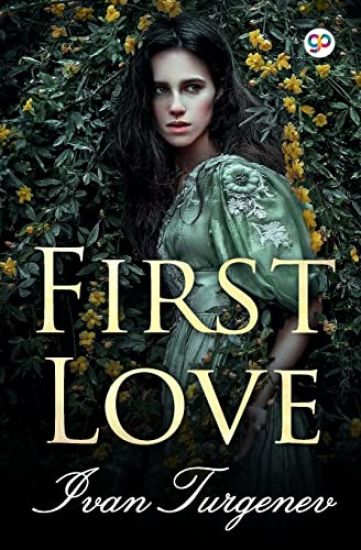
First published in 1860, 'First Love' is a novella by Ivan Turgenev, a Russian novelist, short story writer, poet, playwright, translator, and popularizer of Russian literature in the West. Some criticized its light subject matter that did not touch upon any of the pressing social and political issues of the day. But it had its many admirers, including the French novelist Gustave Flaubert, who gushed in a letter to Turgenev, "What an exciting girl that Zinochka is " It tells the love story between a 21-year-old girl and a 16-year-old boy. Like many of Turgenev's works, this one is highly autobiographical. Indeed, the author claimed it was the most autobiographical of all his works. Here Turgenev is retelling an incident from his own life, his infatuation with a young neighbor in the country, Catherine Shakovskoy (the Zinaida of the novella), an infatuation that lasted until his discovery that Catherine was in fact his own father's mistress.