Kirjojen hintavertailu – 12 903 725 kirjaa ja 27 kauppaa
Kirjailija
J. D. Beresford
Kirjat ja teokset yhdessä paikassa: 56 kirjaa, julkaisuja vuosilta 1999–2026, suosituimpiin kuuluu H.G. Wells. Vertaile teosten hintoja ja tarkista saatavuus suomalaisista kirjakaupoista.
Nimi esiintyy myös muodoissa: J D Beresford, J.D. Beresford
Notice: This Book is published by Historical Books Limited (www.publicdomain.org.uk) as a Public Domain Book, if you have any inquiries, requests or need any help you can just send an email to [email protected] This book is found as a public domain and free book based on various online catalogs, if you think there are any problems regard copyright issues please contact us immediately via [email protected]
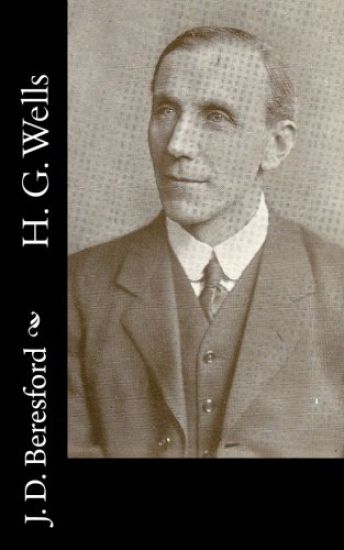
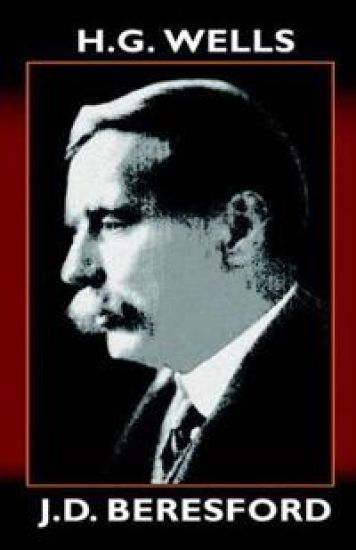
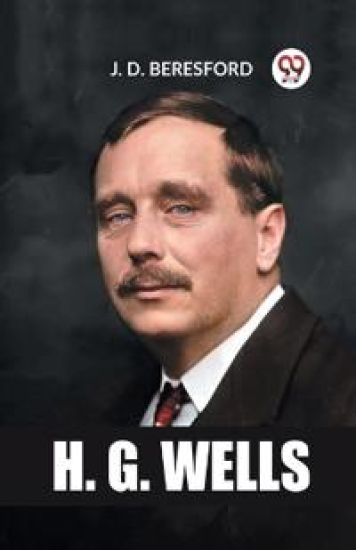
"H. G. Wells" by J. D. Beresford is a compelling biography that delves into the life and literary legacy of the renowned science fiction novelist. Beresford provides readers with a thorough exploration of Wells' contributions to British literature, focusing on his pioneering works in futurism and social commentary. As a novelist, Wells revolutionized the genre of science fiction, exploring themes of time travel, societal progress, and the consequences of scientific advancement. Beresford's biography offers insightful literary criticism, analyzing iconic works such as "War of the Worlds" and "The Invisible Man" within the context of Wells' progressive ideals and the Victorian era. Through meticulous research and analysis, Beresford paints a vivid portrait of Wells' life, chronicling his struggles, triumphs, and lasting legacy. From his visionary storytelling to his influence on future generations of writers, Wells' impact on British literature is undeniable, and Beresford's biography serves as a testament to his enduring significance in literary history. "H. G. Wells" stands as a comprehensive tribute to the life and work of one of the most influential novelists of the Victorian era, shedding light on Wells' remarkable legacy and his lasting impact on the world of literature.
John Davys Beresford (17 March 1873 - 1 February 1947) was an English writer, now remembered for his early science fiction and some short stories in the horror story and ghost story genres. Beresford was a great admirer of H. G. Wells, and wrote the first critical study of Wells in 1915. His Wellsian novel The Hampdenshire Wonder was a major influence on Olaf Stapledon. His other science-fiction novels include The Riddle of the Tower, about a dystopian, hive-like society. His father was a clergyman in Castor, now in Cambridgeshire near Peterborough. J. D. Beresford was affected by infantile paralysis, which left him partially disabled. He was educated at Oundle. After training to become an architect, he became a professional writer, first as a dramatist, and journalist. In early adulthood he broke away from his father's views and became a "determined but defensive" agnostic. He combined a prominent place in Edwardian literary London with time spent in the provinces, in particular Cornwall where D. H. Lawrence had an extended stay in his Porthcothan cottage. Later in life Beresford abandoned his earlier agnosticism and described himself as a Theosophist and a pacifist. Beresford was also interested in psychology, and attended several meetings organised by A. R. Orage to discuss psychological issues. Other attendees at these meetings included Havelock Ellis, Clifford Sharp, David Eder and Maurice Nicoll. Beresford also contributed to numerous publications; in addition to being a book reviewer for The Manchester Guardian, he also wrote for the New Statesman, The Spectator, Westminster Gazette, and the Theosophist magazine The Aryan Path. At one point, Beresford was offered the editorship of the pacifist magazine Peace News but declined because he felt he "would be a bad editor". Beresford's interest in the spiritual and philosophical may be best illustrated by the publisher notes to his novel, On A Huge Hill:
John Davys Beresford (17 March 1873 - 1 February 1947) was an English writer, now remembered for his early science fiction and some short stories in the horror story and ghost story genres. Beresford was a great admirer of H. G. Wells, and wrote the first critical study of Wells in 1915. His Wellsian novel The Hampdenshire Wonder was a major influence on Olaf Stapledon. His other science-fiction novels include The Riddle of the Tower, about a dystopian, hive-like society. His father was a clergyman in Castor, now in Cambridgeshire near Peterborough. J. D. Beresford was affected by infantile paralysis, which left him partially disabled. He was educated at Oundle. After training to become an architect, he became a professional writer, first as a dramatist, and journalist. In early adulthood he broke away from his father's views and became a "determined but defensive" agnostic. He combined a prominent place in Edwardian literary London with time spent in the provinces, in particular Cornwall where D. H. Lawrence had an extended stay in his Porthcothan cottage. Later in life Beresford abandoned his earlier agnosticism and described himself as a Theosophist and a pacifist. Beresford was also interested in psychology, and attended several meetings organised by A. R. Orage to discuss psychological issues. Other attendees at these meetings included Havelock Ellis, Clifford Sharp, David Eder and Maurice Nicoll. Beresford also contributed to numerous publications; in addition to being a book reviewer for The Manchester Guardian, he also wrote for the New Statesman, The Spectator, Westminster Gazette, and the Theosophist magazine The Aryan Path. At one point, Beresford was offered the editorship of the pacifist magazine Peace News but declined because he felt he "would be a bad editor". Beresford's interest in the spiritual and philosophical may be best illustrated by the publisher notes to his novel, On A Huge Hill:
John Davys Beresford (17 March 1873 - 1 February 1947) was an English writer, now remembered for his early science fiction and some short stories in the horror story and ghost story genres. Beresford was a great admirer of H. G. Wells, and wrote the first critical study of Wells in 1915. His Wellsian novel The Hampdenshire Wonder was a major influence on Olaf Stapledon. His other science-fiction novels include The Riddle of the Tower, about a dystopian, hive-like society. In this book: The Wonder, 1911 H. G. Wells, 1915 The Hampdenshire Wonder, 1911
This collection of literature attempts to compile many of the classic works that have stood the test of time and offer them at a reduced, affordable price, in an attractive volume so that everyone can enjoy them.
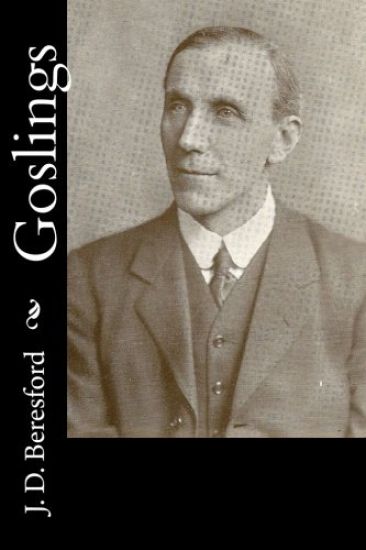
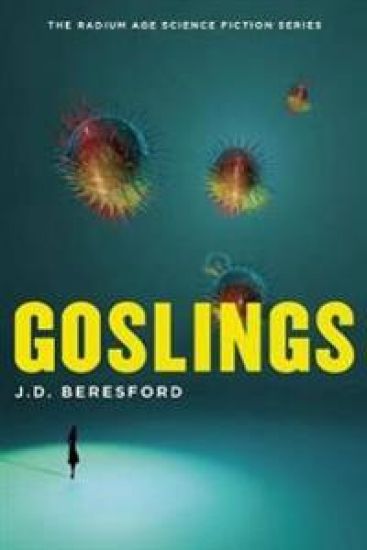
When a worldwide plague kills off most of England's male population, the highly conventional Mr. Gosling and his daughters begin to fulfill "long-thwarted tendencies and desires." Gosling abandons his family for a life of lechery, leaving his daughters--who have never been permitted to learn self-reliance--to loot abandoned shops. Eventually, the Gosling girls find a place in a female-dominated agricultural commune...but their new life is threatened by their elders' prejudices about free love!
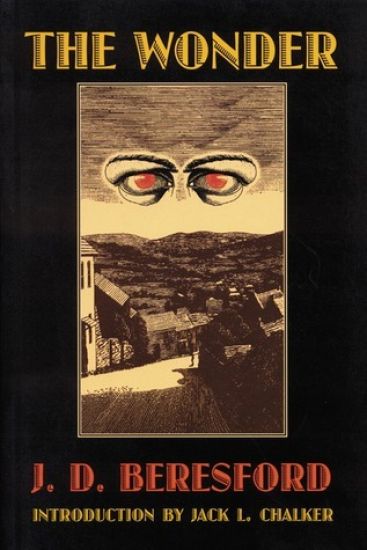
Nothing will ever mystify or challenge the Wonder. He masters entire libraries and languages with little effort. No equation, no problem is too difficult to solve. His casual conversations with ministers and philosophers decimate their vaunted beliefs and crush their cherished intellectual ambitions. The Wonder compels obedience and silence with a glance. His mother idolizes him as a god. Yet no one is more hated or alone than the Wonder. This is the chilling tale of Victor Stott, an English boy born thousands of years ahead of his time. Raised in the village of Hampdenshire, the strangely proportioned young Victor possesses mental abilities vastly superior to those of his fellow villagers. The incomprehensible intellect and powers of the Wonder inspire awe, provoke horror, and eventually threaten to rip apart Hampdenshire. Long recognized as a classic of speculative fiction but never before widely available, The Wonder is one of the first novels about a "superman." J. D. Beresford's subtle and intriguing story of a boy with superhuman abilities paved the way for such noted works as Philip Wylie's Gladiator and A. E. van Vogt's Slan