Kirjailija
J. I. Packer
Kirjat ja teokset yhdessä paikassa: 126 kirjaa, julkaisuja vuosilta 1958–2029, suosituimpiin kuuluu Darwinism Defeated?. Vertaile teosten hintoja ja tarkista saatavuus suomalaisista kirjakaupoista.
Nimi esiintyy myös muodoissa: J I Packer, J.I. Packer
126 kirjaa
Kirjojen julkaisuvuodet: 1958–2029.
To Be a Christian By J. I. Packer and Lane Dennis What does it mean to be a Christian? What is essential for Christian faith and life? How can we know Jesus Christ and experience the full love of God through him? How can you become a child of God, anchored in the full reality of unquenchable joy, beginning in this life and ever increasing in the life to come? It is possible to know about these things, however, without actually knowing them personally in one's life. In order not to miss what God is offering you, it is imperative that you receive Jesus Christ as your own Savior and Lord--if you have not already done so--and commit yourself to him to be his life-long disciple. There is no more important thing in life that you could ever do--both for the sake of this life and immeasurably more for the life to come. And when you have received Jesus Christ as your own Savior and Lord, to know that you have done it, so that you can go on from there, knowing the fullness of joy as a child of God both now and forever. To be a Christian is a lifelong personal commitment to Jesus Christ, but it begins with becoming a Christian in a deliberate conscious way, much like being a spouse begins with taking marriage vows. Being a Christian is a process of advance from that point. As you continue with Christ, with his Father as your heavenly Father, his Holy Spirit as your helper and guide, and his Church as your new family, you will constantly be led deeper into your born-again calling of worship, service, and Christ-like relationships. You need to know from the beginning that God creates human beings for the purpose of knowing him, loving him, and enjoying a deep friendship with him. But no one naturally fulfills this purpose. We are all out of step with God. In the words of the Bible, we are sinners, guilty before God and separated from him (Romans 3:23). Life in Christ is, first and foremost, God's taking living action to remedy our dire situation (Romans 5:8). The key facts of this divine remedy--which the Bible calls the Gospel (meaning "good news")--are these: 1. God the Father sent his eternal Son into this world to reconcile us sinners to himself, and to preserve and prepare us for his glory in the life to come. 2. Born of the Virgin Mary through the Holy Spirit, God's son (whose human name is "Jesus") lived a perfect life, died a criminal's death as a sacrifice for your sins, and rose again from the grave to rule as Christ (meaning "the Anointed One"), reigning on his Father's behalf in the Kingdom of God. 3. Reigning now in heaven, Jesus continues to draw sinners to himself through the communication of the Gospel here on earth. 4. By the Holy Spirit, God enables us to turn wholeheartedly from our sinful and self-centered ways (repentance) and to entrust ourselves to him, to live in union and communion with God (faith). Our natural condition could not be more desperate and urgent. In spiritual terms, our sin and self-centeredness is the way of death, and fellowship with Christ is the way of life now and forever. As the Apostle Peter said when her proclaimed the Gospel on Pentecost morning: "Repent and be baptized every one of you in the name of Jesus Christ for the forgiveness of your sins, and you will receive the gift of the Holy Spirit. For the promise is for you and for your children and for all who are far off, everyone whom the Lord our God calls to himself (Acts 2:38-39). God the Father calls us to himself through his Son. Jesus said, "I am the way, and the truth, and the life. No one comes to the Father except through me" (John 4:16). As we come to the Father, through Jesus Christ his Son, we experience and know and grow in the unconditional and transforming love of God. God the Son calls us to believe in him. We may understand a great deal about Jesus, but that is not the same as personally believing in Jesus as our Lord and Savior. We can attend church services and do many good things without knowing the risen Jesus. Knowing Jesus as Savior and Lord means personally believing in him, surrendering our lives to him, and living as his joyful followers. God the Holy Spirit enlightens our minds and hearts to believe in Jesus, giving us spiritual birth and life as we believe and trust in him. Our loving Father will "give the Holy Spirit to those who ask him" (Luke 11:13). As we place our faith in Jesus, the Holy Spirit comes to live in us and wonderfully provides us with the power and gifts for life and ministry as Jesus' disciples. To live faithfully as Christians, we must rely upon the equipping and enabling power of the Holy Spirit. In a way beyond our grasp, the Father, the Son, and the Holy Spirit are revealed as equally one God and three Persons. The Father, the Son, and the Holy Spirit are near to us at all times and will hear us whenever we pray with sincerity, truly meaning what we say. God calls us to enter into continual repentance and faith in Christ. And the way to enter into life in Christ--today and forever--is to pray a prayer like this (preferably in the presence of a mature Christian): Lord Jesus Christ, I confess my faults, shortcomings, sins, and rebellious acts, and ask you to forgive me. I embrace you, Lord Jesus, as my Savior and Lord. Thank you for your atoning death on the cross in obedience to your Father's will, to wash away my sins. I enthrone you, Lord Jesus, to be in charge of every part of my life, and I ask you to indwell and empower me with your Holy Spirit, so that I may live as your faithful follower from now on, in this life and forever with you in heaven. In Jesus name I pray these words with all my heart and soul, amen. If you have prayed the prayer above "to be a Christian," we would encourage you to visit the GoodNews.org website, where you can read the Bible free and find many helpful materials for your new life as a Christian. Excerpted from To Be A Christian: An Anglican Catechism. Used by permission of the Anglican Church in North America.

For Christians, weakness should be a way of life. Yet most of us try desperately to be sufficient on our own, and we resent our limitations and our needs. Renowned theologian and Bible teacher J. I. Packer reflects on his experience of weakness—having been hit by a truck at a young age and now facing the realities of aging—in order to teach us the importance of embracing our own frailty, and also to help us look to Christ for strength, affirmation, and contentment. Find here a path from discouragement to freedom in light of our all-sufficient God.
Twenty leading scholars have written essays demonstrating that Christ redeems all areas of human knowledge, assembled in honor of Vern Poythress and his important contribution to evangelical scholarship.
'How can we turn our knowledge about God into knowledge of God? The rule for doing so is simple but demanding. It is that we turn each truth that we learn about God into matter for mediation before God, leading to prayer and praise to God.'Knowing God is a more complex business than knowing another person. If we spend the rest of our lives at it, there will still be more to comprehend. But the marvel of it is that God's riches are opened up to us to explore.' J. I. PackerJoin J. I. Packer on a year of discovery. Using excerpts from his bestselling book Knowing God, each day you'll read a Scripture and a brief passage from Knowing God. There are ideas for prayer and reflection to help you respond to God as you journey into knowing him more. There is no greater adventure.
Enjoying God – Finding Hope in the Attributes of God
R. C. Sproul; J. I. Packer
Baker Books, a division of Baker Publishing Group
2017
nidottu
Confused, angry, and hurt after the death of his father, a young R. C. Sproul began his personal search for ultimate truth with these piercing questions: Who are you, God? And why do you do the things you do? In Enjoying God, readers journey with R. C. Sproul to discover the attributes of God through the questions many of us have asked: Where are you, God? Can I trust you, God? and more. In this warm, personal account, Dr. Sproul communicates deep truths in a fresh and easy-to-understand style as he shares his passion to know God and urges the reader to dig deep and seek the God who is alive, who is real, and who loves each one of us.
Discover the Immeasurable Love of Christ God’s grand plan for the redemption of his creation has been in motion since before time began. The book of Ephesians lays out this glorious vision, revealing what Christ's redemptive work means for the people of God and showing us how we should live in light of that reality. Alive in Him draws us into the main themes in the book of Ephesians, showing us how the blessings we have received in Christ empower our obedience and love for God. Designed to be read alongside an open Bible, Alive in Him helps us apply Paul's letter to our daily lives, reminding us of our purpose on earth and directing our gaze to the love of Jesus Christ—a love that has the power to transform how we live.
Each day you'll read a Scripture and a brief passage about the glory and joy of being in relationship with God. An idea at the end of each day's reading will help you to respond to God in prayer and reflection. This could be the most significant book you will read this year or next."
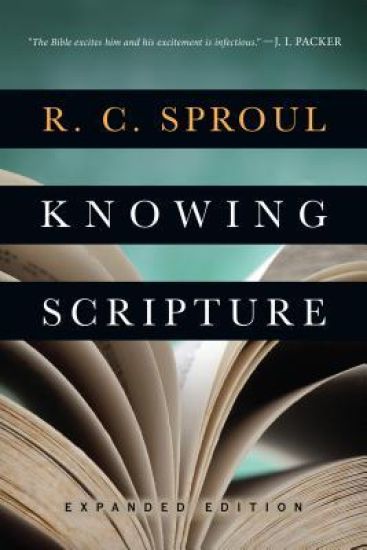
Knowing Scripture
R. C. Sproul; J. I. Packer
Inter-Varsity Press,US
2016
nidottu
Halvin toimitettuna 28,20 €
The Bible is the written Word of God, and it is treasured by many. But it is also an ancient book about people and cultures very different than us. Thus, while we know we should read it, many of us have a hard time understanding the Bible. In this expanded edition of Knowing Scripture, R. C. Sproul helps us dig out the meaning of Scripture for ourselves. The author says, "The theme of this book is not how to read the Bible but how to study the Bible." He presents in simple, basic terms a commonsense approach to studying Scripture and gives eleven practical guidelines for biblical interpretation and applying what we learn. With a minimum of technical jargon, Sproul tackles some of the knotty questions regarding differences of interpreting the Bible, including discovering the meanings of biblical wordsunderstanding Hebrew poetry, proverbs and parablesapproaching historical and didactic passagesbeing careful with predictive prophecydiscerning how culture conditions the Biblechoosing and using Bible translations, commentaries, Bible software and other helps Now with a new preface, Knowing Scripture is a basic book for both beginning Bible readers and experienced students of Scripture.
J. I. Packer maintains that anyone who wants to know God will want to know as much as they can of what is in the Bible. For through it God reveals himself and his purpose to us; and in it we discover his fellowship and grace. Packer presents the case for reliability of the Bible and urges us to return with open hearts to reading God's word, and to discovering its overwhelming power in our lives. This challenging sequel to Knowing God is a great resource for the Christian journey.
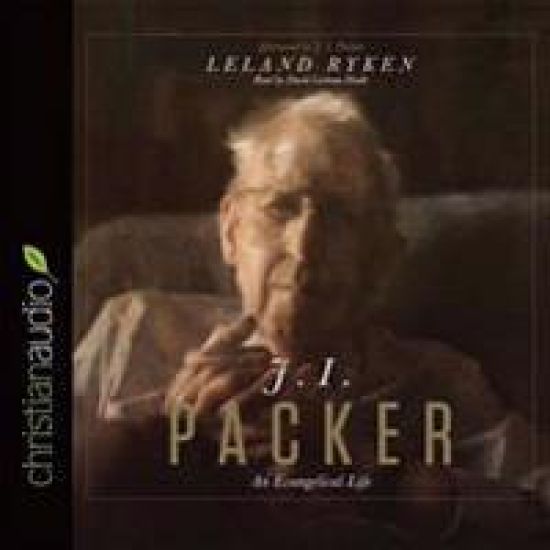
For the last 60 years, J. I. Packer has exerted a steady and remarkable influence on evangelical theology and practice. His many books, articles, and lectures have shaped entire generations of Christians, helping elevate their view of God and enliven their love for God. In this new biography, well-known scholar Leland Ryken provides readers with a compelling overview of Packer's interesting life and influential legacy. Exploring his childhood, college days, theological education, and professional life in both England and America, this volume combines detailed facts with personal anecdotes so as to paint a holistic portrait of the man himself. Finally, Ryken identifies lifelong themes evident in Packer's life, ministry, and writings that shed light on his enduring significance for Christians today.
Short Answers to Big Questions about God, the Bible, and Christianity
Clinton E. Arnold; Jeff Arnold; J. I. Packer
Baker Academic, Div of Baker Publishing Group
2015
nidottu
This accessible reference offers short and to-the-point answers to fifty pressing questions people have about God, the Bible, and Christianity, including- Are there errors or contradictions in the Bible?- Do science and faith conflict?- Is hell a real place?- What will heaven be like?- Is it possible to prove God exists?- Why did Jesus have to die?- Does God hate sex?- Do Christians have to go to church?- and many moreThis book is for those who want a clear introduction to the essential teachings of Christianity to help them grow in faith and in preparation to share the basics of Christian belief.
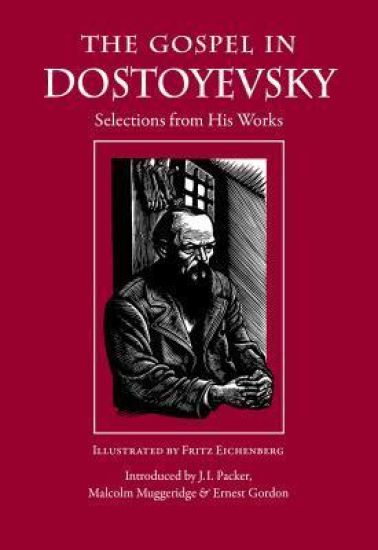
The Gospel in Dostoyevsky
Fyodor Dostoyevsky; J. I. Packer; Malcolm Muggeridge
Plough Publishing House
2014
pokkari
Dostoyevsky's deepest, most compelling passages in one volume The Gospel in Dostoyevsky vividly reveals – as none of his novels can on their own – the common thread of the great God-haunted Russian’s questioning faith. Drawn from The Brothers Karamazov, The Idiot, Crime and Punishment, and The Adolescent, the seventeen selections are each prefaced by an explanatory note. Newcomers will find in these pages a rich, accessible sampling. Dostoyevsky devotees will be pleased to find some of the writer’s deepest, most compelling passages in one volume. Full-page woodcuts by master engraver Fritz Eichenberg enhance the book.
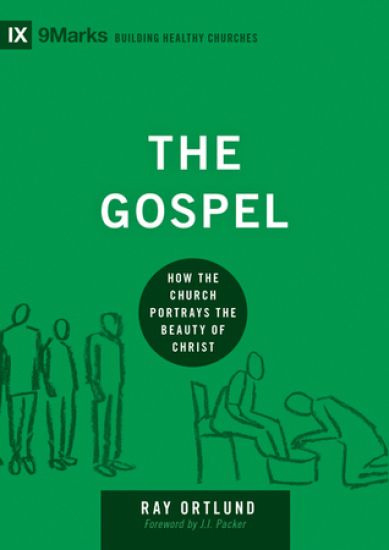
How does the church portray the beauty of Christ? The gospel is a theological message. But this message also creates human beauty—beautiful relationships in our churches, making the glory of Christ visible in the world today. In this timely book, Pastor Ray Ortlund makes the case that gospel doctrine creates a gospel culture. In too many of our churches, it is the beauty of a gospel culture that is the missing piece of the puzzle. But when the gospel is allowed to exert its full power, a church becomes radiant with the glory of Christ. Part of the 9Marks: Building Healthy Churches series.
Thinning hair, failing eyesight, and arthritic hands reveal an inescapable truth: we’re only getting older. But that doesn’t mean we should simply sit back and take it easy. In Finishing Our Course with Joy, renowned theologian and author J. I. Packer challenges us to embrace old age as an opportunity for continued learning, careful planning, and heartfelt discipleship. Packer’s pastoral words and personal stories encourage us to press on toward the upward call of God with endurance and grace—that we might continue to glorify God in our aging and finish our lives with joy.
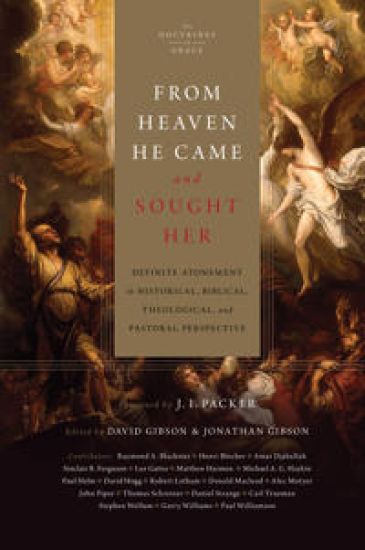
There is a palpable sense of confusion—and sometimes even embarrassment—with regard to so-called limited atonement today, pointing to the need for thoughtful engagement with this controversial doctrine. Incorporating contributions from a host of respected theologians, From Heaven He Came and Sought Her stands as the first comprehensive resource on definite atonement as it examines the issue from historical, biblical, theological, and pastoral perspectives. Offering scholarly insights for those seeking a thorough and well-researched discussion, this book will encourage charitable conversations as it winsomely defends this foundational tenet of Reformed theology.
Explaining the essentials of the faith, renowned theologian and author J. I. Packer outlines the core commitments that are common to those of us who profess belief in Jesus. Here is a call to discipleship in mere Christianity—the business of taking God seriously.
This volume brings together a range of articles by renowned Reformed theologian J I Packer, written for both popular and scholarly journals over the years. In them, Packer strongly defends Trinitarian theology, and addresses themes such as atonement, justification, and the Holy Spirit. 240 pages, from Authentic Media.
In this collection of articles written over forty years, Packer sets out his beliefs about the authority of Scripture and the principles that should be applied when interpreting it. Important topics such as the adequacy of human language, upholding the unity of Scripture, and challenges in Biblical interpretation are considered in the first two sections: Gods Inerrant Word and Interpreting the Word. In the final section, Preaching the Word, Packer turns his attention to pastoral leaders and the importance of correct and responsible expository preaching.
Here one of the leading authorities on the Puritans, J. I. Packer introduces us to their rich theology and deep spirituality. Packer gives us profiles of John Flavel, Thomas Boston, John Bunyan, Matthew Henry, Henry Scougal, John Owen and Stephen Charnock and two closer portraits of William Perkins and Richard Baxter. The writings of the Puritans continue to profoundly reward readers and here J. I. Packer brings them alive in an inspiring way to encourage a new generation to experience their delights.