Kirjailija
James Baldwin
Kirjat ja teokset yhdessä paikassa: 351 kirjaa, julkaisuja vuosilta 1976–2027, suosituimpiin kuuluu Giovanni's Room: Introduction by Colm Tóibín. Vertaile teosten hintoja ja tarkista saatavuus suomalaisista kirjakaupoista.
351 kirjaa
Kirjojen julkaisuvuodet: 1976–2027.
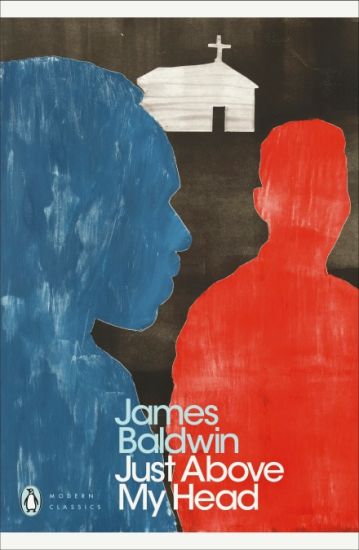
'This is the work of a born storyteller at the height of his powers' Edmund White, Washington Post When Arthur Montana, world-renowned 'Emperor of Soul', is found dead in a London pub, his grief-stricken brother looks back over thirty years in the lives of their group of friends: from their childhood spent preaching and singing in Harlem churches, to their struggles with war and poverty, and their encounters with wealth, love and fame. Set against a vividly drawn background of the civil rights movement of the sixties, Baldwin's last novel is a monumental saga that ranges from New York to Paris, Korea to Africa to portray how profoundly racial politics can shape life, especially in the private business of love. 'Warm, melancholy . . . Hall Montana's voice is the conduit for Baldwin's most distinctive quality as a writer, his abundant tenderness' The New York Times
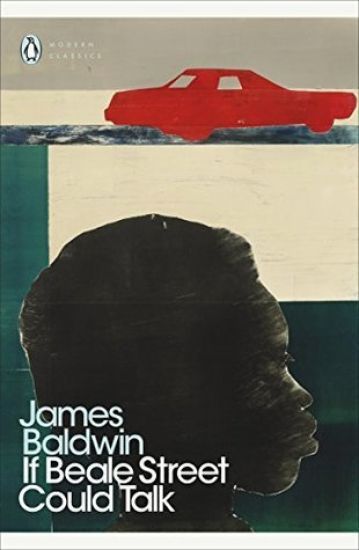
'Achingly beautiful' Guardian Harlem, the black soul of New York City, in the era of Aretha Franklin and Ray Charles. The narrator of Baldwin's novel is Tish nineteen, and pregnant. Her lover Fonny, father of her child, is in jail accused of rape. Flashbacks from their love affair are woven into the compelling struggle of two families to win justice for Fonny. To this love story James Baldwin brings a spare and impassioned intensity, charging it with universal resonance and power.'If Beale Street Could Talk affirms not only love between a man and a woman, but love of a type that is dealt with only rarely in contemporary fiction - that between members of a family' Joyce Carol OatesThe inspiration for Oscar award-winning film

Set in Greenwich Village, Harlem, and France, among other locales, Another Country is a novel of passions--sexual, racial, political, artistic--that is stunning for its emotional intensity and haunting sensuality, depicting men and women, blacks and whites, stripped of their masks of gender and race by love and hatred at the most elemental and sublime. In a small set of friends, Baldwin imbues the best and worst intentions of liberal America in the early 1970s.
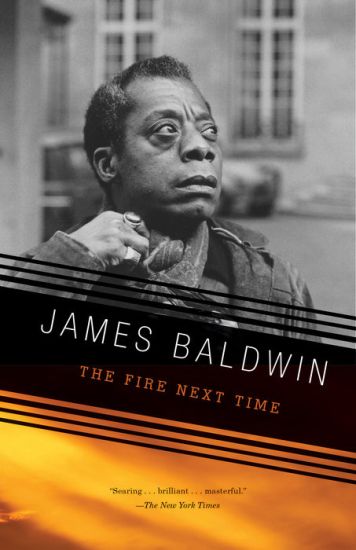
NATIONAL BESTSELLER - The book that galvanized the nation, gave voice to the emerging civil rights movementin the 1960s--and still lights the way to understanding race in America today. - "The finest essay I've ever read." --Ta-Nehisi CoatesAt once a powerful evocation of James Baldwin's early life in Harlem and a disturbing examination of the consequences of racial injustice, the book is an intensely personal and provocative document from the iconic author of If Beale Street Could Talk and Go Tell It on the Mountain. It consists of two "letters," written on the occasion of the centennial of the Emancipation Proclamation, that exhort Americans, both black and white, to attack the terrible legacy of racism. Described by The New York Times Book Review as "sermon, ultimatum, confession, deposition, testament, and chronicle ... all presented in searing, brilliant prose," The Fire Next Time stands as a classic of literature.

'These essays ... live and grow in the mind' James Campbell, IndependentBeing a writer, says James Baldwin in this searing collection of essays, requires 'every ounce of stamina he can summon to attempt to look on himself and the world as they are'. His seminal 1961 follow-up to Notes on a Native Son shows him responding to his times and exploring his role as an artist with biting precision and emotional power: from polemical pieces on racial segregation and a journey to 'the Old Country' of the Southern states, to reflections on figures such as Ingmar Bergman and André Gide, and on the first great conference of African writers and artists in Paris.'Brilliant...accomplished...strong...vivid...honest...masterly' The New York Times'A bright and alive book, full of grief, love and anger' Chicago Tribune
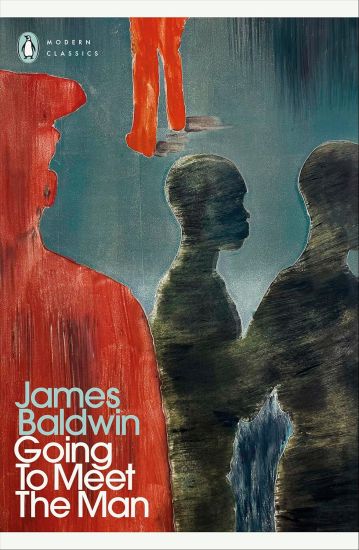
‘Everyone’s life begins on a level where races, armies, and churches stop. And yet everyone’s life is always shaped by races, churches, and armies’In these eight extraordinary stories of love, conflict, desperation and fear, James Baldwin shows people trapped by the roles they must play in society, and those who try and escape them. From the child in ‘The Rockpile’ whose God-fearing father will not forgive his illegitimacy, to the adolescent who hides his sexuality from his community in ‘The Outing’, and from the down-and-out jazz pianist recovering from addiction in ‘Sonny’s Blues’ to the chilling initiation of a racist in ‘Going to Meet the Man’, these tales, first published in 1965, explore the subtle and profound wounds that discrimination leaves – both in its victims and its perpetrators. ‘He uses words as the sea uses waves’ Langston Hughes'Few, it seems to me, have driven their words with such passion' Guardian
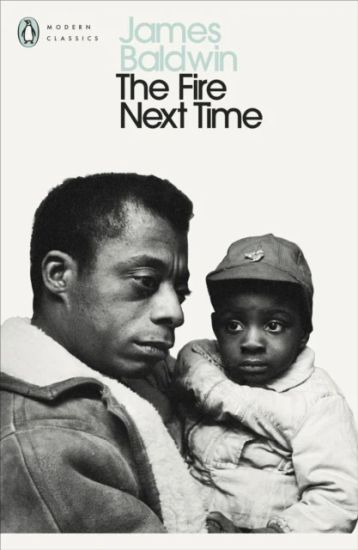
'Sermon, ultimatum, confession, deposition, testament, and chronicle ... all presented in searing, brilliant prose' The New York Times Book Review We, the black and the white, deeply need each other here if we are really to become a nationJames Baldwin's impassioned plea to 'end the racial nightmare' in America was a bestseller when it appeared in 1963, galvanising a nation and giving voice to the emerging civil rights movement. Told in the form of two intensely personal 'letters', The Fire Next Time is at once a powerful evocation of Baldwin's early life in Harlem and an excoriating condemnation of the terrible legacy of racial injustice.'A seminal meditation on race by one of our greatest writers' Barack Obama'Baldwin writes with great passion ... it reeks of truth, as the ghettoes of New York and London, Chicago and Manchester reek of our hypocrisy' Sunday Times'The great poet-prophet of the civil rights movement ... his seminal work' Guardian

This book is dedicated to a consideration of genocide in the context of political sociology. It demonstrates that the underlining predicates of sociology give scant consideration to basic issues of life and death in favor of distinctly derivative issues of social structure and social function.
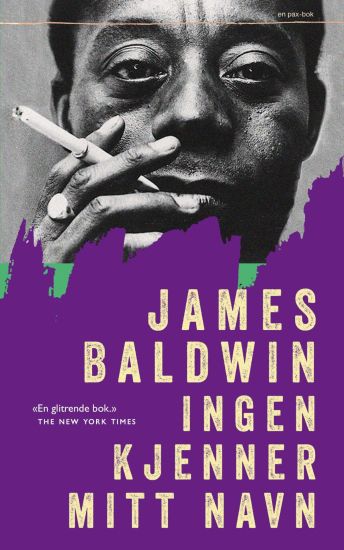
Denne boken inneholder tolv essay fra James Baldwins essaysamlinger Notes of a Native Son (1955) og Nobody Knows My Name (1961). Her tar Baldwin opp alt fra hva det betyr å være amerikaner, til forfatterens rolle i samfunnet. Han skriver også sterkt og gripende om oppveksten i Harlem. Ingenkjenner mitt navn ble utgitt for første gang på norsk i 1964, også den gang av Pax. Oversettelsen er lett modernisert og oppdatert i henhold til dagens rettskriving.