

Kirjailija
James G. Speight
Kirjat ja teokset yhdessä paikassa: 94 kirjaa, julkaisuja vuosilta 2000–2026, suosituimpiin kuuluu Fouling in Refineries. Vertaile teosten hintoja ja tarkista saatavuus suomalaisista kirjakaupoista.
Nimi esiintyy myös muodoissa: James G Speight
94 kirjaa
Kirjojen julkaisuvuodet: 2000–2026.
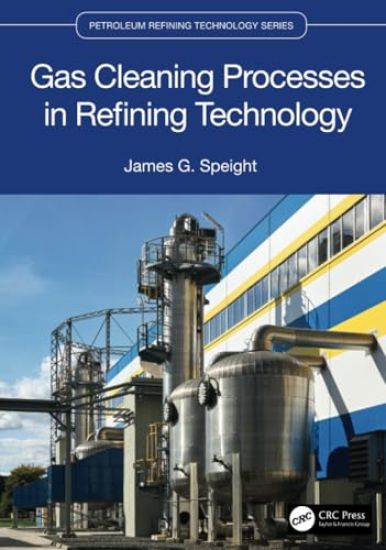
This book focuses on the various refinery processes that are used for gas cleaning operations. By understanding the use of gas cleaning processes, this book will satisfy the needs of engineers and scientists at all levels from academia to the refinery and help them understand the initial various processes. This accessible guide is written for managers, professionals, and technicians as well as graduate students transitioning into the refining industry. Key Features:Describes gas streams produced in a crude oil refinery and from non-refinery feedstocks. Covers gas condensate, gas from biomass, waste and landfill waste, and details categorization by types of contaminants and by removal method. Provides an extensive glossary. Discusses the future of gas cleaning operations and the evolution of the industry. This series of eight books is designed to present descriptions of (1) the development of technologies for a variety of feedstocks (including the viscous feedstocks which are often referred to as heavy feedstocks) utilizing advanced pre-treatment processing and hydrotreating, (2) an analysis of the catalyst deactivation mechanism for developing optimum technologies for processing feedstocks with low reactivity, (3) the development of advanced technologies applicable to the viscous feedstocks, (4) the development of advanced hydrocracking processes for heavy feedstock upgrading, (5) the development of innovative upgrading processes for the viscous feedstocks, and (6) the role of biomass in the future refinery. Furthermore, each book is a stand-alone volume that will bring the reader further up to date and adds more data as well as processing options that may be the processes of the evolving twenty-first century. As the eighth book in the series, this book will focus on the various refinery processes that are used for gas cleaning operations. The target audience includes engineers, scientists, and students who want an update on crude oil processing and the direction of the industry in the next 50 years. Such personnel include (1) professionals in the refining industry, (2) technicians in the refining industry, (3) industry management personnel who need to understand the various processes and the role of these process in producing the desired feedstocks for further processing and the use of solvents to produce saleable products, and (4) the academic staff and graduate students who are moving into the refining industry. Any non-technical readers, with help from the extensive glossary, will also benefit from the series.
Petroleum Biodegradation and Oil Spill Bioremediation
Karuna K. Arjoon; James G. Speight
TAYLOR FRANCIS LTD
2024
nidottu
The prime focus of the book is to determine the mechanism, extent, and efficiency of biodegradation processes, as it is necessary to know the composition of the original crude oil or crude oil product. The technology of bioremediation and the concerns of whether or not bioremediation technologies can accelerate this natural process enough to be considered practical, and, if so, whether they might find a niche as replacements for, or adjuncts to, other crude oil-spill response technologies. This book also introduces the reader to the science of the composition of crude oil and crude oil products is at the core of understanding the chemistry of biodegradation and bioremediation processes.
Petroleum Nanobiotechnology
Nour Shafik El-Gendy; Hussein Nabil Nassar; James G. Speight
Apple Academic Press Inc.
2024
nidottu
This book, Petroleum Nanobiotechnology: Modern Applications for a Sustainable Future, explores the unique fusion of biotechnology and nanotechnology as applied to the different sectors of the oil and gas industry. It is a concise resource on the most recent and most up-to-date bottom-up fabrication techniques in petroleum nanobiotechnology, covering the advantages of biofabrication over chemical or physical techniques from the point of being more cost-effective, ecofriendly, biocompatibly superior, and highly stable. The volume covers the important topic of microbial and phytosynthesis of metal and metal oxide nanoparticles. The key applications discussed here include the application of these nanoparticles in different sectors of the oil and gas industry, with special emphasis on antimicrobial applications, reduction of environmental pollutants, and bio-upgrading of petroleum and its fractions. The discussion of each application is augmented with a critical review of the potential for continued development. The book first provides an overview of petroleum microbiology and nanotechnology and proceeds to consider phytosynthesis of metal nanoparticles, microbial synthesis of metal nanoparticles, biosynthesis of metal oxide nanoparticles, nanobiotechnology and mitigation of microbial-influenced corrosion in petroleum industry, applications of nanobiotechnology in petroleum refining, and how nanobiotechnology can be used for petroleum wastewater treatment. This book covers the very important principle of nanobiotechnology as applied in the petroleum industry and how it can be used for:Oil recoveryMicrobial enhanced oil recoveryPetroleum refinery, such as, for example, desulfurization, denitrogenation, demetallization, biotransformation, and bio-upgradingBioremediation of oil polluted soil and waterMitigation of microbial corrosion and bio-foulingToxicity of nano-materials and its obstacles upon applicationNanobiotechnology in petroleum industry and the 17 goals of sustainable developmentThe advantages of the application of nanobiotechnology in the oil industries are enormous and clearly outweigh any negligible cons. The success can have a huge impact on the exploration, production, refining, mitigation of corrosion, waste management, and economics. This informative volume will be valuable for petroleum engineers and petroleum microbiologists, scientists, and researchers concerned with nanotechnology, environmental pollution, petroleum biotechnology, petroleum microbiology, petroleum refining, and the petroleum industry in general.
Refinery Products and Product Improvement Processes
James G. Speight
TAYLOR FRANCIS LTD
2024
sidottu
This book focuses on the various refinery products, product improvement processes, and solvent processes that are used in the refining industry and the processes used in product improvement to ensure products meet sales specifications. This accessible book is written for engineers, scientists, students, and academics wanting an update on crude oil processing and insight into the direction of the industry. Key features:• Describes the development of technologies for a variety of feedstocks, including heavy feedstocks utilizing advanced pre-treatment processing and hydrotreating.• Presents the initial refining processes and prepares for the new changes and evolution of the industry, including the role of biomass in the future refinery. • Analyses catalyst deactivation mechanism for developing optimum technologies for processing feedstocks with low reactivity.• Includes an extensive glossary which will be beneficial for non-technical readers.

Handbook of Heavy Oil Properties and Analysis Understand the future of oil production with this comprehensive guide Heavy oil, also known as viscous oil, is oil too viscous to flow normally from wells and reservoirs. In recent decades it has become increasingly important as a source of liquid oil for use in industrial processes. This places all the greater importance on proper analysis of heavy oil and its properties, so that it can be more effectively refined and deployed to meet ever-growing energy needs. Handbook of Heavy Oil Properties and Analysis provides a comprehensive introduction to the analysis of viscous oil and its properties. It discusses the full range of tests and analytical procedures by which the behavior and refinability of viscous oil samples can be predicted and connects theoretical knowledge to refinery practice throughout. Additionally, its incorporation of the latest environmental regulations makes it an invaluable resource. Readers will also find: Detailed coverage of both physical properties and chemical composition of heavy oilAn author more than fifty years of experience in the process industriesDiscussion of new methods for determining instability and incompatibility This book is a useful reference for scientists and engineers in the oil refining industries, chemists and researchers in heavy oil and adjacent industries, and government officials and regulators.
This 3rd volume of 'Gas Engineering' introduces the concept of liquefied natural gas and the concept gas-to-liquids and also presents a review of the uses of gas streams and the effects of the various gases on the environment. This volume also describes the properties gas streams as they are related to corrosion effects are also presented. The relationship of the properties of gas streams as they affect corrosion such as carburization and metal dusting as well as corrosion in steel and other materials used in refinery technology are also presented and the book summarizes key findings into corrosion processes in gas-processing equipment as well as corrosion in offshore structures. Each book contains references at the end of chapter which include information from the open literature and meeting proceedings to give a picture of where the gas processing technology stands as well as indicate some relatively new technologies that could become important in the future. Also, each book also contains a comprehensive glossary. The books are written in an easy-to-read style and offer a ready-at-hand (one-stop-shopping) guide to the many issues that are related to the engineering aspects of the properties and processing of natural gas as well as the effects of natural gas on various ecosystems as well as to pollutant mitigation and clean-up. The books present an overview, with a considerable degree of detail of the various aspects of natural gas technology. Any chemistry presented in the books is used as a means of explanation of a particular point but is maintained at an elementary level.
Thermal and Catalytic Processing in Petroleum Refining Operations
James G. Speight
TAYLOR FRANCIS LTD
2023
sidottu
This book presents the thermal and catalytic processes in refining. The differences between each type of process and the types of feedstock that can be used for the processes are presented. Relevant process data is provided, and process operations are fully described. This accessible guide is written for managers, professionals, and technicians as well as graduate students transitioning into the refining industry. Key Features: Describes feedstock evaluation and the effects of elemental, chemical, and fractional composition. Details reactor types and bed types. Explores the process options and parameters involved. Assesses coke formation and additives. Considers next generation processes and developments.
Petroleum Biodegradation and Oil Spill Bioremediation
Karuna K. Arjoon; James G. Speight
TAYLOR FRANCIS LTD
2022
sidottu
The prime focus of the book is to determine the mechanism, extent, and efficiency of biodegradation processes, as it is necessary to know the composition of the original crude oil or crude oil product. The technology of bioremediation and the concerns of whether or not bioremediation technologies can accelerate this natural process enough to be considered practical, and, if so, whether they might find a niche as replacements for, or adjuncts to, other crude oil-spill response technologies. This book also introduces the reader to the science of the composition of crude oil and crude oil products is at the core of understanding the chemistry of biodegradation and bioremediation processes.
Dewatering, Desalting, and Distillation in Petroleum Refining
James G. Speight
TAYLOR FRANCIS LTD
2022
sidottu
This book presents a detailed and practical description of various processes – dewatering, desalting, and distillation – that prepare refinery feedstocks for different conversion processes they will go through. Relevant process data are provided, and process operations are fully described. This accessible guide is written for managers, professionals, and technicians as well as graduate students transitioning into the refining industry. Key Features:• Describes feedstock evaluation and the effects of elemental, chemical, and fractional composition.• Details the equipment and components and possible impacts due to composition.• Explores the process options and parameters involved in dewatering, desalting, and distillation.• Considers next-generation processes and developments.
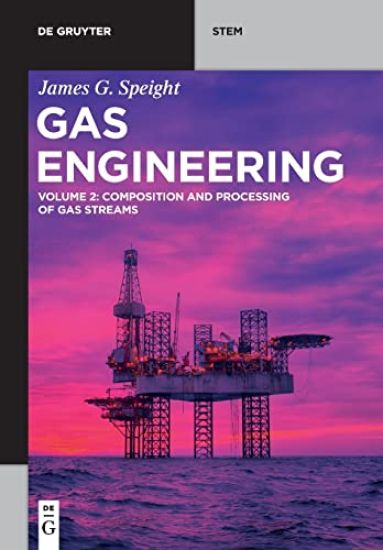
Volume 2 covers the constituents of gas streams and their properties. The author presents the chemistry and engineering aspects of the methods and principles by which the gas streams might be cleaned from their noxious constituents. The concept of gas condensate is also discussed as well as the methods which can be applied to the analysis of streams and condensate. Vol. 1: Origin and Reservoir Engineering. Vol. 3: Uses of Gas and Effects.
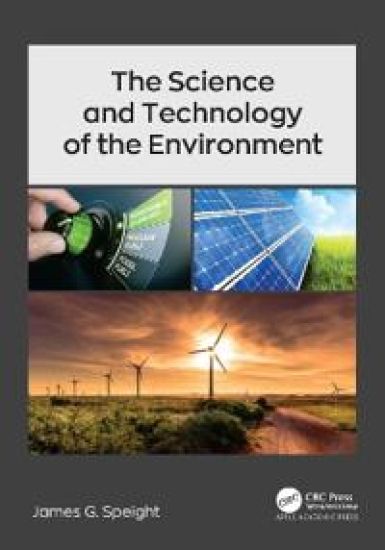
The Science and Technology of the Environment
James G. Speight
Apple Academic Press Inc.
2022
sidottu
Understanding current environmental issues requires having a critical eye to all information related to the release and distribution of chemicals into the environment. This new book offers scientists, researchers, and students an essential understanding of natural environments and the way in which they function by providing clear explanations of the fundamental aspects of environmental science and technology from a multidisciplinary perspective. Written in a convenient and easy-to-read style, this volume covers the important aspects of environmental science and technology, focusing on the many issues that are related to the effects of chemical waste on various ecosystems as well as on pollutant mitigation and clean-up. The volume discusses several key environmental problems such as pollution, ozone layer depletion, acid rain, and global warming affecting the Earth’s atmosphere, aquasphere, and geosphere over the past four decades. The author takes an interdisciplinary approach to explain the environmental conditions of earth affected by physical, chemical, biological, and human interactions that transform and transport materials and energy. The Science and Technology of the Environment is a ready-at-hand guide to the many issues that are related to the effects of chemicals on various ecosystems as well as to pollutant mitigation and clean-up that will be valuable to students at all levels as well as a refresher for scientists, researchers, policymakers, and others.
Petroleum Nanobiotechnology
Nour Shafik El-Gendy; Hussein Nabil Nassar; James G. Speight
Apple Academic Press Inc.
2022
sidottu
This book, Petroleum Nanobiotechnology: Modern Applications for a Sustainable Future, explores the unique fusion of biotechnology and nanotechnology as applied to the different sectors of the oil and gas industry. It is a concise resource on the most recent and most up-to-date bottom-up fabrication techniques in petroleum nanobiotechnology, covering the advantages of biofabrication over chemical or physical techniques from the point of being more cost-effective, ecofriendly, biocompatibly superior, and highly stable. The volume covers the important topic of microbial and phytosynthesis of metal and metal oxide nanoparticles. The key applications discussed here include the application of these nanoparticles in different sectors of the oil and gas industry, with special emphasis on antimicrobial applications, reduction of environmental pollutants, and bio-upgrading of petroleum and its fractions. The discussion of each application is augmented with a critical review of the potential for continued development. The book first provides an overview of petroleum microbiology and nanotechnology and proceeds to consider phytosynthesis of metal nanoparticles, microbial synthesis of metal nanoparticles, biosynthesis of metal oxide nanoparticles, nanobiotechnology and mitigation of microbial-influenced corrosion in petroleum industry, applications of nanobiotechnology in petroleum refining, and how nanobiotechnology can be used for petroleum wastewater treatment. This book covers the very important principle of nanobiotechnology as applied in the petroleum industry and how it can be used for:Oil recoveryMicrobial enhanced oil recoveryPetroleum refinery, such as, for example, desulfurization, denitrogenation, demetallization, biotransformation, and bio-upgradingBioremediation of oil polluted soil and waterMitigation of microbial corrosion and bio-foulingToxicity of nano-materials and its obstacles upon applicationNanobiotechnology in petroleum industry and the 17 goals of sustainable developmentThe advantages of the application of nanobiotechnology in the oil industries are enormous and clearly outweigh any negligible cons. The success can have a huge impact on the exploration, production, refining, mitigation of corrosion, waste management, and economics. This informative volume will be valuable for petroleum engineers and petroleum microbiologists, scientists, and researchers concerned with nanotechnology, environmental pollution, petroleum biotechnology, petroleum microbiology, petroleum refining, and the petroleum industry in general.
ENCYCLOPEDIA OF RENEWABLE ENERGY Written by a highly respected engineer and prolific author in the energy sector, this is the single most comprehensive, thorough, and up-to-date reference work on renewable energy. The world’s energy industry is and has always been volatile, sometimes controversial, with wild swings upward and downward. This has, historically, been mostly because most of our energy has come from fossil fuels, which is a finite source of energy. Every so often, a technology comes along, like hydrofracturing, that is a game-changer. But is it, really? Aren’t we just delaying the inevitable with these temporary price fixes The only REAL game-changer is renewable energy. For decades, renewable energy sources have been sought, developed, and studied. Sometimes wind is at the forefront, sometimes solar, and, for the last decade or so, there has been a surge in interest for biofeedstocks and biofuels. There are also the “old standbys” of nuclear and geothermal energy, which have both been around for a very long time. This groundbreaking new volume presents these topics and trends in an encyclopedic format, as a go-to reference for the engineer, scientist, student, or even layperson who works in the industry or is simply interested in the topic. Compiled by one of the world’s best-known and respected energy engineers, this is the most comprehensive and up-to-date encyclopedia of renewable energy ever written, a must-have for any library. Encyclopedia of Renewable Energy: Is written in an encyclopedic style, covering every aspect of renewable energy, including wind, solar, and many other topicsOffers a comprehensive coverage of the industry, from the chemical processes of biofeedstocks and biofuels to the machinery and equipment used in the production of fuel and power generationIs filled with workable examples and designs that are helpful for practical applications Covers the state of the art, an invaluable resource for any engineer Audience Engineers across a variety of industries, including wind, solar, process engineering, waste utilization for fuels, and many others, such as process engineers, chemical engineers, electrical engineers, petroleum engineers, civil engineers, and the technicians and other scientists who work in this field
The petrochemical industry is a scientific and engineering field that encompasses the production of a wide range of chemicals and polymers. The purpose of this book is not only to provide a follow-on to form the later chapters of the highly successful Chemistry and Technology of Petroleum 5th Edition but also provides a simplified approach to a very diverse chemical subject dealing with the chemistry and technology of various petroleum and petrochemical process. Following from the introductory chapters, this book provides the readers with a valuable source of information containing insights into petrochemical reactions and products, process technology, and polymer synthesis. Provides readers with a valuable source of information containing insights into petrochemical reactions and products, process technology, and polymer synthesis Introduces the reader to the various petrochemical intermediates are generally produced by chemical conversion of primary petrochemicals to form more complicated derivative productsThe reactions and processes involved in transforming petroleum-based hydrocarbons into the chemicals that form the basis of the multi-billion dollar petrochemical industry are reviewed and described The book includes information on new process developments for the production of raw materials and intermediates for petrochemicals Includes a description of the origin of the raw materials for the petrochemicals industry – including an overview of the coal chemicals industry
Volume 1 deals with the origins of process gases and describes recovery, properties and composition. It covers as well the shale gas, the production from hydrocarbon rich deep shale formations, being one of the most quickly expanding trends in onshore domestic gas exploration. Vol. 2: Composition and Processing of Gas Streams. Vol. 3: Uses of Gas and Effects.
Coal accounts for approximately one quarter of world energy consumption and of the coal produced worldwide approximately 65% is shipped to electricity producers and 33% to industrial consumers, with most of the remainder going to consumers in the residential and commercial sectors. The total share of total world energy consumption by coal is expected to increase to almost 30% in 2035. This book describes the challenges and steps by which electricity is produced form coal and deals with the challenges for removing the environmental objections to the use of coal in future power plants. New technologies are described that could virtually eliminate the sulfur, nitrogen, and mercury pollutants that are released when coal is burned for electricity generation. In addition, technologies for the capture greenhouse gases emitted from coal-fired power plants are described and the means of preventing such emissions from contributing to global warming concerns. Written by one of the world’s leading energy experts, this volume is a must-have for any engineer, scientist, or student working in this field, providing a valuable reference and guide in a quickly changing field.
Chemistry And Technology Of Alternate Fuels
James G Speight
World Scientific Publishing Co Pte Ltd
2020
sidottu
This compendium covers unconventional fuel sources, i.e., sources other than crude oil and natural gas with the aim of presenting these sources as future alternates to fossil fuels. The contents of this must-have volume are important aspects of the non-fossil fuel sources of availability of alternate sources of fuels. The properties of these fuels are well documented and compared to other fuels from non-petroleum sources (such as tar sand, coal, and oil shale). The environmental effects of non-petroleum fuels will also be compared to other fuels in terms of current environmental regulations.
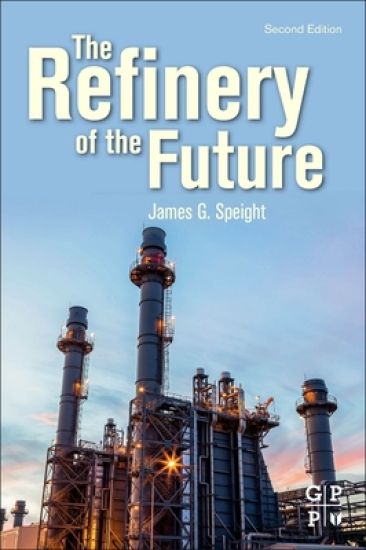
The Refinery of the Future, Second Edition, delivers useful knowledge that will help the engineer understand the processes involved, feedstocks, composition and future technologies. Covering the basic chemistry, commercial processes already in use and future innovation, this reference gives engineers and managers the tools needed to understand refining products, feedstocks, and the processes critical to convert feedstocks to desired outcomes. New information concerning tight shale formations and heavy oil process options is included for today’s operations. Rounding out with future uses in shale, bioliquids and refinery configurations, this book gives engineers and refinery managers the knowledge to update and upgrade their refinery assets.
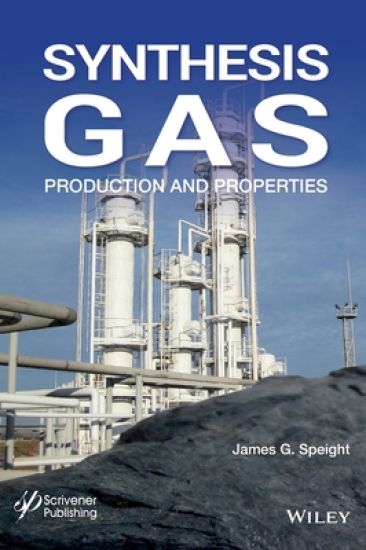
As a follow-up to the Handbook of Gasification Technology, also from Wiley-Scrivener, Synthesis Gas goes into more depth on how the products from this important technology can reduce our global carbon footprint and lead the United States, and other countries, toward energy independence. The environmental benefits are very high, and, along with carbon capture and renewable fuels, synthesis gas (or syngas) is a huge step toward environmental sustainability. Synthesis gas is one of the most important advancements that has ever occurred in energy production. Using this technology, for example, coal, biomass, waste products, or a combination of two or more of these can be gasified into a product that has roughly half the carbon footprint of coal alone. Used on a massive scale, just think of the potential for reducing carbon emissions! Synthesis Gas covers all aspects of the technology, from the chemistry, processes, and production, to the products, feedstocks, and even safety in the plant. Whether a veteran engineer or scientist using it as a reference or a professor using it as a textbook, this outstanding new volume is a must-have for any library.