Kirjojen hintavertailu – 12 903 725 kirjaa ja 27 kauppaa

Kirjailija

James G. Speight

Kirjat ja teokset yhdessä paikassa: 94 kirjaa, julkaisuja vuosilta 2000–2026, suosituimpiin kuuluu Fouling in Refineries. Vertaile teosten hintoja ja tarkista saatavuus suomalaisista kirjakaupoista.

Nimi esiintyy myös muodoissa: James G Speight

94 kirjaa

Kirjojen julkaisuvuodet: 2000–2026.

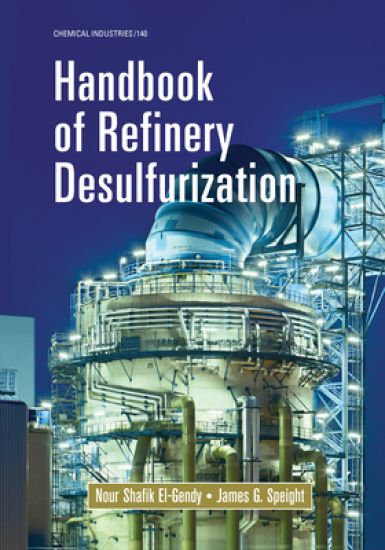
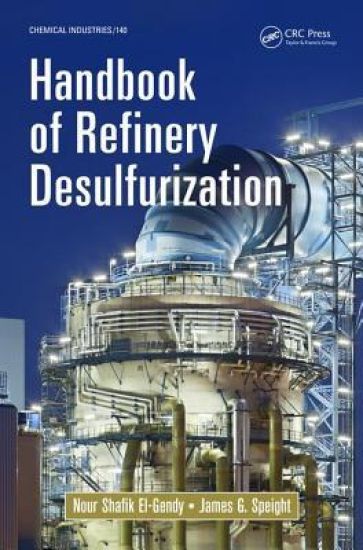
Handbook of Refinery Desulfurization

Handbook of Refinery Desulfurization

Nour Shafik El-Gendy; James G. Speight

CRC Press
2020
nidottu
Handbook of Refinery Desulfurization describes the operation of the various desulfurization process units in a petroleum refinery. It also explains the processes that produce raw materials for the petrochemical industry. It illustrates all the possible processes to lower the sulfur contents in petroleum and its fractions to decrease emissions of sulfur oxides. This book introduces you to desulfurization concepts, including biodesulfurization, as well as technology, giving guidance on how to accomplish desulfurization in various refining processes. It contains background chapters on the composition and evaluation of feedstocks and includes diagrams and tables of feedstocks and their respective produce. It also outlines how to decide which method should be employed to remove sulfur from different feedstocks. A practical and thorough discussion of the field, Handbook of Refinery Desulfurization gives you a strong grasp of the various processes involved with industrial desulfurization while giving you pointers on which procedures to use under certain conditions.
Global Climate Change Demystified

Global Climate Change Demystified

James G. Speight

John Wiley Sons Inc
2019
sidottu
Tackling one of the most controversial subjects of our time, one of the world's foremost environmental and petroleum engineers explores the potential causes and ramifications of global climate change. For too many years climate change (also referred to as global warming) has been assigned predominantly to the emissions of carbon dioxide through the combustion of fossil fuels. It must never be forgotten or ignored, however, that the Earth has been constantly changing since its formation and has gone through different eras like glaciations, among others. These changes need thousands of years to be made visible, and are likely still continuing, given the increase in the average temperature of the Earth since the pre-industrial period (provided that the measurements of past climatic temperatures are accurate and beyond reproach). It follows that the warming trend that has occurred over the past 100 years is very likely to have some origins in natural events as well as in human activity. The precise contributions of natural effects and anthropogenic effects on the climate are not known, but it is accurate to conclude that many factors continue to influence climate. Whether or not human activities have become a dominant force in the changing climate and are responsible for most of the warming observed is still open to question. When studying the climate system of the Earth, an area of common confusion is whether climate scientists agree or disagree as to whether or not climate change is happening, or if it is happening, whether or not humans are the primary cause. There are a variety of reasons for this, but a majority of scientists who study climate and publish in peer-reviewed journals agree that human activity is causing the warming of the Earth. The purpose of this book is to weigh all of these various data points and, in a scientific and unemotional way, arrive at likely conclusions regarding global climate change. Whether human activity is the main driver behind our current changes in climate, one thing is certain: Climate change is happening, and we all need to make informed, rather than emotional, decisions.
Shale Oil and Gas Production Processes

Shale Oil and Gas Production Processes

James G. Speight

Gulf Professional Publishing
2019
nidottu
Shale Oil and Gas Production Processes delivers the basics on current production technologies and the processing and refining of shale oil. Starting with the potential of formations and then proceeding to production and completion, this foundational resource also dives into the chemical and physical nature of the precursor of oil shale, kerogen, to help users understand and optimize its properties in shale. Rounding out with reporting, in situ retorting, refining and environmental aspects, this book gives engineers and managers a strong starting point on how to manage the challenges and processes necessary for the further development of these complex resources.
Natural Water Remediation

Natural Water Remediation

James G. Speight

Butterworth-Heinemann Inc
2019
nidottu
Natural Water Remediation: Chemistry and Technology considers topics such as metal ion solubility controls, pH, carbonate equilibria, adsorption reactions, redox reactions and the kinetics of oxygenation reactions that occur in natural water environments. The book begins with the fundamentals of acid-base and redox chemistry to provide a better understanding of the natural system. Other sections cover the relationships among environmental factors and natural water (including biochemical factors, hydrologic cycles and sources of solutes in the atmosphere). Chemical thermodynamic models, as applied to natural water, are then discussed in detail. Final sections cover self-contained applications concerning composition, quality measurement and analyses for river, lake, reservoir and groundwater sampling.
Handbook of Petrochemical Processes

Handbook of Petrochemical Processes

James G. Speight

Productivity Press
2019
sidottu
The petrochemical industry is a scientific and engineering field that encompasses the production of a wide range of chemicals and polymers. The purpose of this book is not only to provide a follow-on to form the later chapters of the highly successful Chemistry and Technology of Petroleum 5th Edition but also provides a simplified approach to a very diverse chemical subject dealing with the chemistry and technology of various petroleum and petrochemical process. Following from the introductory chapters, this book provides the readers with a valuable source of information containing insights into petrochemical reactions and products, process technology, and polymer synthesis. Provides readers with a valuable source of information containing insights into petrochemical reactions and products, process technology, and polymer synthesis Introduces the reader to the various petrochemical intermediates are generally produced by chemical conversion of primary petrochemicals to form more complicated derivative productsThe reactions and processes involved in transforming petroleum-based hydrocarbons into the chemicals that form the basis of the multi-billion dollar petrochemical industry are reviewed and described The book includes information on new process developments for the production of raw materials and intermediates for petrochemicals Includes a description of the origin of the raw materials for the petrochemicals industry – including an overview of the coal chemicals industry
Heavy Oil Recovery and Upgrading

Heavy Oil Recovery and Upgrading

James G. Speight

Gulf Professional Publishing
2019
nidottu
Heavy Oil Recovery and Upgrading covers properties, factors, methods and all current and upcoming processes, giving engineers, new and experienced, the full spectrum of recovery choices, including SAGD, horizontal well technology, and hybrid approaches. Moving on to the upgrading and refining of the product, the book also includes information on in situ upgrading, refining options, and hydrogen production. Rounding out with environmental effects, management methods on refinery waste, and the possible future configurations within the refinery, this book provides engineers with a single source to make decisions and manage the full range of challenges.
Natural Gas

Natural Gas

James G. Speight

Gulf Professional Publishing
2018
nidottu
Natural Gas: A Basic Handbook, Second Edition provides the reader with a quick and accessible introduction to a fuel source/industry that is transforming the energy sector. Written at an introductory level, but still appropriate for engineers and other technical readers, this book provides an overview of natural gas as a fuel source, including its origins, properties and composition. Discussions include the production of natural gas from traditional and unconventional sources, the downstream aspects of the natural gas industry. including processing, storage, and transportation, and environmental issues and emission controls strategies. This book presents an ideal resource on the topic for engineers new to natural gas, for advisors and consultants in the natural gas industry, and for technical readers interested in learning more about this clean burning fuel source and how it is shaping the energy industry.
Handbook of Natural Gas Analysis

Handbook of Natural Gas Analysis

James G. Speight

Wiley-Blackwell
2018
sidottu
A comprehensive resource to the origin, properties, and analysis of natural gas and its constituents Handbook of Natural Gas Analysis is a comprehensive guide that includes information on the origin and analysis of natural gas, the standard test methods, and procedures that help with the predictability of gas composition and behavior during gas cleaning operations and use. The author—a noted expert on the topic—also explores the properties and behavior of the various components of natural gas and gas condensate. All chapters are written as stand-alone chapters and they cover a wealth of topics including history and uses; origin and production; composition and properties; recovery, storage, and transportation; properties and analysis of gas stream and gas condensate. The text is designed to help with the identification of quality criteria appropriate analysis and testing that fall under the umbrella of ASTM International. ASTM is an organization that is recognized globally across borders, disciplines and industries and works to improve performance in manufacturing and materials and products. This important guide: Contains detailed information on natural gas and its constituentsOffers an analysis of methane, gas hydrates, ethane, propane, butane, and gas condensateIncludes information on the behavior of natural gas to aid in the planning for recovery, storage, transportation, and useCovers the test methods that are applicable to natural gas and its constituentsWritten in accessible and easy-to-understand terms Written for scientists, engineers, analytical chemists who work with natural gas as well as other scientists and engineers in the industry, Handbook of Natural Gas Analysis offers a guide to the analysis, standard test methods, and procedures that aid in the predictability of gas composition and behavior during gas cleaning operations and use.
Reaction Mechanisms in Environmental Engineering

Reaction Mechanisms in Environmental Engineering

James G. Speight

Butterworth-Heinemann Inc
2018
nidottu
Reaction Mechanisms in Environmental Engineering: Analysis and Prediction describes the principles that govern chemical reactivity and demonstrates how these principles are used to yield more accurate predictions. The book will help users increase accuracy in analyzing and predicting the speed of pollutant conversion in engineered systems, such as water and wastewater treatment plants, or in natural systems, such as lakes and aquifers receiving industrial pollution. Using examples from air, water and soil, the book begins with a clear exposition of the properties of environmental and inorganic organic chemicals that is followed by partitioning and sorption processes and sorption and transformation processes. Kinetic principles are used to calculate or estimate the pollutants' half-lives, while physical-chemical properties of organic pollutants are used to estimate transformation mechanisms and rates. The book emphasizes how to develop an understanding of how physico-chemical and structural properties relate to transformations of organic pollutants.
Formulas and Calculations for Drilling Operations

Formulas and Calculations for Drilling Operations

James G. Speight

John Wiley Sons Inc
2018
sidottu
Newly revised, this is still the "must have" guide for any drilling, production, or petroleum engineer, with thousands of handy formulas and calculations that the engineer needs on a daily basis. Presented in an easy-to-use format, this second edition of Formulas and Calculations for Drilling Operations is a quick reference for day-to-day work out on the rig. It also serves as a handy study guide for drilling and well control certification courses. Virtually all the mathematics required on a drilling rig is here in one convenient source, including formulas for pressure gradient, specific gravity, pump, output, annular velocity, buoyancy factor, and many other topics. Whether open on your desk, on the hood of your truck at the well, or on an offshore platform, this is the only book available that covers the gamut of the formulas and calculations for petroleum engineers that have been compiled over decades. Some of these formulas and calculations have been used for decades, while others are meant to help guide the engineer through some of the more recent breakthroughs in the industry's technology, such as hydraulic fracturing and enhanced oil recovery. There is no other source for these useful formulas and calculations that is this thorough. An instant classic when the first edition was published, the much-improved revision is even better, offering new information not available in the first edition, making it as up-to-date as possible in book form. Truly a state-of-the-art masterpiece for the oil and gas industry, if there is only one book you buy to help you do your job, this is it!
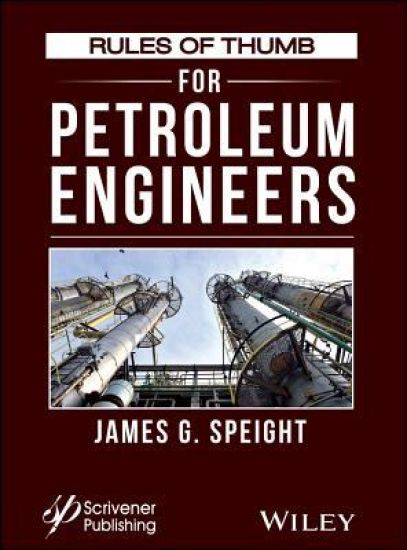
Rules of Thumb for Petroleum Engineers

Rules of Thumb for Petroleum Engineers

James G. Speight

John Wiley Sons Inc
2017
sidottu
The most comprehensive and thorough reference work available for petroleum engineers of all levels. Finally, there is a one-stop reference book for the petroleum engineer which offers practical, easy-to-understand responses to complicated technical questions. This is a must-have for any engineer or non-engineer working in the petroleum industry, anyone studying petroleum engineering, or any reference library. Written by one of the most well-known and prolific petroleum engineering writers who has ever lived, this modern classic is sure to become a staple of any engineer's library and a handy reference in the field. Whether open on your desk, on the hood of your truck at the well, or on an offshore platform, this is the only book available that covers the petroleum engineer's rules of thumb that have been compiled over decades. Some of these "rules," until now, have been "unspoken but everyone knows," while others are meant to help guide the engineer through some of the more recent breakthroughs in the industry's technology, such as hydraulic fracturing and enhanced oil recovery. The book covers every aspect of crude oil, natural gas, refining, recovery, and any other area of petroleum engineering that is useful for the engineer to know or to be able to refer to, offering practical solutions to everyday engineering problems and a comprehensive reference work that will stand the test of time and provide aid to its readers. If there is only one reference work you buy in petroleum engineering, this is it.
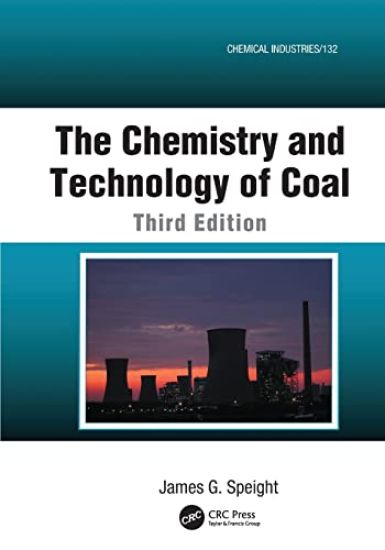
The Chemistry and Technology of Coal

The Chemistry and Technology of Coal

James G. Speight

CRC Press
2016
nidottu
The demand for coal use (for electricity generation) and coal products, particularly liquid fuels and chemical feedstocks, is increasing throughout the world. Traditional markets such as North America and Europe are experiencing a steady increase in demand whereas emerging Asian markets, such as India and China, are witnessing a rapid surge in demand for clean liquid fuels. A detailed and comprehensive overview of the chemistry and technology of coal in the twenty-first century, The Chemistry and Technology of Coal, Third Edition also covers the relationship of coal industry processes with environmental regulations as well as the effects of combustion products on the atmosphere. Maintaining and enhancing the clarity of presentation that made the previous editions so popular, this book: Examines the effects of combustion products on the atmosphereDetails practical elements of coal evaluation proceduresClarifies misconceptions concerning the organic structure of coalDiscusses the physical, thermal, electrical, and mechanical properties of coalAnalyzes the development and current status of combustion and gasification techniquesIn addition to two new chapters, Coal Use and the Environment and Coal and Energy Security, much of the material in this edition been rewritten to incorporate the latest developments in the coal industry. Citations from review articles, patents, other books, and technical articles with substantial introductory material are incorporated into the text for further reference. The Chemistry and Technology of Coal, Third Edition maintains its initial premise: to introduce the science of coal, beginning with its formation in the ground to the production of a wide variety of products and petrochemical intermediates in the twenty-first century. The book will prove useful for scientists and engineers already engaged in the coal and/or catalyst manufacturing industry looking for a general overview or update on the clean coal technology as well as professional researchers and students in chemistry and engineering.
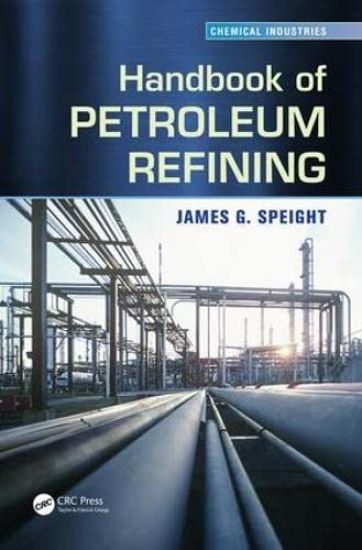
Handbook of Petroleum Refining

Handbook of Petroleum Refining

James G. Speight

CRC Press Inc
2016
sidottu
Petroleum refining involves refining crude petroleum as well as producing raw materials for the petrochemical industry. This book covers current refinery processes and process-types that are likely to come on-stream during the next three to five decades. The book includes (1) comparisons of conventional feedstocks with heavy oil, tar sand bitumen, and bio-feedstocks; (2) properties and refinability of the various feedstocks; (3) thermal processes versus hydroprocesses; and (4) the influence of refining on the environment.
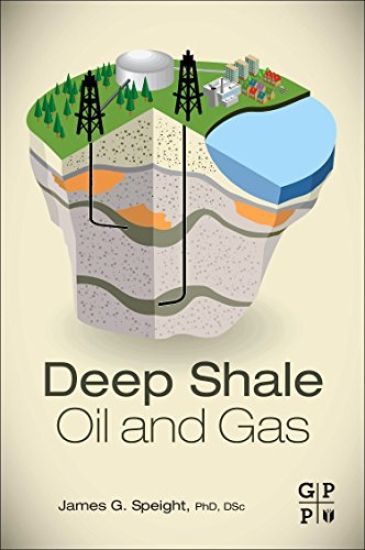
Deep Shale Oil and Gas

Deep Shale Oil and Gas

James G. Speight

Gulf Professional Publishing
2016
nidottu
Natural gas and crude oil production from hydrocarbon rich deep shale formations is one of the most quickly expanding trends in domestic oil and gas exploration. Vast new natural gas and oil resources are being discovered every year across North America and one of those new resources comes from the development of deep shale formations, typically located many thousands of feet below the surface of the Earth in tight, low permeability formations. Deep Shale Oil and Gas provides an introduction to shale gas resources as well as offer a basic understanding of the geomechanical properties of shale, the need for hydraulic fracturing, and an indication of shale gas processing. The book also examines the issues regarding the nature of shale gas development, the potential environmental impacts, and the ability of the current regulatory structure to deal with these issues. Deep Shale Oil and Gas delivers a useful reference that today’s petroleum and natural gas engineer can use to make informed decisions about meeting and managing the challenges they may face in the development of these resources.
Peak Energy

Peak Energy

James G. Speight; M. R. Islam

John Wiley Sons Inc
2016
sidottu
Does the Earth contain enough oil to provide energy for the human race indefinitely? If not, how long will the oil last? What about renewable energy technologies like wind and solar? Will they be able to supply an indefinite supply of energy for the human race? If not, how long will it last? And what role does overpopulation play in our world's energy supply? Even with multiple forms of energy available, how long will it last as long as more and more humans, and therefore more industries and energy consumption, are added? Taking a long-held theory called "Peak Oil Theory" the authors of this groundbreaking new text examine the theory of "Peak Energy" to examine all of these questions. Crude oil and natural gas are the major sources of fuel used to supply energy for various needs. Users of crude oil and natural gas must take into account that these energy sources are, without doubt, non-renewable depleting resources, and the cost of extraction depends not only on the current rate of production but also on the amount of cumulative production. In fact, many pundits believe projections that the world is rapidly approaching a precipice, after which crude oil and natural gas will no longer be in ready supply. This phenomenon has given rise to the peak oil theory – peak oil is the point in time when the maximum rate of petroleum recovery from the reservoir is reached, after which the rate of petroleum production enters terminal decline. From this concept has emerged the wider concept of the peak energy theory which, as it is related to the availability of all fossil fuels, is also subject to decline with fossil fuel use. This text, written by two of the world's most well-known, respected, and prolific writers in the energy industry, is a fascinating study of our world's energy needs and the future of the multi-source energy supply on this planet. Whether oil and gas, wind, solar, geothermal, or even nuclear, all sources of energy have their limits, and we, as scientists, engineers, and consumers of energy need to be knowledgeable on these topics. This book is a must-have for any engineer, student, scientist, or even layperson interested in energy and the idea of energy sustainability on planet Earth.

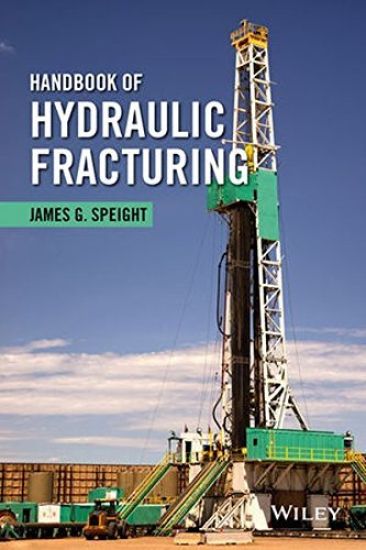
Handbook of Hydraulic Fracturing

Handbook of Hydraulic Fracturing

James G. Speight

John Wiley Sons Inc
2016
sidottu
Presents an up-to-date description of current and new hydraulic fracturing processes Details Emerging Technologies such as Fracture Treatment Design, Open Hole Fracturing, Screenless Completions, Sand Control, Fracturing Completions and ProductivityCovers Environmental Impact issues including Geological Disturbance; Chemicals used in Fracturing; General Chemicals; Toxic Chemicals; and Air, Water, Land, and Health impactsProvides many process diagrams as well as tables of feedstocks and their respective products
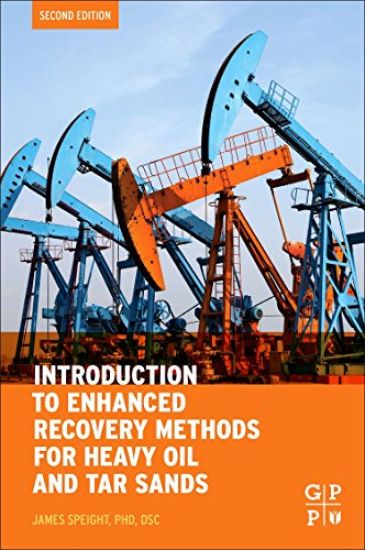
Introduction to Enhanced Recovery Methods for Heavy Oil and Tar Sands
Introduction to Enhanced Recovery Methods for Heavy Oil and Tar Sands, Second Edition, explores the importance of enhanced oil recovery (EOR) and how it has grown in recent years thanks to the increased need to locate unconventional resources such as heavy oil and shale. Unfortunately, petroleum engineers and managers aren't always well-versed in the enhancement methods that are available when needed or the most economically viable solution to maximize their reservoir’s productivity. This revised new edition presents all the current methods of recovery available, including the pros and cons of each. Expanded and updated as a great preliminary text for the newcomer to the industry or subject matter, this must-have EOR guide teaches all the basics needed, including all thermal and non-thermal methods, along with discussions of viscosity, sampling, and the technologies surrounding offshore applications.
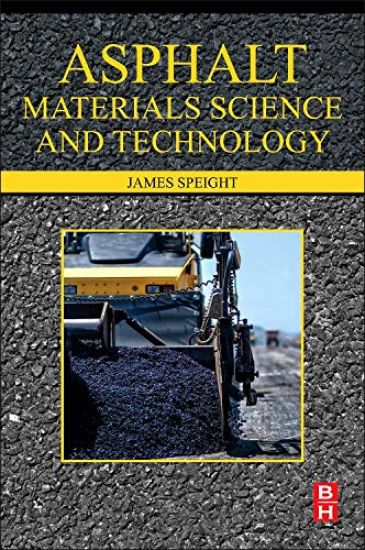
Asphalt Materials Science and Technology

Asphalt Materials Science and Technology

James G. Speight

Butterworth-Heinemann Inc
2015
sidottu
Asphalt is a complex but popular civil engineering material. Design engineers must understand these complexities in order to optimize its use. Whether or not it is used to pave a busy highway, waterproof a rooftop or smooth out an airport runway, Asphalt Materials Science and Technology acquaints engineers with the issues and technologies surrounding the proper selection and uses of asphalts. With this book in hand, researchers and engineering will find a valuable guide to the production, use and environmental aspect of asphalt.
Handbook of Refinery Desulfurization

Handbook of Refinery Desulfurization

Nour Shafik El-Gendy; James G. Speight

CRC Press Inc
2015
sidottu
Handbook of Refinery Desulfurization describes the operation of the various desulfurization process units in a petroleum refinery. It also explains the processes that produce raw materials for the petrochemical industry. It illustrates all the possible processes to lower the sulfur contents in petroleum and its fractions to decrease emissions of sulfur oxides. This book introduces you to desulfurization concepts, including biodesulfurization, as well as technology, giving guidance on how to accomplish desulfurization in various refining processes. It contains background chapters on the composition and evaluation of feedstocks and includes diagrams and tables of feedstocks and their respective produce. It also outlines how to decide which method should be employed to remove sulfur from different feedstocks. A practical and thorough discussion of the field, Handbook of Refinery Desulfurization gives you a strong grasp of the various processes involved with industrial desulfurization while giving you pointers on which procedures to use under certain conditions.