Kirjojen hintavertailu – 12 903 729 kirjaa ja 27 kauppaa

Kirjailija

James Hamilton

Kirjat ja teokset yhdessä paikassa: 148 kirjaa, julkaisuja vuosilta 1984–2026, suosituimpiin kuuluu Architecture of a Database System. Vertaile teosten hintoja ja tarkista saatavuus suomalaisista kirjakaupoista.

148 kirjaa

Kirjojen julkaisuvuodet: 1984–2026.

Sinai, the Hedjaz, and Soudan

Sinai, the Hedjaz, and Soudan

James Hamilton

British Library, Historical Print Editions
2011
pokkari
Title: Sinai, the Hedjaz, and Soudan: wanderings around the birth-place of the Prophet, and across the thiopian desert, from Sawakin to Chartum. Publisher: British Library, Historical Print EditionsThe British Library is the national library of the United Kingdom. It is one of the world's largest research libraries holding over 150 million items in all known languages and formats: books, journals, newspapers, sound recordings, patents, maps, stamps, prints and much more. Its collections include around 14 million books, along with substantial additional collections of manuscripts and historical items dating back as far as 300 BC. The GENERAL HISTORICAL collection includes books from the British Library digitised by Microsoft. This varied collection includes material that gives readers a 19th century view of the world. Topics include health, education, economics, agriculture, environment, technology, culture, politics, labour and industry, mining, penal policy, and social order. ++++The below data was compiled from various identification fields in the bibliographic record of this title. This data is provided as an additional tool in helping to insure edition identification: ++++ British Library Hamilton, James; 1857. 8 . 10096.e.26.

Arthur Rackham: A Life with Illustration

Arthur Rackham: A Life with Illustration

James Hamilton

Pavilion Books
2010
sidottu

Halvin toimitettuna 29,20 €

A fascinating insight into the personality, career and work of one of the world's most collectable illustratorsFilled with enchanting pictures and authoritative text In this fascinating book, art historian James Hamilton examines the work and life of the illustrator Arthur Rackham. Rackham's illustrations for works such as Rip Van Winkle, Peter Pan in Kensington Gardens, Alice in Wonderland and A Midsummer Night's Dream have attained the classic status of the writings themselves – indeed, in some cases they have become synonymous with them. Rackham himself, however, has previously remained a shadowy figure. As well as featuring exquisite illustrations and sketches, extracts from Rackham's correspondence and insightful commentary from James Hamilton shed new light on this much collected illustrator.
Conserving Data in the Conservation Reserve

Conserving Data in the Conservation Reserve

James Hamilton

Resources for the Future Press (RFF Press)
2010
sidottu
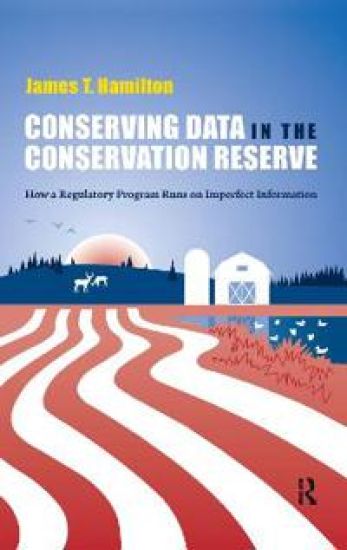
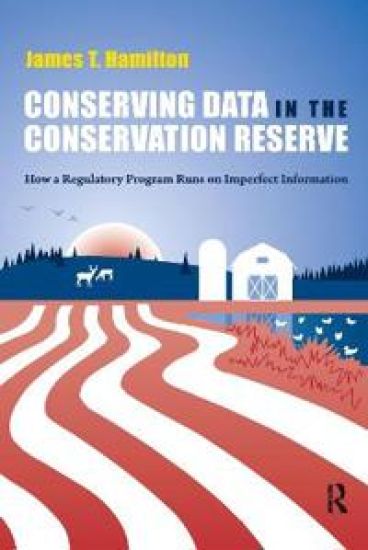
Enrolling over 30 million acres, the U. S. Conservation Reserve Program (CRP) is the largest conservation program in the United States. Under the guidelines of the CRP, the federal government pays farmers to stop farming their land in the hopes of achieving a variety of conservation goals, including the reduction of soil erosion, improvement of water quality, and creation of wildlife habitat. In Conserving Data, James T. Hamilton explores the role of information in the policy cycle as it relates to the CRP. The author asks how the creation and distribution of information about what is going on across these millions of enrolled acres has influenced the development of the program itself. Of the many CRP stakeholders, each accesses a different set of information about the CRP‘s operations. Regulators have developed the Environmental Benefits Index as a rough indicator of a fields conservation benefits and adopted that measure as a way to determine which lands should be granted conservation contracts. NGOs have used publicly available data from these contracts to show how CRP monies are allocated. Members of Congress have used oversight hearings and GAO reports to monitor the Farm Service Agency‘s conservation policy decisions. Reporters have localized the impact of the CRP by writing stories about increases in wildlife and hunting on CRP fields in their areas. Conserving Data brings together and analyzes these various streams of information, drawing upon original interviews with regulators, new data from Freedom of Information Act requests, and regulatory filings. Using the CRP as a launch point, Hamilton explores the role of information, including 'hidden information,' in the design and implementation of regulatory policy.
Conserving Data in the Conservation Reserve

Conserving Data in the Conservation Reserve

James Hamilton

Resources for the Future Press (RFF Press)
2010
nidottu
Enrolling over 30 million acres, the U. S. Conservation Reserve Program (CRP) is the largest conservation program in the United States. Under the guidelines of the CRP, the federal government pays farmers to stop farming their land in the hopes of achieving a variety of conservation goals, including the reduction of soil erosion, improvement of water quality, and creation of wildlife habitat. In Conserving Data, James T. Hamilton explores the role of information in the policy cycle as it relates to the CRP. The author asks how the creation and distribution of information about what is going on across these millions of enrolled acres has influenced the development of the program itself. Of the many CRP stakeholders, each accesses a different set of information about the CRP‘s operations. Regulators have developed the Environmental Benefits Index as a rough indicator of a fields conservation benefits and adopted that measure as a way to determine which lands should be granted conservation contracts. NGOs have used publicly available data from these contracts to show how CRP monies are allocated. Members of Congress have used oversight hearings and GAO reports to monitor the Farm Service Agency‘s conservation policy decisions. Reporters have localized the impact of the CRP by writing stories about increases in wildlife and hunting on CRP fields in their areas. Conserving Data brings together and analyzes these various streams of information, drawing upon original interviews with regulators, new data from Freedom of Information Act requests, and regulatory filings. Using the CRP as a launch point, Hamilton explores the role of information, including 'hidden information,' in the design and implementation of regulatory policy.
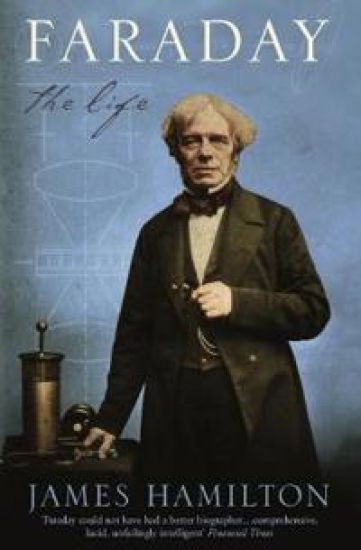
Faraday

Faraday

James Hamilton

HARPERCOLLINS PUBLISHERS
2009
pokkari
A major biography of Michael Faraday (1791-1867), one of the giants of 19th century science and discoverer of electricity who was at the centre of an extraordinary scientific renaissance in London.