Kirjailija
Jan-Olav Henriksen
Kirjat ja teokset yhdessä paikassa: 32 kirjaa, julkaisuja vuosilta 2007–2026, suosituimpiin kuuluu Kjærlighetens skapende kraft. Vertaile teosten hintoja ja tarkista saatavuus suomalaisista kirjakaupoista.
32 kirjaa
Kirjojen julkaisuvuodet: 2007–2026.
Hannah Arendt is one of the most profound and challenging thinkers of the 20th century, and her contribution to the undeniably grim present political and ecological conditions are still of relevance. Her originality lies in her distinctive interpretation of the modern world. She offers tools that help to transcend conventional patterns of thought. Accordingly, the present work argues that Hannah Arendt’s work is of political, ecological and theological relevance. The present book is written because of the relatively limited reception by political ecologists, theologians, ethicists, and philosophers of religion who engage in these topics. The connection between the different horizons within which Arendt’s work is engaged is closer than it might appear at first glance. The book is not only an attempt to interpret Arendt in light of contemporary challenges; it also seeks to reflect critically on her ideas. It approaches Arendt’s work through the lenses of theology and especially theological anthropology. Contrary to what some may assume, the perspective this approach represents does not overlook the significance of historical, political, social, and cultural contexts. A conversation with Arendt’s ideas may play a crucial role, also because of her criticism of significant strands of Christian faith. The book would be of interest to anyone engaged in Arendt’s work and in the dialogue between philosophy and contemporary theology.
Gjennom årene har jeg møtt mange mennesker som er blitt skadet av kristen forkynnelse. De bærer med seg sår som ikke leges, forårsaket av mennesker som har formidlet kristen tro til dem på måter som ikke har skapt glede og trygghet. Slik åpner denne boken, skrevet av teologiprofessor Jan-Olav Henriksen, som også har lang erfaring som sjelesørger. Når troen ødelegger sjelen handler om hvordan forkynnelse iblant kan skape både angst og store vanskeligheter i et menneskes liv. Hva vi tror og hvordan det former oss er vevet inn i livet vi ellers lever og relasjonene som betyr noe for oss og former oss. Utfordringen består i skape rom for livsmot, frihet og frimodighet, og det forsøker denne boken å hjelpe med.
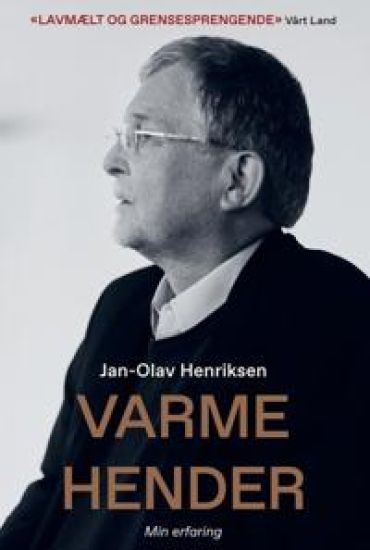
Jan-Olav Henriksen er en renommert professor som forteller om hvordan han som godt voksen opplevde å få "varme hender" som en gave. Med eksempler fra sin praksis reflekterer han over hvordan vi kan forstå dette fenomenet, sett i fra et kristent perspektiv. Denne lettleste boken er en utvidet utgave av bok med samme tittel som kom i 2018.
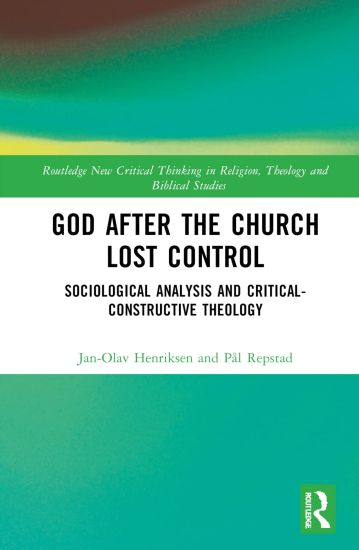
This book combines insights from sociology of religion and theology to consider the fundamental changes that have taken place in how people think about God in contemporary Western society. It can be said that God has become irrelevant for many people, often as a result of well-grounded ethical critique of churches. Here the authors argue for the necessity of rethinking God-talk in a pluralist and changing context and for thinking critically about hegemonic ways of speaking about God from a moral and experiential perspective, not only from the point of view of abstract theology. Drawing on empirical material from a Norwegian setting, the book advocates a critical-constructive theology with a notion of God that takes human experience and social change seriously. It depicts a God who is an enabler of moral maturity rather than an authoritarian moral instructor, a God who is on the side of the marginalized and poor, and a challenge to unjust hierarchies.
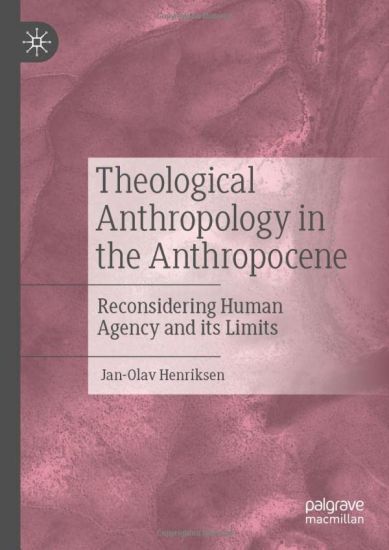
Theological Anthropology in the Anthropocene
Jan-Olav Henriksen
Springer International Publishing AG
2023
nidottu
The Anthropocene presents theology, and especially theological anthropology, with unprecedented challenges. There are no immediately available resources in the theological tradition that reflect directly on such experiences. Accordingly, the situation calls for contextually based theological reflection of what it means to be human under such circumstances. This book discusses the main elements in theological anthropology in light of the fundamental points: a) that theological anthropology needs to be articulated with reference to, and informed by, the concrete historical circumstances in which humanity presently finds itself, and b) that the notion of the Anthropocene can be used as a heuristic tool to describe important traits and conditions that call for a response by humanity, and which entail the need for a renewal of what a Christian self-understanding means. Jan-Olav Henriksen explores what such a response entails from the point of view of contemporary theological anthropology and discusses selected topics that can contribute to a contextually based position.
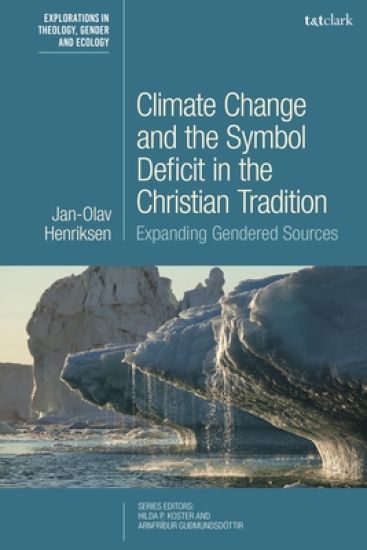
Climate Change and the Symbol Deficit in the Christian Tradition
Jan-Olav Henriksen
BLOOMSBURY PUBLISHING PLC
2023
nidottu
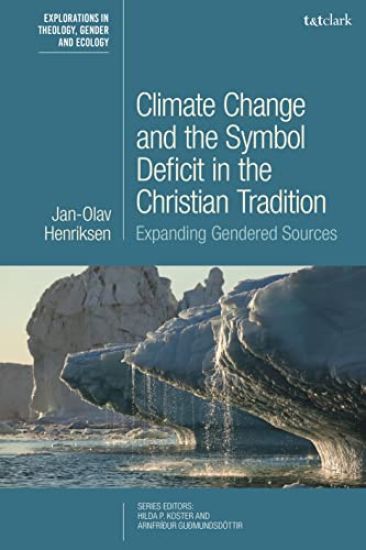
Exploring how the climate crisis discloses the symbol deficit in the Christian tradition, this book argues that Christianity is rich in symbols that identify and address the failures of humans and the obstacles that prevent humans from doing well, while positive symbols that can engage people in constructive action seem underdeveloped. Henriksen examines the potential of the Christian tradition to develop symbols that can engage peoples in committed and sustained action to prevent further crisis. To do so, he argues that we need symbols that engage both intellectually and emotionally, and which enhance our perception of belonging in relationships with other humans, be it both in the present and in the future. According to Henriksen, the deficit can only be obliterated if we can develop symbols that have some root or resonance in the Christian tradition, provide concrete and specified guidance of agency, engage people both emotionally and intellectually, and finally open up to visions for a moral agency that provide positive motivations for caring about environmental conditions as a whole.
Theological Anthropology in the Anthropocene
Jan-Olav Henriksen
Springer International Publishing AG
2022
sidottu
The Anthropocene presents theology, and especially theological anthropology, with unprecedented challenges. There are no immediately available resources in the theological tradition that reflect directly on such experiences. Accordingly, the situation calls for contextually based theological reflection of what it means to be human under such circumstances. This book discusses the main elements in theological anthropology in light of the fundamental points: a) that theological anthropology needs to be articulated with reference to, and informed by, the concrete historical circumstances in which humanity presently finds itself, and b) that the notion of the Anthropocene can be used as a heuristic tool to describe important traits and conditions that call for a response by humanity, and which entail the need for a renewal of what a Christian self-understanding means. Jan-Olav Henriksen explores what such a response entails from the point of view of contemporary theological anthropology and discusses selected topics that can contribute to a contextually based position.
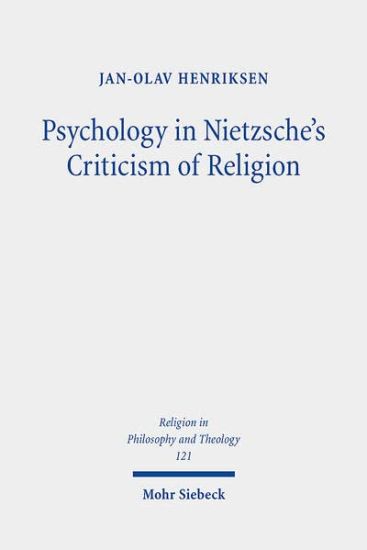
Friedrich Nietzsche claimed to be a psychologist. This claim is substantiated in his criticism of religion. In this book, Jan-Olav Henriksen provides new perspectives on Nietzsche's contribution to such criticism by applying elements from attachment theory and self-psychology. The result is that Nietzsche's insights into the problematic elements in religion point beyond what he was able to articulate based on the psychological resources available to him. Henriksen sheds new light on the psychological dimensions in Nietzsche's individualism, his understanding of God, morality, metaphysics and emotions, and demonstrates how Nietzsche's criticism of religion is rooted in both psychological splitting and a profound loss of the orientational resources religion provided in his childhood.
This book combines insights from sociology of religion and theology to consider the fundamental changes that have taken place in how people think about God in contemporary Western society. It can be said that God has become irrelevant for many people, often as a result of well-grounded ethical critique of churches. Here the authors argue for the necessity of rethinking God-talk in a pluralist and changing context and for thinking critically about hegemonic ways of speaking about God from a moral and experiential perspective, not only from the point of view of abstract theology. Drawing on empirical material from a Norwegian setting, the book advocates a critical-constructive theology with a notion of God that takes human experience and social change seriously. It depicts a God who is an enabler of moral maturity rather than an authoritarian moral instructor, a God who is on the side of the marginalized and poor, and a challenge to unjust hierarchies.
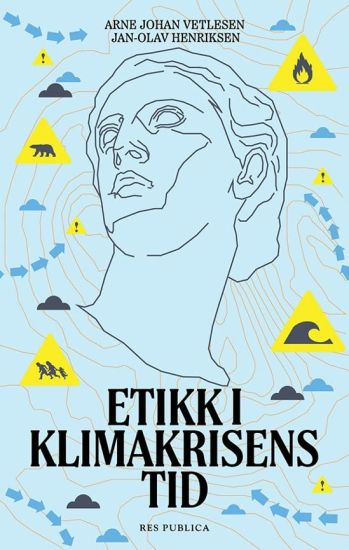
Hvorfor reiser vi fremdeles på ferie til Thailand, når vi vet at flyreiser gir store utslipp av CO2? Hvorfor fortsetter Norge med oljeutvinning, selv om alle vet at bruk av fossil energi fører til global oppvarming? Dette er vår tids store moralske utfordring, mener de to forfatterne Arne Johan Vetlesen og Jan-Olav Henriksen: Vi vet hva som kan motvirke klimakrisen, men vi gjør likevel ikke det som trengs. Vetlesen og Henriksen inspirerer til å tenke annerledes om natur og samfunn og til å reflektere rundt de etiske og moralske valg vi alle må ta. Sammen må vi finne en måte å leve på som er bærekraftig for alle levende vesener i dag og for fremtidige generasjoner. Etikk i klimakrisens tid er et kritisk og konstruktivt bidrag til debatten om vår tids største utfordring.
Climate Change and the Symbol Deficit in the Christian Tradition
Jan-Olav Henriksen
BLOOMSBURY PUBLISHING PLC
2022
sidottu
Exploring how the climate crisis discloses the symbol deficit in the Christian tradition, this book argues that Christianity is rich in symbols that identify and address the failures of humans and the obstacles that prevent humans from doing well, while positive symbols that can engage people in constructive action seem underdeveloped. Henriksen examines the potential of the Christian tradition to develop symbols that can engage peoples in committed and sustained action to prevent further crisis. To do so, he argues that we need symbols that engage both intellectually and emotionally, and which enhance our perception of belonging in relationships with other humans, be it both in the present and in the future. According to Henriksen, the deficit can only be obliterated if we can develop symbols that have some root or resonance in the Christian tradition, provide concrete and specified guidance of agency, engage people both emotionally and intellectually, and finally open up to visions for a moral agency that provide positive motivations for caring about environmental conditions as a whole.
Kristne har lenge hatt mye på hjertet om sex og kjønn. Men har man ikke begynt feil sted når man har gått ut fra at seksualiteten er et etisk problem som trenger en løsning? I denne boka tar teologiprofessor Jan-Olav Henriksen sitt utgangspunkt et annet sted, nemlig i begjær og sårbarhet som menneskelige vilkår. Han skriver fram en menneskelig seksualitet uten skam, kroppsfiendtlighet eller oppkonstruerte idealer.
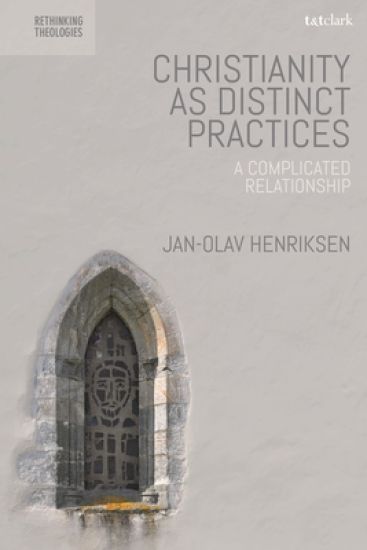
Jan-Olav Henriksen reconstructs and analyzes Christianity as a cluster of practices that manifest a distinct historically and contextually shaped mode of being in the world. Henriksen suggests that these practices imply a complicated relationship between the tradition in which they originate, the community that emerges from and is constituted by that tradition, and the individuals who appropriate the tradition that these communities mediate through their practices. Thus, to think of Christianity simply in terms of belief is misleading and represents an underdetermination of its distinct character. Henriksen further argues this relationship needs to be described primarily as practices aimed at orientation and transformation. His analysis points to Christianity’s similarity to other religions in regard to the functional or pragmatic dimensions it displays. Examining facets such as prayer, the use of scripture, preaching and doctrine, Henriksen emphasizes that the element that makes a practice distinctively Christian is how it relates to and is informed by the Jesus story.
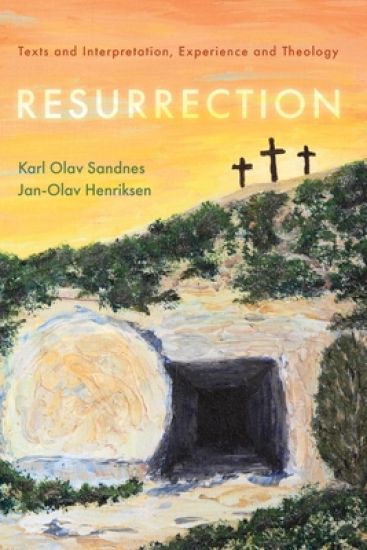
Christian faith depends upon the resurrection of Jesus, but the claim about Jesus' resurrection is, nevertheless, disputed. This book, written by a New Testament scholar and a systematic theologian in conjunction, develops the conditions for the claim. It carefully analyzes the relevant texts and their possible interpretations and engages with New Testament scholarship in order to show nuances and different trajectories in the material. The picture emerging is that the New Testament authors themselves tried to come to terms with how to understand the claim that Jesus had been resurrected from the dead. But the book does not stop there: by also asking for the experiential content that gave rise to the belief in the resurrection. Sandnes and Henriksen argue that there is no such thing as an experience of the resurrection reported in the New Testament--only experiences of an empty tomb and appearance of Jesus, interpreted as Jesus resurrected. Hence, resurrection emerges as an interpretative category for post-Easter experiences, and is only understandable in light of the full content of Jesus' ministry and its context.
Inspired by pragmatism, this book addresses religious plurality with the aim of bringing forth how it may be approached constructively by Christian theology. Accordingly, not doctrine, but practices are focussed in its analyses of interreligious topics. Henriksen argues that engagement with the diversity of religious traditions should be grounded in openness towards the other, and resistance against making others similar to oneself. Accordingly, the book presents a theological approach where interaction between religious practitioners is considered a benefit and a necessity for the positive future of religious traditions. It will be of interest to anyone who is interested in the understanding of religious pluralism from the point of view of Christian theology.
Jan-Olav Henriksen reconstructs and analyzes Christianity as a cluster of practices that manifest a distinct historically and contextually shaped mode of being in the world. Henriksen suggests that these practices imply a complicated relationship between the tradition in which they originate, the community that emerges from and is constituted by that tradition, and the individuals who appropriate the tradition that these communities mediate through their practices. Thus, to think of Christianity simply in terms of belief is misleading and represents an underdetermination of its distinct character. Henriksen further argues this relationship needs to be described primarily as practices aimed at orientation and transformation. His analysis points to Christianity’s similarity to other religions in regard to the functional or pragmatic dimensions it displays. Examining facets such as prayer, the use of scripture, preaching and doctrine, Henriksen emphasizes that the element that makes a practice distinctively Christian is how it relates to and is informed by the Jesus story.
Bør vi ikke være litt skeptisk til sånt som varme hender? Eller er det snarere slik at vi er for raske til å avfeie det som noe uforklarlig og useriøst? I boka Varme hender forteller Jan-Olav Henriksen om hvordan det er å ha denne evnen. Han «fikk varme hender i 50-årsgave» og har de siste årene tatt imot mange til behandling. For det er en gave ikke til ham selv, men til andre. Fenomenet er vanligere enn vi tror, sier Henriksen. Han oppfordrer alle med en slik gave til å bruke den og gir nyttige innspill til dette i boka. Henriksen reflekterer også rundt forholdet mellom tro og erfaring. Han drøfter dette både i lys av en tradisjonell, kristen helbredelsespraksis og erfaringer han har gjort i møte med andre kulturer og religioner.
Love is one, and love is ""all we need."" This book argues against the traditional theological view that God's love differs from human love. If God is love and love is one, we will find God embodied in all kinds of genuine love experiences. By analyzing Karl Rahner's theology of love, the author explores how God penetrates and embraces the whole of reality, suggesting implications for Christian spirituality and spiritual direction. ""This study of the significance, inter-relationship and potential of human and divine love offers an engaging discussion of the transformative role of love in human life. Rosok's critical and constructive exploration of Karl Rahner's approach to love and spirituality invites the reader to consider afresh the promise of a well-grounded Christian spirituality for today. This book will be greatly enjoyed by theologians and spiritual directors alike."" --Werner G. Jeanrond, University of Oxford ""Ingvild Rosok explores how God can be traced in the realm of human experience, where there is a desire which often cannot be easily categorized, a desire to be joined to and transformed by created others as well as the uncreated Other. Seeking for an 'embodied but mystical' spirituality of love, Rosok moves to current philosophical and theological debates, with a practical aim in mind: how current Christian spirituality can be more deeply transformed by sensitivity to and discernment of a genuine love."" --Ivana Noble, Professor of Ecumenical Theology, Charles University, Prague Ingvild Rosok is Senior Research Fellow at the Norwegian School of Theology. She is a translator, author, and spiritual director.