Kirjojen hintavertailu – 12 859 826 kirjaa ja 27 kauppaa
Kirjailija
Jane Austen
Kirjat ja teokset yhdessä paikassa: 3 212 kirjaa, julkaisuja vuosilta 1791–2027, suosituimpiin kuuluu Ylpeys ja ennakkoluulo. Vertaile teosten hintoja ja tarkista saatavuus suomalaisista kirjakaupoista.
The new hit movie Love and Friendship is based on Jane Austen's Lady Susan, an early epistolary work by the author of Pride and Prejudice which she never submitted for publication. Lady Susan was eventually published posthumously in 1871 and has since become a classic alongside Sense and Sensibility, Persuasion, Mansfield Park and the rest of Austen's cherished works.
Northanger Abbey by Jane Austen..... Northanger Abbey was the first of Jane Austen's novels to be completed for publication, though she had previously made a start on Sense and Sensibility and Pride and Prejudice. According to Cassandra Austen's Memorandum, Susan (as it was first called) was written around 1798
Persuasion est le dernier roman de l'auteur anglais Jane Austen, publi posthum ment en d cembre 1817 mais dat de 1818. En France, il a paru pour la premi re fois en 1821 sous le titre: La Famille Elliot, ou L'ancienne inclination. Le roman est regroup en un volume double avec Northanger Abbey, le premier des grands romans de Jane Austen, crit en 1803 mais rest non publi jusque l . D'un ton plus grave que les oeuvres pr c dentes de la romanci re, il raconte les retrouvailles d'Anne Elliot avec Frederick Wentworth, dont elle a repouss la demande en mariage huit ans auparavant, persuad e par son amie Lady Russell des risques de cette union avec un jeune officier de marine en d but de carri re, pauvre et l'avenir incertain. Mais alors que la guerre avec la France s'ach ve, le capitaine Wentworth revient, fortune faite, avec le d sir de se marier pour fonder un foyer. Il a conserv du refus d'Anne Elliot la conviction que la jeune fille manquait de caract re et se laissait trop ais ment persuader.
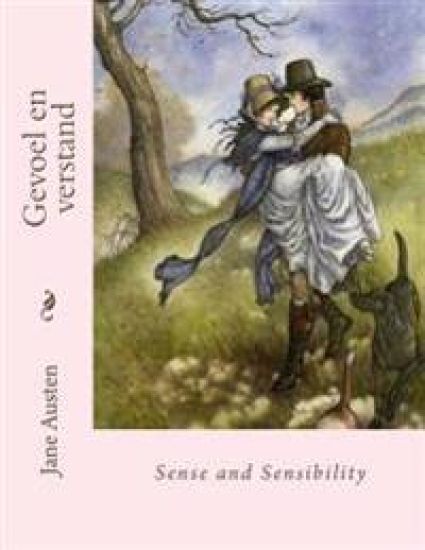
Sense and Sensibility is a novel by Jane Austen, and was her first published work when it appeared in 1811 under the pseudonym "A Lady". A work of romantic fiction, better known as a comedy of manners, Sense and Sensibility is set in southwest England, London and Kent between 1792 and 1797, and portrays the life and loves of the Dashwood sisters, Elinor and Marianne. The novel follows the young ladies to their new home, a meagre cottage on a distant relative's property, where they experience love, romance and heartbreak.
Lady Susan Jane Austen (1775 - 1817) Jane Austen demonstrated her mastery of the epistolary novel genre in Lady Susan, which she wrote in 1795 but never published. Although the primary focus of this short novel is the selfish behavior of Lady Susan as she engages in affairs and searches for suitable husbands for herself and her young daughter, the actual action shares its importance with Austen
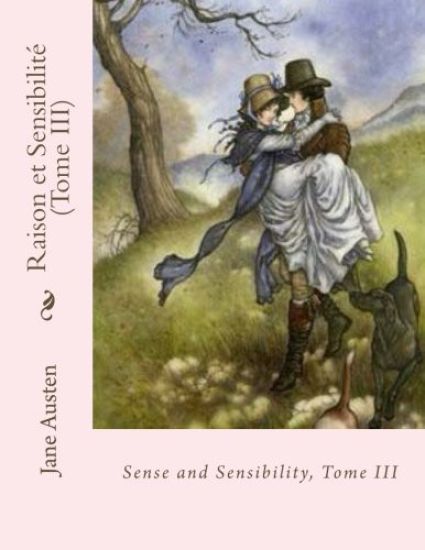
Sense and Sensibility (traduit en fran ais par Raison et Sensibilit , Raison et Sentiments, ou encore Le Coeur et la Raison) est le premier roman publi de la femme de lettres anglaise Jane Austen. Il para t en 1811 de fa on anonyme puisqu'il tait sign by a Lady ( sign ] par une dame ). En effet, sa position sociale interdisait Jane Austen de signer de son nom un roman destin la vente, mais elle ne voulait pas cacher qu'il tait l'oeuvre d'une femme.
Sense and Sensibility (traduit en fran ais par Raison et Sensibilit , Raison et Sentiments, ou encore Le Coeur et la Raison) est le premier roman publi de la femme de lettres anglaise Jane Austen. Il para t en 1811 de fa on anonyme puisqu'il tait sign by a Lady ( sign ] par une dame ). En effet, sa position sociale interdisait Jane Austen de signer de son nom un roman destin la vente, mais elle ne voulait pas cacher qu'il tait l'oeuvre d'une femme.
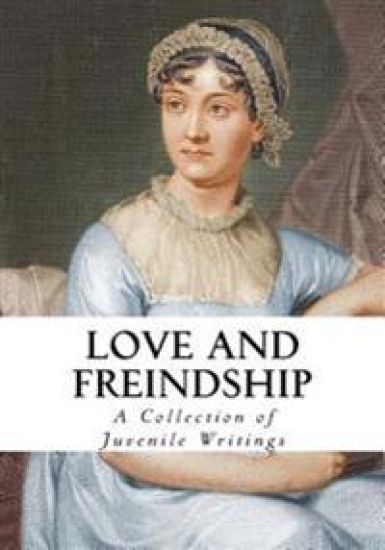
Love and Freindship And Other Early Works A Collection of Juvenile Writings By Jane Austen Love and Freindship sic] is a juvenile story by Jane Austen, dated 1790. From the age of eleven until she was eighteen, Jane Austen wrote her tales in three notebooks. The notebooks still exist
Mansfield Park, Austen's third published novel, is the most controversial of her major works. Although Regency critics praised its wholesome morality, many modern readers find Fanny's timidity and disapproval of the theatricals difficult to relate to and reject the notion (explicit in the final chapter) that she is a better person for her childhood privations. Austen's mother thought Fanny "insipid", 105] and other readers have found her priggish and unlikable. 106] Critics point out that she is a complex personality, perceptive but given to wishful thinking, and demonstrates courage and greater self-esteem during the latter part of the story. According to Austen biographer Claire Tomalin (who is generally critical of Fanny), "It is in rejecting obedience in favour of the higher dictate of remaining true to her own conscience that Fanny rises to her moment of heroism". 107] Tomalin reflects the ambivalence many readers feel towards the character: "More is made of Fanny Price's faith, which gives her the courage to resist what she thinks is wrong; it also makes her intolerant of sinners, whom she is ready to cast aside.
This epistolary novel, an early complete work that the author never submitted for publication, describes the schemes of the main character-the widowed Lady Susan-as she seeks a new husband for herself and one for her daughter. Although the theme, together with the focus on character study and moral issues, is close to Austen's published work (Sense and Sensibility was also originally written in the epistolary form), its outlook is very different, and the heroine has few parallels in 19th-century literature. Lady Susan is a selfish, unscrupulous and scheming woman, highly attractive to men, who tries to trap the best possible husband while maintaining a relationship with a married man. She subverts all the standards of the romantic novel: she has an active role, she is not only beautiful but intelligent and witty, and her suitors are significantly younger than she is (in contrast with Sense and Sensibility and Emma, which feature marriages by their female protagonists to men who are 16 years older). Although the ending includes a traditional reward for morality, Lady Susan herself is treated more leniently than the adulteress in Mansfield Park, who is severely punished.