Kirjojen hintavertailu – 12 903 725 kirjaa ja 27 kauppaa

Kirjailija

Janusz Korczak

Kirjat ja teokset yhdessä paikassa: 61 kirjaa, julkaisuja vuosilta 1991–2026, suosituimpiin kuuluu Begegnungen Und Erfahrungen: Kleine Essays. Vertaile teosten hintoja ja tarkista saatavuus suomalaisista kirjakaupoista.

61 kirjaa

Kirjojen julkaisuvuodet: 1991–2026.

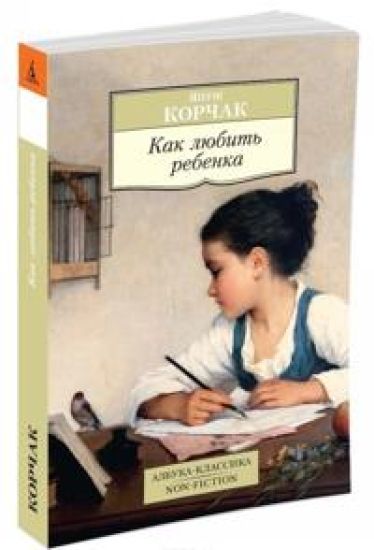
Kak ljubit rebenka

Kak ljubit rebenka

Janusz Korczak

Azbooka
2006
nidottu
"Kak ljubit rebenka" - odna iz samykh izvestnykh knig o vospitanii. V osnovu svoej pedagogiki Janush Korchak polozhil chudesnyj splav ljubvi i uvazhenija k rebenku, kotoromu, kak i vzroslomu, trebuetsja svoboda dlja samovyrazhenija i samostojatelnogo poznanija okruzhajuschego mira. V etoj dobroj, iskrennej knige chitateli najdut kak tsennye prakticheskie rekomendatsii, tak i uvlekatelnye rasskazy i razmyshlenija o problemakh i radostjakh, svjazannykh s vzrosleniem i samoopredeleniem cheloveka. Na protjazhenii mnogikh desjatiletij rabota Korchaka "Kak ljubit rebenka" sluzhila nastolnoj knigoj roditelej po vsemu miru i dazhe byla nazvana "Bibliej po vospitaniju detej".

Briefe und Palästina-Reisen; Dokumente aus den Kriegs- und Ghetto-Jahren; Tagebuch - Erinnerungen; Varia
Fünfundfünfzig Briefe an Freunde in Palästina und viele weitere Texte aus dem Nachlass enthält dieser Band. In ihnen zeigt sich ein Janusz Korczak, der in existentiellen Krisen um eine Neuorientierung und mögliche Emigration ringt. Jäh beendet werden diese Überlegungen, als die Deutschen Polen überfallen. Der wie durch ein Wunder gerettete Nachlass zeichnet diese Schreckensjahre überaus realistisch nach. Die kenntnisreiche Kommentierung ist ein unentbehrlicher Schlüssel zum Verständnis des letzten Lebensjahrzehnts des großen Warschauer Pädagogen und Humanisten.
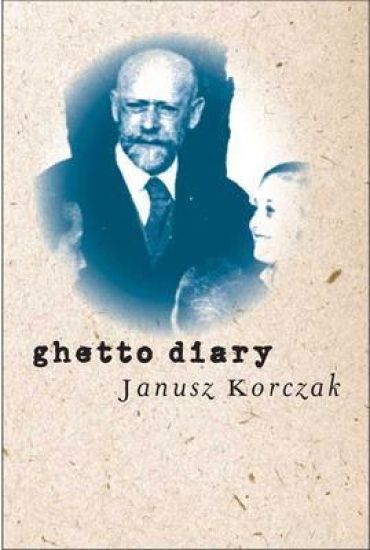
Ghetto Diary

Ghetto Diary

Janusz Korczak

Yale University Press
2003
pokkari
Janusz Korczak (1879–1942) is one of the legendary figures to emerge from the Holocaust. A successful pediatrician and well-known author in his native Warsaw, he gave up a brilliant medical career to devote himself to the care of orphans. Like so many other Jews, Korczak was sent into the Warsaw Ghetto after the Nazi occupation of Poland. He immediately set up an orphanage for more than two hundred children. Many of his admirers, Jewish and gentile, offered to rescue him from the ghetto, but Korczak refused to leave his small charges. When the Nazis ordered the children to board a train that was to carry them to the Treblinka death camp, Korczak went with them, despite the Nazis’ offer of special treatment. His selfless behavior in caring for these children’s lives and deaths has made him beloved throughout the world; he has been honored by UNESCO and commemorated on postage stamps in both Poland and Israel. Korczak’s grimly inspiring ghetto diary is now available in paperback for the first time, accompanied by a new introduction by Betty Jean Lifton, the author of the biography of Korczak.
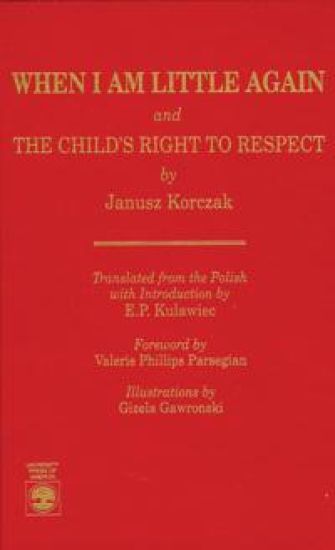
When I Am Little Again and  The Child's Right to Respect

When I Am Little Again and The Child's Right to Respect

Janusz Korczak; E. P. Kulawiec

University Press of America
1992
sidottu
These two works belong to that group of books written by one of this century's fiercest and most devoted child advocates. In the first, Korczak uses fiction to reveal the joys and sorrows of a child, a ten-year-old, juxtaposing them against the feelings of an adult as they both react to two days of adventure spent together. Two prominent themes in his writing are the exploration of the place of children in an adult world and the examination of the treatment and regard children are accorded in that world. In his second book, Korczak spells out his 'Magna Charta Libertatis' in defense of the child's right to respect, right to be him or herself, and, most importantly, right to respect for the strenuous effort expended in the process of 'growing up.'
When I Am Little Again and The Child's Right to Respect

When I Am Little Again and The Child's Right to Respect

Janusz Korczak; E. P. Kulawiec

University Press of America
1992
nidottu
These two works belong to that group of books written by one of this century's fiercest and most devoted child advocates. In the first, Korczak uses fiction to reveal the joys and sorrows of a child, a ten-year-old, juxtaposing them against the feelings of an adult as they both react to two days of adventure spent together. Two prominent themes in his writing are the exploration of the place of children in an adult world and the examination of the treatment and regard children are accorded in that world. In his second book, Korczak spells out his 'Magna Charta Libertatis' in defense of the child's right to respect, right to be him or herself, and, most importantly, right to respect for the strenuous effort expended in the process of 'growing up.'