Kirjojen hintavertailu – 12 859 819 kirjaa ja 27 kauppaa

Kirjailija

Jean Giono

Kirjat ja teokset yhdessä paikassa: 58 kirjaa, julkaisuja vuosilta 1932–2026, suosituimpiin kuuluu Réussir son Bac de français 2025 : Analyse de la nouvelle L'Homme qui plantait des arbres de Jean Giono. Vertaile teosten hintoja ja tarkista saatavuus suomalaisista kirjakaupoista.

Nimi esiintyy myös muodoissa: Jean. Giono

58 kirjaa

Kirjojen julkaisuvuodet: 1932–2026.

The Open Road

The Open Road

Jean Giono; Paul Eprile

NYRB Classics
2021
nidottu
A nomad and a swindler embark on an eccentric road trip in this picaresque, philosophical novel by the author of The Man Who Planted Trees. The south of France, 1950: A solitary vagabond walks through the villages, towns, valleys, and foothills of the region between northern Provence and the Alps. He picks up work along the way and spends the winter as the custodian of a walnut-oil mill. He also picks up a problematic companion: a cardsharp and con man, whom he calls "the Artist." The action moves from place to place, and episode to episode, in truly picaresque fashion. Everything is told in the first person, present tense, by the vagabond narrator, who goes unnamed. He himself is a curious combination of qualities--poetic, resentful, cynical, compassionate, flirtatious, and self-absorbed. While The Open Road can be read as loosely strung entertainment, interspersed with caustic reflections, it can also be interpreted as a projection of the relationship of author, art, and audience. But it is ultimately an exploration of the tensions and boundaries between affection and commitment, and of the competing needs for solitude, independence, and human bonds. As always in Jean Giono, the language is rich in natural imagery and as ruggedly idiomatic as it is lyrical.
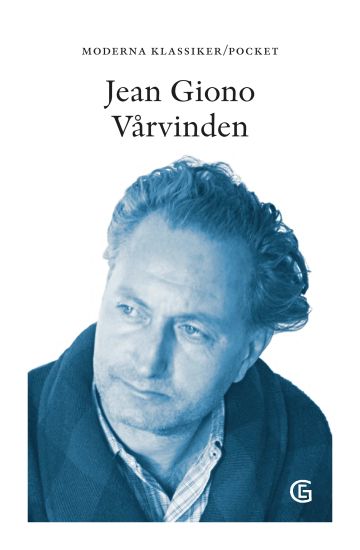
Vårvinden

Vårvinden

Jean Giono

Elisabeth Grate Bokförlag
2020
pokkari
Aubignane på det provensalska hög landet håller på att förvandlas till en ödeby. Bara tre trogna själar bor ännu kvar bland sönderfallande hus och igenvuxna trädgårdstäppor. Men den annalkande vintern tvingar iväg den gamle smeden, och brunnsgrävarens änka försvinner med den första vårvinden. Nu är det bara den 40-årige jägaren Panturle kvar, och han blir till sist nästan galen av ensamhet. Men en dag sker undret. Jean Giono (1895 1970), en av Frankrikes främsta 1900-talsförfattare, föddes och levde hela sitt liv i norra Provence, i vars ödsligt storslagna bergslandskap flertalet av hans många verk tilldrar sig. Jean Giono är naturromantiker, och med sin djupa känsla för enheten mellan människan och kosmos hyllar han ett liv i samklang med naturen. Vårvinden bildar tillsammans med Kullen och Mannen från berget trilogin Pan. Utöver dessa tre titlar har förlaget även utgivit Mannen som planterade träd.
Occupation Journal

Occupation Journal

Jean Giono; Jody Gladding

Archipelago Books
2020
nidottu
A renowned writer and committed pacifist throughout the 1930s - a conviction that resulted in his imprisonment before and after the Occupation - Jean Giono spent the war in the village of Contadour in Provence, where he wrote, corresponded with other writers, and cared for his consumptive daughter. This journal records his musings on art and literature, his observations of life, his interactions with the machinery of the collaborationist Vichy regime, as well as his forceful political convictions.
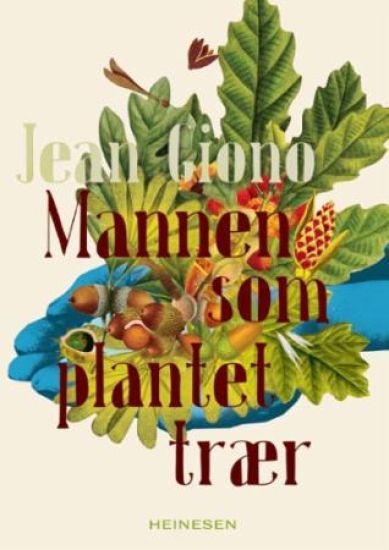
Mannen som plantet trær

Mannen som plantet trær

Jean Giono

Heinesen forl.
2019
nidottu
Jean Giono (1895 - 1970), en av Frankrikes fremste 1900-tallsforfattere, levde hele sitt liv i det norldlige Provence, der de fleste av hans mange verk også utspiller seg. I Mannen som plantet trær skildrer han hyrden Elzeard Bouffier, som har viet livet sitt til å plante trær på Provences høysletter. Det er en poetisk fabel om samspillet mellom mennesket og naturen.
A King Alone

A King Alone

Alyson Waters; Jean Giono

The New York Review of Books, Inc
2019
nidottu
An existential detective story by one of France's most popular modern writers, set in a mid-nineteenth century mountain village, available in English for the first time "The book started off entirely by chance, without even a character. The character was the Tree, the Beech, and the starting point--that was the discovery of a crime: a dead body turns up in the branches of this tree. There was the Tree; there was the victim; an inanimate thing, a corpse. Well, the corpse requires a murderer, that's clear, and the murder requires investigation. What I wrote was a novel about the investigator. That's what I wanted to write, but it had to start with a tree that had nothing to do with the story at all." Such was Jean Giono's account of how A King Alone came to be. The title alludes to Pascal's saying "A king without distraction is a man full of wretchedness," and the book is set in a remote Alpine village in the mid-nineteenth century. At its center is the enigmatic officer Langlois. In deepest winter, the inhabitants of a remote Alpine village mysteriously begin to disappear. Langlois comes from afar to protect the village and investigate the crime. Giono's novel about a tiny community at the dangerous edge of things and a man of law who is ever more a man alone could be described as a metaphysical Western. It unfolds with the uncanny inevitability and disturbing intensity of a dream.
Mannen från bergen

Mannen från bergen

Jean Giono

Elisabeth Grate Bokförlag
2013
sidottu
Det är skördetid i Provence. På krogen firar daglönarna söndagskvällen med att dricka vin. Gamle Amédée fäster sig vid den tystlåtne Albin och blir hans förtrogne. Albin kommer från bergsbyn Baumugnes. Tre år tidigare hade han blivit förälskad i Angèle men inte kunnat hindra att hon förfördes av Louis, en framfusig typ från Marseille som planerade att utnyttja henne som prostituerad. Sedan dess är Albin otröstlig. Gripen av berättelsen lovar Amédée att återfinna AngèleJean Giono (18951970), en av Frankrikes främsta 1900-talsförfattare, föddes och levde hela sitt liv i norra Provence. Detta ödsligt storslagna bergslandskap är skådeplatsen för så gott som hela hans omfattande författarskap: romaner, noveller, teaterpjäser, filmmanus, krönikor. Naturens krafter och samspelet mellan naturen och människan är ett ständigt återkommande ledmotiv. Gionos kärlek till naturen grundlades redan under barndomens många strövtåg i hemtrakten och under en längre vistelse som sjuåring hos en herdefamilj uppe i bergen. "Det här är en fantastisk bok! Läs den!" Gokväll, SVT "Giono skildrar dessa vindpinat knotiga och hjärtinnerliga individer med en ömsinthet som får texten att lysa likt en solskensdag i skördetid – det är en sådan roman som värmen strålar ut från. Och sedan denna underbara prosa, som Jan Stolpe så fint överfört, mättad av landskapets dofter och färger, absorberande hela naturens poesi." Helsingborgs Dagblad
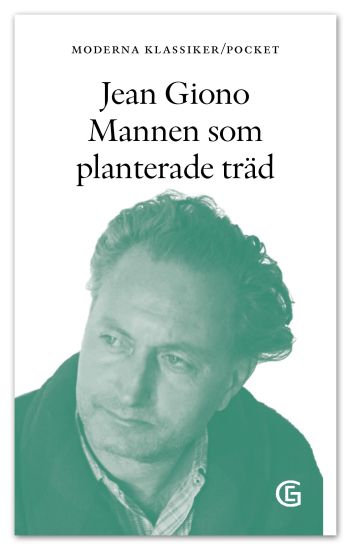
Mannen som planterade träd

Mannen som planterade träd

Jean Giono

Elisabeth Grate Bokförlag
2013
pokkari
Jean Giono (1895 1970), en av Frankrikes främsta 1900-talsförfattare, föddes och levde hela sitt liv i norra Provence, där flertalet av hans många verk också tilldrar sig. I fabeln Mannen som planterade träd, ursprungligen skriven 1953 på beställning av Reader's Digest under rubriken »Den märkvärdigaste människa jag någonsin mött», ägnar en ensam herde sitt liv åt att systematiskt plantera träd på Provences högslätter. Så kommer hela trakten att leva upp igen, med grönskande skogar, porlande bäckar och nya bosättare i de övergivna byarna. Naturens krafter och samspelet mellan naturen och människan är ett ständigt återkommande ledmotiv hos Giono, vars kärlek till naturen grundlades redan under barndomens många strövtåg i hemtrakten och under en längre vistelse som sjuåring hos en herdefamilj uppe i bergen. »Berättelsen om herden är en skimrande liten pärla, en poetisk fabel om hur viljan att göra gott kan övervinna de mest svårartade hinder. ... Denne fine fransk-italienske författare, varm miljövän långt innan det fanns en miljörörelse att tala om, förtjänar en stor svensk publik.» Vi Läser»... den är allt ett glas friskt källvatten. Och Jean Giono (1895-1970) är definitivt en författare i tiden.» Svenska Dagbladet»Denna lilla bok ... kan lära oss, världens navigatörer, väldigt mycket. Att läsa den här boken är som att ha en liten orientalisk bönbok i händerna.» Tidningen Kulturen»... en pärla som förtjänar att upptäckas av en större publik.» dagensbok.com
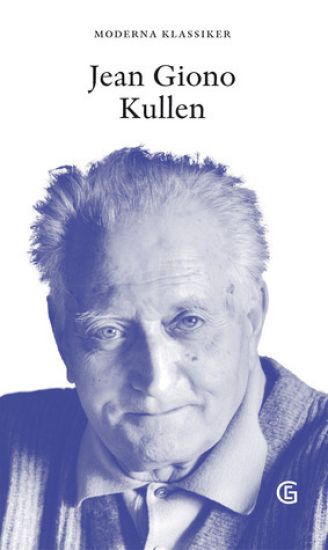
Kullen

Kullen

Jean Giono

Elisabeth Grate Bokförlag
2010
sidottu
I ett av de fyra övervuxna husen i den ödsliga provensalska byn på kullens sluttning ligger gubben Janet på sitt yttersta. I sin krafts dagar besatt han en trollkraft som fick byn att blomstra. Nu yrar han hemlighetsfulla oroande ord. Snart följer olyckor slag i slag, en förbannelse tycks vila över byn. Kullen (1928) är den första av tre romaner i trilogin Pan, där Giono hyllar det karga, storslagna provensalska landskapet och människans nära samspel med naturen. Jean Giono (1895–1970), en av Frankrikes främsta 1900-talsförfattare, föddes och levde hela sitt liv i norra Provence. Detta ödsligt storslagna bergslandskap är skådeplatsen för så gott som hela hans omfattande författarskap: romaner, noveller, teaterpjäser, filmmanus, krönikor. Naturens krafter och samspelet mellan naturen och människan är ett ständigt återkommande ledmotiv. Gionos kärlek till naturen grundlades redan under barndomens många strövtåg i hemtrakten och under en längre vistelse som sjuåring hos en herdefamilj uppe i bergen. "… en stark, rent oförglömlig berättelse om livskrafternas spel med oss. Läs den!" Per Helge, VLT “… med all rätt en klassiker. /…/ Att något så originellt och fullgånget var hans debut får tanken att svindla.” Peter Fröberg Idling, Tidningen Vi "Precis som i varje sann klassiker finns en gåtfullhet i texten som gör att den öppnar sig för nya generationers läsningar." Elise Karlsson, SvD “Hon koncentrerar språket så att det glöder. Yukiko Duke, Gomorron Sverige, SVT "Att läsa Giono är rena hälsokuren..." Tidningen Kulturen
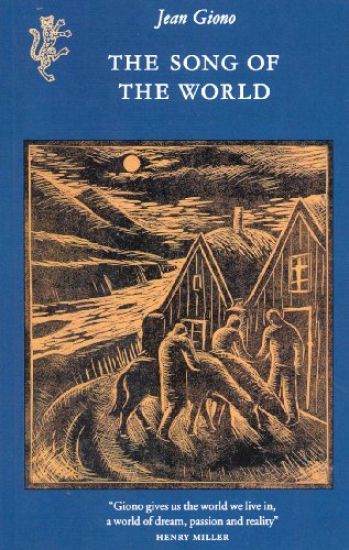
The Song Of The World

The Song Of The World

Jean Giono

The Harvill Press
2009
nidottu

Halvin toimitettuna 35,00 €

Of Sailor's twin sons, the elder is dead and the younger is missing. A simple woodsman, Sailor resolves to find the boy, fearing the worst. Soon after he and his friend Antonio set off, they stumble across a blind girl giving birth. This strange circumstance proves typical of their journey into the heart of the forest. Sailor and Antonio discover that, though the lost Twin is alive, he is the target of a manhunt. As Sailor and Antonio attempt to rescue Twin, the adventures unravel at a breathtaking speed. The net tightens around the three men until one of them is trapped and killed. And only then does the real action of this remarkable picaresque novel begin. In Giono's universe, no murder shall go unavenged. This tale of primitive love and vendetta is cast in a timeless landscape of river, mountain and forest. With its taut, fast-paced story and pastoral setting, The Song of the World is another triumph from the celebrated author of The Man Who Planted Trees.
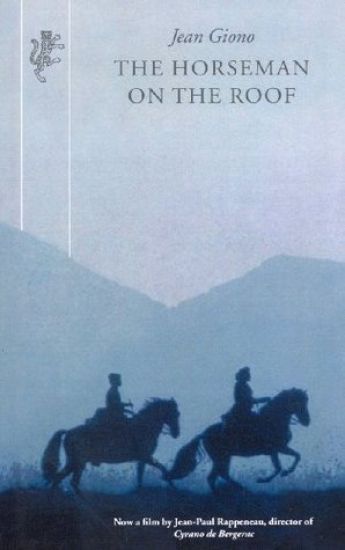
The Horseman On The Roof

The Horseman On The Roof

Jean Giono

The Harvill Press
2009
pokkari
In the white heat the sky is opaque, the air leaden and the light intense. A single cavalryman wonders at the oppressive atmosphere of the unfamiliar countryside he is entering. Exile from his Italian homeland as well as an innate, stubborn pride compel him onward, into the heart of Provence and into the acute cholera epidemic which ravaged the country in the 1830s. Giono here directs a hallucinatory, lyrical narrative in which the mortal odours, the violent contractions of those who meet with the disease and the fear of a people confronted with insuperable natural forces are palpable. Death pervades the novel, but Angelo does not cease journeying, dodging blockades and quarantine imposed by troops - even seeking temporary refuge on the roofs of one town - determined to find his childhood friend, Giuseppe. Others join him on the road, and leave him. Only the young woman, Pauline de Théus, who calmly receives the intruder who one night descends from the roofs, proves a worthy travelling companion.
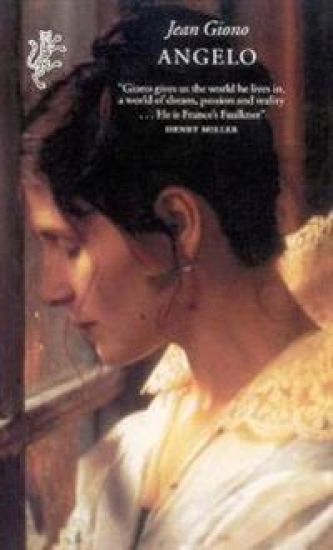
Angelo

Angelo

Jean Giono

The Harvill Press
2009
nidottu
Angelo, a young Hussar colonel and expert swordsman, has had to escape into France from his native Piedmont after killing an Austrian police-spy in a duel. Travelling the roads of Provence disguised as a French workman, he falls in with an eccentric marquise, Céline de Théus, and becomes a guest at the chateau, where she lives with her elderly brother Laurent. It is in the early years of the nineteenth century, the era of seditious movements to unseat those in power and destabilise monarchies - and no one has a greater appetite for fishing in these troubled waters than Laurent, whose years are belied by his youthful energy on horseback. Now he has married a raven-haired beauty in the prime of youth, and she is not indifferent to this new Italian guest. Angelo is the archetypal novel of romance and intrigue, which Jean Giono vests with a psychological depth that transcends the genre. Readers of Angelo's and Pauline's adventurers in The Horseman on the Roof will welcome the opportunity to meet them both in this novel which first introduces them.
The Man Who Planted Trees

The Man Who Planted Trees

Jean Giono; Wangari Maathai; Norma Goodrich; Andy Lipkis

CHELSEA GREEN PUBLISHING CO
2007
pokkari

Halvin toimitettuna 18,90 €

'A book for children from 8 to 80. I love the humanity of this story and how one man's efforts can change the future for so many.' Michael Morpurgo, Independent '[This] simple classic may just hold the secret to meaningful existence.' Richard Powers, author of The Overstory The Man Who Planted Trees was first published by Chelsea Green twenty years ago and it became a timeless classic. Now this beautiful gift edition is available for the first time in the UK, complete with reproductions of the original woodcut engravings. In this ageless eco-fable about what one person can do to restore the earth, Elze´ard Bouffier spends his life planting one hundred acorns a day in a desolate, barren section of Provence in the south of France. The result is a total transformation of the landscape - from one devoid of life, with miserable, contentious inhabitants, to one filled with the scent of flowers, the songs of birds and fresh, flowing water. Since our first publication, The Man Who Planted Trees has sold over a quarter of a million copies and inspired countless numbers of people around the world to take action and plant trees. This edition includes a foreword by Wangari Maathai, winner of the 2004 Nobel Peace Prize and founder of the African Green Belt Movement. 'It has given me much joy to reread this story.' Wendell Berry