
Kirjailija
Jean Giono
Kirjat ja teokset yhdessä paikassa: 58 kirjaa, julkaisuja vuosilta 1932–2026, suosituimpiin kuuluu Réussir son Bac de français 2025 : Analyse de la nouvelle L'Homme qui plantait des arbres de Jean Giono. Vertaile teosten hintoja ja tarkista saatavuus suomalaisista kirjakaupoista.
Nimi esiintyy myös muodoissa: Jean. Giono
58 kirjaa
Kirjojen julkaisuvuodet: 1932–2026.
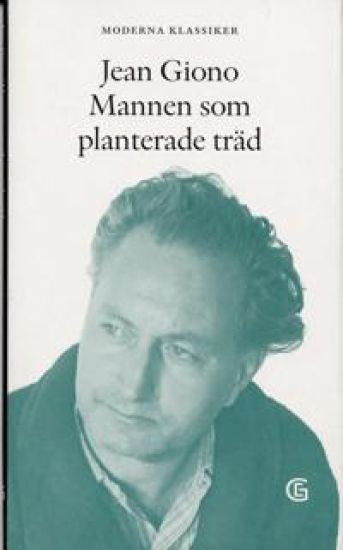
Jean Giono (1895–1970), en av Frankrikes främsta 1900-talsförfattare, föddes och levde hela sitt liv i norra Provence, där flertalet av hans många verk också tilldrar sig. I fabeln Mannen som planterade träd, ursprungligen skriven 1953 på beställning av Reader’s Digest under rubriken »Den märkvärdigaste människa jag någonsin mött», ägnar en ensam herde sitt liv åt att systematiskt plantera träd på Provences högslätter. Så kommer hela trakten att leva upp igen, med grönskande skogar, porlande bäckar och nya bosättare i de övergivna byarna. Pressröster: " ... en riktigt rolig historia" Sara Gordan, Dagens Nyheter den 12/6 2006 "Denna lilla bok - som berikas av ett njutbart efterord av Gionos dotter Aline - kan lära oss, världens navigatörer, väldigt mycket. Att läsa den här boken är som att ha en liten orientalisk bönbok i händerna." Guido Zeccola, Tidningen Kulturen, 27/10 2006 "… en pärla … i allra högsta grad nödvändig." Peter K Andersson dagensbok.com "I en tid och ett rike där personligt ansvar knappast är politiskt gångbar retorik, drabbar Giono oss med ett viktigt budskap: Ensam är stark! Ensam är stark i bemärkelsen att man inom sig kan finna kraft att göra gott för sin nästa. /…/ Och Jean Giono (1895- 1970) är definitivt en författare i tiden." Thomas Lunderquist, Svenska Dagbladet den 17.11 2006
Jean Giono a ecrit ce livre pendant la deuxieme guerre mondiale, a Manosque, pour prefacer un choix de traductions de Virgile. Avec lui, il ne faut s'attendre a rien de conventionnel: comme dans Le Desastre de Pavie ou d'autres essais historiques, c'est d'une reflexion generale sur notre societe qu'il s'agit, Virgile etant le point de depart. Bien sur, Giono raconte la vie de Virgile, mais parle aussi de lui-meme. De la Provence de sa jeunesse ou il etait a ce moment la tres difficile de vivre a l'air libre , puis, plusieurs annees plus tard, a l'occasion d'une conversation avec des amis au milieu du chemin de leur vie (car, parlant de Virgile, il n'oublie pas Dante), de ce qu'est devenu le temps des bergers . Le plaisir que me donnaient les livres etait d'abord physique. Et il se rappelle celui que lui communiqua Virgile, quand on le lui donna a lire adolescent. Et voila qu'il etait la devant moi, le noble, l'immense et le joyeux Et dans mes mains, je tenais le prophete et le guide. Les champs, les animaux, les dieux: nous comprenons que c'est en partie grace a Virgile que Giono a ressenti le chant du monde.
The Song of the World
Jean Giono; Henri (TRN) Fluchere; Geoffrey (TRN) Myers
Counterpoint
2000
pokkari
A tale of primitive love and vendetta set in the timeless French landscape of river, mountain, and forest. Sailor, a woodsman, has twin sons, one of whom is dead. The other has gone missing upcountry where a powerful landowner, Maudru, holds sway. With his friend the riverman, Sailor goes in search of the boy, fearing that he, too, has been killed. On the way they come upon a lone girl giving birth in the woods, and they bring her to a place of safety. Once among Maudru's drovers, who effectively serve him as a private army, they have to watch their step, even more so when they learn that the lost twin is alive but the object of a ruthless manhunt, for he has married Maudru's daughter against her father's wishes. With its taut yet elegiac atmosphere, Song of the World is unmistakably the work of a master storyteller. Jean Giono (1895-1970) was born in Manosque, a small Provençal town in southeastern France. He wrote over fifty books, including The Man Who Planted Trees, Second Harvest, and The Horseman on the Roof.
Blue Boy is the fictionalized autobiography of Jean Giono's boyhood in the countryside of Provence before the first World War. Told through the eyes of a child, this novel is written with the style that marks Giono's greatest work. On the surface a simple tale of a village cobbler and his young son, Blue Boy explores a complex interlocking that sets the stage for the young boy's rites of passage from innocence to sensuality.
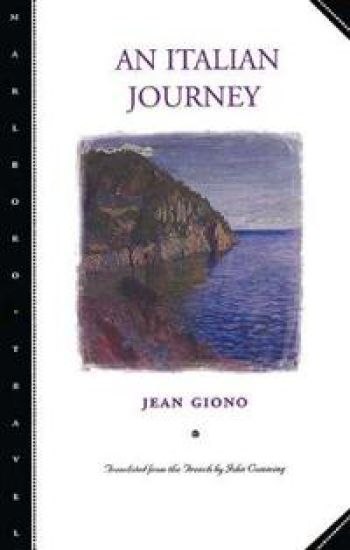
In An Italian Journey, Jean Giono describes his journey to the land of his father's people. A reluctant traveler (he rarely left Provence), Giono discovers a strange beauty not only in the palazzi and canals of Venice but also in wistful waiters, suspicious hairdressers, pugnacious men of God, recalcitrant coffeemakers, umbrellas, and field machinery. In Giono's world a stamp collectors' market can appear to verge on revolution and inept municipal musicians suddenly offer Mozartian joys.

On ne peut qu’être d’accord avec le narrateur quand on voit la magnifique forêt qu’Elzéard Bouffier a élevée patiemment tout au long de sa vie. Écologiste avant l’heure ? Sans aucun doute. Ce berger a décidé de redonner sa superbe à cette lande déserte de Provence en plantant une forêt de chênes, de bouleaux, de hêtres de d’érables. Grâce à l’œuvre d’un seul homme, la vie revient peu à peu dans cette contrée désolée. Une histoire de patience, de respect et d’amour de la terre dont il faudrait certainement prendre de la graine…

Maailman laulu on tarina ihmisistä, joilla on voimakkaat, palavat tunteet ja vaistot, jotka toimivat niiden johtamina. Antonio lähtee ystävänsä Merimiehen kanssa etsimään tämän kadonnutta poikaa. Mutta poikaa etsii myös seudun mahtimiehen Maudrun väki - häntä epäillään rikoksesta. Vaiheikkaan vaelluksensa aikana Antonio tapaa monia ihmisiä ja kuulee tarinoita, joista yksi vaikuttaa ratkaisevasti hänen omaan elämäänsä: sokean Claran ja hänen lapsensa kohtalo. Gionon romaani on turmeltumattoman maalaiselämän ylistys. Maailman laulu humisee tarinan läpi, runollisena, jylhänä ja kauniina.
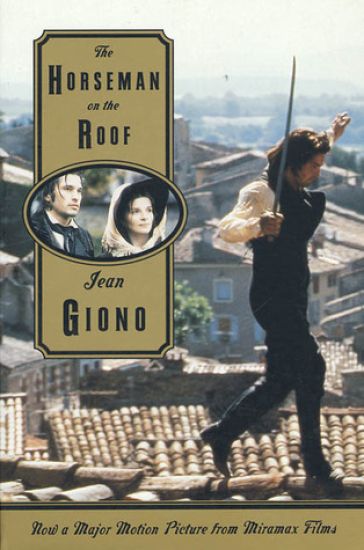
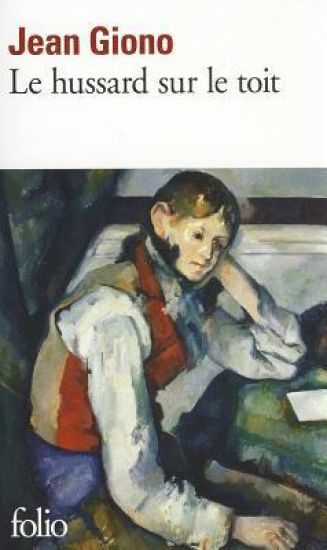
Perhaps no other of his novels better reveals Giono's perfect balance between lyricism and narrative, description and characterization, the epic and the particular, than The Horseman on the Roof. This novel, which Giono began writing in 1934 and which was published in 1951, expanded and solidified his reputation as one of Europe's most important writers. This is a novel of adventure, a roman courtois, that tells the story of Angelo, a nobleman who has been forced to leave Italy because of a duel, and is returning to his homeland by way of Provence. But that region is in the grip of a cholera epidemic, travelers are being imprisoned behind barricades, and exposure to the disease is almost certain. Angelo's escapades, adventures, and heroic self-sacrifice in this hot, hallucinatory landscape, among corpses, criminals and rioting townspeople, share this epic tale.
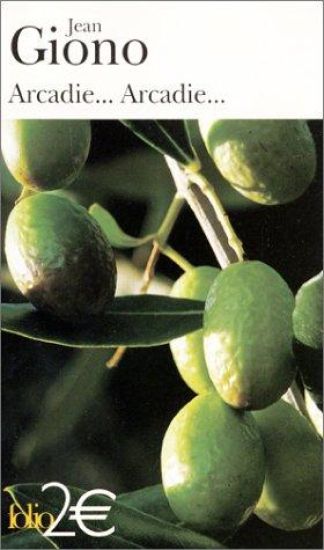
La Provence, moderne Arcadie, modèle des contrées heureuses et paisibles, avec ses oliviers argentés, le profil des collines et les couleurs changeantes des bois, les paysans au travail, l’huile d’olive et la vigne... Giono en connaît chaque chemin, chaque pierre, chaque torrent, chaque odeur et chaque bruit.

NOTES SUR L’AFFAIRE DOMINICI / ESSAI SUR LE CARACTERE DES PE
JEAN GIONO
Francais / ranskankieliset
1955
Pehmeäkantinen
Ei esitteylytekstiä

´Je ne peux pas oublier la guerre. Je le voudrais. Je passe des fois deux jours ou trois sans y penser et brusquement, je la revois, je la sens, je l’entends, je la subis encore. Et j’ai peur. Ce soir est la fin d’un beau jour de juillet. La plaine sous moi est devenue toute rousse. On va couper les blés. L’air, le ciel, la terre sont immobiles et calmes. Vingt ans ont passé. Et depuis vingt ans, malgré la vie, les douleurs et les bonheurs, je ne me suis pas lavé de la guerre. L’horreur de ces quatre ans est toujours en moi. Je porte la marque. Tous les survivants portent la marque.’ Un texte bouleversant dans lequel Jean Giono livre, à la veille de la Seconde Guerre mondiale, un véritable plaidoyer pour la paix.
Ei esittelytekstiä