Kirjailija
Jean Racine
Kirjat ja teokset yhdessä paikassa: 560 kirjaa, julkaisuja vuosilta 1973–2026, suosituimpiin kuuluu Oeuvres de Jean Racine. Notice Sur La Vie Et Les Ouvrages de J. Racine (Éd.1825). Vertaile teosten hintoja ja tarkista saatavuus suomalaisista kirjakaupoista.
560 kirjaa
Kirjojen julkaisuvuodet: 1973–2026.
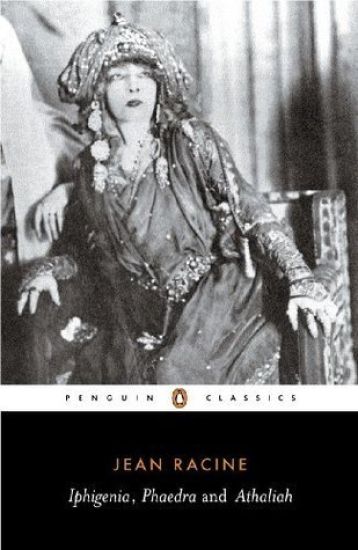
Strongly influenced by Classical drama, Jean Racine (1639-99) broke away from the grandiose theatricality of baroque drama to create works of intense psychological realism, with characters manipulated by cruel and vengeful gods. Iphigenia depicts a princess's absolute submission to her father's will, despite his determination to sacrifice her to gain divine favour before going to war. Described by Voltaire as 'the masterpiece of the human mind', Phaedra shows a woman's struggle to overcome her overwhelming passion for her stepson - an obsession that brings destruction to a noble family. And Athaliah portrays a ruthless pagan queen, who defies Jehovah in her desperate attempt to keep the throne of Jerusalem from its legitimate heir.
Continental Drama
Pedro Calderon de la Barca; Pierre Corneille; Jean Racine
Kessinger Pub
2004
sidottu
Drama Classics: The World's Great Plays at a great Little Price Racine's reworking of Euripides' Hippolytus, celebrated for its tragic construction and the richness of its language. Consumed by an uncontrollable passion for her young stepson and believing Theseus, her absent husband, to be dead, Phedre confesses her darkest desires and enters the world of nightmare. When Theseus returns, alive and well, Phedre, fearing exposure, accuses her stepson of rape. Unable to see beyond her impassioned words to his own son's protestations, heartbroken and overcome, Theseus banishes Hippolytus and wishes him dead. But when the gods are always listening, you should be careful what you wish for. This English version of Jean Racine's play Phedra (Phèdre), in the Nick Hern Books Drama Classics series, is translated and introduced by Julie Rose.

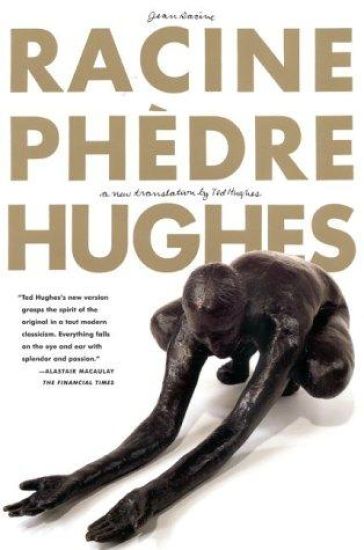
A lean, high-tension version of a classic tragedy. The myth of Phaedra is one of the most powerful in all of classical mythology. As dramatized by the French playwright Jean Racine (1639-99), the dying Queen's obsessive love for her stepson, Hippolytus, and the scrupulously upright Hippolytus' love for the forbidden beauty Aricia has come to be known as one of the great stories of tragic infatuation, a tale of love strong enough to bring down a kingdom. In this "tough, unrhyming avalanche of a translation" (Paul Taylor, The Independent), Hughes replaces Racine's alexandrines with an English verse that serves eloquently to convey the passions of his protagonists. The translation was performed to acclaim in London in 1998, and the London production, starring Diana Rigg, was staged in 1999 at the Brooklyn Academy of Music. "We are still catching up with Ted Hughes's gift for narrative verse after his Tales from Ovid," one English critic observed after the London premiere. "Little needs to happen on stage when there's a swirling action-packed disaster movie-riddled with sex and violence-in Hughes's free verse."
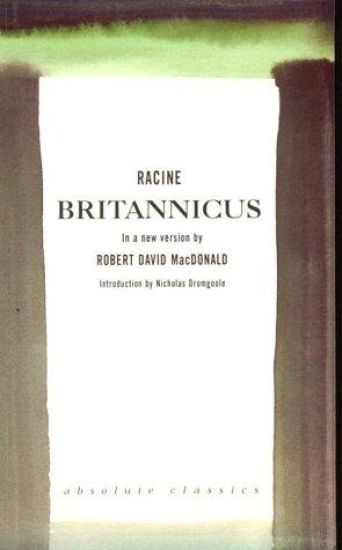
An Almeida Theatre production that opened at the Albery Theatre with Diana Rigg and Toby Stephens, and then played for a season on Broadway. This political thriller, set in Rome at the beginning of Emperor Nero's tyranny, lays bare the relationships at the heart of power as a world slips into moral chaos.
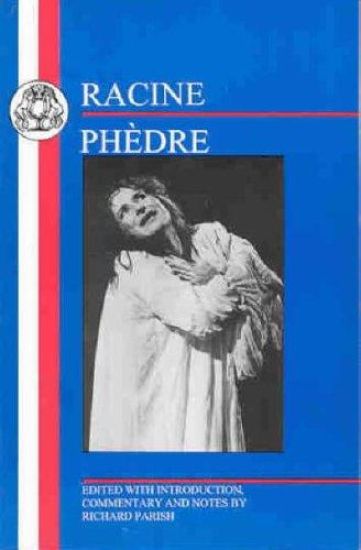
A critical edition of Racine's "Phedre". The introduction examines the central facets of the play's enduring capacity to move and disturb its audience and readers, and includes a survey of 20th century productions. There is a section on versification and language, and a glossary is included.

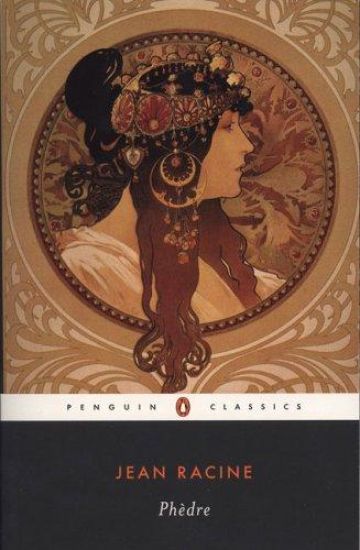
Racine's play Ph dre--which draws on Euripides' tragedy Hippolytus--is the supreme achievement of French neoclassic theater. In her amusing foreword, Margaret Rawlings explains how this particular translation--made specifically from the actor's point-of-view--evolved from the 1957 Campbell Allen production. Containing both the French and English texts on facing pages, as well as Racine's own preface and notes on his contemporary and classical references, this edition of Ph dre is a favorite among modern readers and is of special value to students, amateur companies, and repertory theaters alike. Translated and with a foreword by Margaret Rawlings.
A critical edition by Michael Hawcroft and Valerie Worth of Racine's 1665 tragedy.
“Love? What does love mean in this fearsome drama? Not much that is affirmative. Not much to heat the heart of a sentimental spectator. It signifies a passion that amounts to illness, an alternately aching and frantic desire that cannot be slaked. The three characters who love strive to conquer love by straining their will power to its elastic limits. And what does loved mean here? Not the ecstasy of glowing with selflessness and basking in another's affection, but a tormenting burden that cannot be shaken off, can only be readjusted to serve as an instrument of convenience or harm.” from the Afterword by Albert Bermel
Edited and translated by Oreste F. Pucciani, this edition of Phaedra for performance and study is well annotated and features an introduction that includes a plot summary and extensive discussion of how the historical, social, religious, and theatrical conventions of seventeenth-century France contribute to the play. Also included are a list of principal dates in the life of Jean Racine, and a selected bibliography.
A skillful translation of the classical French tragedy about the captivity of Hector's wife after her abduction by the son of Achilles. The rhymed couplets retain the simplicity of form and powerful language of the original. " This translation] is a striking tour de force" (Hudson Review). Drawings by Igor Tulipanov.