Kirjailija
JEREMY MARK ROBINSON
Kirjat ja teokset yhdessä paikassa: 121 kirjaa, julkaisuja vuosilta 2005–2026, suosituimpiin kuuluu J.R.R. Tolkien. Vertaile teosten hintoja ja tarkista saatavuus suomalaisista kirjakaupoista.
121 kirjaa
Kirjojen julkaisuvuodet: 2005–2026.

The Art of Katsuhiro Otomo
Jeremy Mark Robinson
CRESCENT MOON PUBLISHING
2023
sidottu
Halvin toimitettuna 82,40 €
THE ART OF KATSUHIRO OTOMOby Jeremy Mark RobinsonThis is a book about the genius Japanese artist Katsuhiro Otomo (b. 1954). Best-known for the Akira manga of 1982-90 and the Akira movie of 1988, Otomo is also an all-round artist who writes fiction, writes and directs short and feature movies, produces commercial art, and design projects. Among Otomo's works are the movies Steam-Boy, Mushishi, Metropolis, Memories and Roujin Z, and manga such as Domu, The Legend of Mother Sarah, Hansel and Gretel and Sayonara Japan. The works of Otomo have been celebrated with awards - he won the Kodansha Comic-Strip Award in 1984 for Akira, and the Science Fiction Grand Prix Award in 1983 for Domu. There are very few genuine auteurs in Japanese animation: the animation industry, like all filmmaking on a large scale, is truly collaborative. However, you can definitely see elements in the films directed and written and supervised by Katsuhiro Otomo that are auteurist: Otomo has his own style, visually, but also his own concerns, thematically, politically and psychologically. Akira is a giant of a movie that opens at full blast: this movie rocks from shot one. It really rocks - at a far higher level of intensity than any comparable movie, including all of the classics regularly trotted out as hi-octane movie-making. Akira is clearly one of those movies where the filmmakers have thrown everything they can think of into the mix, and it's a movie in which the filmmakers have given their all. Meanwhile, the manga of Akira exceeds all expectations - about storytelling, about what a comicbook or manga is, about how an action-adventure-fantasy story can work in a contemporary setting, and how a story can be genuinely thrilling, genuinely political, genuinely wild and epic. In short, Akira ticks all of the boxes: (a) it has action and spectacle in spades, (b) it has fascinating characters and situations, (c) it is incredibly exciting, (d) it is very unusual, sometimes downright eccentric and out-there, (e) it is highly politicized, (f) it has plenty to say about living in the modern world, about contemporary, advanced capitalist societies, and (g) it establishes its own world, its own raison d'etre, its own philosophy with supreme self-confidence. The Art of Katsuhiro Otomo includes chapters on: Katsuhiro Otomo's manga and movies; lengthy chapters on every aspect of the Akira movie (animation, sound, music, voices, story, themes, etc); the story of the Akira manga; Otomo's inspirations and inflfiuences; the contemporary anime industry; and a section of the views of critics and fans. This new edition has 70 pages of new material, has been completely rewritten, has an expanded chapter on the Legend of Mother Sarah, and includes new chapters on World Apartment Horror and Freedom, new illustrations, and expanded entries on Otomo's manga and movies. Fully illustrated in colour, including many images from Otomo's whole output, the Akira movie, the Akira manga, Otomo's other works in comics and cinema, and Otomo's inspirations. Hardcover - full colour laminate cover, with a colour, wraparound jacket. This 3rd edition is revised, and contains 15 pages of new illustrations, all in colour. Bibliography, resources and notes. 728 pages.www.crmoon.com
The Ecstatic Cinema of Tony Ching Siu-Tung
Jeremy Mark Robinson
CRESCENT MOON PUBLISHING
2023
sidottu
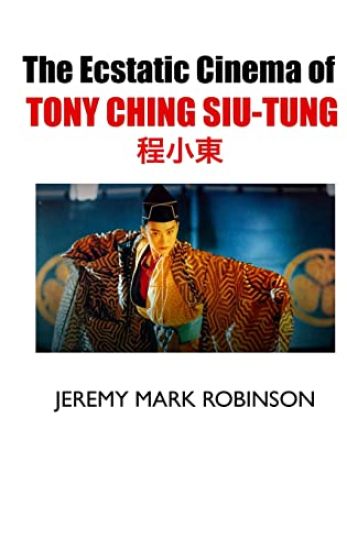
THE ECSTATIC CINEMA OF TONY CHING SIU-TUNGBy Jeremy Mark RobinsonTony Ching Siu-tung (b. 1953) started out as an actor and stuntman, working in movies in the late 1960s and 1970s; he moved into television as martial arts co-ordinator, in the late 1970s and thru the 1980s (where on several historical TV series); he moved up to directing movies with 1983's Duel To the Death. This book is fully illustrated in colour. Tony Ching Siu-tung's two signature works are probably A Chinese Ghost Story and The Swordsman 2. Critically, those two films (and their movie series, the Chinese Ghost Story series and the Swordsman series) have garnered the highest criticial accolades (and they were big hits financially), and The Swordsman 2 has been the subject of numerous analyses of gender-bending issues in cinema. The sight of Brigitte Lin in drag and later fooling around with Jet Li as a 'woman' seems to drive film critics goo-goo. Tony Ching Siu-tung has won awards for the action choreography for The Witch From Nepal, Shaolin Soccer, New Dragon Gate Inn, Hero and The Swordsman. Like the other famous action directors in Hong Kong cinema (such as Yuen Woo-ping, Sammo Hung, Corey Yuen and Yuen Bun), Tony Ching Siu-tung has worked with every single star in Hong Kong, every producer, every cameraman, designer, stylist, costumier, etc, and probably every stuntman and stuntwoman. Ching Siu-tung had provided action direction for Tsui Hark, Johnnie To, John Woo, Wong Jing, Ringo Lam, Zhang Yimou, Peter Chan, Andy Lau, Kevin Chu, and Stephen Chow, among others. That is, practically all of the major filmmakers in China. Technically, the movies directed by Tony Ching Siu-tung are breathtaking - in every department of film production, Ching's movies excel. Costumes are lavish, the sets are super-detailed, and the cinematography is stellar. Sometimes you really are looking at something very close to a classical, Chinese painting, where the billowing robes that the actors wear fit in perfectly, and are spot-on equivalents for the spiritual mood of Chinese art. Fully illustrated in colour throughout (over 290 illustrations), with images from the films of Tony Ching and other Chinese/ Hong Kong productions. With filmography, bibliography and notes. 592 pages. Hardcover, with a full colour laminate cover. www.crmoon.com

JACKIE COLLINSQUEEN OF THE BLOCKBUSTER NOVELBy Jeremy Mark RobinsonRomance - sex - glamour - glitter - Hollywood - fame - fashion - crime - murder - sleaze thrills - and lots of money. A survey of the fiction of Jackie Collins, the undisputed Queen of Hollywood and the blockbuster novel. Jackie Collins is a master storyteller. Collins can tell a story brilliantly, and she possesses that magical element that readers appreciate and publishers seek high and low for: the page-turner. It's the Holy Grail of books and literature - and of stories in any media: creating the desire to know what happens next. Jackie Collins is known as the Queen of Trash, the Duchess of Dirty Books. The critics call Collins the 'Proust of nips and tucks' and 'unarguably the Victor Hugo of our time'. By the time of her death in 2015, Jackie Collins had published 32 novels, her first novel being The World Is Full of Married Men (1968), when she was 31. Collins' other novels include The Stud, The Bitch, Sinners, The World Is Full of Divorced Women, Rock Star, Thrill , the Hollywood series: Hollywood Wives (her biggest seller, with 15 million copies), Hollywood Husbands, Hollywood Kids, Hollywood Divorces and Hollywood Wives: The New Generation, the Madison Castelli series, and the series of novels centred around Lucky Santangelo, the daughter of a mob boss: Chances, Lucky, Lady Boss, Vendetta, Dangerous Kiss, Goddess of Vengeance, etc. The book looks at every novel by Jackie Collins in detail, and includes the television and movie adaptations of her stories. The study also explores the contemporary blockbuster novel, looking at issues such as style, language, morality, sexuality, politics, celebrity culture, and work. Blockbuster novel authors include: Judith Krantz, Dean Koontz, Frederick Forsyth, John Grisham, Tom Clancy, Virginia Andrews, Shirley Conran, Harold Robbins and Dan Brown. Includes illustrations, bibliography and notes. 424pp. Hardcover, with a colour laminate cover. www.crmoon.com
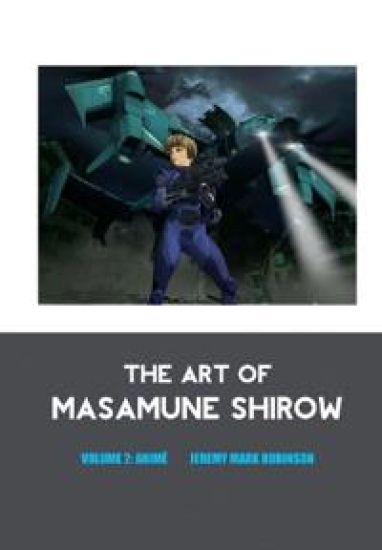
THE ART OF MASAMUNE SHIROWVOLUME 2: ANIM Color Editionby Jeremy Mark RobinsonThis is a study of the adaptations of the art of Masamune Shirow (real name Masanori Ota, born in 1961, Kobe, Japan), a Japanese artist best known for Ghost In the Shell, Appleseed and Dominion: Tank Police. Masamune Shirow is one of the great creators in the world of Japanese manga and anim - his works have been the basis of several important franchises, with Ghost In the Shell the best-known. Shirow's art is marked by futuristic, cyber-punk settings, fabulous, often eccentric designs, elaborate mecha (such as tanks and mobile suits), attractive warrior women and detailed storytelling (accompanied by his famous, sometimes arcane notes). The impact of the work of Masamune Shirow has been immense in anim and manga: Ghost In the Shell alone led to not one but two classic movies, two outstanding TV series (plus a third, the Arise series), and spin-off movies. Add to that the live-action Ghost of 2017, and more Ghosties on the way. Then there's the Appleseed digital animations and Appleseed cel animation, plus Black Magic, Real Drive, Ghost Hound (Unseen World) and Dominion: Tank Police. It all adds up to a remarkable presence in TV and movies. In cinema, Masamune Shirow's influence is easy to spot in the Star Wars prequels, in the Matrix movies, in Avatar, in Minority Report, in the Avengers series, and in many a superhero flick. The Art of Masamune Shirow: Volume 2: Anim includes a biography; chapters on Shirow's signature works in anim - Appleseed and Ghost In the Shell - and his lesser-known adaptations, such as Dominion: Tank Police and Ghost Hound. Every adaptation of the two popular franchises based on Masamune Shirow's work, Appleseed and the Ghost In the Shell, is discussed in detail: from the 1988 anim of Appleseed and the 1995 movie of Ghost In the Shell to the latest versions and series (such as the Arise series, the Stand Alone Complex: 2045 series, the live-action version of Ghost In the Shell, and the Appleseed animated films). Fully illustrated in colour with over 200 images from Masamune Shirow's whole output in animation, and the neglected works, such as Black Magic, Real Drive and Pandora In the Crimson Shell. The Art of Masamune Shirow is published in three volumes: Volume 1: MangaVolume 2: Anim Volume 3 EroticaHardcover - full colour laminate cover, with a color flyleaf. Bibliography, resources and notes. 396 pages.www.crmoon.com
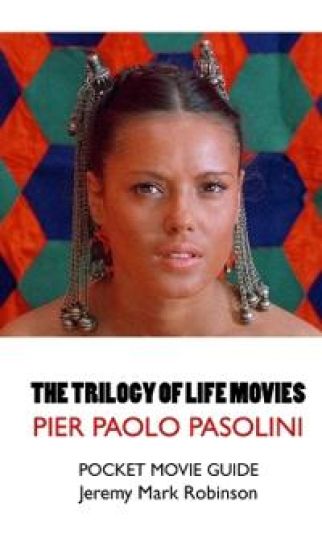

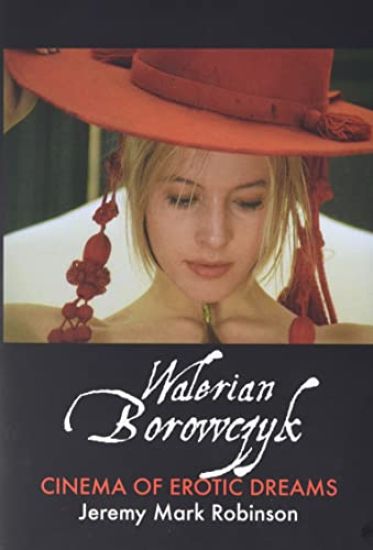
WALERIAN BOROWCZYK CINEMA OF EROTIC DREAMSBY JEREMY MARK ROBINSONWalerian Borowczyk (1923-2006) is one of cinema's great talents. Quite simply, there is no filmmaker quite like 'Boro'. Borowczyk's films have an astonishing, magical quality. They reach a place very rare in contemporary cinema, and are quite unlike the films of any other auteur. Borowczyk's films create their own space, with imagery, sounds and music of a really exceptional power. The book discusses each Walerian Borowczyk film in detail, sometimes going through scenes shot by shot. This fourth edition includes new chapters on - Borowczyk's short films and animations - The Theatre of Mr and Mrs Kabal - The Streewalker (a.k.a. La Marge) - Lulu - The Strange Case of Dr Jeckyll and Miss Osbourne (a.k.a. Docteur Jekyll et les femmes) - and the Softly From Paris TV series (a.k.a. S rie Rose). Blanche, Immoral Tales, Behind Convent Walls, The Beast and Goto: Island of Love, can be celebrated for their painterly sense, the use of props and costumes, and the incredible attention to detail. Very stylized, mysterious, poetic. Not forgetting the acute awareness of the history of religion and literature. Walerian Borowczyk produced some of the most memorable images in European cinema, the equal of Ingmar Bergman, Sergei Paradjanov or Andrei Tarkovsky. The great Walerian Borowczyk masterpiece i's Goto: Island of Love. That can rank alongside the great films in the history of cinema. Immoral Tales could be placed in the masterpiece class too. The other Borowczyk films are often as fascinating, often more grotesque - certainly more sexually explicit - but probably not as wholly satisfying as Goto: Island of Love, from a conventional critical standpoint. But The Beast, Blanche, Behind Convent Walls, and Love Rites would count as extraordinary films by most standards. They may not be quite up there with Persona (Ingmar Bergman) or 8 1/2 (Federico Fellini), but taken together they form a group of works that mark Borowczyk out as a maverick original. Similarly, Borowczyk isn't a filmmaker celebrated by critics or filmmakers, like Akira Kurosawa, Ingmar Bergman, Orson Welles, Federico Fellini, Jean Renoir or Sergei Eisenstein, and his films don't make critics' top ten lists. For detractors, Borowczyk's films were better when they concerned ideas rather than the senses - philosophy not sex. You probably won't know many other people who've even heard of Walerian Borowczyk, let alone seen one of his films. His reputation as a producer of European arty porny films (art-as-porn films or porn-as-art films) is probably all that many people will have heard of him (movies with sex and nudity do seem to travel well, crossing borders). Fully illustrated, with over 340 stills from all of Walerian Borowczyk's movies and short films (including a gallery from the history of erotica), a bibliography, complete filmography and notes. The text has been updated throughout for this new, 4th edition, which is over twice the length of previous editions. Hardcover with a colour laminated cover and a colour flyleaf. 636 pages. www.crmoon.com
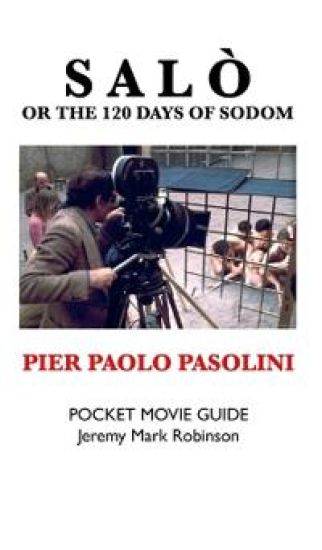
SALO, OR THE 120 DAYS OF SODOMPIER PAOLO PASOLINIPOCKET MOVIE GUIDEBy Jeremy Mark RobinsonA new critical study of the Italian filmmaker and poet Pier Paolo Pasolini's most controversial movie, Sal , o Le 120 Giornate di Sodoma (1975). Salo is a challenging film in every way. Critics at the time (and since) have found Salo difficult to sit through or unwatchable. Salo transposed the novel The 120 Days of Sodom (1785) by the Marquis de Sade (1740-1814) to Italy at the end of WWII. For Pier Paolo Pasolini, Salo was about (among other things), domination and submission, power and coercion, Western capitalism, the banal but all-pervasive influence of consumer culture, the power relations between the aristocratic class and the peasant/ working class, and fascism in Italy in the 1930s and 1940s. As Pasolini noted: 'where de Sade says God, I say Power; he was against the power over man's beliefs, I am against the power over man's body.' Pier Paolo Pasolini's other works in cinema include The Gospel According To Matthew, one of the great films about Jesus, the 'trilogy of life' movies based on Middle Ages texts (Chaucer, Boccaccio and the 1001 Nights), adaptations of ancient world plays (Medea and Oedipus Rex), and poetic portraits of contemporary Roman life (Accattone, Mamma Roma and The Hawks and the Sparrows). The book includes a biography of Pasolini, an exploration of aspects of his cinema, and topics related to Pasolini's life and interests such as religion, poetry, homosexuality, his colleagues, Marxist politics, modern Italy, and the Third World. Pier Paolo Pasolini was born on March 5, 1922, in Bologna, Italy. He died on November 2, 1975, in Ostia, Rome (he was buried in Casarca, in his beloved Friuli). When he was a film director, Pier Paolo Pasolini was certainly an intimidating presence, with a formidable reputation - like Cecil B. DeMille, D. W. Griffith or Jean-Luc Godard. Very confident, very smart, a great talker and interviewee, a leader on set, with no doubts from anyone about who was the primary creator and author. The appendices include quotes by Pasolini; and on Renaissance artists. Fully illustrated. Bibliography, appendices, filmography and notes. 256 pages. Hardcover with a colour laminated cover. www.crmoon.com
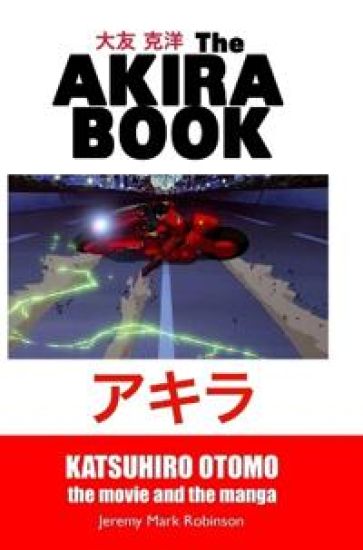
THE AKIRA BOOKKATSUHIRO OTOMO: THE MOVIE AND THE MANGA: A CRITICAL STUDYby Jeremy Mark Robinson This is a book about Akira - the manga of 1982-90 and the movie of 1988, and about the creator of Akira, the genius artist Katsuhiro Otomo (b. 1954). There are very few genuine auteurs in Japanese animation: the animation industry, like all filmmaking on a large scale, is truly collaborative. However, you can definitely see elements in the films directed and written and supervised by Katsuhiro Otomo that are auteurist: Otomo has his own style, visually, but also his own concerns, thematically, politically and psychologically. Akira is a GIANT of a movie that opens at full blast: this movie rocks from shot one. It really rocks - at a far higher level of intensity than any comparable movie, including all of the classics regularly trotted out as hi-octane movie-making. Akira is clearly one of those movies where the filmmakers have thrown everything they can think of into the mix, and it's a movie in which the film-makers have given their all. Meanwhile, the manga of Akira exceeds all expectations - about storytelling, about what a comicbook or manga is, about how an action-adventure-fantasy story can work in a contemporary setting, and how a story can be genuinely thrilling, genuinely political, genuinely wild and epic. In short, Akira ticks all of the boxes: (a) it has action and spectacle in spades, (b) it has fascinating characters and situations, (c) it is incredibly exciting, (d) it is very unusual, sometimes downright eccentric and out-there, (e) it is highly politicized, (f) it has plenty to say about living in the modern world, about contemporary, advanced capitalist societies, and (g) it establishes its own world, its own raison d'etre, its own philosophy with supreme self-confidence. Akira is the manga to top all manga, to end all manga. It is a manga designed to go further, louder and crazier than any other manga. And it does Akira delivers on its promise: it really is every bit as great as everybody says it is. Volume one of the manga of Akira was published in Young Magazine in 1982-83, by Kodansha (one of the big three among manga publishers in Japan - the other two are Sogakkan and Shueisha), when Katsuhiro Otomo was 28. The Akira Book includes chapters on: Katsuhiro Otomo's other manga and movies; his inspirations and influences; the contemporary anime industry; and a section of the views of critics and fans. Every aspect of the Akira movie is explored (animation, sound, music, voices, story, themes, etc). This new edition has 20 pages of new material, has been completely rewritten, and includes new illustrations, and expanded entries on Otomo's manga and movies. Fully illustrated in colour, including many images from Otomo's whole output, the Akira movie, the Akira manga, Otomo's other works in comics and cinema, and Otomo's inspirations. Hardcover - full colour laminate cover, with a colour, wraparound jacket. Bibliography, resources and notes. 788 pages. www.crmoon.com
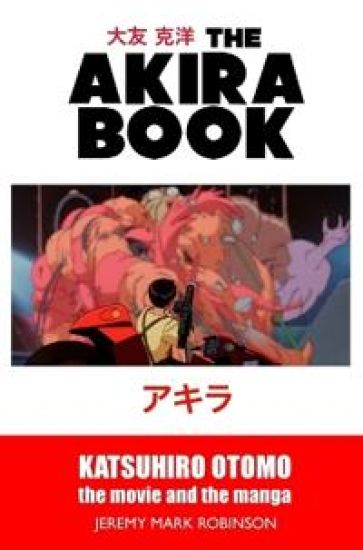
THE AKIRA BOOKKATSUHIRO OTOMO: THE MOVIE AND THE MANGAby Jeremy Mark Robinson This is a book about Akira - the manga of 1982-90 and the movie of 1988, and about the creator of Akira, the genius artist Katsuhiro Otomo (b. 1954). There are very few genuine auteurs in Japanese animation: the animation industry, like all filmmaking on a large scale, is truly collaborative. However, you can definitely see elements in the films directed and written and supervised by Katsuhiro Otomo that are auteurist: Otomo has his own style, visually, but also his own concerns, thematically, politically and psychologically. Akira is a GIANT of a movie that opens at full blast: this movie rocks from shot one. It really rocks - at a far higher level of intensity than any comparable movie, including all of the classics regularly trotted out as hi-octane movie-making. Akira is clearly one of those movies where the filmmakers have thrown everything they can think of into the mix, and it's a movie in which the film-makers have given their all. Meanwhile, the manga of Akira exceeds all expectations - about storytelling, about what a comicbook or manga is, about how an action-adventure-fantasy story can work in a contemporary setting, and how a story can be genuinely thrilling, genuinely political, genuinely wild and epic. In short, Akira ticks all of the boxes: (a) it has action and spectacle in spades, (b) it has fascinating characters and situations, (c) it is incredibly exciting, (d) it is very unusual, sometimes downright eccentric and out-there, (e) it is highly politicized, (f) it has plenty to say about living in the modern world, about contemporary, advanced capitalist societies, and (g) it establishes its own world, its own raison d'etre, its own philosophy with supreme self-confidence. Akira is the manga to top all manga, to end all manga. It is a manga designed to go further, louder and crazier than any other manga. And it does Akira delivers on its promise: it really is every bit as great as everybody says it is. Volume one of the manga of Akira was published in Young Magazine in 1982-83, by Kodansha (one of the big three among manga publishers in Japan - the other two are Sogakkan and Shueisha), when Katsuhiro Otomo was 28. The Akira Book includes chapters on: Katsuhiro Otomo's other manga and movies; his inspirations and influences; the contemporary anime industry; and a section of the views of critics and fans. Every aspect of the Akira movie is explored (animation, sound, music, voices, story, themes, etc). This new, 3rd edition has 20 pages of new material, has been completely rewritten, and includes new illustrations, and expanded entries on Otomo's manga and movies. Fully illustrated, including many images of the Akira movie, the Akira manga, Otomo's other works in comics and cinema, Otomo's inspirations, etc. Hardcover - full colour laminate cover. Bibliography, resources and notes. Available in both hardcover and paperback. 788 pages. www.crmoon.com
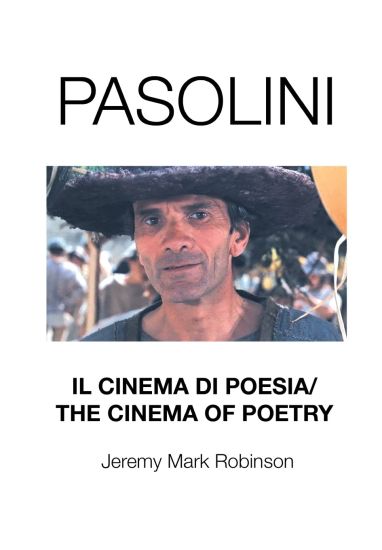
PASOLINIIL CINEMA DI POESIA/ THE CINEMA OF POETRY By Jeremy Mark RobinsonA new critical study of the Italian filmmaker and poet Pier Paolo Pasolini (1922-1975). The focus is the cinema of Pasolini, which includes The Gospel According To Matthew (his best-known film), the controversial Salo, the 'trilogy of life' movies based on Middle Ages texts (Chaucer, Boccaccio and the 1001 Nights), adaptations of ancient world plays (Medea and Oedipus Rex), and poetic portraits of contemporary Roman life (Accattone, Mamma Roma and The Hawks and the Sparrows). Pasolini: Il Cinema di Poesia/ The Cinema of Poetry considers all of Pier Paolo Pasolini's work in cinema, with a chapter on each feature-length movie, plus the short episodes he made for anthology films, all of his documentaries, and his unmade film projects. There is a biography of Pasolini, an exploration of aspects of his cinema, and topics related to Pasolini's life and interests such as religion, poetry, homosexuality, his colleagues, Marxist politics, modern Italy, and the Third World. Pier Paolo Pasolini was born on March 5, 1922, in Bologna, Italy. He died on November 2, 1975, in Ostia, Rome (he was buried in Casarca, in his beloved Friuli). When he was a film director, Pier Paolo Pasolini was certainly an intimidating presence, with a formidable reputation - like Cecil B. DeMille, D. W. Griffith or Jean-Luc Godard. Very confident, very smart, a great talker and interviewee, a leader on set, with no doubts from anyone about who was the primary creator and author. The appendices include entries on the work of Pier Paolo Pasolini's collaborators, such as Bernardo Bertolucci and Sergio Citti, and films made from Pasolini's fiction (such as A Violent Life and The Big Night). Fully illustrated with images from all of Pasolini's works in cinema. Bibliography, appendices, filmography and notes. 536 pages. Full colour cover, in hardcover with a jacket (flyleaf). www.crmoon.com

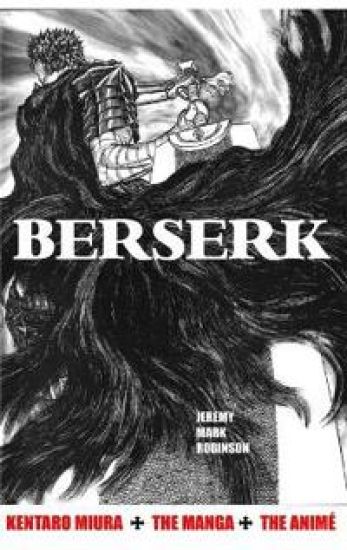
B E R S E R KKENTARO MIURA: THE MANGA AND THE ANIM by Jeremy Mark RobinsonColor EditionThis is a study of the epic fantasy comic Berserk by Kentaro Miura, one of the greatest works of art in print form of any era. Berserk is a best-selling fantasy adventure manga in Japan and overseas. It has been published (in Young Animal Magazine from Hakusensha) since 1989 and is still not complete. Berserk, known as 'the Sistine Chapel of manga', is notable for its truly outstanding artwork and its compelling storytelling, centred on its brooding swordsman, Guts. Berserk is an entire history of the action-adventure genre; it features every permutation of every scenario found in action-based stories. It has battles, duels and monsters a-plenty. Berserk is also a whole history of the graphic possibilities of art; it's one of the celebrated works in comics publishing for its remarkable style, and can stand alongside the finest achievements of telling stories in printed form (such as the 19th century prints of Gustave Dor ). Miura-sensei is an artist's artist, completely dedicated to producing the highest quality of work. Berserk spoils the reader: after reading Berserk, pretty much everything, in any media, can seem disappointing. Berserk takes the reader to many places that are familiar (though not delivered in quite this way), and many scenarios that are unique to this comic. And Berserk is also a shojo manga, with teenage witches, mermaids, princesses, kings, magic and fairies (including the comical elf sidekick, Puck). In fact, in the chapters of Berserk published since around 2017, Guts and the gang have been holed up on Elf Island, a realm of fairies, elves, witches and wizards (it's Harry Potter and The Lord of the Rings combined with Japanese cherry blossom). And there's a striking lack of mass decapitations, severed limbs, disembowelled horses, gushing blood, slathering monsters and insane demi-gods. Berserk also contains one of the most astonishing set-pieces of sustained action and horror in comics, the Eclipse Ritual (a.k.a. the Night Festival). It's the highpoint of the manga. The imagination and artistry on display here is truly awesome. For some Berserk is too extreme - Kentaro Miura certainly goes all out This book also examines the animated adaptations of Kentaro Miura's Berserk saga, starting with the anim series of 1997-1998, through the movies of 2012-2013, up to the latest TV series of 2016-2017. In addition, there is a chapter on Miura's early manga (such as Japan and King of Wolves); his later pieces (such as Duranki and Gigantomakhia); a biography of Miura; and appendices looking at some of Miura's influences. Fully illustrated in color with over 270 illustrations, including images from Kentaro Miura's other manga, from the anim productions, and from all of the Berserk comic. This is a revised edition of the first edition of May, 2021, including a new entry on the final chapter of Berserk, and 30 more pages of illustrations. Hardcover - full colour laminate cover with a colour jacket. Bibliography, filmography, resources and notes. 608 pages. www.crmoon.com
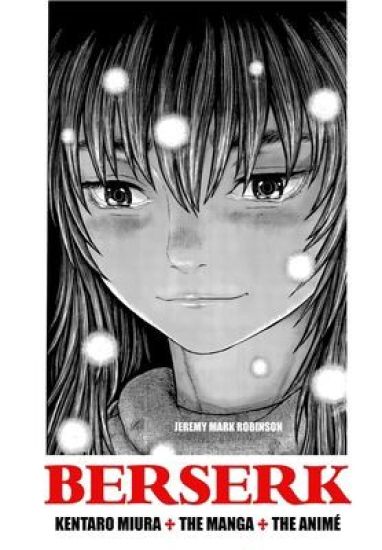
B E R S E R KKENTARO MIURA: THE MANGA AND THE ANIM by Jeremy Mark RobinsonColor EditionThis is a study of the epic fantasy comic Berserk by Kentaro Miura, one of the greatest works of art in print form of any era. Berserk is a best-selling fantasy adventure manga in Japan and overseas. It has been published (in Young Animal Magazine from Hakusensha) since 1989 and is still not complete. Berserk, known as 'the Sistine Chapel of manga', is notable for its truly outstanding artwork and its compelling storytelling, centred on its brooding swordsman, Guts. Berserk is an entire history of the action-adventure genre; it features every permutation of every scenario found in action-based stories. It has battles, duels and monsters a-plenty. Berserk is also a whole history of the graphic possibilities of art; it's one of the celebrated works in comics publishing for its remarkable style, and can stand alongside the finest achievements of telling stories in printed form (such as the 19th century prints of Gustave Dor ). Miura-sensei is an artist's artist, completely dedicated to producing the highest quality of work. Berserk spoils the reader: after reading Berserk, pretty much everything, in any media, can seem disappointing. Berserk takes the reader to many places that are familiar (though not delivered in quite this way), and many scenarios that are unique to this comic. And Berserk is also a shojo manga, with teenage witches, mermaids, princesses, kings, magic and fairies (including the comical elf sidekick, Puck). In fact, in the chapters of Berserk published since around 2017, Guts and the gang have been holed up on Elf Island, a realm of fairies, elves, witches and wizards (it's Harry Potter and The Lord of the Rings combined with Japanese cherry blossom). And there's a striking lack of mass decapitations, severed limbs, disembowelled horses, gushing blood, slathering monsters and insane demi-gods. Berserk also contains one of the most astonishing set-pieces of sustained action and horror in comics, the Eclipse Ritual (a.k.a. the Night Festival). It's the highpoint of the manga. The imagination and artistry on display here is truly awesome. For some Berserk is too extreme - Kentaro Miura certainly goes all out This book also examines the animated adaptations of Kentaro Miura's Berserk saga, starting with the anim series of 1997-1998, through the movies of 2012-2013, up to the latest TV series of 2016-2017. In addition, there is a chapter on Miura's early manga (such as Japan and King of Wolves); his later pieces (such as Duranki and Gigantomakhia); a biography of Miura; and appendices looking at some of Miura's influences. Fully illustrated in color with over 270 illustrations, including images from Kentaro Miura's other manga, from the anim productions, and from all of the Berserk comic. This is a revised edition of the first edition of May, 2021, including a new entry on the final chapter of Berserk, and 40 more pages of illustrations. Hardcover - full color laminate cover with a color jacket. Bibliography, filmography, resources and notes. 608 pages. www.crmoon.com
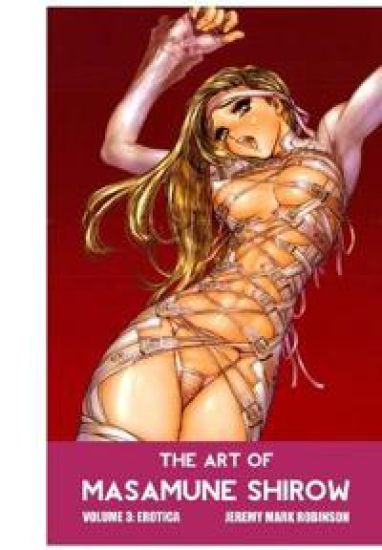
THE ART OF MASAMUNE SHIROWVOLUME 3: EROTICA. Color Edition. by Jeremy Mark RobinsonThis is a study of the erotic art of Masamune Shirow (real name Masanori Ota, born in 1961, Kobe, Japan), a Japanese artist best known for the comics Ghost In the Shell, Appleseed and Dominion: Tank Police. Masamune Shirow is one of the great creators in the world of Japanese manga and anim - his works have been the basis of several important franchises, with Ghost In the Shell the best-known. Shirow's art is marked by futuristic, cyber-punk settings, fabulous, often eccentric designs, elaborate mecha (such as tanks and mobile suits), attractive warrior women and detailed storytelling (accompanied by his famous, sometimes arcane notes). The impact of the work of Masamune Shirow has been immense in anim and manga: Ghost In the Shell alone led to not one but two classic movies, two outstanding TV series (plus a third, the Arise series), and spin-off movies. Add to that the live-action Ghost of 2017, and more Ghosties on the way. Then there's the Appleseed digital animations and Appleseed cel animation, plus Black Magic, Real Drive, Ghost Hound (Unseen World) and Dominion: Tank Police. It all adds up to a remarkable presence in TV and movies. In cinema, Masamune Shirow's influence is easy to spot in the Star Wars prequels, in the Matrix movies, in Avatar, in Minority Report, in the Avengers series, and in many a superhero flick. This is one of the first studies of the erotic art of Masamune Shirow in the West. Eroticism has always been a part of Masamune Shirow's art, from his earliest works. Shirow has produced a significant amount of erotic art since the 1990s in the form of single images (his pin-ups), collections of images with a theme (his calendars and posterbooks), and groups of images with a simple plot (his erotica, published in color books such as Gallhound, Pieces, Galgrease, Greaseberries, Wild Wet Quest, Wild West Quest, W Tails Cat and Hellhound). The Art of Masamune Shirow: Volume 3: Erotica includes a biography; chapters on Shirow and the Japanese manga industry; Shirow's signature works in erotic art (such as his posterbooks and pin-ups); on the Intron Depot series; on the sexual content found in his well-known works (such as Appleseed and Ghost In the Shell); and on his other manga. Each of Masamune Shirow's erotic publications are studied in this book, including Hellcat (pirates), Hellhound (horror/ fantasy), Galhound (sci-fi), Wild Wet West (cowgirls), Wild Wet Quest (action-adventure), and the Greaseberries series and the W Tails Cat series (sci-fi teams). Fully illustrated in color with over 300 images from Masamune Shirow's whole output. There is also a censored version of the book's text. The Art of Masamune Shirow is published in three volumes: Volume 1: MangaVolume 2: Anim Volume 3: EroticaOver 18's only. Hardcover - full color laminate cover with a full color jacket. Bibliography, resources and notes. 584 pages.www.crmoon.com
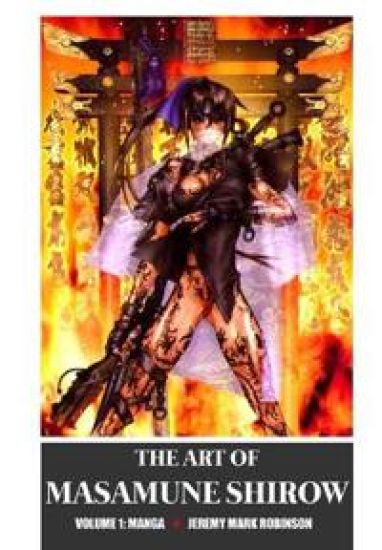
THE ART OF MASAMUNE SHIROWVOLUME 1: MANGAby Jeremy Mark RobinsonThis is a study of the art of Masamune Shirow (real name Masanori Ota, born in 1961, Kobe, Japan), a Japanese artist best known for Ghost In the Shell, Appleseed and Dominion: Tank Police. Masamune Shirow is one of the great creators in the world of Japanese manga and anim - his works have been the basis of several important franchises, with Ghost In the Shell the best-known. Shirow's art is marked by futuristic, cyber-punk settings, fabulous, often eccentric designs, elaborate mecha (such as tanks and mobile suits), attractive warrior women and detailed storytelling (accompanied by his famous, sometimes arcane notes). The impact of the work of Masamune Shirow has been immense in anim and manga: Ghost In the Shell alone led to not one but two classic movies, two outstanding TV series (plus a third, the Arise series), and spin-off movies. Add to that the live-action Ghost of 2017, and more Ghosties on the way. Then there's the Appleseed digital animations and Appleseed cel animation, plus Black Magic, Real Drive, Ghost Hound (Unseen World) and Dominion: Tank Police. It all adds up to a remarkable presence in TV and movies. In cinema, Masamune Shirow's influence is easy to spot in the Star Wars prequels, in the Matrix movies, in Avatar, in Minority Report, in the Avengers series, and in many a superhero flick. The Art of Masamune Shirow: Volume 1: Manga includes chapters on Shirow's two signature works, Appleseed and Ghost In the Shell, and his lesser-known comics, such as Dominion: Tank Police, Orion, Black Magic and Neuro Hard; entries on his early comics; a biography; Shirow's relation to the Japanese manga industry; how Shirow's comics have been adapted for television and movies; and themes such as cyberculture and cyber-punk fiction. The Appleseed comic (four volumes plus supplementary stories) and the three Ghost In the Shell comics are explored chapter by chapter. The stories of Shirow's are described in detail. Fully illustrated in colour, with over 230 images from Masamune Shirow's whole output, the neglected and early comics, and Shirow's other works in print publishing, such as the Intron Depot series. The Art of Masamune Shirow is published in three volumes: Volume 1: MangaVolume 2: Anim Volume 3 EroticaHardcover - full colour jacketed laminate cover (bound in hardcover, with a colour flyleaf). Bibliography, resources and notes. 384 pages. www.crmoon.com
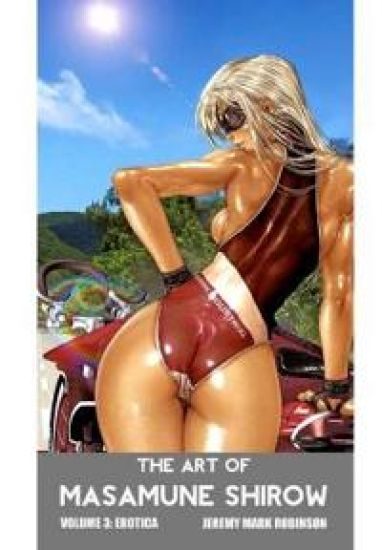
THE ART OF MASAMUNE SHIROWVOLUME 3: EROTICAby Jeremy Mark RobinsonThis is a study of the erotic art of Masamune Shirow (real name Masanori Ota, born in 1961, Kobe, Japan), a Japanese artist best known for the comics Ghost In the Shell, Appleseed and Dominion: Tank Police. Masamune Shirow is one of the great creators in the world of Japanese manga and anim - his works have been the basis of several important franchises, with Ghost In the Shell the best-known. Shirow's art is marked by futuristic, cyber-punk settings, fabulous, often eccentric designs, elaborate mecha (such as tanks and mobile suits), attractive warrior women and detailed storytelling (accompanied by his famous, sometimes arcane notes). The impact of the work of Masamune Shirow has been immense in anim and manga: Ghost In the Shell alone led to not one but two classic movies, two outstanding TV series (plus a third, the Arise series), and spin-off movies. Add to that the live-action Ghost of 2017, and more Ghosties on the way. Then there's the Appleseed digital animations and Appleseed cel animation, plus Black Magic, Real Drive, Ghost Hound (Unseen World) and Dominion: Tank Police. It all adds up to a remarkable presence in TV and movies. In cinema, Masamune Shirow's influence is easy to spot in the Star Wars prequels, in the Matrix movies, in Avatar, in Minority Report, in the Avengers series, and in many a superhero flick. This is one of the first studies of the erotic art of Masamune Shirow in the West. Eroticism has always been a part of Masamune Shirow's art, from his earliest works. Shirow has produced a significant amount of erotic art since the 1990s in the form of single images (his pin-ups), collections of images with a theme (his calendars and posterbooks), and groups of images with a simple plot (his erotica, published in colour books such as Gallhound, Pieces, Galgrease, Greaseberries, Wild Wet Quest, Wild West Quest, W Tails Cat and Hellhound). The Art of Masamune Shirow: Volume 3: Erotica includes a biography; chapters on Shirow and the Japanese manga industry; Shirow's signature works in erotic art (such as his posterbooks and pin-ups); on the Intron Depot series; on the sexual content found in his well-known works (such as Appleseed and Ghost In the Shell); and on his other manga. Each of Masamune Shirow's erotic publications are studied in this book, including Hellcat (pirates), Hellhound (horror/ fantasy), Galhound (sci-fi), Wild Wet West (cowgirls), Wild Wet Quest (action-adventure), and the Greaseberries series and the W Tails Cat series (sci-fi teams). Fully illustrated with over 300 images from Masamune Shirow's whole output. There is also a censored version of the book's text. The Art of Masamune Shirow is published in three volumes: Volume 1: MangaVolume 2: Anim Volume 3: EroticaOver 18's only. Hardcover - full colour laminate cover with a colour jacket. Bibliography, resources and notes. 544 pages.www.crmoon.com
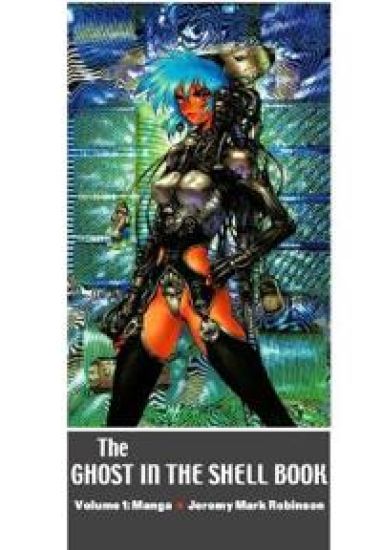
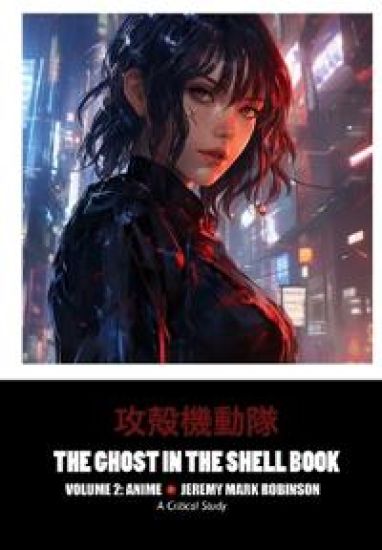
THE GHOST IN THE SHELL BOOKVOLUME 1: MANGAby Jeremy Mark RobinsonThis is a study of the Ghost In the Shell comic by Masamune Shirow (real name Masanori Ota, born in 1961, Kobe, Japan). Shirow is a Japanese artist best known for Ghost In the Shell, Appleseed and Dominion: Tank Police. Masamune Shirow is one of the great creators in the world of Japanese manga and anim - his works have been the basis of several important franchises, with Ghost In the Shell the most famous. Shirow's art is marked by futuristic, cyber-punk settings, fabulous, often eccentric designs, elaborate mecha (such as tanks and mobile suits), attractive warrior women and detailed storytelling (accompanied by his famous, sometimes arcane notes). The impact of the work of Masamune Shirow has been immense in anim and manga: Ghost In the Shell alone led to not one but two classic movies, two outstanding TV series (plus a third, the Arise series), and spin-off movies. Add to that the live-action Ghost of 2017, and more Ghosties on the way. Then there's the Appleseed digital animations and Appleseed cel animation, plus Black Magic, Real Drive, Ghost Hound (Unseen World) and Dominion: Tank Police. It all adds up to a remarkable presence in TV and movies. In cinema, Masamune Shirow's influence is easy to spot in the Star Wars prequels, in the Matrix movies, in Avatar, in Minority Report, in the Avengers series, and in many a superhero flick. The Ghost In the Shell Book: Volume 1: Manga includes a biography; a chapter on the Japanese manga industry; chapters on Shirow's signature work, Ghost In the Shell, including all three comics; and a chapter on cyberculture. Each of the three volumes of Ghost In the Shell are explored in detail, and every chapter of the manga is discussed. Fully illustrated in colour, including many images from Masamune Shirow's manga, including related comics such as Orion and Dominion: Tank Police. The Ghost In the Shell Book is published in two volumes: Volume 1: MangaVolume 2: Anim Hardcover - full colour jacketed laminate cover (bound in hardcover, with a colour flyleaf). Bibliography, resources, and notes. 240 pages.www.crmoon.com

THE GHOST IN THE SHELL BOOKVOLUME 1: MANGAby Jeremy Mark RobinsonThis is a study of the Ghost In the Shell comic by Masamune Shirow (real name Masanori Ota, born in 1961, Kobe, Japan). Shirow is a Japanese artist best known for Ghost In the Shell, Appleseed and Dominion: Tank Police. Masamune Shirow is one of the great creators in the world of Japanese manga and anim - his works have been the basis of several important franchises, with Ghost In the Shell the most famous. Shirow's art is marked by futuristic, cyber-punk settings, fabulous, often eccentric designs, elaborate mecha (such as tanks and mobile suits), attractive warrior women and detailed storytelling (accompanied by his famous, sometimes arcane notes). The impact of the work of Masamune Shirow has been immense in anim and manga: Ghost In the Shell alone led to not one but two classic movies, two outstanding TV series (plus a third, the Arise series), and spin-off movies. Add to that the live-action Ghost of 2017, and more Ghosties on the way. Then there's the Appleseed digital animations and Appleseed cel animation, plus Black Magic, Real Drive, Ghost Hound (Unseen World) and Dominion: Tank Police. It all adds up to a remarkable presence in TV and movies. In cinema, Masamune Shirow's influence is easy to spot in the Star Wars prequels, in the Matrix movies, in Avatar, in Minority Report, in the Avengers series, and in many a superhero flick. The Ghost In the Shell Book: Volume 1: Manga includes a biography; a chapter on the Japanese manga industry; chapters on Shirow's signature work, Ghost In the Shell, including all three comics; and a chapter on cyberculture. Each of the three volumes of Ghost In the Shell are explored in detail, and every chapter of the manga is discussed. Fully illustrated, including many images from Masamune Shirow's manga, including related comics such as Orion and Dominion: Tank Police. The Ghost In the Shell Book is published in two volumes: Volume 1: MangaVolume 2: Anim Hardcover - full colour laminate cover. Bibliography, resources, and notes. 236 pages.www.crmoon.com