Kirjojen hintavertailu – 12 859 819 kirjaa ja 27 kauppaa

Kirjailija

JEREMY MARK ROBINSON

Kirjat ja teokset yhdessä paikassa: 121 kirjaa, julkaisuja vuosilta 2005–2026, suosituimpiin kuuluu J.R.R. Tolkien. Vertaile teosten hintoja ja tarkista saatavuus suomalaisista kirjakaupoista.

121 kirjaa

Kirjojen julkaisuvuodet: 2005–2026.

The Art of Masamune Shirow

The Art of Masamune Shirow

Jeremy Mark Robinson

CRESCENT MOON PUBLISHING
2021
sidottu
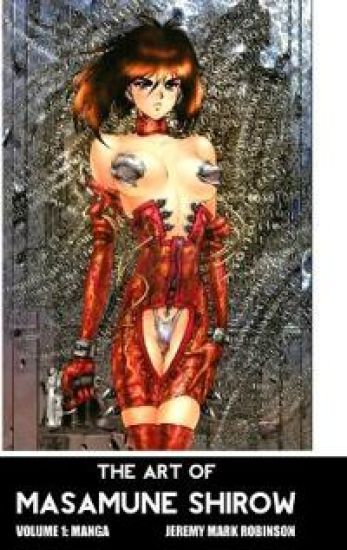
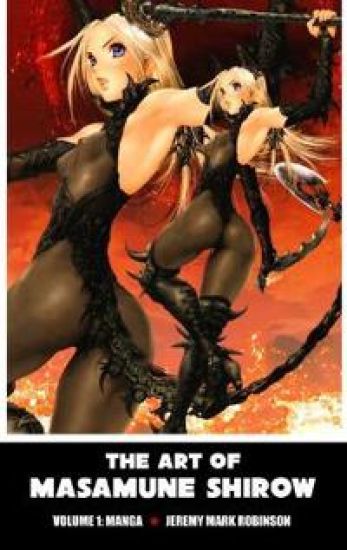
THE ART OF MASAMUNE SHIROWVOLUME 3: EROTICAby Jeremy Mark RobinsonThis is a study of the erotic art of Masamune Shirow (real name Masanori Ota, b. 1961, Kobe, Japan), a Japanese artist best known for the comics and animations Ghost In the Shell, Appleseed and Dominion: Tank Police. Shirow-sensei is one of the great artists in the world of Japanese manga and anim - his works have provided the basis of several important franchises. Masamune Shirow's art is marked by futuristic, cyber-punk settings, fabulous, often eccentric designs, elaborate mecha (such as tanks and mobile suits), voluptuous warrior women and detailed storytelling (accompanied by his famous notes). This is one of the first studies of the erotic art of Masamune Shirow in the West. Eroticism has always been a part of Masamune Shirow's art, from his earliest works. Shirow has produced a significant amount of erotic art since the 1990s in the form of single images (his pin-ups), collections of images with a theme (his calendars and posterbooks), and groups of images with a simple plot (his erotica, published in colour books such as Gallhound, Pieces, Galgrease, Greaseberries, Wild Wet Quest, Wild West Quest, W Tails Cat and Hellhound). The Art of Masamune Shirow: Volume 3: Erotica includes a biography; chapters on Shirow and the Japanese manga industry; Shirow's signature works in erotic art (such as his posterbooks and pin-ups); on the Intron Depot series; on the sexual content found in his well-known works (such as Appleseed and Ghost In the Shell); and on his other manga. Each of Masamune Shirow's erotic publications are studied in this book, including Hellcat (pirates), Hellhound (horror/ fantasy), Galhound (sci-fi), Wild Wet West (cowgirls), Wild Wet Quest (action-adventure), and the Greaseberries series and the W Tails Cat series (sci-fi teams). Fully illustrated (over 300 illustrations), including many images from Masamune Shirow's whole output. There is also a censored version of the book's text. The Art of Masamune Shirow is published in three volumes: Volume 1: MangaVolume 2: Anim Volume 3: EroticaOver 18's only. Hardcover - full colour laminate cover. Bibliography, resources and notes. 544 pages.www.crmoon.com
The Art of Masamune Shirow

The Art of Masamune Shirow

Jeremy Mark Robinson

CRESCENT MOON PUBLISHING
2021
sidottu
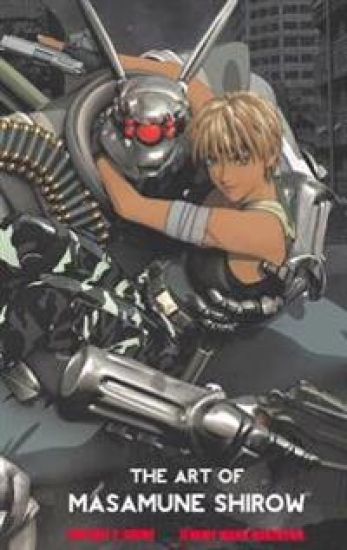
THE ART OF MASAMUNE SHIROWVOLUME 1: MANGAby Jeremy Mark RobinsonThis is a study of the art of Masamune Shirow (real name Masanori Ota, b. 1961, Kobe, Japan), a Japanese artist best known for Ghost In the Shell, Appleseed and Dominion: Tank Police. Masamune Shirow is one of the great creators in the world of Japanese manga and anim - his works have been the basis of several important franchises. Shirow's art is marked by futuristic, cyber-punk settings, fabulous, often eccentric designs, elaborate mecha (such as tanks and mobile suits), attractive warrior women and detailed storytelling (accompanied by his famous, sometimes arcane notes). The Art of Masamune Shirow includes chapters on Shirow's signature works, Appleseed and Ghost In the Shell, and his lesser-known comics, such as Dominion: Tank Police, Orion, Black Magic and Neuro Hard; a biography; Shirow's relation to the Japanese manga industry; and themes such as cyberculture and cyber-punk fiction. The Appleseed comic and the three Ghost In the Shell comics are explored chapter by chapter. Fully illustrated, including many images from Masamune Shirow's whole output, the neglected comics, and Shirow's other works in print publishing, such as the Intron Depot series. The Art of Masamune Shirow is published in three volumes: Volume 1: MangaVolume 2: Anim Volume 3 EroticaHardcover - full colour laminate cover. Bibliography, resources and notes. 384 pages.www.crmoon.com
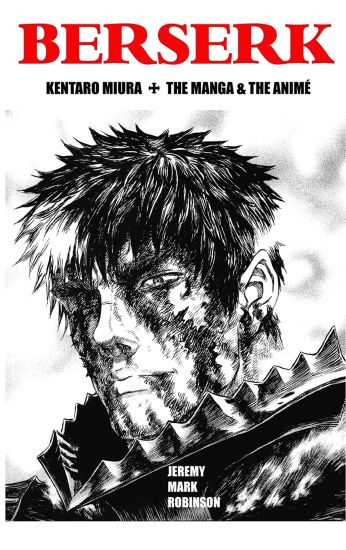
Berserk

Berserk

Jeremy Mark Robinson

CRESCENT MOON PUBLISHING
2021
sidottu

Halvin toimitettuna 58,50 €

B E R S E R KKENTARO MIURA: THE MANGA AND THE ANIM by Jeremy Mark RobinsonThis is a study of the epic fantasy comic Berserk by Kentaro Miura, one of the greatest works of art in print form of any era. Berserk is a best-selling fantasy adventure manga in Japan and overseas. It has been published (in Young Animal Magazine from Hakusensha) since 1989 and is still not complete. Berserk is notable for its truly outstanding artwork and its compelling storytelling, centred on its brooding swordsman, Guts. Berserk is an entire history of the action-adventure genre; it features every permutation of every scenario found in action-based stories. It has battles, duels and monsters a-plenty. Berserk is also a whole history of the graphic possibilities of art; it's one of the celebrated works in comics publishing for its remarkable art, and can stand alongside the finest achievements of telling stories in printed form (such as the 19th century prints of Gustave Dor ). And Berserk is also a shojo manga, with teenage witches, mermaids, princesses, kings, magic and fairies (including the comical fairy sidekick, Puck). In fact, in the chapters of Berserk published since around 2017, Guts and the gang have been holed up on Elf Island, a realm of fairies, elves, witches and wizards (it's Harry Potter and The Lord of the Rings combined with Japanese cherry blossom). And there's a striking lack of mass decapitations, severed limbs, disembowelled horses, gushing blood, slathering monsters and insane demi-gods. Berserk also contains one of the most astonishing set-pieces of sustained action and horror in comics, the Eclipse Ritual. It's the highpoint of the manga. The imagination and artistry on display here is truly awesome. For some Berserk is too extreme - Kentaro Miura certainly goes all out This book also examines the animated adaptations of Kentaro Miura's Berserk saga, starting with the anim series of 1997-1998, through the movies of 2012-2013, up to the latest TV series of 2016-2017. In addition, there is a chapter on Miura's early manga (such as Japan and King of Wolves); and a biography of Miura, and appendices looking at some of Miura's influences. Fully illustrated with over 250 illustrations, including images from Kentaro Miura's other manga, from the anim productions, and from all of the Berserk comic. Hardcover - full colour laminate cover. Bibliography, filmography, resources and notes. 540 pages.www.crmoon.com
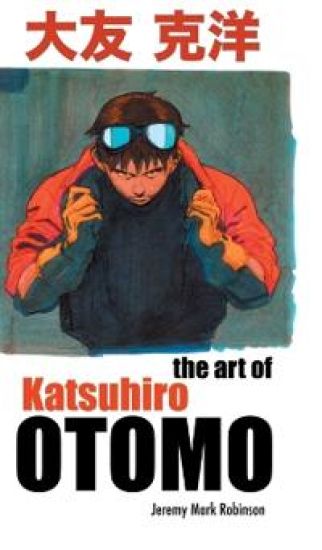
The Art of Katsuhiro Otomo

The Art of Katsuhiro Otomo

Jeremy Mark Robinson

CRESCENT MOON PUBLISHING
2021
sidottu

Halvin toimitettuna 66,40 €

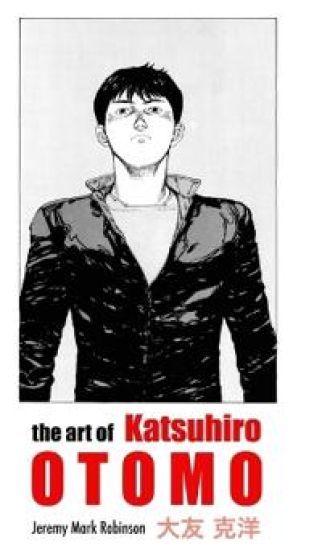
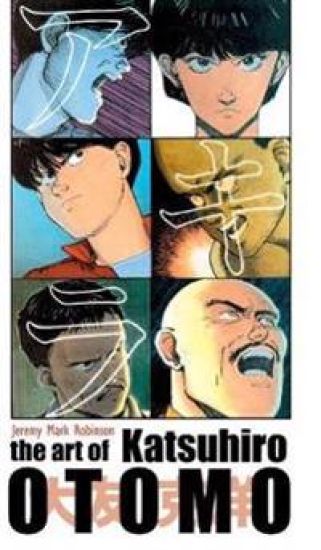
THE ART OF KATSUHIRO OTOMO3rd Editionby Jeremy Mark Robinson This is a book about the genius Japanese artist Katsuhiro Otomo (b. 1954). Best-known for the Akira manga of 1982-90 and the Akira movie of 1988, Otomo is also an all-round artist who writes fiction, writes and directs short and feature movies, produces commercial art, and design projects. Among Otomo's works are the movies Steam-Boy, Mushishi, Metropolis, Memories and Roujin Z, and manga such as Domu, The Legend of Mother Sarah, Hansel and Gretel and Sayonara Japan. The works of Otomo have been celebrated with awards - he won the Kodansha Comic-Strip Award in 1984 for Akira, and the Science Fiction Grand Prix Award in 1983 for Domu. There are very few genuine auteurs in Japanese animation: the animation industry, like all filmmaking on a large scale, is truly collaborative. However, you can definitely see elements in the films directed and written and supervised by Katsuhiro Otomo that are auteurist: Otomo has his own style, visually, but also his own concerns, thematically, politically and psychologically. Akira is a giant of a movie that opens at full blast: this movie rocks from shot one. It really rocks - at a far higher level of intensity than any comparable movie, including all of the classics regularly trotted out as hi-octane movie-making. Akira is clearly one of those movies where the filmmakers have thrown everything they can think of into the mix, and it's a movie in which the filmmakers have given their all. Meanwhile, the manga of Akira exceeds all expectations - about storytelling, about what a comicbook or manga is, about how an action-adventure-fantasy story can work in a contemporary setting, and how a story can be genuinely thrilling, genuinely political, genuinely wild and epic. In short, Akira ticks all of the boxes: (a) it has action and spectacle in spades, (b) it has fascinating characters and situations, (c) it is incredibly exciting, (d) it is very unusual, sometimes downright eccentric and out-there, (e) it is highly politicized, (f) it has plenty to say about living in the modern world, about contemporary, advanced capitalist societies, and (g) it establishes its own world, its own raison d'etre, its own philosophy with supreme self-confidence. Akira is the manga to top all manga, to end all manga. It is a manga designed to go further, louder and crazier than any other manga. And it does Akira delivers on its promise: it really is every bit as great as everybody says it is. The Art of Katsuhiro Otomo includes chapters on: Katsuhiro Otomo's manga and movies; lengthy chapters on every aspect of the Akira movie (animation, sound, music, voices, story, themes, etc); the story of the Akira manga; Otomo's inspirations and inflfiuences; the contemporary anime industry; and a section of the views of critics and fans. This new edition has 70 pages of new material, has been completely rewritten, has an expanded chapter on the Legend of Mother Sarah, and includes new chapters on World Apartment Horror and Freedom, new illustrations, and expanded entries on Otomo's manga and movies. Fully illustrated, including many images from Otomo's whole output, the Akira movie, the Akira manga, Otomo's other works in comics and cinema, and Otomo's inspirations. Hardcover - full colour laminate cover. This edition is revised, and contains 15 pages of new illustrations. Bibliography, resources and notes. 724pp. www.crmoon.com
The Art of Katsuhiro Otomo

The Art of Katsuhiro Otomo

Jeremy Mark Robinson

Crescent Moon Publishing
2018
sidottu
THE ART OF KATSUHIRO OTOMO by Jeremy Mark Robinson This is a book about the genius Japanese artist Katsuhiro Otomo (b. 1954). Best-known for the Akira manga of 1982-90 and the Akira movie of 1988, Otomo is also an all-round artist who writes fiction, writes and directs short and feature movies, produces commercial art, and design projects. Among Otomo's works are the movies Steam-Boy, Mushishi, Metropolis, Memories and Roujin Z, and manga such as Domu, The Legend of Mother Sarah, Hansel and Gretel and Sayonara Japan. The works of Otomo have been celebrated with awards - he won the Kodansha Comic-Strip Award in 1984 for Akira, and the Science Fiction Grand Prix Award in 1983 for Domu. There are very few genuine auteurs in Japanese animation: the animation industry, like all filmmaking on a large scale, is truly collaborative. However, you can definitely see elements in the films directed and written and supervised by Katsuhiro Otomo that are auteurist: Otomo has his own style, visually, but also his own concerns, thematically, politically and psychologically. Akira is a giant of a movie that opens at full blast: this movie rocks from shot one. It really rocks - at a far higher level of intensity than any comparable movie, including all of the classics regularly trotted out as hi-octane movie-making. Akira is clearly one of those movies where the filmmakers have thrown everything they can think of into the mix, and it's a movie in which the filmmakers have given their all. Meanwhile, the manga of Akira exceeds all expectations - about storytelling, about what a comicbook or manga is, about how an action-adventure-fantasy story can work in a contemporary setting, and how a story can be genuinely thrilling, genuinely political, genuinely wild and epic. In short, Akira ticks all of the boxes: (a) it has action and spectacle in spades, (b) it has fascinating characters and situations, (c) it is incredibly exciting, (d) it is very unusual, sometimes downright eccentric and out-there, (e) it is highly politicized, (f) it has plenty to say about living in the modern world, about contemporary, advanced capitalist societies, and (g) it establishes its own world, its own raison d'etre, its own philosophy with supreme self-confidence. Akira is the manga to top all manga, to end all manga. It is a manga designed to go further, louder and crazier than any other manga. And it does Akira delivers on its promise: it really is every bit as great as everybody says it is. The Art of Katsuhiro Otomo includes chapters on: Katsuhiro Otomo's manga and movies; lengthy chapters on every aspect of the Akira movie (animation, sound, music, voices, story, themes, etc); the story of the Akira manga; Otomo's inspirations and inflfiuences; the contemporary anime industry; and a section of the views of critics and fans. Fully illustrated, including many images from Otomo's whole output, the Akira movie, the Akira manga, Otomo's other works in comics and cinema, and Otomo's inspirations. Hardcover - full colour laminate cover. This edition is revised, and contains extra illustrations. Bibliography, resources and notes. 644 pages. www.crmoon.com
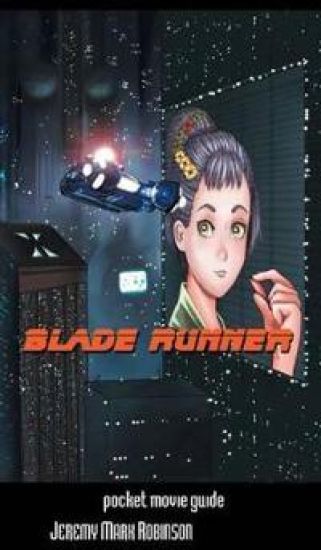
Blade Runner

Blade Runner

Jeremy Mark Robinson

Crescent Moon Publishing
2018
pokkari
BLADE RUNNER: POCKET MOVIE GUIDE By Jeremy Mark Robinson This book is a guide to the 1982 movie made from Do Androids Dream of Electric Sheep? by Philip K. Dick - Blade Runner. A thorough exploration of Blade Runner forms the core of the book, looking at the conception, production, themes, critical reception and influence of the 1982 Warner Brothers movie in every detail. Philip Kindred Dick (1928-1982) was a key figure in 20th century science fiction, famous for embracing drugs and the counter-culture in his work. Dick's fiction includes The Man In the High Castle, Flow My Tears, The Policeman Said, A Scanner Darkly, The Three Stigmata of Palmer Eldritch, Do Androids Dream of Electric Sheep?, Valis, The Divine Invasion, Martian Time-Slip, The Minority Report, and We Can Remember It For You Wholesale. Dick's themes included perception and reality, drugs, state control, global capitalism, surveillance, and paranoia. On its initial release, Blade Runner grossed $27 million in the United States, placing it no. 16 in that year's box office chart (it was released on June 25, 1982, in 1,290 theatres in the U. S. A.). 1982 was the year, of course, of E. T. The films that came in way behind Steven Spielberg's Universal fantasy were Tootsie at no. 2, An Officer and a Gentleman third, and Rocky 3 in fourth place. Other sci-fi and fantasy flicks in 1982 included Star Trek 2, Conan the Barbarian, Mad Max 2 and The Thing. Blade Runner is often trotted out as another big, important picture that flopped on its theatrical release. That isn't quite true, but it certainly wasn't a hit movie by any standards. The opening weekend was pretty good, but the movie seemed to fade away rapidly after that. Many reviewers and critics came out against Blade Runner on its first release, including Roger Ebert, Pauline Kael, Sheila Benson, and Janet Maslin. 'Muddled', 'gruesome', 'pretentious' and 'overheated' were some of the words used to describe it. Since then, Blade Runner has rightly achieved cult as well as classic status. Its influence on science fiction and sci-fi cinema has been enormous (this book looks at some of the movies inspired by Blade Runner, including Ghost In the Shell, Akira, Brazil and Batman). The text has been revised for this edition. Fully illustrated, with new images for this edition. Bibliography, filmography and notes. Pocket size in a full colour cover. www.crmoon.com
The Devils

The Devils

Jeremy Mark Robinson

Crescent Moon Publishing
2018
pokkari
THE DEVILS: KEN RUSSELL: POCKET MOVIE GUIDE By Jeremy Mark Robinson. The Devils is a celebrated 1971 picture based on the Loudun demonology trials in the 17th century, scripted by Ken Russell from Aldous Huxley's The Devils of Loudun (1952) and the 1961 play by John Whiting (1918-63). The Devils was undoubtedly director Russell's most notorious hour. It was the site of conflicts between the filmmakers, the American film studio (Warners), the censors and the critics. A tour-de-force of direction (and organization and production), the most significant contribution to The Devils may well be the screenplay - and Ken Russell has the screen credit for the script. Which makes The Devils all the more remarkable. (And as if writing the script and directing the movie wasn't enough, Russell also co-produced it.) It's clear from the first few minutes of The Devils that Ken Russell was on fire as a filmmaker when he made this picture (he was certainly on fire at the period in his film career - not only The Devils but also The Music Lovers and The Boy Friend were playing at the same time in central London theatres. Incredible - I can't think of another British movie-maker with three big (and very different) movies in release at the same time). Ken Russell was happy with what he'd achieved in The Devils: 'The Devils is the most successful film I've done, insofar as what I expected is there. The effects I aimed at seemed to work'. In The Devils, Russell was operating with a giant canvas, and you can see that the director is in complete control of the form, and of this movie (which gives the audience confident in the storytellers; this movie really knows what it's doing). This book about The Devils contains lengthy chapters on every aspect of director Ken Russell. A filmmaker like no other, Russell remains one of cinema's extraordinary talents, a creator of masterpieces such as The Devils, Tommy and The Music Lovers, and a body of work that flies from the pastoral, Romantic lyricism of Delius: Song of Summer and Elgar to the wild extremes of Lisztomania, Altered States and Mahler. Includes: filmographies; resources; video and DVD availability; quotes from Russell; and fans on The Devils. Fully illustrated, including many images of the movie, and Ken Russell's cinema. Bibliography and notes. ISBN 9781861717368. 244 pages.www.crmoon.com JEREMY MARK ROBINSON has written many critical studies, including Hayao Miyazaki, Arthur Rimbaud, Jean-Luc Godard, and The Sacred Cinema of Andrei Tarkovsky, plus literary monographs on: J. R. R. Tolkien; Samuel Beckett; Thomas Hardy; Andr Gide; Robert Graves; and Lawrence Durrell. It's amazing for me to see my work treated with such passion and respect. There is nothing resembling it in the U. S. in relation to my work. Andrea Dworkin (on Andrea Dworkin) This model monograph - it is an exemplary job, and I'm very proud that he has accorded me a couple of mentions... The subject matter of his book is beautifully organised and dead on beam. Lawrence Durrell (on The Light Eternal: A Study of J. M. W. Turner)
The Akira Book

The Akira Book

Jeremy Mark Robinson

Crescent Moon Publishing
2017
sidottu
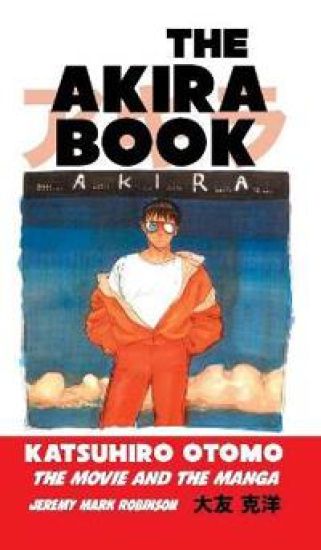
THE AKIRA BOOK KATSUHIRO OTOMO: THE MOVIE AND THE MANGA: A CRITICAL STUDY by Jeremy Mark Robinson This is a book about Akira - the manga of 1982-90 and the movie of 1988, and about the creator of Akira, the genius artist Katsuhiro Otomo (b. 1954). There are very few genuine auteurs in Japanese animation: the animation industry, like all filmmaking on a large scale, is truly collaborative. However, you can definitely see elements in the films directed and written and supervised by Katsuhiro Otomo that are auteurist: Otomo has his own style, visually, but also his own concerns, thematically, politically and psychologically. Akira is a GIANT of a movie that opens at full blast: this movie rocks from shot one. It really rocks - at a far higher level of intensity than any comparable movie, including all of the classics regularly trotted out as hi-octane movie-making. Akira is clearly one of those movies where the filmmakers have thrown everything they can think of into the mix, and it's a movie in which the film-makers have given their all. Meanwhile, the manga of Akira exceeds all expectations - about storytelling, about what a comicbook or manga is, about how an action-adventure-fantasy story can work in a contemporary setting, and how a story can be genuinely thrilling, genuinely political, genuinely wild and epic. In short, Akira ticks all of the boxes: (a) it has action and spectacle in spades, (b) it has fascinating characters and situations, (c) it is incredibly exciting, (d) it is very unusual, sometimes downright eccentric and out-there, (e) it is highly politicized, (f) it has plenty to say about living in the modern world, about contemporary, advanced capitalist societies, and (g) it establishes its own world, its own raison d'etre, its own philosophy with supreme self-confidence. Akira is the manga to top all manga, to end all manga. It is a manga designed to go further, louder and crazier than any other manga. And it does Akira delivers on its promise: it really is every bit as great as everybody says it is. Volume one of the manga of Akira was published in Young Magazine in 1982-83, by Kodansha (one of the big three among manga publishers in Japan - the other two are Sogakkan and Shueisha), when Katsuhiro Otomo was 28. The Akira Book includes chapters on: Katsuhiro Otomo's other manga and movies; his inspirations and influences; the contemporary anime industry; and a section of the views of critics and fans. Every aspect of the Akira movie is explored (animation, sound, music, voices, story, themes, etc). Fully illustrated, including many images of the Akira movie, the Akira manga, Otomo's other works in comics and cinema, Otomo's inspirations, etc. Bibliography, resources and notes. Available in both hardcover and paperback. 760 pages. www.crmoon.com
The Art of Katsuhiro Otomo

The Art of Katsuhiro Otomo

Jeremy Mark Robinson

Crescent Moon Publishing
2017
sidottu
THE ART OF KATSUHIRO OTOMO by Jeremy Mark Robinson This is a book about the genius Japanese artist Katsuhiro Otomo (b. 1954). Best-known for the Akira manga of 1982-90 and the Akira movie of 1988, Otomo is also an all-round artist who writes fiction, writes and directs short and feature movies, produces commercial art, and design projects. Among Otomo's works are the movies Steam-Boy, Mushishi, Metropolis, Memories and Roujin Z, and manga such as Domu, The Legend of Mother Sarah, Hansel and Gretel and Sayonara Japan. The works of Otomo have been celebrated with awards - he won the Kodansha Comic-Strip Award in 1984 for Akira, and the Science Fiction Grand Prix Award in 1983 for Domu. There are very few genuine auteurs in Japanese animation: the animation industry, like all filmmaking on a large scale, is truly collaborative. However, you can definitely see elements in the films directed and written and supervised by Katsuhiro Otomo that are auteurist: Otomo has his own style, visually, but also his own concerns, thematically, politically and psychologically. Akira is a giant of a movie that opens at full blast: this movie rocks from shot one. It really rocks - at a far higher level of intensity than any comparable movie, including all of the classics regularly trotted out as hi-octane movie-making. Akira is clearly one of those movies where the filmmakers have thrown everything they can think of into the mix, and it's a movie in which the filmmakers have given their all. Meanwhile, the manga of Akira exceeds all expectations - about storytelling, about what a comicbook or manga is, about how an action-adventure-fantasy story can work in a contemporary setting, and how a story can be genuinely thrilling, genuinely political, genuinely wild and epic. In short, Akira ticks all of the boxes: (a) it has action and spectacle in spades, (b) it has fascinating characters and situations, (c) it is incredibly exciting, (d) it is very unusual, sometimes downright eccentric and out-there, (e) it is highly politicized, (f) it has plenty to say about living in the modern world, about contemporary, advanced capitalist societies, and (g) it establishes its own world, its own raison d'etre, its own philosophy with supreme self-confidence. Akira is the manga to top all manga, to end all manga. It is a manga designed to go further, louder and crazier than any other manga. And it does Akira delivers on its promise: it really is every bit as great as everybody says it is. The Art of Katsuhiro Otomo includes chapters on: Katsuhiro Otomo's manga and movies; lengthy chapters on every aspect of the Akira movie (animation, sound, music, voices, story, themes, etc); the story of the Akira manga; Otomo's inspirations and inflfiuences; the contemporary anime industry; and a section of the views of critics and fans. Fully illustrated, including many images from Otomo's whole output, the Akira movie, the Akira manga, Otomo's other works in comics and cinema, and Otomo's inspirations. Bibliography, resources and notes. 632 pages. www.crmoon.com
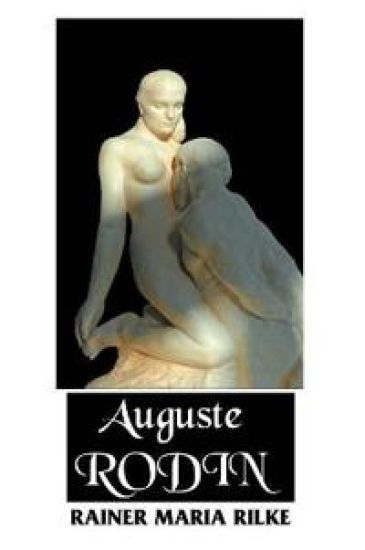
Auguste Rodin

Auguste Rodin

Rainer Maria Rilk; Jessie Lamont; Jeremy Mark Robinson

Crescent Moon Publishing
2017
pokkari
RAINER MARIA RILKE: AUGUSTE RODIN Translated by Jessie Lamont and Hans Trausil Edited by Jeremy Mark Robinson A new edition of Rainer Maria Rilke's monograph on the French sculptor Auguste Rodin, a book first published in 1919. It is fully illustrated, with works by Rodin, and portraits of Rilke. Includes illustrations, an introduction, a note on Rilke, and a bibliography. www.crmoon.com Rainer Maria Rilke (1875-1926) is one of the greatest of all lyrical poets. Rilke is part of that group of European poets and writers which includes Friedrich Nietzsche, Arthur Rimbaud, Georg Trakl, Marina Tsvetajeva, and friends such as Andre Gide, Lou Andreas-Salome and Paul Valery. Rilke was an incredibly inventive creator of poetry, who could forge the myriad states and images of love, from the delicate, detailed and subtle, to the passionate, illuminating and ecstatic. Fully illustrated. With bibliography and notes. 124 pages.