Kirjojen hintavertailu – 12 903 725 kirjaa ja 27 kauppaa
Kirjailija
Jesse Harasta
Kirjat ja teokset yhdessä paikassa: 82 kirjaa, julkaisuja vuosilta 2013–2019, suosituimpiin kuuluu A História da Separação entre Sunitas e Xiitas: Compreender as Divisões no seio do Islão.. Vertaile teosten hintoja ja tarkista saatavuus suomalaisista kirjakaupoista.
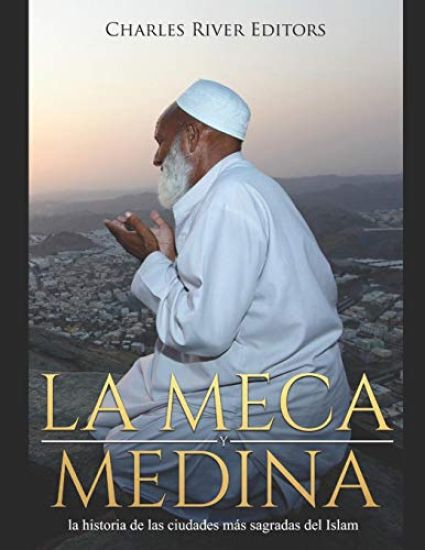
La raz n de la existencia de la mayor a de las ciudades del mundo es obvia para el estudiante de Geograf a: Nueva York y Shanghai controlan puertos profundos y se levantan a ambos lados de grandes r os que traen mercanc as del interior; Par s y Londres se hallan en los puntos de cruce de r os que atraviesan todo el pa s; Johannesburgo se asienta sobre una gran monta a de mineral de oro, y Mosc y Madrid se levantan en el coraz n de sus grandes naciones, y son capaces de controlar incluso los rincones m s distantes de sus respectivos territorios. La Meca sin embargo, es diferente, ya que la ciudad existe nicamente porque es sagrada. Incluso siglos antes del nacimiento del profeta Mahoma, los l deres de La Meca determinaron que su ciudad ser a el lugar sagrado preeminente de Arabia occidental y establecieron una tregua para los peregrinos en la ciudad. Debido a este proceso, uno de los efectos fue que La Meca se convirtir a en un centro para algo que hoy en d a llamar amos turismo, ya que incluso los visitantes de la antig edad necesitaban lugares para comer, beber y dormir. Al mismo tiempo, pod an hacer ofrendas en los templos y marcharse de La Meca con recuerdos de su tiempo. A muchos tambi n les parec a conveniente llevar sus productos a los mercados de La Meca, donde pod an encontrar visitantes que tra an mercader as interesantes de toda la regi n, y la ciudad tambi n disfrutaba de estatus de centro de comercio. La Meca siempre ha sido fundamental para la fe, pero ha tenido una historia geopol tica turbulenta, tanto por los conflictos dentro del Islam como entre las naciones vecinas en el Medio Oriente. Como resultado, su historia a menudo es pasada por alto, incluso cuando la mayor a de la gente est familiarizada con la ciudad. Medina, sin embargo, es completamente diferente. Incluso siglos antes del nacimiento del profeta Mahoma, los jud os se asentaron en la zona para escapar de la persecuci n a manos de los babilonios y los romanos, es decir, la zona y su entorno rido trajeron gente precisamente porque no era un rea atractiva o rica en recursos naturales. De hecho, la ciudad destinada a convertirse en la segunda ciudad m s sagrada del Islam gan ese sitio simplemente por quedar de paso en las rutas comerciales a la ciudad religiosa de La Meca, que atrajo mercaderes y peregrinos en un n mero lo suficientemente grande como para convertirla en un centro comercial. Por supuesto, La Meca es m s conocida por ser la ciudad m s sagrada del Islam, y es venerada como el lugar de nacimiento de Mahoma y el lugar donde Allah le revel el Cor n por primera vez. Sin embargo, el Profeta pas mucho tiempo en Medina, especialmente cuando l y sus partidarios se encontraron en conflicto con los habitantes de la Meca. Usando Medina como base, Mahoma finalmente tom la Meca, y ambas ciudades se convirtieron en partes integrales del Califato que sigui . Esto signific que incluso cuando la historia trajo cambios geopol ticos, Medina sigui siendo una ciudad de importancia religiosa para todos los musulmanes, y aunque a menudo se pasa por alto su turbulenta historia, muchas personas siguen muy familiarizadas con la ciudad.
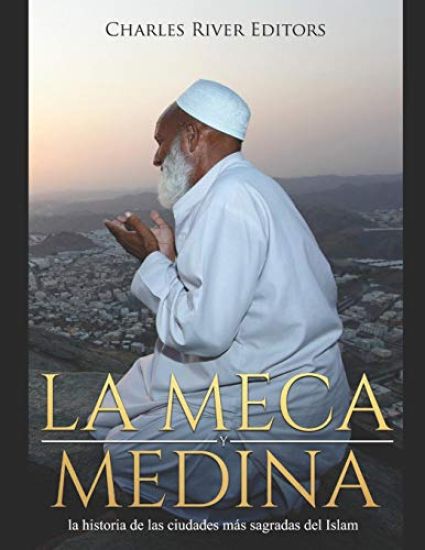

*Includes pictures *Includes online resources and a bibliography for further reading The reason for the existence of most of the world's cities is obvious to the student of geography. New York and Shanghai control deep ports and straddle great rivers bringing trade from the interior; Paris and London are at the crossing points of major cross-country rivers; Johannesburg sits atop a great mountain of gold ore; and Moscow and Madrid are at the heart of their great nations, easily able to control even the more distant corners of the land. Mecca, however, is different, as the city exists solely because it is holy. Even centuries before the birth of the Prophet Muhammad, the leaders of Mecca established that their city was the pre-eminent holy site in western Arabia and established a truce for pilgrims to the city. In the process, one effect of this was that Mecca became a center for might today be described as tourism, as even ancient visitors needed places for food, water, and sleep. At the same time, they could make offerings in the temples and leave with mementos of their time in Mecca. Many also found it convenient to bring their trade goods to the markets of Mecca, where they could find visitors bringing interesting wares from across the region, and the city also enjoyed the status of a trade center. Of course, Mecca is now best known for being Islam's holiest city, revered as the birthplace of Muhammad and the site where Allah first revealed the Qu'ran to him. Within Mecca is the Ka'aba, a building housed within the Al-Masjid al-Haram (Great Mosque) that is considered the holiest site, and wherever they are in the world, Muslims face in the direction of the Ka'aba while praying. A pilgrimage to Mecca is considered a necessity for devout Muslims at some point in their lives, and the city itself is off limits to non-Muslims. Indeed, Mecca is so integral to Islam that the name of the city has entered the English lexicon and is a commonplace reference to any area closely associated with something (such as Paris often being called the mecca of fashion). Even centuries before the birth of the Prophet Muhammad, Jews settled in the area that became Medina to escape persecution at the hands of the Babylonians and Romans, meaning the area and its arid environment brought inhabitants precisely because it wasn't an attractive or resource rich area. In fact, the city fated to become the second holiest city in Islam earned that spot simply by straddling trade routes to the religious city of Mecca, which brought traders and pilgrims in large enough numbers to make it a trade center. While people in the West are more familiar with Jerusalem's importance to Jews and Christians, Jerusalem's particular importance to the religion of Islam is without question one of the major sticking points in the Israeli-Palestinian conflict. Prior to Israeli control, Jerusalem had been predominantly controlled by Muslim rulers since the 7th century and had been used as a type of political currency, legitimizing the ruling dynasty's claim over the city. This right of control by Muslims was viewed no more differently than control over Mecca and Medina in the Arabian Peninsula. For the world's Muslim population, Jerusalem is a holy site because Muslims believe the Prophet Muhammad visited Jerusalem where he ascended to heaven during the famous "Night Journey." There was also a period of time during the Prophet's life when Muslims prayed in the direction of Jerusalem, as opposed to Mecca. Just as in Judaism and Christianity, Jerusalem plays a central role in End of Days prophecies in Islamic theology. As a result, Jerusalem has been an important symbol for Muslims for nearly 1,300 years, and it has played a crucial political role throughout the history of Islamic civilization as this important city has passed from ruler to ruler and dynasty to dynasty.
Diferentes ramas de la misma religi n son la excepci n m s que la regla, y han tenido un profundo impacto en la historia. El cisma entre las iglesias ortodoxa y cat lica influy en las relaciones entre las naciones de toda Europa, y la intolerancia religiosa basada en diferentes creencias cristianas llev a la persecuci n y la violencia por todo el continente durante siglos. La Reforma Protestante dividi el cristianismo a n m s, y los resultados culminaron en la incre blemente destructiva Guerra de los Treinta A os en el siglo XVII. Hoy, la divisi n religiosa m s importante es entre los sunitas y los chi es (chi tas) dentro del Islam. A diferencia de las divisiones en otras religiones (entre jud os conservadores y ortodoxos o cat licos y cristianos protestantes) la divisi n entre los sunitas y los chi es ha existido desde hace tanto como la propia fe, y surgi r pidamente de las tensiones creadas por la crisis pol tica despu s de la muerte del Profeta Mahoma. En cierto sentido, lo que ahora son dos formas diferentes de Islam inicialmente comenz como facciones pol ticas dentro del cuerpo unificado de creyentes musulmanes. En los ltimos siglos, los cristianos han sido en su mayor a capaces de vivir junto a sus correligionarios, pero la divisi n entre los sunitas y los chi es es todav a tan pronunciada que muchos adherentes de cada rama se ven con desd n o incluso como ap statas o no creyentes La divisi n religiosa es quiz s la l nea de falla m s importante en el turbulento Medio Oriente de hoy, con naciones sunitas como Egipto y Arabia Saudita en desacuerdo con naciones chi es como Ir n. En niveles inferiores, grupos no estatales como el Estado Isl mico y Hezbollah est n luchando entre s en formas que cruzan l neas estatales en lugares como L bano, Irak y Siria. Aunque t cnicamente es una divisi n en la religi n, la divisi n ha tenido ramificaciones globales sustanciales durante d cadas, y parece que no hay fin a la vista. La historia de la divisi n sun y chi traza los or genes de la divisi n y los efectos hist ricos de la divisi n principal dentro del Islam. Junto con fotos de personas importantes, lugares y eventos, aprender s sobre la historia de los sunitas y chi es como nunca antes, en muy poco tiempo.
*Includes pictures *Describes the history and archaeology at each site *Includes a bibliography for further reading Many ancient civilizations have influenced and inspired people in the 21st century, like the Greeks and the Romans, but of all the world's civilizations, none have intrigued people more than the Mayans, whose culture, astronomy, language, and mysterious disappearance all continue to captivate people. At the heart of the fascination is the most visited and the most spectacular of Late Classic Maya cities: Chich n Itz . Chich n Itz was inhabited for hundreds of years and was a very influential center in the later years of Maya civilization. At its height, Chich n Itz may have had over 30,000 inhabitants, and with a spectacular pyramid, enormous ball court, observatory and several temples, the builders of this city exceeded even those at Uxmal in developing the use of columns and exterior relief decoration. Of particular interest at Chich n Itz is the sacred cenote, a sinkhole was a focus for Maya rituals around water. Because adequate supplies of water, which rarely collected on the surface of the limestone based Yucatan, were essential for adequate agricultural production, the Maya here considered it of primary importance. Underwater archaeology carried out in the cenote at Chich n Itz revealed that offerings to the Maya rain deity Chaac (which may have included people) were tossed into the sinkhole. Early Mayap n was closely connected to the overshadowing power of the region at the time: the mighty trading city of Chich n Itz . Mayap n emerged first as a minor settlement in the orbit of Chich n, but it slowly came to replace it after the larger city's trade connections with the Toltecs of Tula crumbled and it suffered a staggering defeat by Mayap n's armies. The building styles and art in their city show both admiring references to the great Chich n Itz as well as an attempt to position Mayap n as a more orthodox heir of Maya tradition. At the same time, they emulated many features and could not escape the tremendous influences - especially in religion - of Chich n. This is seen in the fact that many of the most important buildings in the new city appear to be small-scale reproductions of ones in Chich n. The Maya maintained power in the Yucatan for over a thousand years, and at the height of its "Classical era" (3rd-9th centuries CE), the city of Tikal was one of the power centers of the empire. Archaeologists believe Tikal had been built as early as the 5th or 4th century BC, and eventually it became a political, economic and military capital that was an important part of a far-flung network across Mesoamerica, despite the fact it was seemingly conquered by Teotihuacan in the 4th century CE. It seems the foreign rulers came to assimilate Mayan culture, thus ensuring Tikal would continue to be a power base, and as a result, the city would not be abandoned until about the 10th century CE. During the Maya's Classical era, the city of Uxmal was one of its most noteworthy places. While it was not as powerful as cities like Tikal, Uxmal was apparently at the forefront of Mayan culture, particularly when it came to architecture. However, while Uxmal used high ground to display its prominence, and the ruins are still among the most popular places for tourists in the region, the site is still shrouded in mystery. Even as scholars continue to work on the site to further interpret it, it's still unclear when exactly Uxmal was founded, how many people called it home, and when it was abandoned, despite the existence of Mayan chronicles and oral legends. What is apparent, however, is the skills of Uxmal's artisans, whether through constructing structures like the five-level Pyramid of Magicians and the expansive Governor's Palace or adorning the structures with precisely detailed art and sculptures. In fact, the craftsmanship can be credited with helping to preserve Uxmal itself.
*Includes pictures. *Explains the history of Tenochtitlan from its founding to its destruction by Cortes and the Spanish. *Includes descriptions of Tenochtitlan by Spanish conquistadors, including Cortes' 1520 letter to Holy Roman Emperor Charles V. *Describes the layout of Tenochtitlan and its important structures. *Includes footnotes and a bibliography for further reading. "When we saw so many cities and villages built in the water and other great towns on dry land... we were amazed and said that it was like the enchantments they tell of in the legend of Amadis, on account of the great towers and buildings rising from the water and all built of masonry. And some of our soldiers even asked whether the things that we saw were not a dream... I do not know how to describe it, seeing things as we did that had never been heard of or seen before, not even dreamed about." - Bernal D az del Castillo Mexico City is now easily the largest city in the Western Hemisphere, trailing only Tokyo internationally, but unlike the other great cities of the Americas, Mexico City is not a new place. Mexico City instead has much in common with cities like London, Delhi or Cairo in the East in that it is an ancient city dating back centuries before the arrival of Colombus in Hispa ola. For, while much (including the name) has changed, Mexico City is the mighty Tenochtitlan, capital of the Aztec Empire and the great American metropolis of the Spanish Empire. There has been no break in occupation, and despite much devastation in the Conquest, the city was never fully destroyed. Indeed, from the moment Spanish conquistador Hernan Cort s first found and confronted them, the Aztecs have fascinated the world, and they continue to hold a unique place both culturally and in pop culture. Nearly 500 years after the Spanish conquered their mighty empire, the Aztecs are often remembered today for their major capital, Tenochtitlan, as well as being fierce conquerors of the Valley of Mexico who often engaged in human sacrifice rituals. But thanks to the Spanish conquest, even though the Aztecs continue to interest people across the world centuries after their demise, it has fallen on archaeologists and historians to try to determine the actual history, culture, and lives of the Aztecs from the beginning to the end, relying on excavations, primary accounts, and more. Much of what is known today does come from the Conquistadores, and what those men encountered was entirely unexpected: one of the world's greatest cities, teeming with over 200,000 people, built on an island on a lake and connected to the shore by a number of long, broad stone causeways. On the water itself were remarkable floating gardens, on surrounding shorelines were sprawling suburbs, and behind them was a dramatic wall of mountain peaks. Tenochtitlan: The History of the Aztec's Most Famous City comprehensively covers the history of the city, examining what life was like in the great city, who ruled the city, and what the day-to-day existence of all sorts of Tenocha (people of the city) was like. Along with pictures and a bibliography, you will learn about Tenochtitlan like you never have before, in no time at all.
*Includes pictures *Includes footnotes and a bibliography for further reading *Includes a table of contents "There is no doubt in the sanctity of Mecca, but a donkey won't become a Hajj pilgrim by just going through the motions." - Rahman Baba The reason for the existence of most of the world's cities is obvious to the student of geography. New York and Shanghai control deep ports and straddle great rivers bringing trade from the interior; Paris and London are at the crossing points of major cross-country rivers; Johannesburg sits atop a great mountain of gold ore; and Moscow and Madrid are at the heart of their great nations, easily able to control even the more distant corners of the land. Mecca, however, is different, as the city exists solely because it is holy. Even centuries before the birth of the Prophet Muhammad, the leaders of Mecca established that their city was the pre-eminent holy site in western Arabia and established a truce for pilgrims to the city. In the process, one effect of this was that Mecca became a center for might today be described as tourism, as even ancient visitors needed places for food, water, and sleep. At the same time, they could make offerings in the temples and leave with mementos of their time in Mecca. Many also found it convenient to bring their trade goods to the markets of Mecca, where they could find visitors bringing interesting wares from across the region, and the city also enjoyed the status of a trade center. Of course, Mecca is now best known for being Islam's holiest city, revered as the birthplace of Muhammad and the site where Allah first revealed the Qu'ran to him. Within Mecca is the Ka'aba, a building housed within the Al-Masjid al-Haram (Great Mosque) that is considered the holiest site, and wherever they are in the world, Muslims face in the direction of the Ka'aba while praying. A pilgrimage to Mecca is considered a necessity for devout Muslims at some point in their lives, and the city itself is off limits to non-Muslims. Indeed, Mecca is so integral to Islam that the name of the city has entered the English lexicon and is a commonplace reference to any area closely associated with something (such as Paris often being called the mecca of fashion). Mecca has always been central to the faith, but it has had a somewhat turbulent geopolitical history, both because of conflicts within Islam and among neighboring nations in the Middle East. As a result, its history is often overlooked, even as most people are quite familiar with the city. Mecca: The History of Islam's Holiest City traces the history of the most important site in Islam. Along with pictures depicting important people, places, and events, you will learn about Mecca like never before, in no time at all.
*Includes pictures *Includes a history of the region and religion before Islam *Includes footnotes and a bibliography for further reading *Includes a table of contents "There is no doubt in the sanctity of Mecca, but a donkey won't become a Hajj pilgrim by just going through the motions." - Rahman Baba "Whenever the Prophet...returned from a journey and observed the walls of Madinah, he would make his Mount go fast, and if he was on an animal (i.e. a horse), he would make it gallop because of his love for Madinah." - Sahih Bukhari - Book 30: Hadith 110 The reason for the existence of most of the world's cities is obvious to the student of geography. New York and Shanghai control deep ports and straddle great rivers bringing trade from the interior; Paris and London are at the crossing points of major cross-country rivers; Johannesburg sits atop a great mountain of gold ore; and Moscow and Madrid are at the heart of their great nations, easily able to control even the more distant corners of the land. Mecca is quite different, as the city exists solely because it is holy. Even centuries before the birth of the Prophet Muhammad, the leaders of Mecca established that their city was the pre-eminent holy site in western Arabia and established a truce for pilgrims to the city. In the process, one effect of this was that Mecca became a center for might today be described as tourism, as even ancient visitors needed places for food, water, and sleep. At the same time, they could make offerings in the temples and leave with mementos of their time in Mecca. Many also found it convenient to bring their trade goods to the markets of Mecca, where they could find visitors bringing interesting wares from across the region, and the city also enjoyed the status of a trade center. Of course, Mecca is now best known for being Islam's holiest city, revered as the birthplace of Muhammad and the site where Allah first revealed the Qu'ran to him. Within Mecca is the Ka'aba, a building housed within the Al-Masjid al-Haram (Great Mosque) that is considered the holiest site, and wherever they are in the world, Muslims face in the direction of the Ka'aba while praying. A pilgrimage to Mecca is considered a necessity for devout Muslims at some point in their lives, and the city itself is off limits to non-Muslims. Indeed, Mecca is so integral to Islam that the name of the city has entered the English lexicon and is a commonplace reference to any area closely associated with something (such as Paris often being called the mecca of fashion). Mecca has always been central to the faith, but it has had a somewhat turbulent geopolitical history, both because of conflicts within Islam and among neighboring nations in the Middle East. As a result, its history is often overlooked, even as most people are quite familiar with the city. Even centuries before the birth of the Prophet Muhammad, Jews settled in the area that became Medina to escape persecution at the hands of the Babylonians and Romans, meaning the area and its arid environment brought inhabitants precisely because it wasn't an attractive or resource rich area. In fact, the city fated to become the second holiest city in Islam earned that spot simply by straddling trade routes to the religious city of Mecca, which brought traders and pilgrims in large enough numbers to make it a trade center. While Mecca was Muhammad's birthplace, the Prophet spent a great deal of time in Medina, especially when he and his supporters found themselves in conflict with the Meccans. Using Medina as a base, Muhammad eventually took Mecca, and both cities became integral parts of the Caliphate that followed. This meant that even as history brought geopolitical changes, Medina remained a city of religious significance for all Muslims. Mecca and Medina: The History of Islam's Holiest Cities traces the history of the second most important cities in Islam.
En 1911, el historiador estadounidense Hiram Bingham public el hallazgo de lo que en aquel momento era considerado una "ciudad perdida" inca. Aunque los habitantes locales ya la conoc an desde hac a un siglo, Bingham document y fotografi las ruinas de un asentamiento del siglo XV establecido a lo largo de una cresta monta osa sobre el valle de Urubamba en Per , colocado tan perfectamente desde un punto de vista defensivo que se cree que los espa oles nunca lo conquistaron y puede que nunca lo conocieran. Hoy en d a, por supuesto, Machu Picchu es uno de los mejores puntos tur sticos de Am rica del Sur, y las ruinas han sido incluso votadas como una de las Siete Nuevas Maravillas del Mundo. Pero a pesar de que Machu Picchu es ahora la m s conocida de todas las ruinas incas, su funci n en la civilizaci n inca a n no est clara. Algunos han especulado que era un puesto de avanzada o una ciudadela fronteriza, mientras que otros creen que es un santuario o un centro de trabajo para las mujeres. Otros sugieren que era un centro ceremonial o tal vez el ltimo refugio de los incas despu s de la conquista espa ola. Una de las teor as a tener en cuenta es que Machu Picchu era la vivienda de verano de la corte real de los incas, la versi n inca de Versalles. Como sucedi con el cambio de nombre de las ruinas mayas y aztecas, los nombres dados a diversas estructuras por los arque logos son puramente imaginarios y por lo tanto no muy tiles; por ejemplo, el mausoleo, el palacio o la torre de vigilancia en Machu Picchu puede que no hubieran sido nada de eso. Lo que est claro en Machu Picchu es que el plan urbano y las t cnicas de construcci n empleadas segu an a los de otros asentamientos incas, particularmente la capital de Cuzco. La ubicaci n de las plazas y el uso inteligente de las irregularidades de la tierra, junto con la est tica muy desarrollada involucrada en el trabajo de mamposter a, sigui el modelo de la capital inca. En Machu Picchu, la t pica t cnica inca de ensamblar meticulosamente la siller a y crear muros de bloques sin un material aglutinante es sorprendente. A veces los bloques son cuadrados uniformemente y algunas veces son de forma variable. En este ltimo caso, la conexi n muy estrecha entre los bloques de piedra parece bastante notable. A n m s asombroso que el corte de piedra preciso de los incas es el m todo que utilizaron para el transporte y movimiento de estos bloques enormes. Los incas no ten an la rueda, as que todo el trabajo se realiz usando rodillos y palancas. Machu Picchu: la historia y el misterio de la ciudad inca cubre de manera integral la historia de la ciudad, as como la especulaci n sobre el prop sito de Machu Picchu y el debate sobre los edificios. Junto con im genes y una bibliograf a, aprender s sobre Machu Picchu como nunca antes, en nada de tiempo.
Um homem caolho, com uma capa cinza e um chap u de abas largas apoiando-se em uma bengala. Um andarilho que aparece quando menos esperado, trazendo triunfo ou perdi o. O deus da profecia, poesia e destino. Um metamorfo. Um feiticeiro. O deus Odin representa uma figura dram tica na mitologia n rdica e permanece uma parte da imagina o popular. Ele a inspira o para personagens como Gandalf o Cinza de J. R. R. Tolkien, e ainda faz parte de literatura moderna t o variada quanto hist rias em quadrinhos da Marvel bem como o romance de Neil Gaiman Deuses Americanos. Ao lado de seu filho Thor, Odin um dos deuses n rdicos mais bem conhecidos, e bem f cil esquecer-se que outrora ele esteve no centro de um pante o devotamente adorado por milh es de europeus durante a Idade M dia. Odin possui numerosos nomes e t tulos (mais de 200 de acordo com uma fonte), mas seu t tulo mais conhecido o "Pai de Tudo", o co-criador da Terra ("Midgard"), da humanidade e todas as criaturas que habitam esse mundo. Importante notar que ele tamb m o deus da profecia, xtase, e poesia, pap is todos profundamente conectados no mundo n rdico, tendo em vista que a linha separando o poeta do profeta era t nue e eles eram tidos como possuindo uma inspira o por uma esp cie de f ria ext tica. Esses pap is eram conectados pelo fato de Odin patrocinar o conhecimento, especialmente o conhecimento m stico, j que ele era o descobridor de runas m gicas e m sicas que ent o passou para a humanidade. Isso n o foi obtido sem sacrif cio - ele teve de arrancar um de seus pr prios olhos e permanecer morto por nove dias com fim de adquiri-los. Odin era um deus da vida e tamb m da morte, e famoso por tomar as almas de guerreiros que morriam em combate de volta ao seu reino de Valhalla. Seu papel estava ligado sua posi o como um deus da guerra, uma posi o que talvez n o pare a evidente a um leitor moderno para um deus do conhecimento e sabedoria. Entretanto, Odin era o rei dos deuses e o mestre de Asgard; portanto, no entendimento n rdico, uma de suas tarefas cruciais era a defesa daquele reino atrav s de poderio militar quando necess rio. Seus seguidores vivos iriam invoc -lo durante batalhas, e dizia-se que ele levou campe es e at mesmo ex rcitos de humanos ao triunfo. til comparar Odin a duas outras divindades proeminentes: Thor e Zeus. Thor, o filho de Odin, era um outro deus da guerra n rdico, e Zeus era um outro deus rei. E ainda em ambos os casos, Odin difere grandemente destes deuses. Ele era mais enigm tico, e seu poderio era mais indireto e sutil. Odin era um deus de mist rios, de descobrir conhecimento obscuro, e ainda que fosse poderoso em batalha, as hist rias onde ele tem maior destaque s o aquelas onde ele assume formas discretas e faz com que os outros lhe passem informa es que talvez n o divulgassem t o abertamente. Isso difere da natureza temperamental dos outros dois deuses e de seu orgulho. Odin sempre foi um deus que planejava muitos passos adiante, disposto a fazer sacrif cios de curto-prazo extremos para progredir com seus planos, e continuamente trabalhava para endireitar a natureza de seu destino. Este livro explora a figura de Odin, incluindo suas origens, as hist rias contadas sobre ele, o modo como era adorado e fragmentos e mem rias dele que sobreviveram at a era moderna. Junto de ilustra es e uma bibliografia, voc aprender a respeito de Odin como nunca antes, e sem perder tempo.
Um homem caolho, com uma capa cinza e um chap u de abas largas apoiando-se em uma bengala. Um andarilho que aparece quando menos esperado, trazendo triunfo ou perdi o. O deus da profecia, poesia e destino. Um metamorfo. Um feiticeiro. O deus Odin representa uma figura dram tica na mitologia n rdica e permanece uma parte da imagina o popular. Ele a inspira o para personagens como Gandalf o Cinza de J. R. R. Tolkien, e ainda faz parte de literatura moderna t o variada quanto hist rias em quadrinhos da Marvel bem como o romance de Neil Gaiman Deuses Americanos. Ao lado de seu filho Thor, Odin um dos deuses n rdicos mais bem conhecidos, e bem f cil esquecer-se que outrora ele esteve no centro de um pante o devotamente adorado por milh es de europeus durante a Idade M dia. Odin possui numerosos nomes e t tulos (mais de 200 de acordo com uma fonte), mas seu t tulo mais conhecido o "Pai de Tudo", o co-criador da Terra ("Midgard"), da humanidade e todas as criaturas que habitam esse mundo. Importante notar que ele tamb m o deus da profecia, xtase, e poesia, pap is todos profundamente conectados no mundo n rdico, tendo em vista que a linha separando o poeta do profeta era t nue e eles eram tidos como possuindo uma inspira o por uma esp cie de f ria ext tica. Esses pap is eram conectados pelo fato de Odin patrocinar o conhecimento, especialmente o conhecimento m stico, j que ele era o descobridor de runas m gicas e m sicas que ent o passou para a humanidade. Isso n o foi obtido sem sacrif cio - ele teve de arrancar um de seus pr prios olhos e permanecer morto por nove dias com fim de adquiri-los. Odin era um deus da vida e tamb m da morte, e famoso por tomar as almas de guerreiros que morriam em combate de volta ao seu reino de Valhalla. Seu papel estava ligado sua posi o como um deus da guerra, uma posi o que talvez n o pare a evidente a um leitor moderno para um deus do conhecimento e sabedoria. Entretanto, Odin era o rei dos deuses e o mestre de Asgard; portanto, no entendimento n rdico, uma de suas tarefas cruciais era a defesa daquele reino atrav s de poderio militar quando necess rio. Seus seguidores vivos iriam invoc -lo durante batalhas, e dizia-se que ele levou campe es e at mesmo ex rcitos de humanos ao triunfo. Um martelo que mortal algum pode levantar. Um deus da tempestade com cabelos de fogo. Um alien gena-her i-deus de hist rias em quadrinho que defende a humanidade. A su stica. At mesmo o dia da semana, "Thursday" - quinta feira em ingl s - tem seu nome ("Thor's Day", o dia de Thor). Apesar do virtual desaparecimento da religi o e mitologia n rdica v rios s culos atr s, a sociedade moderna ainda frequentemente depara-se com o deus da tempestade Thor, que continua a ser trazido de volta vida na forma da literatura, e foi recentemente o protagonista de filmes de grande or amento de Hollywood. Por que que este deus, dentre as centenas (sen o milhares) de divindades entregues lixeira da hist ria ao dar lugar para as religi es hoje mais comuns do mundo, captura tanto a imagina o das pessoas nos dias atuais? Uma melhor compreens o da atra o de Thor pode ser encontrada em quase todo aspecto da hist ria e da evolu o da figura ao decorrer dos s culos, incluindo as origens do deus, as imagens evocativas usadas para descrev -lo, e at mesmo paralelos entre Thor e outros deuses e her is similares. Tudo isso foi extensivamente explorado pela literatura, em hist rias sobre Thor encontradas na Edda prosaica e po tica, e a conex o que sociedades tiveram com Thor por centenas de anos, chegando at mesmo contemporaneidade. Essa obra tamb m examina o decl nio e substitui o da mitologia n rdica pelo cristianismo, as raz es pelas quais Thor foi frequentemente o ltimo deus adorado pelos n rdicos, e o que restou hoje do Thorismo, incluindo seus paralelos em outras f s, seu papel no reaviva
Um homem caolho, com uma capa cinza e um chap u de abas largas apoiando-se em uma bengala. Um andarilho que aparece quando menos esperado, trazendo triunfo ou perdi o. O deus da profecia, poesia e destino. Um metamorfo. Um feiticeiro. O deus Odin representa uma figura dram tica na mitologia n rdica e permanece uma parte da imagina o popular. Ele a inspira o para personagens como Gandalf o Cinza de J. R. R. Tolkien, e ainda faz parte de literatura moderna t o variada quanto hist rias em quadrinhos da Marvel bem como o romance de Neil Gaiman Deuses Americanos. Ao lado de seu filho Thor, Odin um dos deuses n rdicos mais bem conhecidos, e bem f cil esquecer-se que outrora ele esteve no centro de um pante o devotamente adorado por milh es de europeus durante a Idade M dia. Odin possui numerosos nomes e t tulos (mais de 200 de acordo com uma fonte), mas seu t tulo mais conhecido o "Pai de Tudo", o co-criador da Terra ("Midgard"), da humanidade e todas as criaturas que habitam esse mundo. Importante notar que ele tamb m o deus da profecia, xtase, e poesia, pap is todos profundamente conectados no mundo n rdico, tendo em vista que a linha separando o poeta do profeta era t nue e eles eram tidos como possuindo uma inspira o por uma esp cie de f ria ext tica. Esses pap is eram conectados pelo fato de Odin patrocinar o conhecimento, especialmente o conhecimento m stico, j que ele era o descobridor de runas m gicas e m sicas que ent o passou para a humanidade. Isso n o foi obtido sem sacrif cio - ele teve de arrancar um de seus pr prios olhos e permanecer morto por nove dias com fim de adquiri-los. Odin era um deus da vida e tamb m da morte, e famoso por tomar as almas de guerreiros que morriam em combate de volta ao seu reino de Valhalla. Seu papel estava ligado sua posi o como um deus da guerra, uma posi o que talvez n o pare a evidente a um leitor moderno para um deus do conhecimento e sabedoria. Entretanto, Odin era o rei dos deuses e o mestre de Asgard; portanto, no entendimento n rdico, uma de suas tarefas cruciais era a defesa daquele reino atrav s de poderio militar quando necess rio. Seus seguidores vivos iriam invoc -lo durante batalhas, e dizia-se que ele levou campe es e at mesmo ex rcitos de humanos ao triunfo. til comparar Odin a duas outras divindades proeminentes: Thor e Zeus. Thor, o filho de Odin, era um outro deus da guerra n rdico, e Zeus era um outro deus rei. E ainda em ambos os casos, Odin difere grandemente destes deuses. Ele era mais enigm tico, e seu poderio era mais indireto e sutil. Odin era um deus de mist rios, de descobrir conhecimento obscuro, e ainda que fosse poderoso em batalha, as hist rias onde ele tem maior destaque s o aquelas onde ele assume formas discretas e faz com que os outros lhe passem informa es que talvez n o divulgassem t o abertamente. Isso difere da natureza temperamental dos outros dois deuses e de seu orgulho. Odin sempre foi um deus que planejava muitos passos adiante, disposto a fazer sacrif cios de curto-prazo extremos para progredir com seus planos, e continuamente trabalhava para endireitar a natureza de seu destino. Este livro explora a figura de Odin, incluindo suas origens, as hist rias contadas sobre ele, o modo como era adorado e fragmentos e mem rias dele que sobreviveram at a era moderna. Junto de ilustra es e uma bibliografia, voc aprender a respeito de Odin como nunca antes, e sem perder tempo.
Um homem caolho, com uma capa cinza e um chap u de abas largas apoiando-se em uma bengala. Um andarilho que aparece quando menos esperado, trazendo triunfo ou perdi o. O deus da profecia, poesia e destino. Um metamorfo. Um feiticeiro. O deus Odin representa uma figura dram tica na mitologia n rdica e permanece uma parte da imagina o popular. Ele a inspira o para personagens como Gandalf o Cinza de J. R. R. Tolkien, e ainda faz parte de literatura moderna t o variada quanto hist rias em quadrinhos da Marvel bem como o romance de Neil Gaiman Deuses Americanos. Ao lado de seu filho Thor, Odin um dos deuses n rdicos mais bem conhecidos, e bem f cil esquecer-se que outrora ele esteve no centro de um pante o devotamente adorado por milh es de europeus durante a Idade M dia. Odin possui numerosos nomes e t tulos (mais de 200 de acordo com uma fonte), mas seu t tulo mais conhecido o "Pai de Tudo", o co-criador da Terra ("Midgard"), da humanidade e todas as criaturas que habitam esse mundo. Importante notar que ele tamb m o deus da profecia, xtase, e poesia, pap is todos profundamente conectados no mundo n rdico, tendo em vista que a linha separando o poeta do profeta era t nue e eles eram tidos como possuindo uma inspira o por uma esp cie de f ria ext tica. Esses pap is eram conectados pelo fato de Odin patrocinar o conhecimento, especialmente o conhecimento m stico, j que ele era o descobridor de runas m gicas e m sicas que ent o passou para a humanidade. Isso n o foi obtido sem sacrif cio - ele teve de arrancar um de seus pr prios olhos e permanecer morto por nove dias com fim de adquiri-los. Odin era um deus da vida e tamb m da morte, e famoso por tomar as almas de guerreiros que morriam em combate de volta ao seu reino de Valhalla. Seu papel estava ligado sua posi o como um deus da guerra, uma posi o que talvez n o pare a evidente a um leitor moderno para um deus do conhecimento e sabedoria. Entretanto, Odin era o rei dos deuses e o mestre de Asgard; portanto, no entendimento n rdico, uma de suas tarefas cruciais era a defesa daquele reino atrav s de poderio militar quando necess rio. Seus seguidores vivos iriam invoc -lo durante batalhas, e dizia-se que ele levou campe es e at mesmo ex rcitos de humanos ao triunfo. Um martelo que mortal algum pode levantar. Um deus da tempestade com cabelos de fogo. Um alien gena-her i-deus de hist rias em quadrinho que defende a humanidade. A su stica. At mesmo o dia da semana, "Thursday" - quinta feira em ingl s - tem seu nome ("Thor's Day", o dia de Thor). Apesar do virtual desaparecimento da religi o e mitologia n rdica v rios s culos atr s, a sociedade moderna ainda frequentemente depara-se com o deus da tempestade Thor, que continua a ser trazido de volta vida na forma da literatura, e foi recentemente o protagonista de filmes de grande or amento de Hollywood. Por que que este deus, dentre as centenas (sen o milhares) de divindades entregues lixeira da hist ria ao dar lugar para as religi es hoje mais comuns do mundo, captura tanto a imagina o das pessoas nos dias atuais? Uma melhor compreens o da atra o de Thor pode ser encontrada em quase todo aspecto da hist ria e da evolu o da figura ao decorrer dos s culos, incluindo as origens do deus, as imagens evocativas usadas para descrev -lo, e at mesmo paralelos entre Thor e outros deuses e her is similares. Tudo isso foi extensivamente explorado pela literatura, em hist rias sobre Thor encontradas na Edda prosaica e po tica, e a conex o que sociedades tiveram com Thor por centenas de anos, chegando at mesmo contemporaneidade. Essa obra tamb m examina o decl nio e substitui o da mitologia n rdica pelo cristianismo, as raz es pelas quais Thor foi frequentemente o ltimo deus adorado pelos n rdicos, e o que restou hoje do Thorismo, incluindo seus paralelos em outras f s, seu papel no reaviva
*Includes pictures of important people and places. *Explains the origins, history, and social structure of the Pawnee. *Includes a Bibliography for further reading. "All things in the world are two. In our minds we are two, good and evil. With our eyes we see two things, things that are fair and things that are ugly. We have the right hand that strikes and makes for evil, and we have the left hand full of kindness, near the heart. One foot may lead us to an evil way, the other foot may lead us to a good. So are all things two, all two." - Letakos-Lesa (Eagle Chief), a member of the Pawnee From the Trail of Tears to Wounded Knee and Little Bighorn, the narrative of American history is incomplete without the inclusion of the Native Americans that lived on the continent before European settlers arrived in the 16th and 17th centuries. Since the first contact between natives and settlers, tribes like the Sioux, Cherokee, and Navajo have both fascinated and perplexed outsiders with their history, language, and culture. In Charles River Editors' Native American Tribes series, readers can get caught up to speed on the history and culture of North America's most famous native tribes in the time it takes to finish a commute, while learning interesting facts long forgotten or never known. One of the most famous Native American tribes on the Great Plains is the Pawnee, and they were also once one of the strongest groups in the region. At the turn of the 19th century, there were about 10,000 members spread across much of modern day Nebraska, Kansas, South Dakota and even into Missouri and Iowa. The Pawnee were able to thrive despite having strong neighbors to their west, most notably the Arapaho and the Lakota Sioux, and though the different Pawnee bands were autonomous, they also recognized the need to cooperate with each other to face various threats. For several centuries, the Pawnee lived in relatively sedentary communities, relying on agriculture in what is today known as America's "breadbasket", and anthropologists have found Pawnee settlements that date all the way back to the 13th century. Inevitably, however, European contact began to drastically affect the Pawnee's lifestyle, especially when horses were introduced to their societies. Like other groups on the Plains, the Pawnee eventually became more reliant on buffalo and thus more nomadic. Like other Native American groups in the region, the westward push by American settlers led to conflicts that nearly wiped out all of the Pawnee by the latter half of the 19th century. Nonetheless, the Pawnee were resilient enough to have their numbers bounce back, even as their lands were taken and they moved onto reservations. Today, the Pawnee live on reservations that are only a fraction of the size of the vast expanses they once controlled. Native American Tribes: The History and Culture of the Pawnee comprehensively covers the culture and history of the famous group, profiling their origins, their history, and their lasting legacy. Along with pictures of important people, places, and events, you will learn about one of the most influential tribes of the Great Plains like you never have before, in no time at all.
*Includes pictures *Explains how the syllabary works and its influences *Includes footnotes and a bibliography for further reading Tragically, the Cherokee is one of America's best known tribes due to the trials and tribulations they suffered by being forcibly moved west along the "Trail of Tears", but that overlooks the contributions they made to American society well before the 19th century. The Cherokee began the process of assimilation into European America very early, even before the establishment of the Unites States, and by the early 19th century they were one of the "Five Civilized Tribes." Despite all of the hostilities and the Trail of Tears, the Cherokee ultimately became the first people of non-European descent to become U. S. citizens en masse, and today the Cherokee Nation is the largest federally recognized tribe in the United States, boasting over 300,000 members. The Cherokee might be the most famous tribe in the country, and if so, the person most responsible for it is Sequoyah, whose invention of the Cherokee syllabary also played a prominent role in facilitating the assimilation between the Cherokee and Americans. Sequoyah began work on devising the writing and reading system around 1809, and it was instantly popular among the Cherokee, to the extent that it was being used in written publications among the tribe by the 1820s. The syllabary has been in use ever since, both within the tribe and among outsiders. Thanks to his accomplishments, Sequoyah was celebrated in his own lifetime, but due to his obscure roots, accounts of his early years still vary dramatically. Sequoyah: The Life and Legacy of the Most Famous Cherokee looks at the life and work of the man who put the Cherokee language down in print and made it possible for outsiders to both read and write it. This includes analyzing the nature of his invention, the social context in which he lived, and the ongoing legacy he has left for the modern Cherokee. Along with pictures of important people, places, and events, you will learn about Sequoyah like never before, in no time at all.
*Includes pictures *Traces the history of the area from before Medina to the current day *Includes footnotes and a bibliography for further reading *Includes a table of contents "Whenever the Prophet...returned from a journey and observed the walls of Madinah, he would make his Mount go fast, and if he was on an animal (i.e. a horse), he would make it gallop because of his love for Madinah." - Sahih Bukhari - Book 30: Hadith 110 The reason for the existence of most of the world's cities is obvious to geography students. New York and Shanghai control deep ports and straddle great rivers bringing trade from the interior; Paris and London are at the crossing points of major cross-country rivers; Johannesburg sits atop a great mountain of gold ore; and Moscow and Madrid are at the heart of their great nations, easily able to control even the more distant corners of the land. Medina, however, is starkly different. Even centuries before the birth of the Prophet Muhammad, Jews settled on the land to escape persecution at the hands of the Babylonians and Romans, meaning the area and its arid environment brought inhabitants precisely because it wasn't an attractive or resource rich area. In fact, the city fated to become the second holiest city in Islam earned that spot simply by straddling trade routes to the religious city of Mecca, which brought traders and pilgrims in large enough numbers to make it a trade center. Of course, Mecca is now best known for being Islam's holiest city, and it is revered as the birthplace of Muhammad and the site where Allah first revealed the Qu'ran to him. However, the Prophet spent a great deal of time in Medina, especially when he and his supporters found themselves in conflict with the Meccans. Using Medina as a base, Muhammad eventually took Mecca, and both cities became integral parts of the Caliphate that followed. This meant that even as history brought geopolitical changes, Medina remained a city of religious significance for all Muslims, and even though its turbulent history is often overlooked, many people are still quite familiar with the city. Medina: The History of Islam's Second Holiest City traces the history of the most important site in Islam. Along with pictures depicting important people, places, and events, you will learn about Medina like never before, in no time at all.
*Includes pictures. *Includes footnotes for further reading. Many ancient civilizations have influenced and inspired people in the 21st century, like the Greeks and the Romans, but of all the world's civilizations, none have intrigued people more than the Mayans, whose culture, astronomy, language, and mysterious disappearance all continue to captivate people. At the heart of the fascination is Chich n Itz , the most visited Mayan site, but Chich n Itz 's prominence lasted for less than 200 years and was eventually succeeded by Mayap n, which lasted as the capital of the Maya for nearly 225 years until the middle of the 15th century. The Mayans are still remembered and celebrated for their culture and their contributions to astronomy, language, and sports, and many of their advancements came with Mayap n as their capital. Early Mayap n was closely connected to the overshadowing power of the region at the time: the mighty trading city of Chich n Itz . Mayap n emerged first as a minor settlement in the orbit of Chich n, but it slowly came to replace it after the larger city's trade connections with the Toltecs of Tula crumbled and it suffered a staggering defeat by Mayap n's armies. The building styles and art in their city show both admiring references to the great Chich n Itz as well as an attempt to position Mayap n as a more orthodox heir of Maya tradition. At the same time, they emulated many features and could not escape the tremendous influences - especially in religion - of Chich n. This is seen in the fact that many of the most important buildings in the new city appear to be small-scale reproductions of ones in Chich n. Due in part to the fact that it has long been overshadowed by Chich n Itz , a lot excavation and scholarly research on the site has only come about in recent decades, and even though there is still plenty of work to do, a lot of information about life in Mayap n has been unearthed. At its height, Mayap n may have boasted a population of over 15,000, and archaeologists have had their hands full trying to discover and restore the several thousand buildings both inside Mayap n's walls and outside them as well. Mayap n: The History of the Mayan Capital covers the history of the city, as well as the speculation and debate over the city's buildings. Along with pictures and a bibliography, you will learn about the Mayan capital like you never have before, in no time at all.
"Al otro lado del puente de arcoiris de Asgard, Donde retumba el rugido de los cielos, En maravillado asombro contemplar n, Al dios del trueno, poderoso Thor " - Tema musical del programa de televisi n Mighty Thor (1966) "S lo Thor luch all con furor terrible, Nunca reposa cuando ve estas cosas; Se han roto juramentos, palabras y promesas, Los firmes acuerdos que entre ellos hab a..." - V lusp L nea #26 de la Edda Po tica (o Edda Mayor) Un martillo que ning n mortal puede levantar. Un flamante dios de la tormenta, con cabello cual llamas. Un h roe-dios-alien gena que defiende a la humanidad. La esv stica. Incluso el nombre Thursday jueves en ingl s] es "Thor's Day" el d a de Thor]. A pesar de la virtual desaparici n de la religi n aut ctona y mitolog a n rdica siglos atr s, a n se encuentra con regularidad en la sociedad moderna al dios de la tormenta, Thor, quien contin a siendo tra do de vuelta a la vida en forma de literatura y m s recientemente, como protagonista de pel culas taquilleras de Hollywood. Qu tiene en particular este dios, entre los cientos (si no miles) de deidades que fueron arrojadas al basurero de la historia por las grandes religiones del mundo, que captura de tal manera la imaginaci n de las personas hasta el d a de hoy? Una mejor comprensi n del atractivo de Thor puede hallarse pr cticamente en cualquiera de los aspectos de la historia y evoluci n de esta figura a lo largo de los siglos, incluyendo los or genes del dios, las im genes evocativas con las que es descrito, e incluso los paralelismos entre Thor y otros dioses y h roes similares. Todo esto ha sido alimentado por la literatura, como las historias sobre Thor encontradas en la Edda Mayor o po tica y la Edda Menor o prosaica, as como la conexi n que las sociedades han tenido con Thor por cientos de a os, incluso hoy en d a. El presente trabajo tambi n examina el declive y desplazamiento de la mitolog a escandinava/n rdica por parte del Cristianismo, las razones por las que Thor fue a menudo el ltimo dios que adoraron los n rdicos y los vestigios actuales del "Thorismo", incluyendo los paralelos con otras fes, su rol en el renacimiento de un Neo-paganismo y su aparici n en otros medios como un h roe de historietas y pel culas. En conjunto con fotograf as y bibliograf a, aprender s sobre Thor como nunca antes, y en nada de tiempo.
Un anciano con un solo ojo, con un manto gris y sombrero de ala ancha, apoy ndose de un bast n. Un vagabundo que aparece cuando menos se le espera, trayendo triunfo o perdici n. El dios de la profec a, la poes a y el destino. Un cambiaformas. Un hechicero. El dios Od n es una figura dram tica en la mitolog a n rdica y es a n parte del imaginario popular. Ha sido la inspiraci n para figuras como Gandalf el Gris, de J. R. R. Tolkien, y todav a figura en literatura moderna tan variada como los c mics de Marvel o la novela de Neil Gaiman American Gods (2001). Junto a su hijo Thor, Od n es uno de los dioses n rdicos mejor conocidos y a menudo es f cil olvidar que alguna vez estuvo en el coraz n de un pante n adorado con devoci n por millones de europeos en la Edad Media. Od n tiene muchos nombres y t tulos (m s de doscientos, seg n una fuente), pero su t tulo m s conocido es el de "Padre de todos" o "Padre Universal", el co-creador de la Tierra (el "Midgard"), la humanidad y todas las criaturas que habitan este mundo. Es tambi n, de forma importante, el dios de la profec a, el xtasis y la poes a, todos roles conectados muy estrechamente en el mundo n rdico, donde la l nea entre poeta y profeta era borrosa y eran vistos como poseedores de inspiraci n a trav s de una especie de furia ext tica. Estos roles estaban conectados al patronazgo de Od n sobre el conocimiento, en especial aquel de tipo m stico, ya que l era el descubridor de las runas m gicas y canciones que luego transmiti a la humanidad. Esto no lleg sin sacrificio, puesto que hubo de arrancarse su propio ojo y yacer muerto por nueve d as para adquirirlo. Od n era tambi n dios de la vida y de la muerte, y era famoso por llevarse a su reino de Valhalla todas las almas de los guerreros que hab an ca do en combate. Este rol estaba vinculado a su rol como un dios de la guerra, posici n que tal vez no parezca obvia para el lector moderno, trat ndose de un dios del conocimiento y la sabidur a. Sin embargo, Od n era el rey de los dioses y el Se or de Asgard; por lo tanto, en el entendimiento n rdico, una de sus m s cruciales tareas era la defensa de ese reino mediante el poder o militar de ser necesario. Sus seguidores vivientes lo invocaban en la batalla, y se dec a que lleg a tomar campeones e incluso a llevar al triunfo a ej rcitos humanos. Resulta til comparar a Od n con otras dos deidades prominentes: Thor y Zeus. Thor, hijo de Od n, era tambi n un dios n rdico de la guerra, mientras que Zeus era otro dios-rey. Sin embargo en ambos casos, Od n se diferencia mucho de estos dioses. l era m s enigm tico, y su poder m s sutil e indirecto. Od n era un dios de misterios, del descubrimiento del conocimiento oculto, y aunque es poderoso en la batalla, las historias donde brilla m s son aquellas en las que adopta humildes formas y consigue que otros divulguen informaci n que de otra forma no dar a. Esto difiere de las naturalezas temperamentales y el orgullo de los otros dos dioses. Od n era siempre un dios que planeaba muchos pasos adelante, que estaba dispuesto a hacer sacrificios extremos de corto plazo para llevar adelante sus planes y trabajaba continuamente para doblegar la naturaleza de su destino. Este libro explora la figura de Od n, incluyendo sus or genes, las historias sobre l contadas, la manera en que era adorado y los fragmentos y memorias que de l han sobrevivido hasta la era moderna. En conjunto con im genes y una bibliograf a, aprender s sobre Od n como nunca antes, y en nada de tiempo.