Kirjojen hintavertailu – 12 903 725 kirjaa ja 27 kauppaa

Kirjailija

Jesse Harasta

Kirjat ja teokset yhdessä paikassa: 82 kirjaa, julkaisuja vuosilta 2013–2019, suosituimpiin kuuluu A História da Separação entre Sunitas e Xiitas: Compreender as Divisões no seio do Islão.. Vertaile teosten hintoja ja tarkista saatavuus suomalaisista kirjakaupoista.

82 kirjaa

Kirjojen julkaisuvuodet: 2013–2019.

Odín: Los orígenes, historia y evolución del dios nórdico

Odín: Los orígenes, historia y evolución del dios nórdico

Charles River; Jesse Harasta

Createspace Independent Publishing Platform
2017
nidottu
Un anciano con un solo ojo, con un manto gris y sombrero de ala ancha, apoy ndose de un bast n. Un vagabundo que aparece cuando menos se le espera, trayendo triunfo o perdici n. El dios de la profec a, la poes a y el destino. Un cambiaformas. Un hechicero. El dios Od n es una figura dram tica en la mitolog a n rdica y es a n parte del imaginario popular. Ha sido la inspiraci n para figuras como Gandalf el Gris, de J. R. R. Tolkien, y todav a figura en literatura moderna tan variada como los c mics de Marvel o la novela de Neil Gaiman American Gods (2001). Junto a su hijo Thor, Od n es uno de los dioses n rdicos mejor conocidos y a menudo es f cil olvidar que alguna vez estuvo en el coraz n de un pante n adorado con devoci n por millones de europeos en la Edad Media. Od n tiene muchos nombres y t tulos (m s de doscientos, seg n una fuente), pero su t tulo m s conocido es el de "Padre de todos" o "Padre Universal", el co-creador de la Tierra (el "Midgard"), la humanidad y todas las criaturas que habitan este mundo. Es tambi n, de forma importante, el dios de la profec a, el xtasis y la poes a, todos roles conectados muy estrechamente en el mundo n rdico, donde la l nea entre poeta y profeta era borrosa y eran vistos como poseedores de inspiraci n a trav s de una especie de furia ext tica. Estos roles estaban conectados al patronazgo de Od n sobre el conocimiento, en especial aquel de tipo m stico, ya que l era el descubridor de las runas m gicas y canciones que luego transmiti a la humanidad. Esto no lleg sin sacrificio, puesto que hubo de arrancarse su propio ojo y yacer muerto por nueve d as para adquirirlo. Od n era tambi n dios de la vida y de la muerte, y era famoso por llevarse a su reino de Valhalla todas las almas de los guerreros que hab an ca do en combate. Este rol estaba vinculado a su rol como un dios de la guerra, posici n que tal vez no parezca obvia para el lector moderno, trat ndose de un dios del conocimiento y la sabidur a. Sin embargo, Od n era el rey de los dioses y el Se or de Asgard; por lo tanto, en el entendimiento n rdico, una de sus m s cruciales tareas era la defensa de ese reino mediante el poder o militar de ser necesario. Sus seguidores vivientes lo invocaban en la batalla, y se dec a que lleg a tomar campeones e incluso a llevar al triunfo a ej rcitos humanos. Resulta til comparar a Od n con otras dos deidades prominentes: Thor y Zeus. Thor, hijo de Od n, era tambi n un dios n rdico de la guerra, mientras que Zeus era otro dios-rey. Sin embargo en ambos casos, Od n se diferencia mucho de estos dioses. l era m s enigm tico, y su poder m s sutil e indirecto. Od n era un dios de misterios, del descubrimiento del conocimiento oculto, y aunque es poderoso en la batalla, las historias donde brilla m s son aquellas en las que adopta humildes formas y consigue que otros divulguen informaci n que de otra forma no dar a. Esto difiere de las naturalezas temperamentales y el orgullo de los otros dos dioses. Od n era siempre un dios que planeaba muchos pasos adelante, que estaba dispuesto a hacer sacrificios extremos de corto plazo para llevar adelante sus planes y trabajaba continuamente para doblegar la naturaleza de su destino. Este libro explora la figura de Od n, incluyendo sus or genes, las historias sobre l contadas, la manera en que era adorado y los fragmentos y memorias que de l han sobrevivido hasta la era moderna. En conjunto con im genes y una bibliograf a, aprender s sobre Od n como nunca antes, y en nada de tiempo.
Thor: As Origens, História e Evolução do Deus Nórdico

Thor: As Origens, História e Evolução do Deus Nórdico

Jesse Harasta; Charles River

Createspace Independent Publishing Platform
2017
nidottu
"Atrav s da ponte de arco- ris de Asgard, Onde os C us Trovejantes brandem, Voc contemplar ao perder o f lego, O Deus do Trov o, Poderoso Thor " - M sica tema do programa de televis o Poderoso Thor (1966) "Em f ria crescente ent o levantou-se Thor, -- Raramente permanece sentado quando escuta tais coisas, -- E os juramentos foram quebrados as palavras e v nculos, As poderosas promessas entre eles feitas." - V lusp Linha #26 da Edda Po tica Um martelo que mortal algum pode levantar. Um deus da tempestade com cabelos de fogo. Um alien gena-her i-deus de hist rias em quadrinho que defende a humanidade. A su stica. At mesmo o dia da semana, "Thursday" - quinta feira em ingl s - tem seu nome ("Thor's Day", o dia de Thor). Apesar do virtual desaparecimento da religi o e mitologia n rdica v rios s culos atr s, a sociedade moderna ainda frequentemente depara-se com o deus da tempestade Thor, que continua a ser trazido de volta vida na forma da literatura, e foi recentemente o protagonista de filmes de grande or amento de Hollywood. Por que que este deus, dentre as centenas (sen o milhares) de divindades entregues lixeira da hist ria ao dar lugar para as religi es hoje mais comuns do mundo, captura tanto a imagina o das pessoas nos dias atuais? Uma melhor compreens o da atra o de Thor pode ser encontrada em quase todo aspecto da hist ria e da evolu o da figura ao decorrer dos s culos, incluindo as origens do deus, as imagens evocativas usadas para descrev -lo, e at mesmo paralelos entre Thor e outros deuses e her is similares. Tudo isso foi extensivamente explorado pela literatura, em hist rias sobre Thor encontradas na Edda prosaica e po tica, e a conex o que sociedades tiveram com Thor por centenas de anos, chegando at mesmo contemporaneidade. Essa obra tamb m examina o decl nio e substitui o da mitologia n rdica pelo cristianismo, as raz es pelas quais Thor foi frequentemente o ltimo deus adorado pelos n rdicos, e o que restou hoje do Thorismo, incluindo seus paralelos em outras f s, seu papel no reavivado Neopaganismo e sua apari o em outras m dias como her i de gibis e filmes. Junto de gravuras e uma bibliografia, voc aprender sobre Thor como nunca antes, e sem perda de tempo.
Thor: Los orígenes, historia y evolución del dios nórdico

Thor: Los orígenes, historia y evolución del dios nórdico

Jesse Harasta; Charles River

Createspace Independent Publishing Platform
2017
nidottu
"Al otro lado del puente de arcoiris de Asgard, Donde retumba el rugido de los cielos, En maravillado asombro contemplar n, Al dios del trueno, poderoso Thor " - Tema musical del programa de televisi n Mighty Thor (1966) "S lo Thor luch all con furor terrible, Nunca reposa cuando ve estas cosas; Se han roto juramentos, palabras y promesas, Los firmes acuerdos que entre ellos hab a..." - V lusp L nea #26 de la Edda Po tica (o Edda Mayor) Un martillo que ning n mortal puede levantar. Un flamante dios de la tormenta, con cabello cual llamas. Un h roe-dios-alien gena que defiende a la humanidad. La esv stica. Incluso el nombre Thursday jueves en ingl s] es "Thor's Day" el d a de Thor]. A pesar de la virtual desaparici n de la religi n aut ctona y mitolog a n rdica siglos atr s, a n se encuentra con regularidad en la sociedad moderna al dios de la tormenta, Thor, quien contin a siendo tra do de vuelta a la vida en forma de literatura y m s recientemente, como protagonista de pel culas taquilleras de Hollywood. Qu tiene en particular este dios, entre los cientos (si no miles) de deidades que fueron arrojadas al basurero de la historia por las grandes religiones del mundo, que captura de tal manera la imaginaci n de las personas hasta el d a de hoy? Una mejor comprensi n del atractivo de Thor puede hallarse pr cticamente en cualquiera de los aspectos de la historia y evoluci n de esta figura a lo largo de los siglos, incluyendo los or genes del dios, las im genes evocativas con las que es descrito, e incluso los paralelismos entre Thor y otros dioses y h roes similares. Todo esto ha sido alimentado por la literatura, como las historias sobre Thor encontradas en la Edda Mayor o po tica y la Edda Menor o prosaica, as como la conexi n que las sociedades han tenido con Thor por cientos de a os, incluso hoy en d a. El presente trabajo tambi n examina el declive y desplazamiento de la mitolog a escandinava/n rdica por parte del Cristianismo, las razones por las que Thor fue a menudo el ltimo dios que adoraron los n rdicos y los vestigios actuales del "Thorismo", incluyendo los paralelos con otras fes, su rol en el renacimiento de un Neo-paganismo y su aparici n en otros medios como un h roe de historietas y pel culas. En conjunto con fotograf as y bibliograf a, aprender s sobre Thor como nunca antes, y en nada de tiempo.
Thor: As Origens, História e Evolução do Deus Nórdico

Thor: As Origens, História e Evolução do Deus Nórdico

Jesse Harasta; Charles River

Createspace Independent Publishing Platform
2017
nidottu
"Atrav s da ponte de arco- ris de Asgard, Onde os C us Trovejantes brandem, Voc contemplar ao perder o f lego, O Deus do Trov o, Poderoso Thor " - M sica tema do programa de televis o Poderoso Thor (1966) "Em f ria crescente ent o levantou-se Thor, -- Raramente permanece sentado quando escuta tais coisas, -- E os juramentos foram quebrados as palavras e v nculos, As poderosas promessas entre eles feitas." - V lusp Linha #26 da Edda Po tica Um martelo que mortal algum pode levantar. Um deus da tempestade com cabelos de fogo. Um alien gena-her i-deus de hist rias em quadrinho que defende a humanidade. A su stica. At mesmo o dia da semana, "Thursday" - quinta feira em ingl s - tem seu nome ("Thor's Day", o dia de Thor). Apesar do virtual desaparecimento da religi o e mitologia n rdica v rios s culos atr s, a sociedade moderna ainda frequentemente depara-se com o deus da tempestade Thor, que continua a ser trazido de volta vida na forma da literatura, e foi recentemente o protagonista de filmes de grande or amento de Hollywood. Por que que este deus, dentre as centenas (sen o milhares) de divindades entregues lixeira da hist ria ao dar lugar para as religi es hoje mais comuns do mundo, captura tanto a imagina o das pessoas nos dias atuais? Uma melhor compreens o da atra o de Thor pode ser encontrada em quase todo aspecto da hist ria e da evolu o da figura ao decorrer dos s culos, incluindo as origens do deus, as imagens evocativas usadas para descrev -lo, e at mesmo paralelos entre Thor e outros deuses e her is similares. Tudo isso foi extensivamente explorado pela literatura, em hist rias sobre Thor encontradas na Edda prosaica e po tica, e a conex o que sociedades tiveram com Thor por centenas de anos, chegando at mesmo contemporaneidade. Essa obra tamb m examina o decl nio e substitui o da mitologia n rdica pelo cristianismo, as raz es pelas quais Thor foi frequentemente o ltimo deus adorado pelos n rdicos, e o que restou hoje do Thorismo, incluindo seus paralelos em outras f s, seu papel no reavivado Neopaganismo e sua apari o em outras m dias como her i de gibis e filmes. Junto de gravuras e uma bibliografia, voc aprender sobre Thor como nunca antes, e sem perda de tempo.
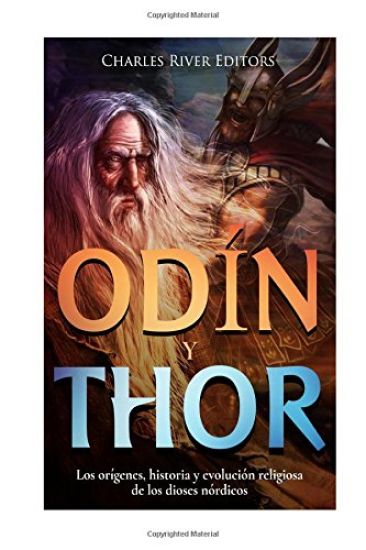
Odin y Thor: Los orígenes, historia y evolución religiosa de los dios nórdico

Odin y Thor: Los orígenes, historia y evolución religiosa de los dios nórdico

Jesse Harasta; Charles River

Createspace Independent Publishing Platform
2017
nidottu
Un anciano con un solo ojo, con un manto gris y sombrero de ala ancha, apoy ndose de un bast n. Un vagabundo que aparece cuando menos se le espera, trayendo triunfo o perdici n. El dios de la profec a, la poes a y el destino. Un cambiaformas. Un hechicero. El dios Od n es una figura dram tica en la mitolog a n rdica y es a n parte del imaginario popular. Ha sido la inspiraci n para figuras como Gandalf el Gris, de J. R. R. Tolkien, y todav a figura en literatura moderna tan variada como los c mics de Marvel o la novela de Neil Gaiman American Gods (2001). Junto a su hijo Thor, Od n es uno de los dioses n rdicos mejor conocidos y a menudo es f cil olvidar que alguna vez estuvo en el coraz n de un pante n adorado con devoci n por millones de europeos en la Edad Media. Od n tiene muchos nombres y t tulos (m s de doscientos, seg n una fuente), pero su t tulo m s conocido es el de "Padre de todos" o "Padre Universal", el co-creador de la Tierra (el "Midgard"), la humanidad y todas las criaturas que habitan este mundo. Es tambi n, de forma importante, el dios de la profec a, el xtasis y la poes a, todos roles conectados muy estrechamente en el mundo n rdico, donde la l nea entre poeta y profeta era borrosa y eran vistos como poseedores de inspiraci n a trav s de una especie de furia ext tica. Estos roles estaban conectados al patronazgo de Od n sobre el conocimiento, en especial aquel de tipo m stico, ya que l era el descubridor de las runas m gicas y canciones que luego transmiti a la humanidad. Esto no lleg sin sacrificio, puesto que hubo de arrancarse su propio ojo y yacer muerto por nueve d as para adquirirlo. Un martillo que ning n mortal puede levantar. Un flamante dios de la tormenta, con cabello cual llamas. Un h roe-dios-alien gena que defiende a la humanidad. La esv stica. Incluso el nombre Thursday jueves en ingl s] es "Thor's Day" el d a de Thor]. A pesar de la virtual desaparici n de la religi n aut ctona y mitolog a n rdica siglos atr s, a n se encuentra con regularidad en la sociedad moderna al dios de la tormenta, Thor, quien contin a siendo tra do de vuelta a la vida en forma de literatura y m s recientemente, como protagonista de pel culas taquilleras de Hollywood. Qu tiene en particular este dios, entre los cientos (si no miles) de deidades que fueron arrojadas al basurero de la historia por las grandes religiones del mundo, que captura de tal manera la imaginaci n de las personas hasta el d a de hoy? Una mejor comprensi n del atractivo de Thor puede hallarse pr cticamente en cualquiera de los aspectos de la historia y evoluci n de esta figura a lo largo de los siglos, incluyendo los or genes del dios, las im genes evocativas con las que es descrito, e incluso los paralelismos entre Thor y otros dioses y h roes similares. Todo esto ha sido alimentado por la literatura, como las historias sobre Thor encontradas en la Edda Mayor o po tica y la Edda Menor o prosaica, as como la conexi n que las sociedades han tenido con Thor por cientos de a os, incluso hoy en d a. El presente trabajo tambi n examina el declive y desplazamiento de la mitolog a escandinava/n rdica por parte del Cristianismo, las razones por las que Thor fue a menudo el ltimo dios que adoraron los n rdicos y los vestigios actuales del "Thorismo", incluyendo los paralelos con otras fes, su rol en el renacimiento de un Neo-paganismo y su aparici n en otros medios como un h roe de historietas y pel culas. En conjunto con fotograf as y bibliograf a, aprender s sobre Thor como nunca antes, y en nada de tiempo.
King Arthur and Robin Hood: The History and Folklore of England's Most Famous Folk Legends

King Arthur and Robin Hood: The History and Folklore of England's Most Famous Folk Legends

Jesse Harasta; Charles River

Createspace Independent Publishing Platform
2017
nidottu
*Includes pictures *Includes a table of contents King Arthur is one of the most famous names in history, and his name still evokes visions of fantasy, chivalry, bravery, and more even today. Arthur remains a pop culture fixture around the globe, made famous in various Arthurian tales written by writers like Chretien de Troyes. Arthur came to embody the ideals of the Middle Ages: strength, chivalry, bravery, and more. Along the way, his Excalibur sword, the Holy Grail, his queen, and more have all become household words. Arthur has long been identified as a folk hero, and there are countless tales that comprise the Arthurian legend, but was there an actual person that the original stories were based on? People still search for the seeds of truth in the Knights of the Round Table, and the historical figure that inspired the Arthurian tales. Of course, as with all great myths, and even those with a kernel of truth behind them, there is no "real" Arthur. Arthur is now comprised of the works written by diverse storytellers, most of which have built upon the ancient stories and possibly history. It is from there that a primordial seed of myth remains at the heart of all the retellings. At the same time, Arthur's story is one of transformation, as he is brought from the Middle Ages into the Renaissance and more modern times. And that story also includes the famous contemporaries in his stories and other important historical figures, like Geoffrey of Monmouth, the imprisoned Sir Thomas Mallory and Walt Disney. When looking for the historical and mythical Arthur, scholars try to understand how the Arthur of these tales and of others like Disney's Sword in the Stone and Monty Python and the Holy Grail came to be. What are the origins of the Arthur legend and what can they tell people about the past? What is the historical basis for King Arthur, if any? There are few characters in the English language more iconic than Robin Hood. Emerging out of the ballads of the High Middle Ages and surviving through numerous permutations to the present day, the green-clad archer has become an icon. Today he represents a playful, irreverent and cunning resistance to corruption and injustice, associated primarily with stealing from the rich and giving to the poor. Robin Hood's selfless acts of helping the masses at the expense of himself (by not keeping his treasure) have led to contemporary figures like Bill Gates being called "Modern Day Robin Hoods", and when a British man robbed a bank in 2013 and handed out the money to homeless people before he was arrested and imprisoned, the name Robin Hood was naturally in the news once more. Robin Hood is a celebrated folk hero and a kind of good thief, but the earliest stories about Robin Hood depict a far different character. The first Robin Hood was often a brutal and selfish yet also honorable figure, an anti-hero loved (perhaps paradoxically) by many social classes and loathed by authorities. When the notorious Gunpowder Plot was discovered at the beginning of the 17th century, the Earl of Salisbury condemned Guy Fawkes and the conspirators for being "Robin Hoods". The transformation of Robin Hood over the centuries has left many scholars attempting to find the origins behind the original story. Like King Arthur, some have even sought a historical figure that might serve as the basis for Robin Hood, while others have sought out mythological origins to see if Robin Hood's character evolved out of a mythological figure. When looking for the historical and mythical figure, scholars try to understand how the Robin Hood of these tales and came to be. What are the origins of Robin Hood and what can they tell people about the past? What is the historical basis for Robin Hood, if any?
Odin y Thor: Los orígenes, historia y evolución religiosa de los dios nórdico

Odin y Thor: Los orígenes, historia y evolución religiosa de los dios nórdico

Jesse Harasta; Charles River

Createspace Independent Publishing Platform
2017
nidottu
Un anciano con un solo ojo, con un manto gris y sombrero de ala ancha, apoy ndose de un bast n. Un vagabundo que aparece cuando menos se le espera, trayendo triunfo o perdici n. El dios de la profec a, la poes a y el destino. Un cambiaformas. Un hechicero. El dios Od n es una figura dram tica en la mitolog a n rdica y es a n parte del imaginario popular. Ha sido la inspiraci n para figuras como Gandalf el Gris, de J. R. R. Tolkien, y todav a figura en literatura moderna tan variada como los c mics de Marvel o la novela de Neil Gaiman American Gods (2001). Junto a su hijo Thor, Od n es uno de los dioses n rdicos mejor conocidos y a menudo es f cil olvidar que alguna vez estuvo en el coraz n de un pante n adorado con devoci n por millones de europeos en la Edad Media. Od n tiene muchos nombres y t tulos (m s de doscientos, seg n una fuente), pero su t tulo m s conocido es el de "Padre de todos" o "Padre Universal", el co-creador de la Tierra (el "Midgard"), la humanidad y todas las criaturas que habitan este mundo. Es tambi n, de forma importante, el dios de la profec a, el xtasis y la poes a, todos roles conectados muy estrechamente en el mundo n rdico, donde la l nea entre poeta y profeta era borrosa y eran vistos como poseedores de inspiraci n a trav s de una especie de furia ext tica. Estos roles estaban conectados al patronazgo de Od n sobre el conocimiento, en especial aquel de tipo m stico, ya que l era el descubridor de las runas m gicas y canciones que luego transmiti a la humanidad. Esto no lleg sin sacrificio, puesto que hubo de arrancarse su propio ojo y yacer muerto por nueve d as para adquirirlo. Un martillo que ning n mortal puede levantar. Un flamante dios de la tormenta, con cabello cual llamas. Un h roe-dios-alien gena que defiende a la humanidad. La esv stica. Incluso el nombre Thursday jueves en ingl s] es "Thor's Day" el d a de Thor]. A pesar de la virtual desaparici n de la religi n aut ctona y mitolog a n rdica siglos atr s, a n se encuentra con regularidad en la sociedad moderna al dios de la tormenta, Thor, quien contin a siendo tra do de vuelta a la vida en forma de literatura y m s recientemente, como protagonista de pel culas taquilleras de Hollywood. Qu tiene en particular este dios, entre los cientos (si no miles) de deidades que fueron arrojadas al basurero de la historia por las grandes religiones del mundo, que captura de tal manera la imaginaci n de las personas hasta el d a de hoy? Una mejor comprensi n del atractivo de Thor puede hallarse pr cticamente en cualquiera de los aspectos de la historia y evoluci n de esta figura a lo largo de los siglos, incluyendo los or genes del dios, las im genes evocativas con las que es descrito, e incluso los paralelismos entre Thor y otros dioses y h roes similares. Todo esto ha sido alimentado por la literatura, como las historias sobre Thor encontradas en la Edda Mayor o po tica y la Edda Menor o prosaica, as como la conexi n que las sociedades han tenido con Thor por cientos de a os, incluso hoy en d a. El presente trabajo tambi n examina el declive y desplazamiento de la mitolog a escandinava/n rdica por parte del Cristianismo, las razones por las que Thor fue a menudo el ltimo dios que adoraron los n rdicos y los vestigios actuales del "Thorismo", incluyendo los paralelos con otras fes, su rol en el renacimiento de un Neo-paganismo y su aparici n en otros medios como un h roe de historietas y pel culas. En conjunto con fotograf as y bibliograf a, aprender s sobre Thor como nunca antes, y en nada de tiempo.
King Arthur: The History and Folklore of the Arthurian Legend

King Arthur: The History and Folklore of the Arthurian Legend

Jesse Harasta; Charles River

Createspace Independent Publishing Platform
2017
nidottu
*Includes pictures of important places and historic illustrations and art depicting the figures of the Arthurian legend *Profiles the historic figures who scholars speculate may be the person King Arthur was based on. *Explains the mythological and folklore origins of the Arthurian legend, and how the legend evolved over time. King Arthur is one of the most famous names in history, and his name still evokes visions of fantasy, chivalry, bravery, and more even today. Arthur remains a pop culture fixture around the globe, made famous in various Arthurian tales written by writers like Chretien de Troyes. Arthur came to embody the ideals of the Middle Ages: strength, chivalry, bravery, and more. Along the way, his Excalibur sword, the Holy Grail, his queen, and more have all become household words. Arthur has long been identified as a folk hero, and there are countless tales that comprise the Arthurian legend, but was there an actual person that the original stories were based on? People still search for the seeds of truth in the Knights of the Round Table, and the historical figure that inspired the Arthurian tales. Of course, as with all great myths, and even those with a kernel of truth behind them, there is no "real" Arthur. Arthur is now comprised of the works written by diverse storytellers, most of which have built upon the ancient stories and possibly history. It is from there that a primordial seed of myth remains at the heart of all the retellings. At the same time, Arthur's story is one of transformation, as he is brought from the Middle Ages into the Renaissance and more modern times. And that story also includes the famous contemporaries in his stories and other important historical figures, like Geoffrey of Monmouth, the imprisoned Sir Thomas Mallory and Walt Disney. When looking for the historical and mythical Arthur, scholars try to understand how the Arthur of these tales and of others like Disney's Sword in the Stone and Monty Python and the Holy Grail came to be. What are the origins of the Arthur legend and what can they tell people about the past? What is the historical basis for King Arthur, if any? King Arthur: The History and Folklore of the Arthurian Legend comprehensively examines the history and stories of the Arthurian legend, while also looking at how they affected English history and became as popular as they are today. Along with pictures of important people, places, and events, you will learn about King Arthur like you never have before, in no time at all.
El Dorado: The Search for the Fabled City of Gold

El Dorado: The Search for the Fabled City of Gold

Jesse Harasta; Charles River

Createspace Independent Publishing Platform
2017
nidottu
*Includes pictures.*Includes historic accounts about the myth of El Dorado.*Includes a bibliography and footnotes for further reading. Alongside the famous Lost City of Atlantis, perhaps no mythological city has captured the imaginations of people or been the source for exploration quite like El Dorado, the fabled city of gold that the Spanish believed was located somewhere in South America. The origins of the Spaniards' belief in the existence of the mythical city was based on their rumors surrounding the tribal chief of the Muisca in present-day Colombia; the Spanish heard that his initiation included covering himself with gold dust and diving into Lake Guatavita. Of course, if the chief could cover himself in gold, he must have access to a lot of it, and around this figure, the myth of El Dorado sprang up as the location of it. Naturally, the belief in the existence of El Dorado propelled it from being merely a city to an entire empire itself, and this spurred several journeys in the 16th century, including one by Francisco Pizarro's half-brother, Gonzalo, and another by Sir Walter Raleigh. Although none of these journeys actually discovered such a place, they resulted in plenty of lives lost and a lot of exploration of the heart of South America. Moreover, despite the fact none of the explorers actually found El Dorado, the rumors and journeys only cemented the belief that such a place existed, and El Dorado was actually located on maps made by several European nations for centuries. As folklorist Jim Griffith once put it, "El Dorado shifted geographical locations until finally it simply meant a source of untold riches somewhere in the Americas." In fact, it would not be until about the early 19th century that explorer Alexander von Humboldt disproved El Dorado's existence, at least in the spot it was assumed to be located for over 200 years. Although no El Dorado was ever found, the myth still fascinates people today, and it remains a pop culture fixture around the globe. El Dorado is also still used as a metaphor not only for places where people seek to get rich quick but even as a mentality and mindset, much like the notion of the American Dream. El Dorado: The Search for the Fabled City of Gold chronicles the origins behind the myth and the history of the actual journeys that sought to discover the city. Along with pictures of important people, places, and events, you will learn about El Dorado like never before, in no time at all.
Uxmal: The History of the Ancient Mayan City

Uxmal: The History of the Ancient Mayan City

Jesse Harasta; Charles River

Createspace Independent Publishing Platform
2017
nidottu
*Includes pictures *Includes a description of the ruins and analysis of them *Explains the history of the rise and fall of the city *Includes footnotes and a bibliography for further reading Many ancient civilizations have influenced and inspired people in the 21st century. The Greeks and Romans continue to fascinate the West today. But of all the world's civilizations, none have intrigued people more than the Mayans, whose culture, astronomy, language, and mysterious disappearance all continue to captivate people. In 2012 especially, there was a renewed focus on the Mayans, whose advanced calendar has led many to speculate the world would end on the same date the Mayan calendar ends, but if anything, the focus on the "doomsday" scenario overshadowed the Mayans' true contribution to astronomy, language, sports, and art. The Maya maintained power in the Yucatan for over a thousand years, and in the late stages of the "Classical" era (3rd-9th centuries AD), the city of Uxmal was one of its most noteworthy places. While it was not as powerful as cities like Tikal, Uxmal was apparently at the forefront of Mayan culture, particularly when it came to architecture. However, while Uxmal used high ground to display its prominence, and the ruins are still among the most popular places for tourists in the region, the site is still shrouded in mystery. Even as scholars continue to work on the site to further interpret it, it's still unclear when exactly Uxmal was founded, how many people called it home, and when it was abandoned, despite the existence of Mayan chronicles and oral legends. What is apparent, however, is the skills of Uxmal's artisans, whether through constructing structures like the 5 level Pyramid of Magicians and the expansive Governor's Palace or adorning the structures with precisely detailed art and sculptures. In fact, the craftsmanship can be credited with helping to preserve Uxmal itself. Uxmal: The History of the Ancient Mayan City covers the history of the city, as well as the speculation and debate surrounding it. Along with pictures and a bibliography, you will learn about Uxmal like you never have before, in no time at all.
Hades: The History, Origins and Evolution of the Greek God

Hades: The History, Origins and Evolution of the Greek God

Jesse Harasta; Charles River

Createspace Independent Publishing Platform
2017
nidottu
*Includes pictures of historic art depicting Hades and other Greek gods. *Explains the historical origins of the god and the mythological tales about him. "The gloomy Hades enriches himself with our sighs and our tears " - Sophocles The Greek god Hades is something of an enigma. On the one hand, people can view him through the lens that was a byproduct of the Christian tradition, as a terrifying lord of death seated upon his ebony throne, an unseen force of power moving through the world. Certainly, many of the Ancient Greeks themselves saw the god in this light, whispering his name and making sacrifices of black sheep on dark nights and allowing the blood to trickle down into the earth to reach the underworld. On the other hand, there is a parallel Greek tradition that depicts Hades as a regal god and more of a dark parallel to his brother Zeus, who bears the same icons of sovereignty and may have some deep link to him in a primordial sense. The name "Hades" literally means "Unseen", but the Greeks had a superstitious fear of calling Hades by his proper name and thus created numerous ways of referring to the god. For instance, "Euboleus" means "Giver of Good Counsel," and "Polydectes" meant "he who receives many," "Stygeros" means "hateful one," and "Polydegmon" meant either "grey man" or "hospitable one." The most popular name was "Plouton" which means "wealth-giver" and referred to Hades' role in guarding the treasures of the earth. That name was eventually adopted and altered by the Romans to become their god "Pluto." Other names used for the god included Aidoneus, Ais, Clymenus and Pylartes. Given his importance as the lord of the underworld, Hades was a constant presence in Greek life, and descriptions of him, the river Styx, and his three-headed dog Cerberus are all instantly familiar to anyone who has read Greek mythology. At the same time, how did the Greeks attempt to appease Hades? Of particular importance was the division between Olympian gods, gods of the sky and of life, and Chthonic gods, gods of the earth and of death. While Hades was perhaps the best known of the Chthonic gods, the tradition of chthonic deities was much older and broader than him, so it's also useful to compare him to similar deities in other cultures' pantheons. This book explores the figure of Hades, including his origins, the stories told about him, the way he was worshiped and how he is remembered today. Along with pictures and a bibliography, you will learn about the Greek god like you never have before, in no time at all.
Thor: The Origins, History and Evolution of the Norse God

Thor: The Origins, History and Evolution of the Norse God

Jesse Harasta; Charles River

Createspace Independent Publishing Platform
2017
nidottu
*Includes pictures of important places and historic illustrations and art depicting Thor and other important Norse figures. *Explains the historical origins of the god, the mythological tales about him, and the literary evolution of Thor. *Includes a Bibliography for further reading. "Across the rainbow bridge of Asgard, Where the Booming Heavens Roar, You'll behold in breathless wonder, the God of Thunder, Mighty Thor " - Theme Song from the television show Mighty Thor (1966) "In swelling rage then rose up Thor, -- Seldom he sits when he such things hears, -- And the oaths were broken, the words and bonds, The mighty pledges between them made." - Voluspa Line #26 from the Poetic Edda A hammer no mortal can lift. A flame-haired fiery storm god. A comic book alien-hero-god who defends humanity. The swastika. Even the name "Thursday" ("Thor's Day"). Despite the virtual disappearance of the indigenous Norse religion and mythology several centuries ago, modern society still regularly encounters the storm god Thor, who continues to be brought back to life in the form of literature and was recently the protagonist in a big-budget Hollywood movie. What is it about this god, out of the hundreds (if not thousands) of deities that were consigned to the dustbin of history by the world's major religions, that so captures people's imaginations today? A better understanding of Thor's appeal can be found in just about every aspect of the history and evolution of the figure over the centuries, including the origins of the god, the evocative imagery used to describe him, and even the parallels between Thor and similar gods and heroes. All of this has been buffeted by literature, such as the stories about Thor found in the Prose Edda and the Poetic Edda, and the connection societies have had with Thor for hundreds of years, even up until today. This work also examines the decline and displacement of Norse mythology by Christianity, the reasons why Thor was often the last god worshiped by the Norse, and today's remnants of Thorism, including his parallels in other faiths, his role in revived Neo-Heathenism and his appearance in other media as a hero in comics and films. Along with pictures and a bibliography, you will learn about Thor like you never have before, in no time at all.
Celtic Mythology and the Religion of the Ancient Celts

Celtic Mythology and the Religion of the Ancient Celts

Jesse Harasta; Charles River

Createspace Independent Publishing Platform
2017
nidottu
*Includes pictures. *Includes ancient accounts describing the Celts and their religious practices. *Includes footnotes and a bibliography. "Throughout all of Gaul there are two classes of people who are treated with dignity and honor. This does not include the common people, who are little better than slaves and never have a voice in councils. Many of these align themselves with a patron voluntarily, whether because of debt or heavy tribute or out of fear of retribution by some other powerful person. Once they do this, they have given up all rights and are scarcely better than servants. The two powerful classes mentioned above are the Druids and the warriors. Druids are concerned with religious matters, public and private sacrifices, and divination." - Julius Caesar The Celts are one of the most well-known groups in Europe and one of the least understood. Depending on which classifications are used, the Celts are also one of the oldest civilizations in Europe. In the centuries before Christ, the Celts were spread out across much of continental Europe, and though they are mostly identified with Gaul, evidence suggests they also spread as far as Portugal. Though they were spread out across Europe before the height of the Roman Empire, most people associate the Celts with the British Isles today, particularly Ireland and Scotland. After they had been relegated to those smaller regions as a result of the Romans and other migrations, the culture of the Celts as it is currently understood began to congeal during the Early Middle Ages, and Celtic culture, folklore, and legend have all become inextricably intertwined with Irish history and British history as a whole. Historically, Celtic cultures differ from their English and French neighbors in a number of ways, including social organization, language, values and economic systems, but one of the most captivating of these has always been their myths. Celtic Myths, which can be read in translation without needing special training in grammar, are more accessible than the Celtic languages, and unlike the other distinctive features that have faded over the centuries, myths still have their immediacy and power when read today. While much has undoubtedly been lost from the ancient Celts over time, medieval manuscripts help scholars understand how Celtic myths have reached the form they have today. Like many ancient belief systems, Celtic mythology shares Indo-European roots, meaning Celtic beliefs have cousins in related societies like the Norse, Greeks, Romans and Slavs, with a foundation of shared mythmaking that goes back several millennia. Descriptions of Celtic mythology by their contemporaries, including the Ancient Romans and Greeks, provide a hazy picture, while the tales recorded by Christian monks and undoubtedly bear the stamp of their own religious affiliations. Celtic Mythology: The Religion of the Ancient Celts examines the history and legacy of the religion practiced by the Ancient Celts. Along with pictures and a bibliography, you will learn about Celtic mythology like you never have before, in no time at all.
Chichen Itza & Mayapan: The Most Famous Mayan Capitals of the Postclassic Period

Chichen Itza & Mayapan: The Most Famous Mayan Capitals of the Postclassic Period

Jesse Harasta; Charles River

Createspace Independent Publishing Platform
2017
nidottu
*Includes pictures. *Includes footnotes and a bibliography for further reading. Many ancient civilizations have influenced and inspired people in the 21st century, like the Greeks and the Romans, but of all the world's civilizations, none have intrigued people more than the Mayans, whose culture, astronomy, language, and mysterious disappearance all continue to captivate people. At the heart of the fascination is the most visited and the most spectacular of Late Classic Maya cities: Chich n Itz . Chich n Itz was inhabited for hundreds of years and was a very influential center in the later years of Maya civilization. At its height, Chich n Itz may have had over 30,000 inhabitants, and with a spectacular pyramid, enormous ball court, observatory and several temples, the builders of this city exceeded even those at Uxmal in developing the use of columns and exterior relief decoration. Of particular interest at Chich n Itz is the sacred cenote, a sinkhole was a focus for Maya rituals around water. Because adequate supplies of water, which rarely collected on the surface of the limestone based Yucatan, were essential for adequate agricultural production, the Maya here considered it of primary importance. Underwater archaeology carried out in the cenote at Chich n Itz revealed that offerings to the Maya rain deity Chaac (which may have included people) were tossed into the sinkhole. Although Chich n Itz was around for hundreds of years, it had a relatively short period of dominance in the region, lasting from about 800-950 A. D. Today, tourists are taken by guides to a building called the Nunnery for no good reason other than the small rooms reminded the Spaniards of a nunnery back home. Similarly the great pyramid at Chich n Itz is designated El Castillo ("The Castle"), which it almost certainly was not, while the observatory is called El Caracol ("The Snail") for its spiral staircase. Of course, the actual names for these places were lost as the great Maya cities began to lose their populations, one by one. Chich n Itz was partially abandoned in 948, and the culture of the Maya survived in a disorganized way until it was revived at Mayap n. Mayap n emerged first as a minor settlement in the orbit of Chich n, but it slowly came to replace it after the larger city's trade connections with the Toltecs of Tula crumbled and it suffered a staggering defeat by Mayap n's armies. The building styles and art in their city show both admiring references to the great Chich n Itz as well as an attempt to position Mayap n as a more orthodox heir of Maya tradition. At the same time, they emulated many features and could not escape the tremendous influences - especially in religion - of Chich n. This is seen in the fact that many of the most important buildings in the new city appear to be small-scale reproductions of ones in Chich n. Due in part to the fact that it has long been overshadowed by Chich n Itz , a lot excavation and scholarly research on the site has only come about in recent decades, and even though there is still plenty of work to do, a lot of information about life in Mayap n has been unearthed. At its height, Mayap n may have boasted a population of over 15,000, and archaeologists have had their hands full trying to discover and restore the several thousand buildings both inside Mayap n's walls and outside them. Chich n Itz & Mayap n: The Most Famous Mayan Capitals of the Postclassic Period comprehensively covers the history of the city, as well as the speculation surrounding the purpose of Chich n Itz and the debate over the buildings. Along with pictures and a bibliography, you will learn about the Maya's most famous cities like you never have before, in no time at all.
Tiwanaku and Puma Punku: The History and Legacy of South America's Most Famous Ancient Holy Site

Tiwanaku and Puma Punku: The History and Legacy of South America's Most Famous Ancient Holy Site

Jesse Harasta; Charles River

Createspace Independent Publishing Platform
2017
nidottu
*Includes pictures *Includes a bibliography for further reading Few ancient ruins capture the imagination like the mighty holy site of Tiwanaku, located on the high Andean altiplano plateau outside of La Paz, Bolivia. Unlike some ancient sites, such as Machu Picchu in neighboring Peru or Chichen Itz in Mexico, Tiwanaku has never been "lost"; on the contrary, it has been marveled over for centuries by Incan nobles, Spanish Conquistadores, modern backpackers, and UFO fanatics alike. Despite this history of amazement, Tiwanaku has remained something of an enigma until recently, but it appears that this would have probably been pleasing to its creators. It was created to be a mysterious, sacred, and beautiful place, one with many secrets and a public face characterized by PT Barnum-like showmanship. Skillful modern archaeology has allowed people to look behind the facade and see, for the first time in many, many centuries, some of the secrets behind it. The story is fascinating, complex, and thoroughly human. The modern visitor arriving to Tiahuanaco finds him or herself in, as Cieza de L on noted almost 130 years ago, a not very notable, dusty, chilly settlement south of Lake Titicaca. The place would not be of any great interest except that to the east and south of the modern village, within walking distance of the center, rise a number of remarkable ruins. The ancient world often evokes wonder, respect and even confusion, and few places accomplish any of that more than the incredible ruined stone temple of Puma Punku. Part of the larger ruined city of Tiwanaku in the altiplano plains of modern Bolivia, Puma Punku is a marvel of engineering, stonemasonry and design. These facts are obvious to even the lay observer, as Puma Punku's stonework is remarkable even for the Andes where visitors have long wondered at ancient stone joints where even a knife bade could not fit between the stones. This level of craftsmanship has caused some, mostly those who have never been to the Andes, to speculate of a fanciful origin for the site, maintaining that such a wonderful and mysterious place must be the work of extraterrestrial or super-human forces. However, Puma Punku's stonemasonry is often considered its most notable feature only because until recently so little was known about the site or the Tiwanaku culture that built it. This would be like visiting the ruins of the Vatican or Westminster Abbey centuries from now and being wowed by the quality of construction. While the construction is impressive, that aspect is not the most interesting story that the sites can tell. Today, through the diligent work of scholars from many countries, the disciplines of archaeology, art history, comparative ethnography and other modern historical sciences have begun to peel back the story of Puma Punku, and historians can once again begin to tell the stories behind the stones. That work has highlighted the enigmatic ruins from many points of view, and have helped explain how it was a place of ritual, showmanship, mythology and, of course, the finest workmanship. Tiwanaku and Puma Punku: The History and Legacy of South America's Most Famous Ancient Holy Site examines some of the most important pre-Columbian ruins in the world. Along with pictures of important people, places, and events, you will learn about Tiwanaku and Puma Punku like never before.
Tiwanaku and Puma Punku: The History and Legacy of South America's Most Famous Ancient Holy Site

Tiwanaku and Puma Punku: The History and Legacy of South America's Most Famous Ancient Holy Site

Jesse Harasta; Charles River

Createspace Independent Publishing Platform
2017
nidottu
*Includes pictures *Includes a bibliography for further reading Few ancient ruins capture the imagination like the mighty holy site of Tiwanaku, located on the high Andean altiplano plateau outside of La Paz, Bolivia. Unlike some ancient sites, such as Machu Picchu in neighboring Peru or Chichen Itz in Mexico, Tiwanaku has never been "lost"; on the contrary, it has been marveled over for centuries by Incan nobles, Spanish Conquistadores, modern backpackers, and UFO fanatics alike. Despite this history of amazement, Tiwanaku has remained something of an enigma until recently, but it appears that this would have probably been pleasing to its creators. It was created to be a mysterious, sacred, and beautiful place, one with many secrets and a public face characterized by PT Barnum-like showmanship. Skillful modern archaeology has allowed people to look behind the facade and see, for the first time in many, many centuries, some of the secrets behind it. The story is fascinating, complex, and thoroughly human. The modern visitor arriving to Tiahuanaco finds him or herself in, as Cieza de L on noted almost 130 years ago, a not very notable, dusty, chilly settlement south of Lake Titicaca. The place would not be of any great interest except that to the east and south of the modern village, within walking distance of the center, rise a number of remarkable ruins. The ancient world often evokes wonder, respect and even confusion, and few places accomplish any of that more than the incredible ruined stone temple of Puma Punku. Part of the larger ruined city of Tiwanaku in the altiplano plains of modern Bolivia, Puma Punku is a marvel of engineering, stonemasonry and design. These facts are obvious to even the lay observer, as Puma Punku's stonework is remarkable even for the Andes where visitors have long wondered at ancient stone joints where even a knife bade could not fit between the stones. This level of craftsmanship has caused some, mostly those who have never been to the Andes, to speculate of a fanciful origin for the site, maintaining that such a wonderful and mysterious place must be the work of extraterrestrial or super-human forces. However, Puma Punku's stonemasonry is often considered its most notable feature only because until recently so little was known about the site or the Tiwanaku culture that built it. This would be like visiting the ruins of the Vatican or Westminster Abbey centuries from now and being wowed by the quality of construction. While the construction is impressive, that aspect is not the most interesting story that the sites can tell. Today, through the diligent work of scholars from many countries, the disciplines of archaeology, art history, comparative ethnography and other modern historical sciences have begun to peel back the story of Puma Punku, and historians can once again begin to tell the stories behind the stones. That work has highlighted the enigmatic ruins from many points of view, and have helped explain how it was a place of ritual, showmanship, mythology and, of course, the finest workmanship. Tiwanaku and Puma Punku: The History and Legacy of South America's Most Famous Ancient Holy Site examines some of the most important pre-Columbian ruins in the world. Along with pictures of important people, places, and events, you will learn about Tiwanaku and Puma Punku like never before.
The Popol Vuh: The History and Legacy of the Maya's Creation Myth and Epic Legends

The Popol Vuh: The History and Legacy of the Maya's Creation Myth and Epic Legends

Jesse Harasta; Charles River

Createspace Independent Publishing Platform
2017
nidottu
*Includes pictures *Includes excerpts of the Popol Vuh *Includes online resources and a bibliography for further reading Many ancient civilizations have influenced and inspired people in the 21st century. The Greeks and Romans continue to fascinate the West today. But of all the world's civilizations, none have intrigued people more than the Mayans, whose culture, astronomy, language, and mysterious disappearance all continue to captivate people. In 2012 especially, there was a renewed focus on the Mayans, whose advanced calendar led many to speculate the world would end on the same date the Mayan calendar ends. The focus on the "doomsday" scenario, however, overshadowed the Mayans' true contribution to astronomy, language, sports, and art. Unlike most of the world's sacred books - the Quran, the Bible or the I-Ching for example - nobody knows the universal name, if there ever was one, for the Maya's collection of myths. Instead, the title that has been passed down, the "Popol Vuh," appears to be the specific title given to a particular copy of these tales. Its meaning, roughly translated as the Council Book, refers to the special role of this text: it was the shared property of the council of lords that ruled the Quich kingdom and was apparently regularly consulted by that body for advice to guide their rule. However, in the opening sections, the scribes who penned the text also give it several other names, including "the Light That Came from Beside the Sea," "Our Place in the Shadows" and "The Dawn of Life" (pg 63). All of these names were originally in K'ichean Maya, the language spoken by the Maya of the Quich Kingdom and its neighboring regions. The first of these names refers to a pilgrimage by the second generation of Quich lords in Part V to the Yucatan coast to acquire a copy of at least a portion of the original text. The second refers to Part IV, the period before the first Dawn (the "Shadows") when the ancestral Quich earned their particular right to rule. The final name refers to Part I, when the first gods created all of the various parts of life. This multiplicity of names and titles for sacred works is not uncommon, and perhaps comparable to the Bible being referred to as "the Good Book" or (in reference to the New Testament) "the Good News" or the "Gospel." The name Popol Vuh is itself controversial as the original text actually spells the name three different ways: "Popol Vuh", of course, but also "Pop Wuj" and "Popol Wuj." In general, the most correct form in contemporary Quiche spelling is probably "Popol Wuj", but as the text is best known in English with the word "Vuh", this convention will be maintained here (Eenriik 2014). There are a number of translations and editions of the Popol Vuh, which vary considerably in quality. Many early editions were not informed by the latest scholarship in Maya linguistics and sometimes the ways they translate names in particular can vary. This text will use the Second Edition (1996), translated by Dennis Tedlock and published by Simon and Schuster, for all of its quotations and page citations. The Popol Vuh: The History and Legacy of the Maya's Creation Myth and Epic Legends examines what's contained within and how the Popol Vuh survived to the present day. Along with pictures depicting important people, places, and events, you will learn about the Popol Vuh like never before.
The Popol Vuh: The History and Legacy of the Maya's Creation Myth and Epic Legends

The Popol Vuh: The History and Legacy of the Maya's Creation Myth and Epic Legends

Jesse Harasta; Charles River

Createspace Independent Publishing Platform
2017
nidottu
*Includes pictures *Includes excerpts of the Popol Vuh *Includes online resources and a bibliography for further reading Many ancient civilizations have influenced and inspired people in the 21st century. The Greeks and Romans continue to fascinate the West today. But of all the world's civilizations, none have intrigued people more than the Mayans, whose culture, astronomy, language, and mysterious disappearance all continue to captivate people. In 2012 especially, there was a renewed focus on the Mayans, whose advanced calendar led many to speculate the world would end on the same date the Mayan calendar ends. The focus on the "doomsday" scenario, however, overshadowed the Mayans' true contribution to astronomy, language, sports, and art. Unlike most of the world's sacred books - the Quran, the Bible or the I-Ching for example - nobody knows the universal name, if there ever was one, for the Maya's collection of myths. Instead, the title that has been passed down, the "Popol Vuh," appears to be the specific title given to a particular copy of these tales. Its meaning, roughly translated as the Council Book, refers to the special role of this text: it was the shared property of the council of lords that ruled the Quich kingdom and was apparently regularly consulted by that body for advice to guide their rule. However, in the opening sections, the scribes who penned the text also give it several other names, including "the Light That Came from Beside the Sea," "Our Place in the Shadows" and "The Dawn of Life" (pg 63). All of these names were originally in K'ichean Maya, the language spoken by the Maya of the Quich Kingdom and its neighboring regions. The first of these names refers to a pilgrimage by the second generation of Quich lords in Part V to the Yucatan coast to acquire a copy of at least a portion of the original text. The second refers to Part IV, the period before the first Dawn (the "Shadows") when the ancestral Quich earned their particular right to rule. The final name refers to Part I, when the first gods created all of the various parts of life. This multiplicity of names and titles for sacred works is not uncommon, and perhaps comparable to the Bible being referred to as "the Good Book" or (in reference to the New Testament) "the Good News" or the "Gospel." The name Popol Vuh is itself controversial as the original text actually spells the name three different ways: "Popol Vuh", of course, but also "Pop Wuj" and "Popol Wuj." In general, the most correct form in contemporary Quiche spelling is probably "Popol Wuj", but as the text is best known in English with the word "Vuh", this convention will be maintained here (Eenriik 2014). There are a number of translations and editions of the Popol Vuh, which vary considerably in quality. Many early editions were not informed by the latest scholarship in Maya linguistics and sometimes the ways they translate names in particular can vary. This text will use the Second Edition (1996), translated by Dennis Tedlock and published by Simon and Schuster, for all of its quotations and page citations. The Popol Vuh: The History and Legacy of the Maya's Creation Myth and Epic Legends examines what's contained within and how the Popol Vuh survived to the present day. Along with pictures depicting important people, places, and events, you will learn about the Popol Vuh like never before.
Tiwanaku: The History and Legacy of the Ancient Pre-Colombian Site in the Heart of the Andes

Tiwanaku: The History and Legacy of the Ancient Pre-Colombian Site in the Heart of the Andes

Jesse Harasta; Charles River

Createspace Independent Publishing Platform
2017
nidottu
*Includes pictures *Includes historical accounts describing the site *Includes online resources and a bibliography for further reading "Tiahuanaco is not a very large village, but it is celebrated for the great edifices near it, which are certainly things worth seeing. Near the buildings there is a hill made by the hands of men, on great foundations of stone. Beyond this hill there are two stone idols, of the human shape and figure, the features very skillfully carved, so that they appear to have been done by the hand of some great master. They are so large that they seem like small giants, and it is clear that they have on a sort of clothing different from those now worn by the natives of these parts." - Cieza de L on, 1883 Few ancient ruins capture the imagination like the mighty holy site of Tiwanaku, located on the high Andean altiplano plateau outside of La Paz, Bolivia. Unlike some ancient sites, such as Machu Picchu in neighboring Peru or Chichen Itz in Mexico, Tiwanaku has never been "lost"; on the contrary, it has been marveled over for centuries by Incan nobles, Spanish Conquistadores, modern backpackers, and UFO fanatics alike. Despite this history of amazement, Tiwanaku has remained something of an enigma until recently, but it appears that this would have probably been pleasing to its creators. It was created to be a mysterious, sacred, and beautiful place, one with many secrets and a public face characterized by PT Barnum-like showmanship. Skillful modern archaeology has allowed people to look behind the facade and see, for the first time in many, many centuries, some of the secrets behind it. The story is fascinating, complex, and thoroughly human. The modern visitor arriving to Tiahuanaco finds him or herself in, as Cieza de L on noted almost 130 years ago, a not very notable, dusty, chilly settlement south of Lake Titicaca. The place would not be of any great interest except that to the east and south of the modern village, within walking distance of the center, rise a number of remarkable ruins. The eastern complex is the larger of the two and encompasses the ceremonial heart of the ancient settlement, including the massive Akapana Pyramid, the Kalasaya Temple, and the famed Puerta del Sol (Gate of the Sun). Visitors typically pose before this remarkable gateway, carved out of a single 10-ton block of andesite and decorated with elaborate carvings, including a curious figure in the center of a man bearing two rods or staffs in its hands. Visitors leaving this central complex travel south - perhaps stopping at the Ceramic Museum, containing typical works of red and white geometric and zoomorphic images on red earthenware - to the southern complex, centered on the famed ruins of Puma Punku. While this typically makes up the entirety of a visitor's time in the ruins, what is often overlooked is that these ceremonial buildings were surrounded by a vast array of lesser structures, many of which appear to have been cannibalized for their stone to build the modern town, especially the church of San Pedro in the main square (Bolivia es Turismo 2016). Beyond this was an impressive system of aqueducts and irrigation, broad expanses of carefully controlled fields, outlying settlements, and a vast network of dependent, conquered territories. Together they make up the political, spiritual, economic, and artistic world which today is called "Tiwanaku," a place, empire, and cultural tradition that is the focus of this text. Tiwanaku: The History and Legacy of the Ancient Pre-Colombian Site in the Heart of the Andes chronicles the history and archaeology of the famous site. Along with pictures depicting important people, places, and events, you will learn about Tiwanaku like never before.
Tiwanaku: The History and Legacy of the Ancient Pre-Colombian Site in the Heart of the Andes

Tiwanaku: The History and Legacy of the Ancient Pre-Colombian Site in the Heart of the Andes

Jesse Harasta; Charles River

Createspace Independent Publishing Platform
2017
nidottu
*Includes pictures *Includes historical accounts describing the site *Includes online resources and a bibliography for further reading "Tiahuanaco is not a very large village, but it is celebrated for the great edifices near it, which are certainly things worth seeing. Near the buildings there is a hill made by the hands of men, on great foundations of stone. Beyond this hill there are two stone idols, of the human shape and figure, the features very skillfully carved, so that they appear to have been done by the hand of some great master. They are so large that they seem like small giants, and it is clear that they have on a sort of clothing different from those now worn by the natives of these parts." - Cieza de L on, 1883 Few ancient ruins capture the imagination like the mighty holy site of Tiwanaku, located on the high Andean altiplano plateau outside of La Paz, Bolivia. Unlike some ancient sites, such as Machu Picchu in neighboring Peru or Chichen Itz in Mexico, Tiwanaku has never been "lost"; on the contrary, it has been marveled over for centuries by Incan nobles, Spanish Conquistadores, modern backpackers, and UFO fanatics alike. Despite this history of amazement, Tiwanaku has remained something of an enigma until recently, but it appears that this would have probably been pleasing to its creators. It was created to be a mysterious, sacred, and beautiful place, one with many secrets and a public face characterized by PT Barnum-like showmanship. Skillful modern archaeology has allowed people to look behind the facade and see, for the first time in many, many centuries, some of the secrets behind it. The story is fascinating, complex, and thoroughly human. The modern visitor arriving to Tiahuanaco finds him or herself in, as Cieza de L on noted almost 130 years ago, a not very notable, dusty, chilly settlement south of Lake Titicaca. The place would not be of any great interest except that to the east and south of the modern village, within walking distance of the center, rise a number of remarkable ruins. The eastern complex is the larger of the two and encompasses the ceremonial heart of the ancient settlement, including the massive Akapana Pyramid, the Kalasaya Temple, and the famed Puerta del Sol (Gate of the Sun). Visitors typically pose before this remarkable gateway, carved out of a single 10-ton block of andesite and decorated with elaborate carvings, including a curious figure in the center of a man bearing two rods or staffs in its hands. Visitors leaving this central complex travel south - perhaps stopping at the Ceramic Museum, containing typical works of red and white geometric and zoomorphic images on red earthenware - to the southern complex, centered on the famed ruins of Puma Punku. While this typically makes up the entirety of a visitor's time in the ruins, what is often overlooked is that these ceremonial buildings were surrounded by a vast array of lesser structures, many of which appear to have been cannibalized for their stone to build the modern town, especially the church of San Pedro in the main square (Bolivia es Turismo 2016). Beyond this was an impressive system of aqueducts and irrigation, broad expanses of carefully controlled fields, outlying settlements, and a vast network of dependent, conquered territories. Together they make up the political, spiritual, economic, and artistic world which today is called "Tiwanaku," a place, empire, and cultural tradition that is the focus of this text. Tiwanaku: The History and Legacy of the Ancient Pre-Colombian Site in the Heart of the Andes chronicles the history and archaeology of the famous site. Along with pictures depicting important people, places, and events, you will learn about Tiwanaku like never before.