Kirjojen hintavertailu – 12 859 826 kirjaa ja 27 kauppaa

Kirjailija

Jim Cox

Kirjat ja teokset yhdessä paikassa: 25 kirjaa, julkaisuja vuosilta 1996–2016, suosituimpiin kuuluu Electric Motors in the Home Workshop. Vertaile teosten hintoja ja tarkista saatavuus suomalaisista kirjakaupoista.

25 kirjaa

Kirjojen julkaisuvuodet: 1996–2016.

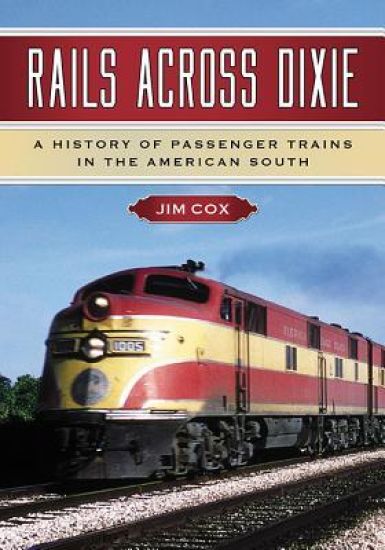
Rails Across Dixie

Rails Across Dixie

Jim Cox

McFarland Co Inc
2016
nidottu
Covering legendary and obscure intercity passenger trains in a dozen Southeastern states, this book details the golden age of train travel. The story begins with the inception of steam locomotives in 1830 in Charleston, South Carolina, continuing through the mid-1930s changeover to diesel and the debut of Amtrak in 1971 to the present. Throughout, the book explores the technological achievements, the romance and the economic impact of traveling on the tracks. Other topics include contemporary museums and excursion trains; the development of commuter rails, monorails, light rails, and other intracity transit trains; the social impact of train travel; and historical rail terminals and facilities. The book is supplemented with more than 160 images and 10 appendices.

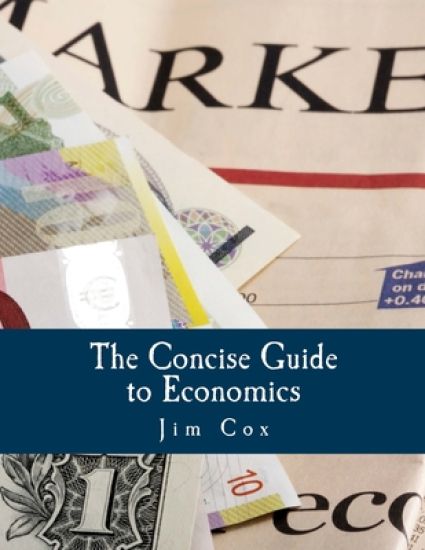
The Concise Guide to Economics (Large Print Edition)

The Concise Guide to Economics (Large Print Edition)

Jim Cox

Createspace Independent Publishing Platform
2015
nidottu
LARGE PRINT EDITION More at LargePrintLiberty.com. To understand economics is to understand the practical case for freedom. This book is a handy, quick reference guide for those already familiar with basic economics, and a brief, compelling primer for everyone else. Jim Cox introduces topics ranging from entrepreneurship, money, and inflation to the consequences of price controls (which are bad) to price gouging (which is good). Along the way, he defends the crucial role of advertising, speculators, and heroic insider traders. The book combines straightforward, common sense analysis with hard-core dedication to principle, using the fewest words possible to explain the topic clearly. And each brief chapter includes references to further reading so those who are curious to dig deeper will know where to look next.
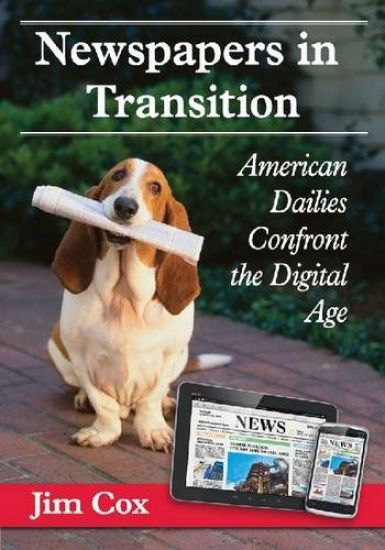
Newspapers in Transition

Newspapers in Transition

Jim Cox

McFarland Co Inc
2014
pokkari
The impact of cyberspace on newsprint journalism is at the core of this text. After a brief history of U. S. news dailies and weeklies it turns attention to those journals' status today. A wide range of forces that impinge on their success and failure are explored, including the decline of their relevancy for an increasing percentage of the population. Newspapers' prospects for the future is the primary focus as papers curtail their dependency on historically physically-delivered patterns to shift to more economical and faster methods of supplying the news. Rivals for the attention of traditional readers are burgeoning. Possibilities for the outcome over the next decade are investigated. The profound effects of change on newsrooms, advertising, circulation, economics, and the place of newspapers and their communities are fully examined.
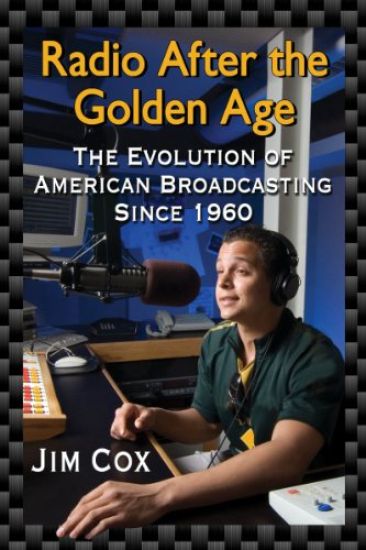
Radio After the Golden Age

Radio After the Golden Age

Jim Cox

McFarland Co Inc
2013
pokkari
What became of radio after its Golden Age ended about 1960? Not long ago Arbitron found that almost 93 percent of Americans age 12 and older are regular radio listeners, a higher percentage than those turning to television, magazines, newspapers, or the Internet. But the sounds they hear now barely resemble those of radio's heyday when it had little competition as a mass entertainment and information source. Much has transpired in the past fifty-plus years: a proliferation of disc jockeys, narrowcasting, the FM band, satellites, automation, talk, ethnicity, media empires, Internet streaming and gadgets galore… Deregulation, payola, HD radio, pirate radio, the fall of transcontinental networks, the rise of local stations, conglomerate ownership, and radio's future landscape are examined in detail. Radio has lost a bit of influence yet it continues to inspire stunning innovations.
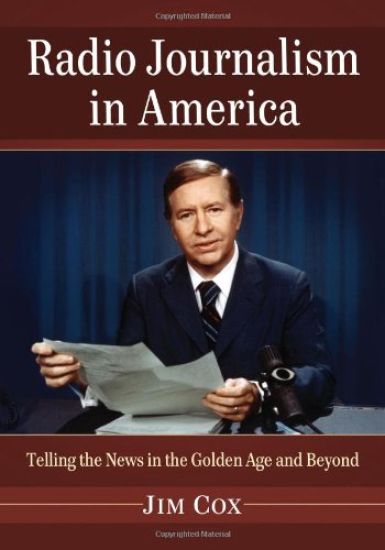
Radio Journalism in America

Radio Journalism in America

Jim Cox

McFarland Co Inc
2013
pokkari
This history of radio news reporting recounts and assesses the contributions of radio toward keeping America informed since the 1920s. It identifies distinct periods and milestones in broadcast journalism and includes a biographical dictionary of important figures who brought news to the airwaves. Americans were dependent on radio for cheap entertainment during the Great Depression and for critical information during the Second World War, when no other medium could approach its speed and accessibility. Radio's diminished influence in the age of television beginning in the 1950s is studied, as the aural medium shifted from being at the core of many families' activities to more specialized applications, reaching narrowly defined listener bases. Many people turned elsewhere for the news. (And now even TV is challenged by yet newer media.) The introduction of technological marvels throughout the past hundred years has significantly altered what Americans hear and how, when, and where they hear it.
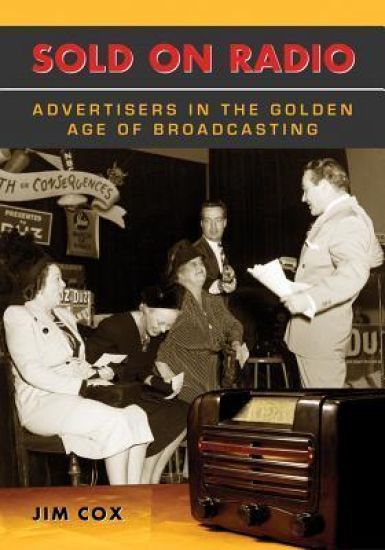
Sold on Radio

Sold on Radio

Jim Cox

McFarland Co Inc
2013
pokkari
How was it that America would fund its nascent national radio services? Government control and a subscription-like model were both considered! Soon an advertising system emerged, leading radio into its golden age from the 1920s to the early 1960s. This work, divided into two parts, studies the commercialization of network radio during its golden age. The first part covers the general history of radio advertising. The second examines major radio advertisers of the period, with profiles of 24 companies who maintained a strong presence on the airwaves. Appendices provide information on 100 additional advertisers, unusual advertisement formats, and a glossary. The book has notes and a bibliography and is fully indexed.
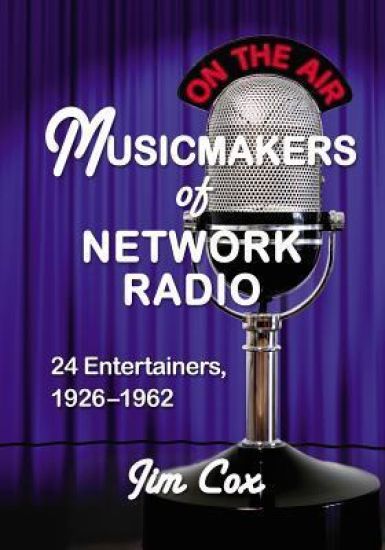
Musicmakers of Network Radio

Musicmakers of Network Radio

Jim Cox

McFarland Co Inc
2012
pokkari
Before television, radio was the sole source of simultaneous mass entertainment in America. The medium served as launching pad for the careers of countless future stars of stage and screen. Singers and conductors became legends by offering musical entertainment directly to Americans in their homes, vehicles, and places of work and play. This volume presents biographies of 24 renowned performers who spent a significant portion of their careers in front of a radio microphone. Profiles of individuals like Steve Allen, Rosemary Clooney, Bob Crosby, Johnny Desmond, Jo Stafford, and Percy Faith, along with groups such as the Ink Spots and the King's Men, reveal the private lives behind the public personas and bring to life the icons and ambiance of a bygone era.
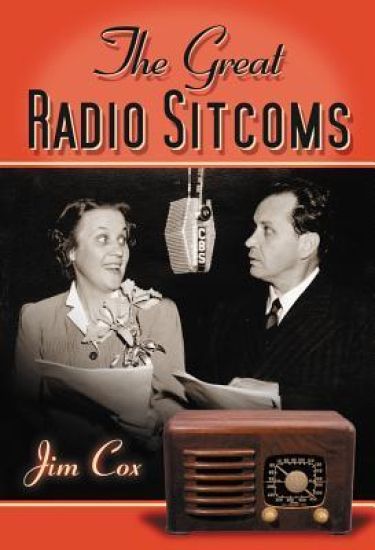
The Great Radio Sitcoms

The Great Radio Sitcoms

Jim Cox

McFarland Co Inc
2012
pokkari
On January 12, 1926, radio audiences heard the first exchanges of wit and wisdom between "Sam 'n' Henry"--the verbal jousters who would evolve into Amos 'n' Andy and whose broadcasts launched the radio sitcom. Here is a detailed look at 20 of the most popular such sitcoms that aired between the mid-1920s and early 1950s, the three-decade heyday of radio. Each series is discussed from an artistic standpoint, with attention to the program's character development and style of comedy as well as its influence on other shows. The book provides complete biographical profiles of each sitcom's stars as well as several actors whose careers consisted primarily of supporting roles. Appendices include an abbreviated summary of 13 sitcoms beyond those discussed in the main body of the book, and a comprehensive list of 170 radio sitcoms. Notes, bibliography, index.
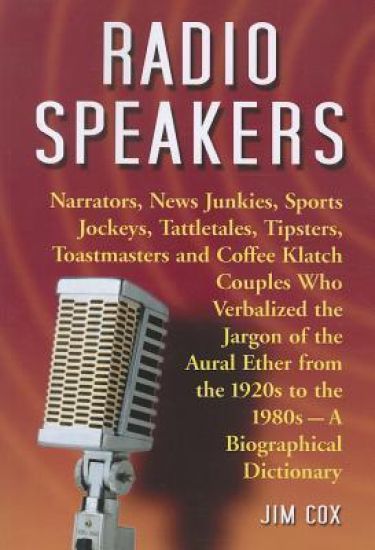
Radio Speakers

Radio Speakers

Jim Cox

McFarland Co Inc
2011
pokkari
In the days before television, radio was the constant voice in American life. When radio spoke, America listened--especially to the men and women who spoke directly to their unseen audience. Sometimes formal, sometimes as familiar as the friend next door, their presence filled the airwaves: announcers, newscasters, sportscasters, showbiz reporters, advice consultants, emcees and breakfast chatterboxes. These radio personalities became as popular and familiar as the most public faces of the time. Here among profiles of more than 1100 "radio speakers" are famous names like George Ansbro, Red Barber, H. V. Kaltenborn, Dorothy Kilgallen, Edward R. Murrow, Louella Parsons, Walter Winchell and more. Also amply represented are hundreds of lesser known individuals who left indelible auditory impressions. Whether their fame was forever or fleeting, all were a part of the American voice during the grand epoch of network radio.
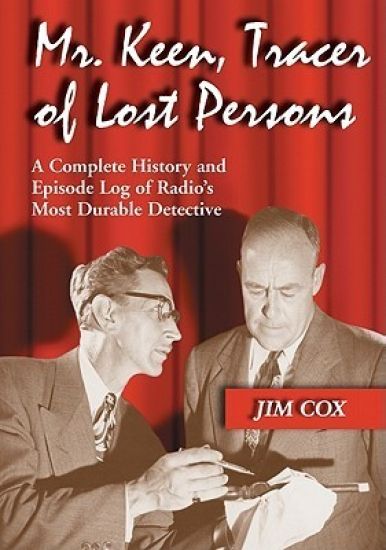
Mr. Keen, Tracer of Lost Persons

Mr. Keen, Tracer of Lost Persons

Jim Cox

McFarland Co Inc
2011
pokkari
That "kindly old investigator," Mr. Keen, sought missing persons and unraveled crimes longer than any other fictional detective ever heard or seen on the air. For 18 years (1937-1955) and 1690 nationwide broadcasts, Keen and his faithful assistant Mike Clancy kept listeners coming back for more. The nearest competitor, Nick Carter, Master Detective, ran for 726 broadcasts. This definitive history recounts the actors and creators behind the series, the changes the show underwent, and the development of the Mr. Keen character. A complete episode guide details all of the program's 1,690 broadcasts.
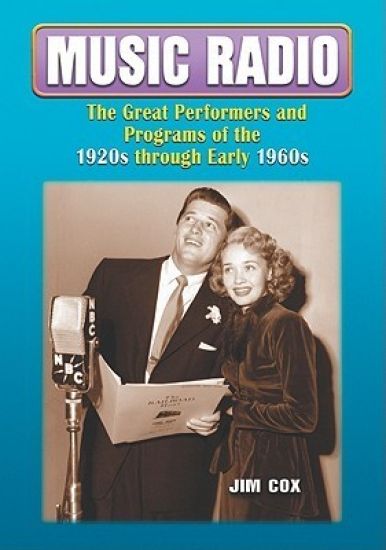
Music Radio

Music Radio

Jim Cox

McFarland Co Inc
2011
pokkari
Long before the invention of "talk radio," music was the heart and soul of radio programming--whether standing alone, filling in the time between features, or identifying to widespread audiences the shows coming on and signing off the air. Jim Cox's Music Radio encompasses the entire range of musical programming from the early 1920s to the early 1960s. Jazz, country, classical, gospel, pop, big band, western, and semi-classical forms are covered, as are the vocalists, instrumentalists and disc jockeys who made them available to listeners. Virtually all the major series and artists are explored in depth, and lesser known shows and performers are touched on as well. Some of the series included are The Bing Crosby Show, The Chamber Music Society of Lower Basin Street, The Fred Waring Show, Grand Ole Opry, The Bell Telephone Hour, The Cities Service Concerts, Your Hit Parade, The Kate Smith Show, The Railroad Hour, and The Voice of Firestone.
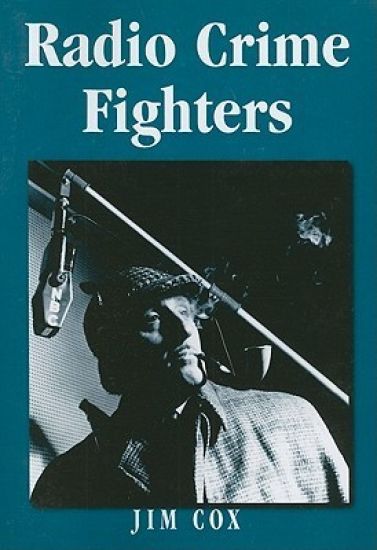
Radio Crime Fighters

Radio Crime Fighters

Jim Cox

McFarland Co Inc
2010
pokkari
In the early days of radio, producers, directors and scriptwriters were well aware of the listening public's fascination with subject matter tinged with wrongdoing. Stories of right and wrong, crime and punishment, and law and order kept audiences of every age hooked for more than thirty years. This work covers 300+ syndicated radio mystery and adventure serials that aired in the early or middle twentieth century. To be included, a series must have had one or more regularly appearing characters who fought against espionage, theft, murder and other crimes. Each entry includes series name, air dates, sponsor, extant episodes, cast information and synopsis.
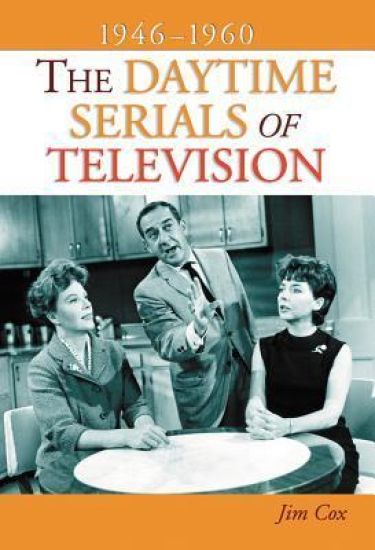
The Daytime Serials of Television, 1946-1960
The popularity of soap operas on radio made them a natural for the new medium of television, where soaps quickly became an audience favorite. As television soap operas developed, so did the level of sophistication in delivery, writing and production. This history of television's "golden age" soaps begins with an overview of earlier serialized entertainments. An analysis of early TV soap stars, personnel and production follows, taking 40 programs into account. Ensuing chapters offer in-depth treatments of the serials Search for Tomorrow, Love of Life, The Guiding Light, The Secret Storm, As the World Turns and The Edge of Night. Appendices include chronological and alphabetical directories of period daytime serials and rankings of the durability of programs, actors and actresses, announcers and sponsors.
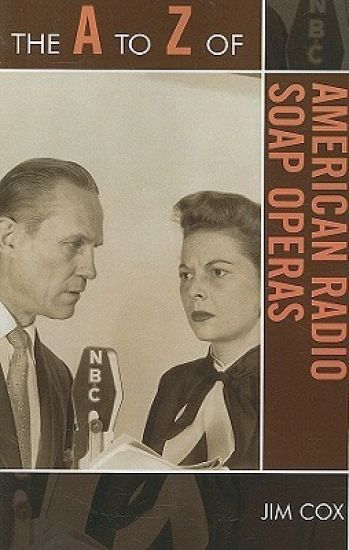
The A to Z of American Radio Soap Operas
The period from 1925 to 1960 was the heyday of the American Radio Soap Opera. In addition to being part of popular culture, the soap opera had important commercial aspects as well that were not only related to their production, but also to the desperate need to sell products or perish. Both sides of this story are traced in this comprehensive compendium. The dictionary section, made up of more than 500 cross-referenced entries, provides brief vignettes of the more popular and also less well-known "soaps," among them Back Stage Wife, Our Gal Sunday, Pepper Young's Family and The Guiding Light. Other entries evoke those who brought these programs to life: the actors, announcers, scriptwriters, networks, and even the sponsors. Nor are the basic themes, the stock characters and the gimmick, forgotten. The book's introduction defines the soap opera, examines the span of the radio serial, reviews its origins and its demise, and focuses on the character types that made up its denizens. The chronology outlines the period and the bibliography offers further reading. Together, these elements make a comprehensive reference work that researchers will find invaluable long into the future.
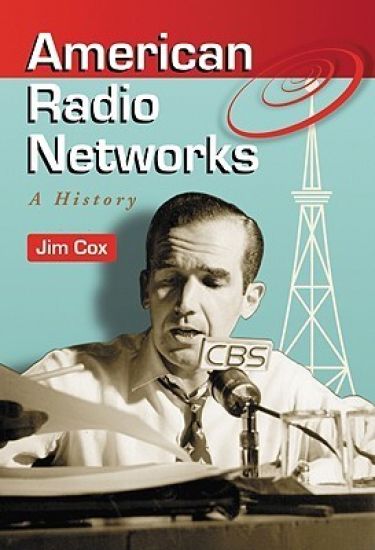
American Radio Networks

American Radio Networks

Jim Cox

McFarland Co Inc
2009
pokkari
This history of commercial radio networks in the United States provides a wealth of information on broadcasting from the 1920s to the present. It covers the four transcontinental webs that operated during the pre-television Golden Age, plus local and regional hookups, and the developments that have occurred in the decades since, including the impact of television, the rise of the disc jockey, the rise of talk radio and other specialized formats, implications of satellite technology and consolidation of networks and local stations.
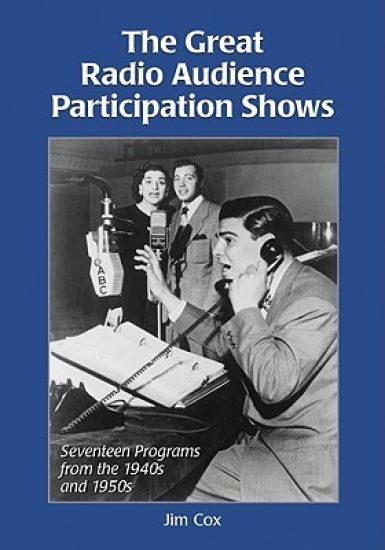
The Great Radio Audience Participation Shows
This work contains the histories of Arthur Godfrey's Talent Scouts, Art Linkletter's House Party, Break the Bank, The Breakfast Club, Bride and Groom, Can You Top This?, Dr. Christian, Dr. I. Q., Double or Nothing, Information Please, Queen for a Day, Stop the Music!, Strike It Rich, Take It or Leave It, Truth or Consequences, Welcome Travelers, and You Bet Your Life, all from the 1940s and 1950s. Included for each show are the premise it was based upon, the producers, host, announcer, vocalists, orchestra conductor, writers, and sponsors, and the air dates and ratings. Biographical sketches are provided for 177 individuals.
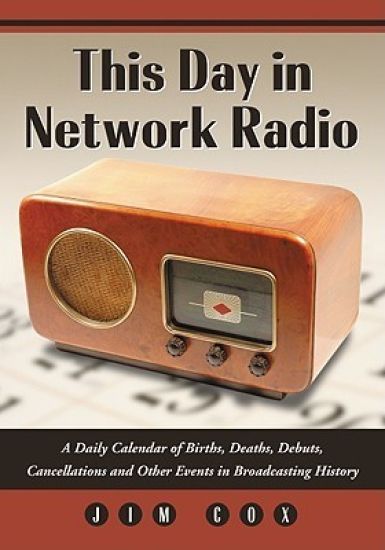
This Day in Network Radio

This Day in Network Radio

Jim Cox

McFarland Co Inc
2008
pokkari
For each day of the calendar, this unique work details events that have significantly affected American network radio since the mid-1920s. Entries recount occasions, practices, or decisions which left indelible marks on broadcasting (listed by date of occurrence); the debuts and cancellations of programs; and births and deaths of important people in radio history--not only headliners but also less recognized individuals, from radio executives and producers to writers, sound techs, engineers, consultants, hawkers and impersonators.
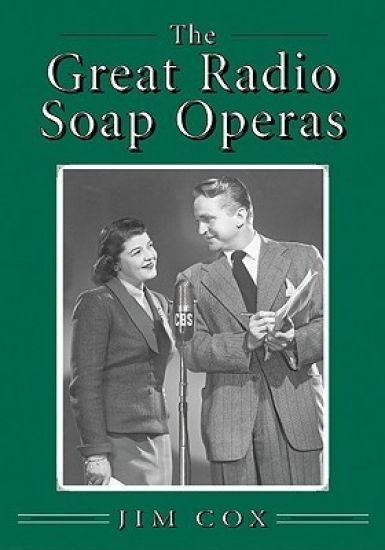
The Great Radio Soap Operas

The Great Radio Soap Operas

Jim Cox

McFarland Co Inc
2008
pokkari
This reference work contains exhaustive histories of 31 of network radio's most durable soap operas on the air between 1930 and 1960. The soap operas covered are Aunt Jenny's Real Life Stories, Backstage Wife, Big Sister, The Brighter Day, David Harum, Front Page Farrell, The Guiding Light, Hilltop House, Just Plain Bill, Life Can Be Beautiful, The Light of the World, Lora Lawton, Lorenzo Jones, Ma Perkins, One Man's Family, Our Gal Sunday, Pepper Young's Family, Perry Mason, Portia Faces Life, The Right to Happiness, Road of Life, The Romance of Helen Trent, Rosemary, The Second Mrs. Burton, Stella Dallas, This Is Nora Drake, Today's Children, Wendy Warren and the News, When a Girl Marries, Young Doctor Malone, and Young Widder Brown. Included for each series are the drama's theme and story line, an in-depth focus on the major characters, and a listing of producers, directors, writers, announcers, casts, sponsors, ratings, and broadcast dates, times and networks. Profiles of 158 actors, actresses, creators and others who figured prominently in a serial's success are also provided.
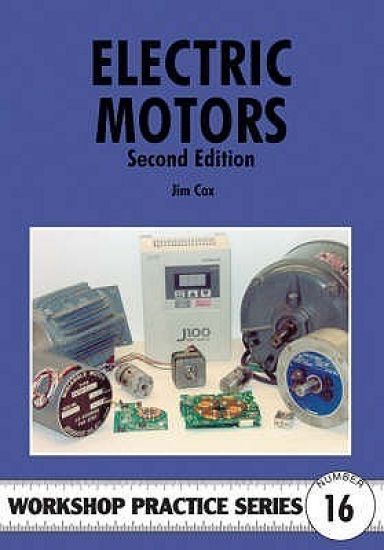
Electric Motors

Electric Motors

Jim Cox

Special Interest Model Books
2007
pokkari
All types of electric motors for workshop use are described here. Principles, characteristics, operation, installation, speed control, braking etc. plus generators, safety, testing and a useful section on identifying and applying scrap motors.