Kirjailija
Johannes Karl Fink
Kirjat ja teokset yhdessä paikassa: 28 kirjaa, julkaisuja vuosilta 2009–2024, suosituimpiin kuuluu High Performance Polymers. Vertaile teosten hintoja ja tarkista saatavuus suomalaisista kirjakaupoista.
28 kirjaa
Kirjojen julkaisuvuodet: 2009–2024.
FOOD SAFETY, PLASTICS AND SUSTAINABILITY A unique book by a well-known polymer scientist on a subject that is trending in plastics engineering. This book focuses on plastics for food safety, materials, chemicals and methods, as well as the applications of these polymers. The book begins with a chapter on food safety. Here, food security and the issues of migration of substances from packaging into the corresponding food, as well as the impact of microplastics on humans and the environment are discussed. In the next chapter, regulations, standards, and specifications are detailed. In another chapter, testing methods, such as risk assessment, freshness testing of food, and food colorants are discussed. In the chapter entitled “Food Packaging”, the methods that can be used for these issues are given as well as the special materials for food packaging. The chapter on materials includes a discussion on nanocomposites, biopolymers, microplastics, and edible films. This is followed by chapters on additives and applications, such as functional food applications. The final chapter covers the identification of the materials, the methods for recycling, plastic waste generation, and post-consumer polyolefins. Three separate indexes ensure a reader/user-friendly experience.
CONTACT LENSES The book focuses on the chemistry and properties of contact lenses and their fabrication methods. With research & development continuing in the field, this comprehensive book takes a look at the last 10 years in terms of new materials, chemistry methods, applications, and fabrication techniques. New applications include drug delivery, lenses for augmented reality, electronic contact lenses, and wearable smart contact lenses. In addition, the book discusses simulation methods for contact lenses, such as ocular topography parameters, gas permeable lenses, and computerized videokeratography. On the fabrication front, several common fabrication methods for contact lenses are detailed, including the computer-aided contact lens design, methods for the fabrication of colored contact lenses, and the fabrication of decentered contact lenses. Special processes are reviewed, including, mold processes, reactive ion etching, electrospinning, and others. Also discussed are the properties of contact lenses and methods for the measurement. Many of the standard methods are discussed, but other issues are taken up too including a discussion on the assessment of cytotoxic effects, the Schirmer tear test, and others. The book concludes with a chapter detailing the possible medical problems related to contact lenses and how to avoid them. These include eye diseases, allergic and toxic reactions, as well as methods for medical treatment such as disinfection agents. Audience The book will be used by chemists, polymer scientists, ophthalmologists, engineers in the contact lens industry as well as polymer industries.
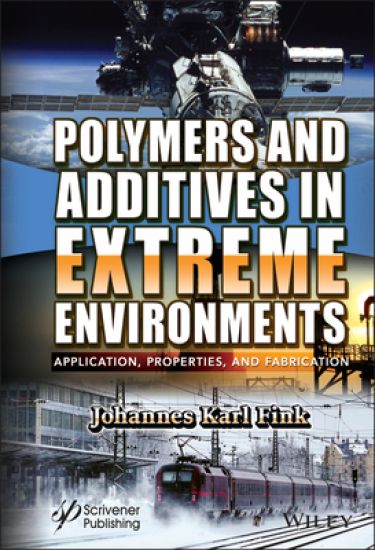
POLYMERS AND ADDITVES IN EXTREME ENVIRONMENTS Uniquely catalogs polymers and additives for uses in extreme applications such as in high or low pressure, high or low temperature, deep water and other special applications. The book includes chapters on aqueous environments including polymeric membranes for water purification and wastewater treatment; extreme pressure environments such as oils and lubricants for combustion engines as well as materials used for deep drilling such as surfactants, scale inhibitors, foaming agents, defoamers, propellants, fracturing fluids; extreme temperatures is subdivided in high and low temperature applications including gasketing materials, fuel tank sealants, expulsion bladders, fuel cell materials, and on the other hand, cold weather articles and thermoregulatory textiles; electrical applications include solar cell devices, triboelectric generators, fuel cell applications, electrochromic materials and batteries; medical applications include polymers for contact lenses, materials for tissue engineering, sophisticated drug delivery systems; aerospace applications include outer space applications such as low temperature and pressure, also cosmic rays, outgassing, and atomic erosion, as well as materials for electrostactic dissipative coatings and space suits; a final chapter detailing materials that are used in other extreme environments, such as adhesives, and polymeric concrete materials. Audience Materials and polymer scientists working in manufacturing and plastics, civil and mechanical engineers in various industries such as automotive, aircraft, space, marine and shipping, electronics, construction, electrical, etc. will find this book essential. The book will also serve the needs of engineers and specialists who have only a passing contact with polymers and additives in industrial setting need to know more.
This book focuses on the chemistry and applications of flame retardants for polymers and other materials. It starts with a description and types of flame retardants, as well as their properties and chemical structures, to include chlorine- and bromine-containing flame retardants, phosphorus-based flame retardants, nitrogen-based flame retardants, and silicones. Inorganic materials that serve as flame retardants, such as boron-based additives, graphenes, and others are discussed in detail. In addition, the following subjects are discussed in detail: Flame retardant polymersThe mechanisms of flame retardants, such as flame cooling, synergetic effects, degradation of flame retardants, and othersOther flame retardant compositions, such as dripping inhibitors and smoke suppressantsTesting methods for flame retardants, international standards, human health hazards, such as smoke toxicity and problems with wastesSynthesis and fabrication methods, as well as recycling methodsThe application of flame retardants to the coating material using 3D printing, reactive coating, and bulk addition methodsNon-burning comonomers, foams, nanocomposites and bio-based materialsFlame retardants with other textiles, such as wool and electrical applications such as batteries
The focus of this book is the chemistry of environmental engineering and its applications, with a special emphasis on the use of polymers in this field. It explores the creation and use of polymers with special properties such as viscoelasticity and interpenetrating networks; examples of which include the creation of polymer-modified asphalt as well as polymers with bacterial adhesion properties. The text contains the issues of polymerization methods, recycling methods, wastewater treatment, types of contaminants, such as microplastics, organic dyes, and pharmaceutical residues. After a detailed overview of polymers in Chapter 1, their special properties are discussed in the following chapter. Among the topics is the importance of polymers to water purification procedures, since their use in the formation of reverse osmosis membranes do not show biofouling. Chapter 3 details special processing methods, such as atom transfer radical polymerization, enzymatic polymerization, plasma treatment, and several other methods, can be used to meet the urgent demands of industrial applications. Chapter 4 addresses the important environmental issue of recycling methods as they relate to several types of materials such as PET bottles, tire rubbers, asphalt compositions, and other engineering resins. And wastewater treatment is detailed in Chapter 5, in which the types of contaminants, such as microplastics, organic dyes and pharmaceutical residues, are described and special methods for their proper removal are detailed along with types of adsorbents, including biosorbents. Still another important issue for environmental engineering chemistry is pesticides. Chapter 6 is a thorough description of the development and fabrication of special sensors for the detection of certain pesticides. A detailed presentation of the electrical uses of polymer-based composites is given in Chapter 7, which include photovoltaic materials, solar cells, energy storage and dielectric applications, light-emitting polymers, and fast-charging batteries. And recent issues relating to food engineering, such as food ingredient tracing, protein engineering, biosensors and electronic tongues, are presented in Chapter 8. Finally, polymers used for medical applications are described in Chapter 9. These applications include drug delivery, tissue engineering, porous coatings and also the special methods used to fabricate such materials.
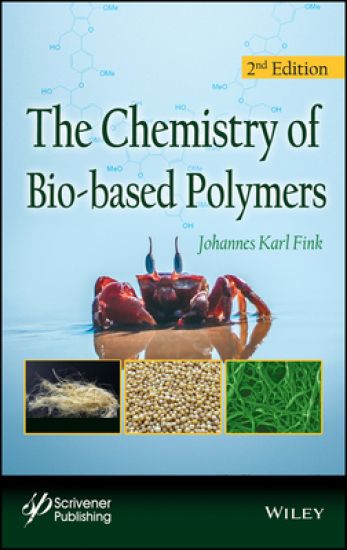
The recent explosion of interdisciplinary research has fragmented the knowledge base surrounding renewable polymers. The Chemistry of Bio-based Polymers, 2nd edition brings together, in one volume, the research and work of Professor Johannes Fink, focusing on biopolymers that can be synthesized from renewable polymers. After introducing general aspects of the field, the book's subsequent chapters examine the chemistry of biodegradable polymeric types sorted by their chemical compounds, including the synthesis of low molecular compounds. Various categories of biopolymers are detailed including vinyl-based polymers, acid and lactone polymers, ester and amide polymers, carbohydrate-related polymers and others. Procedures for the preparation of biopolymers and biodegradable nanocomposites are arranged by chemical methods and in vitro biological methods, with discussion of the issue of "plastics from bacteria." The factors influencing the degradation and biodegradation of polymers used in food packaging, exposed to various environments, are detailed at length. The book covers the medical applications of bio-based polymers, concentrating on controlled drug delivery, temporary prostheses, and scaffolds for tissue engineering. Professor Fink also addresses renewable resources for fabricating biofuels and argues for localized biorefineries, as biomass feedstocks are more efficiently handled locally.
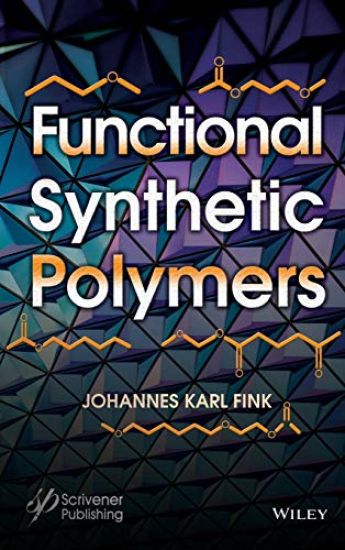
The text focuses on the basic issues and also the literature of the past decade. The book provides a broad overview of functional synthetic polymers. Special issues in the text are: Surface functionalization supramolecular polymers, shape memory polymers, foldable polymers, functionalized biopolymers, supercapacitors, photovoltaic issues, lithography, cleaning methods, such as recovery of gold ions olefin/paraffin, separation by polymeric membranes, ultrafiltration membranes, and other related topics.
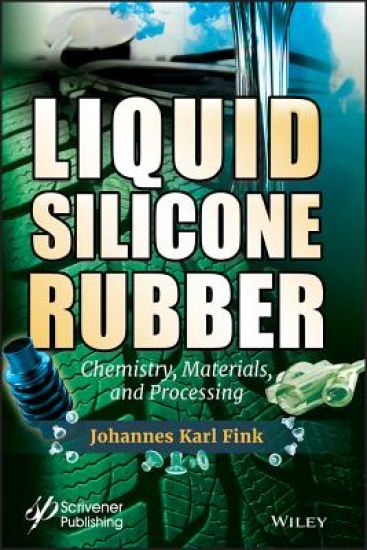
One of the very few books devoted to the chemistry, materials and processing of liquid silicone rubber The scientific literature with respect to liquid silicone rubber is collected in this monograph. The text focuses on the fundamental issues such as properties, curing methods, special materials, as well as the latest developments, and provides a broad overview of the materials used therein. In particular, materials and compositions for liquid functional rubbers are discussed. Methods of curing and special properties are also described, such as tracking and erosion resistance, adhesion properties, storage and thermal stability. Methods of curing are precision casting, hybrid additive manufacturing, peroxide curing, ultraviolet curing, liquid injection moulding, or hot embossing. The book includes applications including automotive and underwater applications, electrical and optical uses, as well as medical uses.
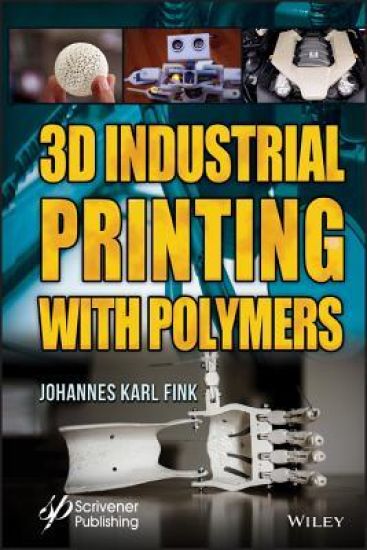
3D industrial printing has become mainstream in manufacturing. This unique book is the first to focus on polymers as the printing material. The scientific literature with respect to 3D printing is collated in this monograph. The book opens with a chapter on foundational issues such and presents a broad overview of 3D printing procedures and the materials used therein. In particular, the methods of 3d printing are discussed and the polymers and composites used for 3d printing are detailed. The book details the main fields of applications areas which include electric and magnetic uses, medical applications, and pharmaceutical applications. Electric and magnetic uses include electronic materials, actuators, piezoelectric materials, antennas, batteries and fuel cells. Medical applications are organ manufacturing, bone repair materials, drug-eluting coronary stents, and dental applications. The pharmaceutical applications are composite tablets, transdermal drug delivery, and patient-specific liquid capsules. A special chapter deals with the growing aircraft and automotive uses for 3D printing, such as with manufacturing of aircraft parts and aircraft cabins. In the field of cars, 3D printing is gaining importance for automotive parts (brake components, drives), for the fabrication of automotive repair systems, and even 3D printed vehicles.
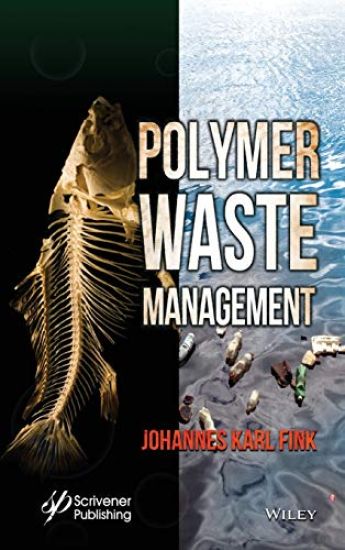
The world is literally awash with plastics and this book practically provides a broad overview of plastic recycling procedures and waste management. With the huge amount of plastics floating in the oceans, fish and other sea creatures are directly suffering the consequences. On land, city leaders and planners are banning one-use plastics as well as plastic bags from grocery stores in an effort to stem the use. Many countries have made official announcements and warnings concerning the pollution caused from plastic wastes. These urgent developments have stimulated the author to study the problem and write Polymer Waste Management. Plastic recycling refers to a method that retrieves the original plastic material. However, there are many sophisticated methods available for the treatment and management of waste plastics such as basic primary recycling, where the materials are sorted and collected individually. In chemical recycling, the monomers and related compounds are processed by special chemical treatments. Other methods, such as pyrolysis, can produce fuels from waste plastics. These methods and others are treated comprehensively in the book. This groundbreaking book also discusses: General aspects, such as amount of plastics production, types of waste plastics, analysis procedures for identification of waste plastic types, standards for waste treatment, contaminants in recycled plastics. Environmental aspects, such as pollution in the marine environment and landfills. The advantages of the use of bio-based plastics. Recycling methods for individual plastic types and special catalysts.
Materials, Chemicals and Methods for Dental Applications
Johannes Karl Fink
John Wiley Sons Inc
2018
sidottu
Includes both a broad technical overview of dental materials and the chemicals that are used for the preparation and fabrication of dental materials in all dental applications This book focuses on the materials used for dental applications by looking at the fundamental issues and the developments that have taken place the past decade. While it provides a broad overview of dental materials, the chemicals that are used for the preparation and fabrication of dental materials are explained as well. Also, the desired properties of these materials are discussed and the relevance of the chemical, physical, and mechanical properties is elucidated. Methods for the characterization and classification, as well as clinical studies are reviewed here. In particular, materials for dental crowns, implants, toothpaste compositions, mouth rinses, as well as materials for toothbrushes and dental floss are discussed. For example, in toothpaste compositions, several classes of materials and chemicals are incorporated, such as abrasives, detergents, humectants, thickeners, sweeteners, coloring agents, bad breath reduction agents, flavoring agents, tartar control agents, and others. These chemicals, together with their structures, are detailed in the text.
This book focuses on the materials used for fuel cells, solar panels, and storage devices, such as rechargeable batteries. Fuel cell devices, such as direct methanol fuel cells, direct ethanol fuel cells, direct urea fuel cells, as well as biological fuel cells and the electrolytes, membranes, and catalysts used there are detailed. Separate chapters are devoted to polymer electrode materials and membranes. With regard to solar cells, the types of solar cells are detailed, such as inorganic-organic hybrid solar cells, solar powered biological fuel cells, heterojunction cells, multi-junction cells, and others. Also, the fabrication methods are described. Further, the electrolytes, membranes, and catalysts used there are detailed. The section that is dealing with rechargeable batteries explains the types of rechargeable devices, such as aluminum-based batteries, zinc batteries, magnesium batteries, and lithium batteries. Materials that are used for cathodes, anodes and electrolytes are detailed. The text focuses on the basic issues and also the literature of the past decade. Beyond education, this book may serve the needs of polymer specialists as well as other specialists, e.g., materials scientists, electrochemical engineers, etc., who have only a passing knowledge of these issues, but need to know more.
Reactive Polymers: Fundamentals and Applications
Johannes Karl Fink
William Andrew Publishing
2017
sidottu
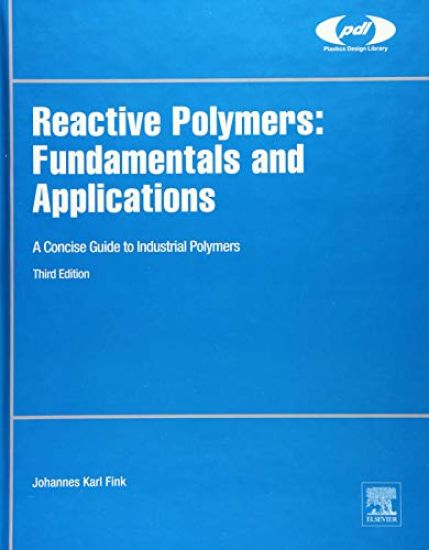
Reactive Polymers: Fundamentals and Applications: A Concise Guide to Industrial Polymers, Third Edition introduces engineers and scientists to a range of reactive polymers and then details their applications and performance benefits. Basic principles and industrial processes are described for each class of reactive resin (thermoset), as well as additives, the curing process, applications and uses. The initial chapters are devoted to individual resin types (e.g., epoxides, cyanacrylates), followed by more general chapters on topics such as reactive extrusion and dental applications. Injection molding of reactive polymers, radiation curing, thermosetting elastomers, and reactive extrusion equipment are covered as well. The use of reactive polymers enables manufacturers to make chemical changes at a late stage in the production process, which, in turn, cause changes in performance and properties. Material selection and control of the reaction are essential to achieve optimal performance. Material new to this edition includes the most recent developments, applications and commercial products for each chemical class of thermosets, as well as sections on fabrication methods, reactive biopolymers, recycling of reactive polymers and case studies.
Chemicals and Methods for Conservation and Restoration
Johannes Karl Fink
John Wiley Sons Inc
2017
sidottu
Halvin toimitettuna 217,20 €
Before the 1970s, most information concerning the conservation and restoration of paintings, wood, and archaeological artefacts were focused on the history of the artefacts, previous attempts of conservation, and the future use of these artefacts. The technical methods of how the restoration and conservation were made were dealt with only very briefly. Today, sophisticated methods of scientific analysis such as DNA are common place, and this encourages conservators and scientists to work together to work out the development of new methods for analysis and conservation of artefacts. This book focuses on the chemicals used for conservation and restoration of various artefacts in artwork and archaeology, as well as special applications of these materials. Also the methods used, both methods for cleaning, conservation and restoration, as well as methods for the analysis of the state of the respective artefacts. Topics include oil paintings, paper conservation, textiles and dyes for them, archaeological wood, fossils, stones, metals and metallic coins, and glasses, including church windows.
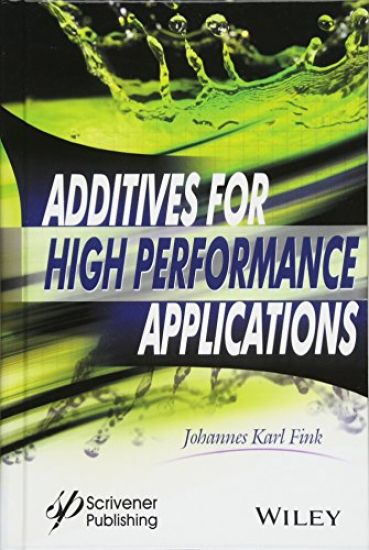
This book focuses on the chemistry of additives for high performance applications and a large number of chemical formulas are displayed in the text. The additives applications include: Analysis and separation techniques, such as high performance liquid chromatography, for example ionic liquids. Additives for electrical applications, such as capacitors, electrokinetic micropumps, lithium-ion batteries, and other battery types. Additives for solar cells for control of the active layer nanomorphology are documented as are additives for electrolyte membranes, fuel cells, such as membrane exchange humidifiers and coolant additives. Medical applications include high performance additives for the manufacture of scaffolds, controlled drug release, and nanofibers. Additives for lubricants including the deposit control, anti-wear additives, fluid loss control additives in drilling applications. Additives for concrete uses such as set retarders, curing accelerators, defoamers, permeability control additives, and corrosion protection additives.
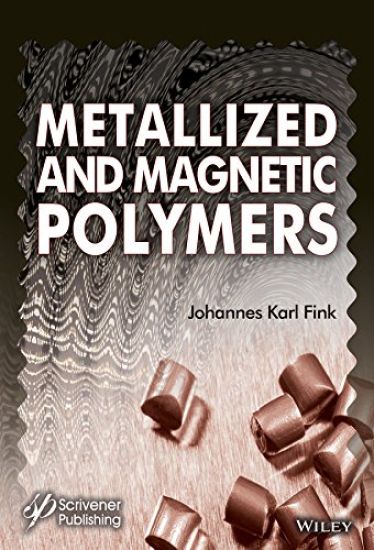
This book focuses on the chemistry of metallized and magnetic polymers, as well as the special applications of these materials. After an introductory section on the general aspects of the field, the types and uses of these polymers are detailed, followed by an overview of the testing methods. The book is divided equally into two parts – metallized polymers and magnetic polymers – and both parts follow the same structure: All methods of fabricationProperties and methods of measurement including standard test methods and interface propertiesFields of applicationsEnvironmental issues including recycling and biodegradable polymers
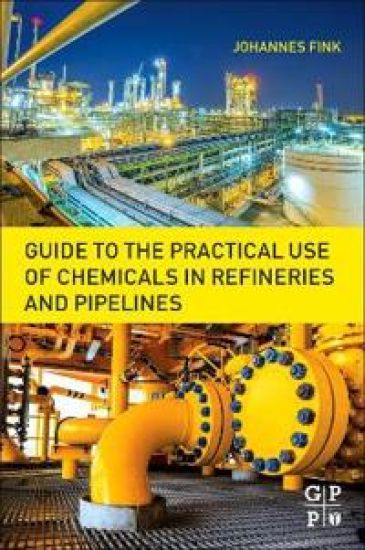
Guide to the Practical Use of Chemicals in Refineries and Pipelines
Johannes Karl Fink
Gulf Professional Publishing
2016
nidottu
Guide to Practical Use of Chemicals in Refineries and Pipelines delivers a well-rounded collection of content, references, and patents to show all the practical chemical choices available for refinery and pipeline usage, along with their purposes, benefits, and general characteristics. Covering the full spectrum of downstream operations, this reference solves the many problems that engineers and managers currently face, including corrosion, leakage in pipelines, and pretreatment of heavy oil feedstocks, something that is of growing interest with today's unconventional activity. Additional coverage on special refinery additives and justification on why they react the way they do with other chemicals and feedstocks is included, along with a reference list of acronyms and an index of chemicals that will give engineers and managers the opportunity to recognize new chemical solutions that can be used in the downstream industry.
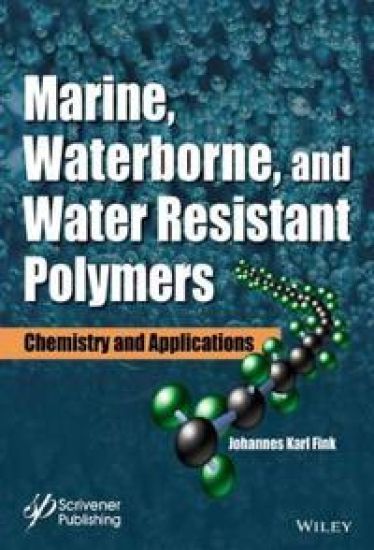
Marine, Waterborne, and Water-Resistant Polymers
Johannes Karl Fink
John Wiley Sons Inc
2015
sidottu
This book focuses on the chemistry of marine polymers, waterborne polymers, and water-resistant polymers, as well as the special applications of these materials. After the chemistry of marine polymers and their types are discussed, the uses of these polymers are detailed, as well as various analytical and characterization testing methods. The book also emphasizes the polymers that are most environmentally-friendly along with their origin and industrial applications. The polymers from these 3 types serve a variety of industries including medical equipment and devices, outdoor coatings and corrosion protection, food packaging, saltwater and freshwater marine purposes such as marine ropes, boat coatings, pipeline protection, and marine well application, to name just a few.
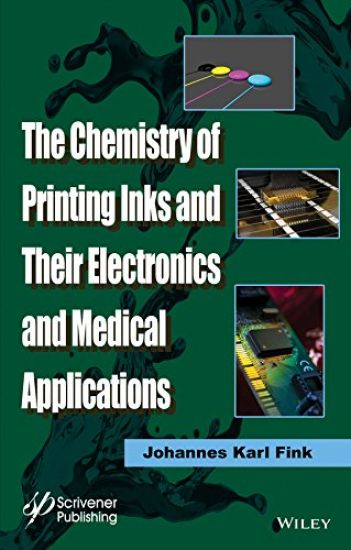
The Chemistry of Printing Inks and Their Electronics and Medical Applications
Johannes Karl Fink
John Wiley Sons Inc
2014
sidottu
This book focuses on the chemistry of inkjet printing inks, as well to special applications of these materials. As is well-documented, this issue has literallyexploded in the literature in particular in the patent literature. After an introductory section to the general aspects of the field, the types and uses of inkjet printing inks are summarized followed by an overview on the testing methods. Special compounds used as additives dyes, and pigments in inkjet printing inks are documented. The applications to the medical field – drug delivery systems, tissue engineering, bioprinting in particular – are detailed. The applications in the electronics industry are also documented such as flexible electronics, integrated circuits, liquid crystal displays, along a description of their special inks. The book incorporates many structures of the organic compounds used for inkjet printing inks as they may not be familiar to the polymer and organic chemists.
Physical Chemistry in Depth
Johannes Karl Fink
Springer-Verlag Berlin and Heidelberg GmbH Co. K
2014
nidottu
"Physical Chemistry in Depth" is not a stand-alone text, but complements the text of any standard textbook on "Physical Chemistry" into depth having in mind to provide profound understanding of some of the topics presented in these textbooks. Standard textbooks in Physical Chemistry start with thermodynamics, deal with kinetics, structure of matter, etc. The "Physical Chemistry in Depth" follows this adjustment, but adds chapters that are treated traditionally in ordinary textbooks inadequately, e.g., general scaling laws, the graphlike structure of matter, and cross connections between the individual disciplines of Physical Chemistry. Admittedly, the text is loaded with some mathematics, which is a prerequisite to thoroughly understand the topics presented here. However, the mathematics needed is explained at a really low level so that no additional mathematical textbook is needed.