Kirjojen hintavertailu – 12 859 819 kirjaa ja 27 kauppaa

Kirjailija

John Kendrick Bangs

Kirjat ja teokset yhdessä paikassa: 651 kirjaa, julkaisuja vuosilta 1894–2026, suosituimpiin kuuluu Alice in Blunderland. Vertaile teosten hintoja ja tarkista saatavuus suomalaisista kirjakaupoista.

651 kirjaa

Kirjojen julkaisuvuodet: 1894–2026.

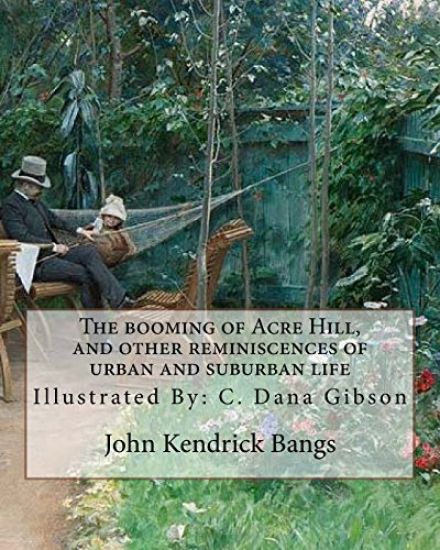
The booming of Acre Hill, and other reminiscences of urban and suburban life: By: John Kendrick Bangs, Illustrated By: C. Dana Gibson (September 14, 1
John Kendrick Bangs (May 27, 1862 - January 21, 1922) was an American author, humorist, editor and satirist. Biography: He was born in Yonkers, New York. His father Francis Nehemiah Bangs was a lawyer in New York City, as was his brother, Francis S. Bangs. He went to Columbia College from 1880 to 1883 where he became editor of Columbia's literary magazine, Acta Columbia, and contributed short anonymous pieces to humor magazines. After graduation in 1883 with a Bachelor of Philosophy degree in Political Science, Bangs entered Columbia Law School but left in 1884 to become Associate Editor of Life under Edward S. Martin. Bangs contributed many articles and poems to the magazine between 1884 and 1888. During this period, Bangs published his first books. In 1888 Bangs left Life to work at Harper's Magazine, Harper's Bazaar and Harper's Young People, though he continued to contribute to Life. From 1889 to 1900 he held the title of Editor of the Departments of Humor for all three Harper's magazines and from 1899 to 1901 served as active editor of Harper's Weekly. Bangs also served for a short time (January-June 1889) as the first editor of Munsey's Magazine and became editor of the American edition of the Harper-owned Literature from January to November 1899. In 1894, Bangs ran for the office of mayor of Yonkers, New York, but was defeated. He also was a member of the Board of Education in Yonkers. He left Harper & Brothers in 1901 and became editor of the New Metropolitan magazine in 1903. In 1904 he was appointed editor of Puck, perhaps the foremost American humor magazine of its day. In this period, he revived his earlier interest in drama. In 1906 he switched his focus to the lecture circuit. During the period between 1901 and 1906, Mr. Bangs was known to have spent at least parts of his summers at the Profile House in Franconia, New Hampshire. He owned one of the 20 connected cottages adjacent to the large hotel, which he sold to Cornelius Newton Bliss in August 1906. As a satirical writer, he was also known in the "Profile Cottage" circles as a jokester and prankster and was frequently the jovial topic of hotel guests and cottage owners alike. In 1918, he lectured for the Young Men's Christian Association and allied troops on the battle front in France during World War In 1886, he married Agnes L. Hyde, with whom he had three sons. Agnes died in 1903. Bangs then married Mary Blakeney Gray of New York in 1904. In 1907 they moved from Yonkers to Ogunquit, Maine. John Kendrick Bangs died from stomach cancer in 1922 at age fifty-nine, in Atlantic City, New Jersey.................. Charles Dana Gibson (September 14, 1867 - December 23, 1944) was an American graphic artist, best known for his creation of the Gibson Girl, an iconic representation of the beautiful and independent American woman at the turn of the 20th century. His wife, Irene Langhorne, and her four beautiful sisters inspired his images. He published his illustrations in Life magazine and other major national publications for more than 30 years, becoming editor in 1918 and later owner of the general interest magazine. Early life; Gibson was born in Roxbury, Massachusetts, the son of Josephine Elizabeth (n e Lovett) and Charles DeWolf Gibson. He had a sister Josephine Gibson. One of their great-grandfathers was U. S. Senator James DeWolf, and a great-great-grandfather was U. S. Senator William Bradford. His sister Josephine inherited Longfield (Bristol, Rhode Island) from their paternal grandmother, Abby DeWolf Gibson. A talented youth with an early interest in art, Gibson was enrolled by his parents in New York City's Art Students League, where he studied for two years.....

In camp with a tin soldier. By: John Kendrick Bangs, illustrated By: E. M. Ashe: Edmund Marion Ashe (1867-1941) was an American artist.
Edmund Marion Ashe (1867-1941) was an American artist. He was most known for his varying styles of art, which included faithful representations of factories, posters of World War I bond drives, and watercolors of the Gibson Girl. Early life and education: Edmund Ashe was born in New York, and grew up in Staten Island, New York Ashe studied at the Metropolitan Art School and the Art Students League with John Ward Stimson and Charles Vanderhoof.................... John Kendrick Bangs (May 27, 1862 - January 21, 1922) was an American author, humorist, editor and satirist. Biography: He was born in Yonkers, New York. His father Francis Nehemiah Bangs was a lawyer in New York City, as was his brother, Francis S. Bangs. He went to Columbia College from 1880 to 1883 where he became editor of Columbia's literary magazine, Acta Columbia, and contributed short anonymous pieces to humor magazines. After graduation in 1883 with a Bachelor of Philosophy degree in Political Science, Bangs entered Columbia Law School but left in 1884 to become Associate Editor of Life under Edward S. Martin. Bangs contributed many articles and poems to the magazine between 1884 and 1888. During this period, Bangs published his first books. In 1888 Bangs left Life to work at Harper's Magazine, Harper's Bazaar and Harper's Young People, though he continued to contribute to Life. From 1889 to 1900 he held the title of Editor of the Departments of Humor for all three Harper's magazines and from 1899 to 1901 served as active editor of Harper's Weekly. Bangs also served for a short time (January-June 1889) as the first editor of Munsey's Magazine and became editor of the American edition of the Harper-owned Literature from January to November 1899. In 1894, Bangs ran for the office of mayor of Yonkers, New York, but was defeated. He also was a member of the Board of Education in Yonkers. He left Harper & Brothers in 1901 and became editor of the New Metropolitan magazine in 1903. In 1904 he was appointed editor of Puck, perhaps the foremost American humor magazine of its day. In this period, he revived his earlier interest in drama. In 1906 he switched his focus to the lecture circuit. During the period between 1901 and 1906, Mr. Bangs was known to have spent at least parts of his summers at the Profile House in Franconia, New Hampshire. He owned one of the 20 connected cottages adjacent to the large hotel, which he sold to Cornelius Newton Bliss in August 1906. As a satirical writer, he was also known in the "Profile Cottage" circles as a jokester and prankster and was frequently the jovial topic of hotel guests and cottage owners alike. In 1918, he lectured for the Young Men's Christian Association and allied troops on the battle front in France during World War In 1886, he married Agnes L. Hyde, with whom he had three sons. Agnes died in 1903. Bangs then married Mary Blakeney Gray of New York in 1904. In 1907 they moved from Yonkers to Ogunquit, Maine. John Kendrick Bangs died from stomach cancer in 1922 at age fifty-nine, in Atlantic City, New Jersey.............................
Paste Jewels, being seven tales of domestic woe (1897). By: John Kendrick Bangs: (Short story collections), Original Version
John Kendrick Bangs (May 27, 1862 - January 21, 1922) was an American author, humorist, editor and satirist. Biography: He was born in Yonkers, New York. His father Francis Nehemiah Bangs was a lawyer in New York City, as was his brother, Francis S. Bangs. He went to Columbia College from 1880 to 1883 where he became editor of Columbia's literary magazine, Acta Columbia, and contributed short anonymous pieces to humor magazines. After graduation in 1883 with a Bachelor of Philosophy degree in Political Science, Bangs entered Columbia Law School but left in 1884 to become Associate Editor of Life under Edward S. Martin. Bangs contributed many articles and poems to the magazine between 1884 and 1888. During this period, Bangs published his first books. In 1888 Bangs left Life to work at Harper's Magazine, Harper's Bazaar and Harper's Young People, though he continued to contribute to Life. From 1889 to 1900 he held the title of Editor of the Departments of Humor for all three Harper's magazines and from 1899 to 1901 served as active editor of Harper's Weekly. Bangs also served for a short time (January-June 1889) as the first editor of Munsey's Magazine and became editor of the American edition of the Harper-owned Literature from January to November 1899. In 1894, Bangs ran for the office of mayor of Yonkers, New York, but was defeated. He also was a member of the Board of Education in Yonkers. He left Harper & Brothers in 1901 and became editor of the New Metropolitan magazine in 1903. In 1904 he was appointed editor of Puck, perhaps the foremost American humor magazine of its day. In this period, he revived his earlier interest in drama. In 1906 he switched his focus to the lecture circuit. During the period between 1901 and 1906, Mr. Bangs was known to have spent at least parts of his summers at the Profile House in Franconia, New Hampshire. He owned one of the 20 connected cottages adjacent to the large hotel, which he sold to Cornelius Newton Bliss in August 1906. As a satirical writer, he was also known in the "Profile Cottage" circles as a jokester and prankster and was frequently the jovial topic of hotel guests and cottage owners alike. In 1918, he lectured for the Young Men's Christian Association and allied troops on the battle front in France during World War In 1886, he married Agnes L. Hyde, with whom he had three sons. Agnes died in 1903. Bangs then married Mary Blakeney Gray of New York in 1904. In 1907 they moved from Yonkers to Ogunquit, Maine. John Kendrick Bangs died from stomach cancer in 1922 at age fifty-nine, in Atlantic City, New Jersey..........
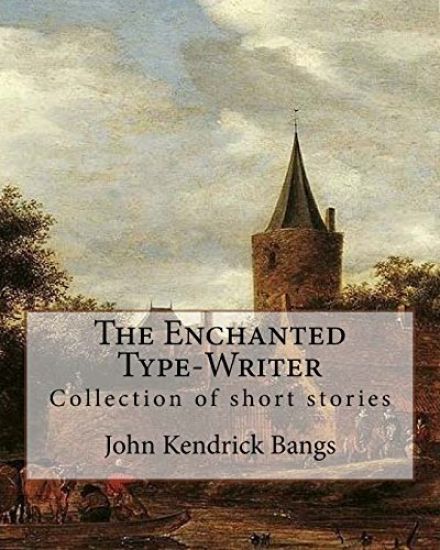
The Enchanted Type-Writer By: John Kendrick Bangs: Collection of short stories

The Enchanted Type-Writer By: John Kendrick Bangs: Collection of short stories

John Kendrick Bangs

Createspace Independent Publishing Platform
2018
nidottu
The Enchanted Type-Writer is a collection of short stories by John Kendrick Bangs, published in 1899 with illustrations by Peter Newell. Bangs attributes many of the stories to the late (and invisible) James Boswell, who has become an editor for a newspaper in Hades, and who communicates with the author by means of an old typewriter. The stories are part of the author's Associated Shades series, sometimes called the Hades series for its primary setting. Their genre has become known as Bangsian fantasy. There are ten stories in the collection, and ten plates from illustrations by Newell. They were first published serially in Harper's Weekly beginning August 5, 1899, including the Newell illustrations.................. John Kendrick Bangs (May 27, 1862 - January 21, 1922) was an American author, humorist, editor and satirist. Biography: He was born in Yonkers, New York. His father Francis Nehemiah Bangs was a lawyer in New York City, as was his brother, Francis S. Bangs. He went to Columbia College from 1880 to 1883 where he became editor of Columbia's literary magazine, Acta Columbia, and contributed short anonymous pieces to humor magazines. After graduation in 1883 with a Bachelor of Philosophy degree in Political Science, Bangs entered Columbia Law School but left in 1884 to become Associate Editor of Life under Edward S. Martin. Bangs contributed many articles and poems to the magazine between 1884 and 1888. During this period, Bangs published his first books. In 1888 Bangs left Life to work at Harper's Magazine, Harper's Bazaar and Harper's Young People, though he continued to contribute to Life. From 1889 to 1900 he held the title of Editor of the Departments of Humor for all three Harper's magazines and from 1899 to 1901 served as active editor of Harper's Weekly. Bangs also served for a short time (January-June 1889) as the first editor of Munsey's Magazine and became editor of the American edition of the Harper-owned Literature from January to November 1899. In 1894, Bangs ran for the office of mayor of Yonkers, New York, but was defeated. He also was a member of the Board of Education in Yonkers. He left Harper & Brothers in 1901 and became editor of the New Metropolitan magazine in 1903. In 1904 he was appointed editor of Puck, perhaps the foremost American humor magazine of its day. In this period, he revived his earlier interest in drama. In 1906 he switched his focus to the lecture circuit. During the period between 1901 and 1906, Mr. Bangs was known to have spent at least parts of his summers at the Profile House in Franconia, New Hampshire. He owned one of the 20 connected cottages adjacent to the large hotel, which he sold to Cornelius Newton Bliss in August 1906. As a satirical writer, he was also known in the "Profile Cottage" circles as a jokester and prankster and was frequently the jovial topic of hotel guests and cottage owners alike. In 1918, he lectured for the Young Men's Christian Association and allied troops on the battle front in France during World War In 1886, he married Agnes L. Hyde, with whom he had three sons. Agnes died in 1903. Bangs then married Mary Blakeney Gray of New York in 1904. In 1907 they moved from Yonkers to Ogunquit, Maine. John Kendrick Bangs died from stomach cancer in 1922 at age fifty-nine, in Atlantic City, New Jersey.......................
The Mantel-piece Minstrels And Other Stories

The Mantel-piece Minstrels And Other Stories

John Kendrick Bangs

Sagwan Press
2018
pokkari
This work has been selected by scholars as being culturally important, and is part of the knowledge base of civilization as we know it. This work was reproduced from the original artifact, and remains as true to the original work as possible. Therefore, you will see the original copyright references, library stamps (as most of these works have been housed in our most important libraries around the world), and other notations in the work. This work is in the public domain in the United States of America, and possibly other nations. Within the United States, you may freely copy and distribute this work, as no entity (individual or corporate) has a copyright on the body of the work. As a reproduction of a historical artifact, this work may contain missing or blurred pages, poor pictures, errant marks, etc. Scholars believe, and we concur, that this work is important enough to be preserved, reproduced, and made generally available to the public. We appreciate your support of the preservation process, and thank you for being an important part of keeping this knowledge alive and relevant.
Mr. Munchausen

Mr. Munchausen

John Kendrick Bangs

Createspace Independent Publishing Platform
2018
nidottu
Excerpt from Mr. Munchausen: Being a True Account of Some of the Recent Adventures Beyond the Styx of the Late Hieronymus Carl Frindrich, Sometime Baron Munchausen of Bodenwerder, as Originally Reported for the Sunday Edition of the Gehenna Gazette by Its Special in Terviewer the Lat I laughed in the poor disappointed thing's face, and with a howl of despair he rushed back into the sea. About the Publisher Forgotten Books publishes hundreds of thousands of rare and classic books. Find more at www.forgottenbooks.com This book is a reproduction of an important historical work. Forgotten Books uses state-of-the-art technology to digitally reconstruct the work, preserving the original format whilst repairing imperfections present in the aged copy. In rare cases, an imperfection in the original, such as a blemish or missing page, may be replicated in our edition. We do, however, repair the vast majority of imperfections successfully; any imperfections that remain are intentionally left to preserve the state of such historical works.
A House-Boat on the Styx

A House-Boat on the Styx

John Kendrick Bangs

Createspace Independent Publishing Platform
2018
nidottu
The premise of the book is that everyone who has ever died has gone to Styx. This does not appear to be the conventional Hell described by Dante in The Inferno, but rather the Hades described in Greek myth: a universal collecting pot for dead souls, regardless of their deeds in life. The book begins with Charon, ferryman of the Styx being startled and annoyed by the arrival of a house boat on the Styx. At first afraid that the boat will put him out of business, he later finds out that he is actually to be appointed the boat's janitor. What follows are eleven more stories, for a total of twelve which are set on the house boat. There is no central theme, and the purpose of the book appears to be as a literary thought experiment to see what would happen if various famous dead people were put in the same room with each other. Each chapter is a short story featuring various souls from history and mythology.
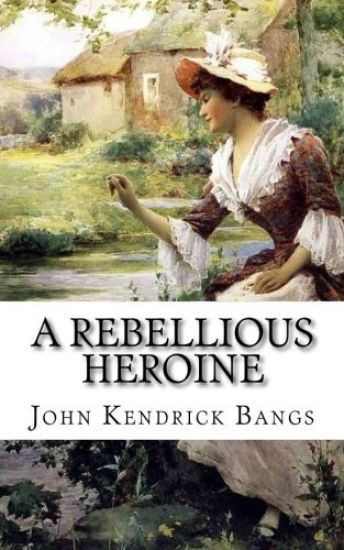
A Rebellious Heroine: A Story

A Rebellious Heroine: A Story

John Kendrick Bangs

Createspace Independent Publishing Platform
2018
nidottu
The book is about a man writing a realist romance novel in which his main character (not coincidentally named Marguerite) is aware that she is being written about and is destined to be a part of a romance novel and fall in love with someone whom she detests. The heroine continually ruins the author's plans by attempting to exert his will over her; she refuses to love anyone other than the one she loves. The author then breaks down into madness and consults his friend, who turns out is the narrator of the story. The narrator, who is chronicling the events of the author, becomes furious at Marguerite, so he attempts to "punish" her physically; she is able to see past this and avoid being hurt. It turns out his friend and author becomes angry and threatens to murder the narrator if he attempts to harm her again.
A House Boat on the Styx

A House Boat on the Styx

John Kendrick Bangs

Createspace Independent Publishing Platform
2017
nidottu
The book begins with Charon, boatman of the Styx surprised and annoyed by the arrival of a houseboat in the Styx. At first, afraid that the boat will leave him without a job, he discovers that he must actually be appointed as the ship's janitor. What follows are eleven more stories (for a total of twelve) that are mounted on the house boat. There is no central theme, and the purpose of the book seems to be an experiment in literary thought to see what would happen if several famous dead people were put in the same room. Each chapter is a short story that presents several souls of history and mythology. In the twelfth chapter, the boat of the house disappears, which leads to the continuation, The search for the house-boat.
A Rebellious Heroine

A Rebellious Heroine

John Kendrick Bangs

Createspace Independent Publishing Platform
2017
nidottu
The book is about a man writing a realist romance novel in which his main character (not coincidentally named Marguerite) is aware that she is being written about and is destined to be a part of a romance novel and fall in love with someone whom she detests. The heroine continually ruins the author's plans by attempting to exert his will over her; she refuses to love anyone other than the one she loves.
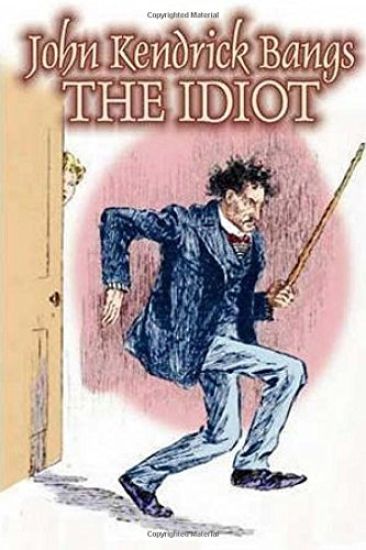
The Idiot

The Idiot

John Kendrick Bangs

Createspace Independent Publishing Platform
2017
nidottu
The Idiot is anything but, yet his fellow boarders at Mrs. Smithers-Pedagog's home for single gentlemen see him as such. His brand of creative thought is dismissed as foolishness yet it continues to get under their skin, because when you're beneath contempt you can say what you please.
The Idiot at Home

The Idiot at Home

John Kendrick Bangs

Createspace Independent Publishing Platform
2017
nidottu
The Idiot returns along with Ms Idiot and their two children, Mollie and Tommy, move into their first house in suburbia. What follows are encounters with his companions from his boarding house days, Coffee and Repartee, along with new characters that inhabit suburbia with the unassailable logic of the Idiot and Mrs Idiot regarding various aspects of life in the suburbs, starting with why the knowledge of an egg beater is more important than that of Wagner.