Kirjojen hintavertailu – 12 859 826 kirjaa ja 27 kauppaa

Kirjailija

Jose Rizal

Kirjat ja teokset yhdessä paikassa: 106 kirjaa, julkaisuja vuosilta 1968–2026, suosituimpiin kuuluu The Reign of Greed (El filibusterismo). Vertaile teosten hintoja ja tarkista saatavuus suomalaisista kirjakaupoista.

Nimi esiintyy myös muodoissa: José Rizal

106 kirjaa

Kirjojen julkaisuvuodet: 1968–2026.

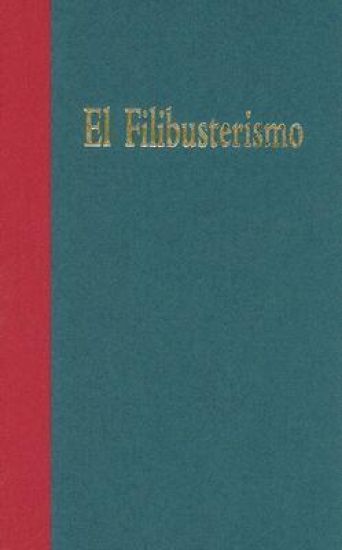
EL Filibusterismo

EL Filibusterismo

Jose Rizal

University of Hawai'i Press
2006
sidottu
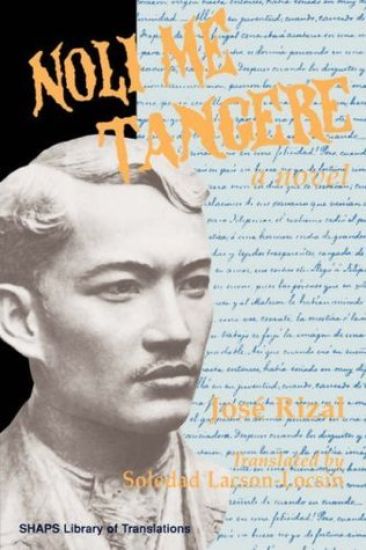
El Filibusterismo (""The Subversive"") is the second novel by Jose Rizal (1861-1896), national hero of the Philippines. Like its predecessor, the better-known ""Noli Me Tangere"", the ""Fili"" was written in Castilian while Rizal was traveling and studying in Europe. It was published in Ghent in 1891 and later translated into English, German, French, Japanese, Tagalog, Ilonggo, and other languages. A nationalist novel by an author who has been called ""the first Filipino,"" its nature as a social document of the late-nineteenth-century Philippines is often emphasized. For many years, copies of the ""Fili"" were smuggled into the Philippines after it was condemned as subversive by the Spanish authorities. Characters from the ""Noli"" (Basilio, Dona Victorina, Padre Salvi) return while new ones are introduced: Simoun, the transformed Ibarra; Cabesang Tales and his struggle for justice; the nationalist student Isagani; the Indio priest Padre Florentino. Through them the colonial milieu is expanded - its officialdom, education, legal system, power plays, social patterns - and seen anew as context for conflict and insight. Translator Soledad Lacson-Locsin is the first to have worked from facsimile editions of the original manuscripts. The result is the most authoritative and faithful English translation to date, one which attempts to preserve in English the cadence and color of the original.
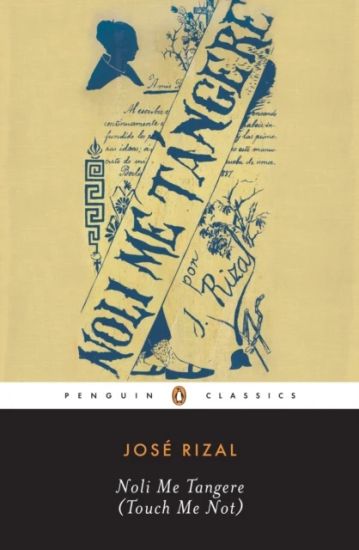
Noli Me Tangere

Noli Me Tangere

Jose Rizal

Penguin Classics
2006
pokkari
In more than a century since its appearance, José Rizal's Noli Me Tangere has become widely known as the great novel of the Philippines. A passionate love story set against the ugly political backdrop of repression, torture, and murder, "The Noli," as it is called in the Philippines, was the first major artistic manifestation of Asian resistance to European colonialism, and Rizal became a guiding conscience—and martyr—for the revolution that would subsequently rise up in the Spanish province.
Noli Me Tangere

Noli Me Tangere

Jose Rizal

University of Hawai'i Press
1997
sidottu
Noli Me Tangere is Latin for "touch me not." In this modern classic of Filipino literature, José Rizal exposes "matters . . . so delicate that they cannot be touched by anybody," unfolding an epic history of the Philippines that has made it that country's most influential political novel in the nineteenth and twentieth centuries. José Rizal, national hero of the Philippines, completed Noli Me Tangere in Spanish in 1887 while he was studying in Europe. Rizal continued to write, completing a second novel and many other poems and essays, until he was executed by firing squad in 1896. Since then, Noli Me Tangere has appeared in French, Chinese, German and Philippine languages. Two other English translations have made Noli Me Tangere accessible, but Lacson-Locsin’s new translation offered here is the first to work from facsimile editions of the manuscripts and to restore significant sections of the original text. The result is the most authoritative and faithful English translation to date.
The Subversive

The Subversive

Jose Rizal; Leon Guerrero

W. W. Norton Company
1968
nidottu
Jos Rizal has a good claim to being the first Asian nationalist. An extremely talented Malay born a hundred years ago in a small town near Manila, educated partly in the Philippines and partly in Europe, Rizal inspired the Filipinos by his writing and example to make the first nationalist revolution in Asia in 1896. Today the Philippines revere Rizal as their national hero, and they regard his two books, The Lost Eden (Noli Me Tangere) and The Subversive (El Filibusterismo) as the gospel of their nationalism. The Subversive, first published in 1891, is strikingly timely today. New nations emerging in Africa and Asia are once again in conflict with their former colonial masters, as were the Filipinos with their Spanish rulers in Rizal's day. The Subversive poses questions about colonialism which are still being asked today: does a "civilizing mission" justify subjection of a people? Should a colony aim at assimilation or independence? If independence, should it be by peaceful evolution or force of arms? Despite the seriousness of its theme, however, The Subversive is more than a political novel. It is a romantic, witty, satirical portrait of Spanish colonial rule in the Philippines at the end of the nineteenth century, written in the tradition of the great adventure romances. The translation by Leon Ma. Guerrero, Philippine ambassador to the Court of St. James, conveys the immediacy of the original, and makes this important work available to a new generation of readers. His translation of The Lost Eden is also available in the Norton Library.