Kirjojen hintavertailu – 12 859 826 kirjaa ja 27 kauppaa

Kirjailija

Jose Rizal

Kirjat ja teokset yhdessä paikassa: 106 kirjaa, julkaisuja vuosilta 1968–2026, suosituimpiin kuuluu The Reign of Greed (El filibusterismo). Vertaile teosten hintoja ja tarkista saatavuus suomalaisista kirjakaupoista.

Nimi esiintyy myös muodoissa: José Rizal

106 kirjaa

Kirjojen julkaisuvuodet: 1968–2026.

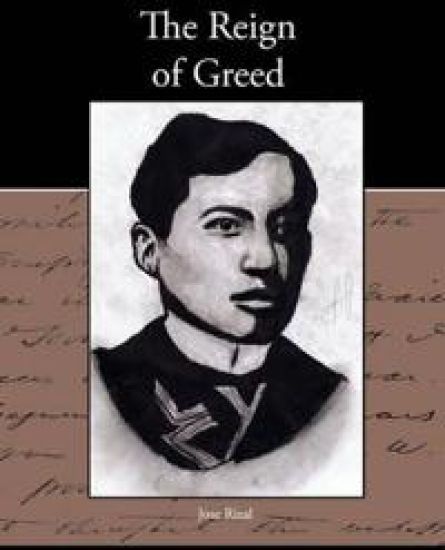
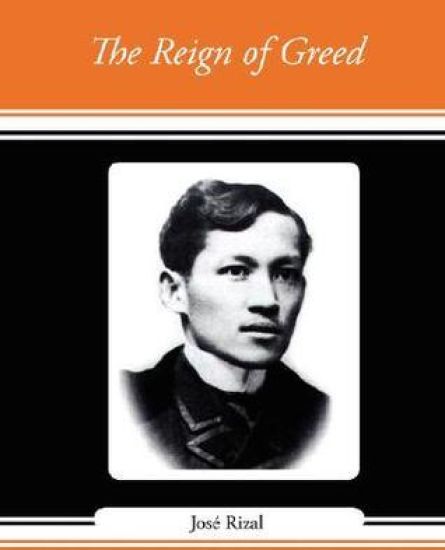
The Reign of Greed

The Reign of Greed

Jose Rizal

Createspace Independent Publishing Platform
2015
nidottu
El Filibusterismo, the second of Jos Rizal's novels of Philippine life, is a story of the last days of the Spanish r gime in the Philippines. Under the name of The Reign of Greed it is for the first time translated into English. Written some four or five years after Noli Me Tangere, the book represents Rizal's more mature judgment on political and social conditions in the islands, and in its graver and less hopeful tone reflects the disappointments and discouragements which he had encountered in his efforts to lead the way to reform. Rizal's dedication to the first edition is of special interest, as the writing of it was one of the grounds of accusation against him when he was condemned to death in 1896. It reads: "To the memory of the priests, Don Mariano Gomez (85 years old), Don Jos Burgos (30 years old), and Don Jacinto Zamora (35 years old). Executed in Bagumbayan Field on the 28th of February, 1872. "The Church, by refusing to degrade you, has placed in doubt the crime that has been imputed to you; the Government, by surrounding your trials with mystery and shadows, causes the belief that there was some error, committed in fatal moments; and all the Philippines, by worshiping your memory and calling you martyrs, in no sense recognizes your culpability. In so far, therefore, as your complicity in the Cavite mutiny is not clearly proved, as you may or may not have been patriots, and as you may or may not have cherished sentiments for justice and for liberty, I have the right to dedicate my work to you as victims of the evil which I undertake to combat. And while we await expectantly upon Spain some day to restore your good name and cease to be answerable for your death, let these pages serve as a tardy wreath of dried leaves over your unknown tombs, and let it be understood that every one who without clear proofs attacks your memory stains his hands in your blood J. Rizal."
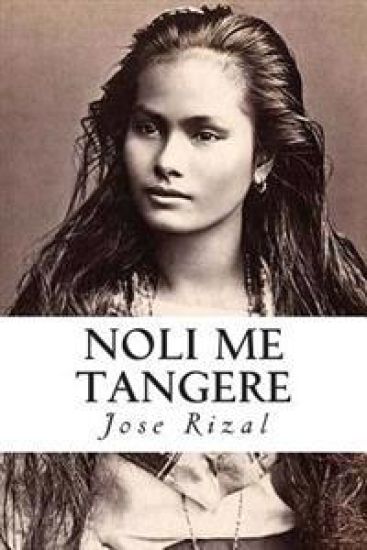
Noli me Tángere

Noli me Tángere

Damian Steward; Jose Rizal

Createspace Independent Publishing Platform
2015
nidottu
Noli me tangere es, a la vez, una novela costumbrista sobre la Filipinas de la poca anterior a su independencia de Espa a, una novela rom ntica y sentimental acerca de amores contrariados o imposibles y un alegato contra la degradaci n moral de la sociedad filipina por la imposici n de una religiosidad en los l mites de la superstici n. A todo ello se a ade una reflexi n pol tica sobre las dif ciles relaciones de la colonia con su metr poli. Su argumento es el siguiente: Cris stomo Ibarra, un joven mestizo (hijo de espa ol y de filipina), regresa a su patria despu s de haber pasado unos a os en Europa para adquirir una formaci n m s cosmopolita. A su vuelta descubre la manera terrible como ha muerto su padre: acusado falsamente por envidias, muere en la c rcel y su cuerpo es desenterrado del cementerio cristiano y arrojado al mar por indicaci n del p rroco del pueblo, el franciscano fray D maso, anta o amigo suyo. Cris stomo ama a una joven Mar a Clara, y es correspondido por ella. Los padres de ambos hab an sellado una promesa de matrimonio para cuando Ibarra regresara de Europa y en ese momento ambos j venes renuevan su pacto amoroso. La llegada de Ibarra despierta los recelos de las poderosas rdenes religiosas, que temen la mala influencia que las ideas progresistas de Ibarra puedan ejercer en la adormilada sociedad filipina. Pero, a su vez, su vuelta ilusiona a quienes desean el progreso del pa s. Uno de los primeros proyectos de Ibarra es construir en su pueblo, San Diego, una escuela, pues piensa que la educaci n es la mejor semilla para el desarrollo y el despertar de la conciencia de los filipinos. El n cleo de la narraci n se desarrolla alrededor de la festividad del patrono de San Diego. Se entremezclan las celebraciones religiosas (procesiones, misas solemnes y sermones) con otras profanas (copiosos banquetes, bailes, juegos callejeros y peleas de gallos). En un banquete, ante las intencionadas y mal volas provocaciones de fray D maso, Ibarra agrede f sicamente al fraile, de resultas de lo cual los religiosos lo declaran excomulgado. Antes, el d a de la puesta de la primera piedra de la escuela, Ibarra se hab a salvado apuradamente de un intento de asesinato, bajo la apariencia de un accidente. Protegido por el Capit n General de Filipnas y por el Arzobispo de Manila, Ibarra es liberado de la excomuni n y puede reanudar su idilio con Mar a Clara. Una nueva celada se trama alrededor de Ibarra: siendo totalmente ajeno al hecho, se le acusa de promover una revuelta contra el cuartel de la guardia civil y el convento de los franciscanos, a ra z de lo cual es encarcelado y enviado a Manila junto con otros presuntos e igualmente inocentes cabecillas de la rebeli n. Mar a Clara sufre un chantaje a causa del origen pecaminoso de su nacimiento y se ve obligada a romper su compromiso con Ibarra. Al final de la novela, Ibarra consigue escapar de la c rcel y del pa s, aunque se le da oficialmente por muerto en el intento de fuga. Creyendo fallecido a su enamorado, Mar a Clara ingresa en un convento.
Noli me tangere

Noli me tangere

Jose Rizal

Createspace Independent Publishing Platform
2014
nidottu
A finales del s. XIX Jos Rizal, un joven mestizo filipino de 26 a os, intelectual, formado en Europa, un aut ntico rebelde o "filibustero" que, como suele suceder, ama y odia a la metr poli escribe esta novela-denuncia, levantando el "velo que oculta el mal, sacrific ndolo todo a la verdad, hasta el mismo amor propio, pues, como hijo tuyo, adolezco tambi n de tus defectos y flaquezas". Pero Noli me tangere es mucho m s. Es una obra maestra de la literatura en la lengua espa ola del lejano sudeste asi tico, con una mirada humana a lo humano, un romance y, sobre todo, un canto a lo hermoso, encarnado en la belleza de Mar a Clara y en el amor entre ella y Cris stomo Ibarra, trasunto en parte del propio Rizal. Ese amor contrariado y rebelde siempre rodeado de sus eternos enemigos. Lecturas hisp nicas en su objetivo divulgador, m s que cient fico, se honra en editar esta obra en su versi n m s sencilla, la publicada por la editorial Sempere de Valencia en 1902. lecturas-hispanicas.com
Noli Me Tangere (Touch Me Not)

Noli Me Tangere (Touch Me Not)

Jose Rizal

Digireads.com
2014
nidottu
At the center of "Noli Me Tangere (Touch Me Not)" by Philippine national hero Jos Rizal is the conflict against Spanish colonialism. The Philippines, which is named after King Philip II of Spain, was ruled by the Spanish empire as a colony from 1565 until the Philippine Revolution ended this rule in 1898. For his part in the Philippine Revolution, Jos Rizal was tried and convicted for rebellion, sedition, and conspiracy. His sentence was to be death by firing squad. Juan Cris stomo Ibarra, the main character of "Noli Me Tangere (Touch Me Not)", returns to the Phillipines after a seven year absence studying in Europe. He is betrothed to the Mar a Clara, the beautiful daughter of Captain Tiago. With this work Rizal set out to write a novel that would expose the ills of Philippine society and in so doing created a passionate love story set against the backdrop of the political conflict against a repressive regime. "Noli Me Tangere (Touch Me Not)" and its sequel "El Filibusterismo" are exceptional firsthand documents of the real struggles faced by the Philippine peoples at the end of the 19th century.
EL Filibusterismo

EL Filibusterismo

Jose Rizal

University of Hawai'i Press
2007
nidottu
El Filibusterismo (""The Subversive"") is the second novel by Jose Rizal (1861-1896), national hero of the Philippines. Like its predecessor, the better-known ""Noli Me Tangere"", the ""Fili"" was written in Castilian while Rizal was traveling and studying in Europe. It was published in Ghent in 1891 and later translated into English, German, French, Japanese, Tagalog, Ilonggo, and other languages. A nationalist novel by an author who has been called ""the first Filipino,"" its nature as a social document of the late-nineteenth-century Philippines is often emphasized. For many years, copies of the ""Fili"" were smuggled into the Philippines after it was condemned as subversive by the Spanish authorities. Characters from the ""Noli"" (Basilio, Dona Victorina, Padre Salvi) return while new ones are introduced: Simoun, the transformed Ibarra; Cabesang Tales and his struggle for justice; the nationalist student Isagani; the Indio priest Padre Florentino. Through them the colonial milieu is expanded - its officialdom, education, legal system, power plays, social patterns - and seen anew as context for conflict and insight. Translator Soledad Lacson-Locsin is the first to have worked from facsimile editions of the original manuscripts. The result is the most authoritative and faithful English translation to date, one which attempts to preserve in English the cadence and color of the original.