

Kirjailija
Joseph Conrad
Kirjat ja teokset yhdessä paikassa: 2 285 kirjaa, julkaisuja vuosilta 1895–2026, suosituimpiin kuuluu Lord Jim. Vertaile teosten hintoja ja tarkista saatavuus suomalaisista kirjakaupoista.
Nimi esiintyy myös muodoissa: Joseph. Conrad
2 285 kirjaa
Kirjojen julkaisuvuodet: 1895–2026.
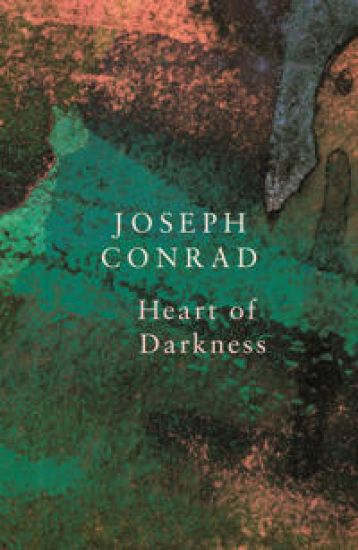
“No, it is impossible; it is impossible to convey the life-sensation of any given epoch of one’s existence—that which makes its truth, its meaning—its subtle and penetrating essence. It is impossible. We live, as we dream—alone.” Regarded as one of greatest English novels of the twentieth century, Heart of Darkness tracks the aftermath of a disturbing voyage up the Congo River. This provocative novel, inspired by Joseph Conrad's own experiences, touches on economic, social and political exploitation. Almost one-hundred years after publication, this timeless classic provided the inspiration for Francis Ford Coppola's 1979 film Apocalypse Now. The Legend Classics series:Around the World in Eighty DaysThe Adventures of Huckleberry FinnThe Importance of Being EarnestAlice's Adventures in WonderlandThe MetamorphosisThe Railway ChildrenThe Hound of the BaskervillesFrankensteinWuthering HeightsThree Men in a BoatThe Time MachineLittle WomenAnne of Green GablesThe Jungle BookThe Yellow Wallpaper and Other StoriesDraculaA Study in ScarletLeaves of GrassThe Secret GardenThe War of the WorldsA Christmas CarolStrange Case of Dr Jekyll and Mr HydeHeart of DarknessThe Scarlet LetterThis Side of ParadiseOliver TwistThe Picture of Dorian GrayTreasure IslandThe Turn of the ScrewThe Adventures of Tom SawyerEmmaThe TrialA Selection of Short Stories by Edgar Allan PoeGrimm Fairy TalesThe AwakeningMrs DallowayGulliver’s TravelsThe Castle of OtrantoSilas MarnerHard Times

Do you want to read Heart of Darkness? If so then keep reading... Heart of Darkness centers around Marlow, an introspective sailor, and his journey up the Congo River to meet Kurtz, reputed to be an idealistic man of great abilities. Marlow takes a job as a riverboat captain with the Company, a Belgian concern organized to trade in the Congo. As he travels to Africa and then up the Congo, Marlow encounters widespread inefficiency and brutality in the Company's stations. The native inhabitants of the region have been forced into the Company's service, and they suffer terribly from overwork and ill treatment at the hands of the Company's agents. The cruelty and squalor of imperial enterprise contrasts sharply with the impassive and majestic jungle that surrounds the white man's settlements, making them appear to be tiny islands amidst a vast darkness. What are you waiting for Heart of Darkness is one click away, select the "Buy Now" button in the top right corner NOW
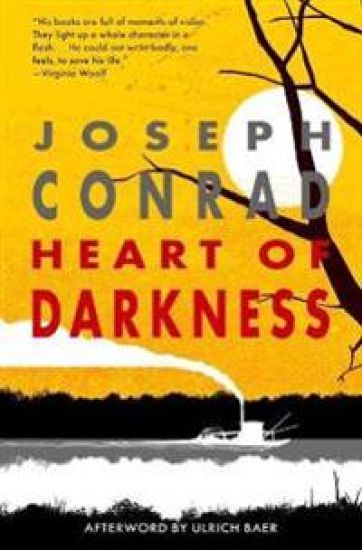
Heart of Darkness describes a steamboat voyage up and down the Congo River by a British sea captain named Charles Marlow, who is commissioned to fetch a renegade ivory collector called Kurtz. On the trip Marlow witnesses scenes of shocking abuse, culminating in his encounter with Kurtz. Even while Africa and its people remain opaque to Marlow, the hunt for Kurtz becomes a haunting journey of self-discovery and a spectacular indictment of European imperialism. This complex meditation on colonialism, civilization, and corruptibility has enthralled readers for more than a hundred years and inspired dozens of adaptations, including Francis Ford Coppola's Vietnam War film Apocalypse Now (1979).
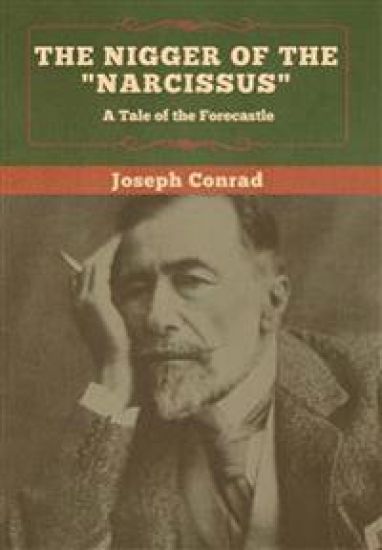
The Nigger of the 'Narcissus' A Tale of the Forecastle (also subtitled A Tale of the Sea and published in the United States as The Children of the Sea) is an 1897 novella by Joseph Conrad. Because of its quality compared to earlier works, some critics have described it as marking the start of Conrad's major or middle period; others have placed it as the best work of his early period. Conrad's preface to the novel, regarded as a manifesto of literary impressionism, is considered one of his most significant pieces of non-fiction writing. It begins with the line: "A work that aspires, however humbly, to the condition of art should carry its justification in every line". (wikipedia.org)
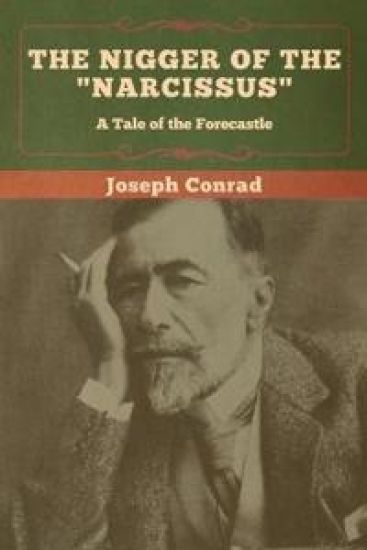
The Nigger of the 'Narcissus' A Tale of the Forecastle (also subtitled A Tale of the Sea and published in the United States as The Children of the Sea) is an 1897 novella by Joseph Conrad. Because of its quality compared to earlier works, some critics have described it as marking the start of Conrad's major or middle period; others have placed it as the best work of his early period. Conrad's preface to the novel, regarded as a manifesto of literary impressionism, is considered one of his most significant pieces of non-fiction writing. It begins with the line: "A work that aspires, however humbly, to the condition of art should carry its justification in every line". (wikipedia.org)
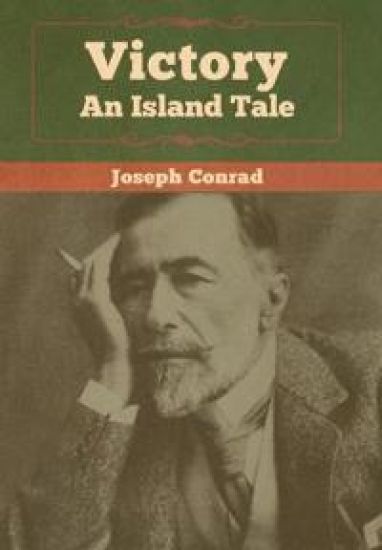
Victory (also published as Victory: An Island Tale) is a psychological novel by Joseph Conrad first published in 1915, through which Conrad achieved "popular success." The New York Times, however, called it "an uneven book" and "more open to criticism than most of Mr. Conrad's best work." The novel's "most striking formal characteristic is its shifting narrative and temporal perspective" with the first section from the viewpoint of a sailor, the second from omniscient perspective of Axel Heyst, the third from an interior perspective from Heyst, and the final section has an omniscient narrator. It has been adapted into film a number of times. (wikipedia.org)
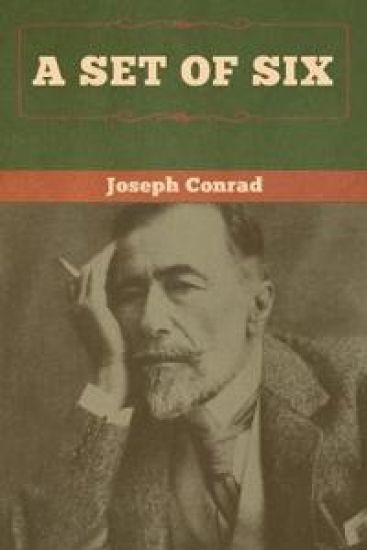
Joseph Conrad (born J zef Teodor Konrad Korzeniowski; 3 December 1857 - 3 August 1924) was a Polish-British writer regarded as one of the greatest novelists to write in the English language. Though he did not speak English fluently until his twenties, he was a master prose stylist who brought a non-English sensibility into English literature. Conrad wrote stories and novels, many with a nautical setting, that depict trials of the human spirit in the midst of what he saw as an impassive, inscrutable universe. Conrad is considered an early modernist, though his works contain elements of 19th-century realism. His narrative style and anti-heroic characters have influenced numerous authors, and many films have been adapted from, or inspired by, his works. Numerous writers and critics have commented that Conrad's fictional works, written largely in the first two decades of the 20th century, seem to have anticipated later world events. Writing near the peak of the British Empire, Conrad drew, among other things, on his native Poland's national experiences and on his own experiences in the French and British merchant navies, to create short stories and novels that reflect aspects of a European-dominated world--including imperialism and colonialism--and that profoundly explore the human psyche. Heart of Darkness (1899) is a novella by Joseph Conrad about a narrated voyage up the Congo River into the Congo Free State in the so-called heart of Africa. Charles Marlow, the narrator, tells his story to friends aboard a boat anchored on the River Thames. This setting provides the frame for Marlow's story of his obsession with the ivory trader Kurtz, which enables Conrad to create a parallel between what Conrad calls "the greatest town on earth", London, and Africa as places of darkness. Central to Conrad's work is the idea that there is little difference between so-called civilized people and those described as savages; Heart of Darkness raises questions about imperialism and racism. Originally issued as a three-part serial story in Blackwood's Magazine to celebrate the thousandth edition of the magazine, Heart of Darkness has been widely re-published and translated into many languages. It provided the inspiration for Francis Ford Coppola's 1979 film Apocalypse Now. In 1998, the Modern Library ranked Heart of Darkness 67th on their list of the 100 best novels in English of the twentieth century. (wikipedia.org)
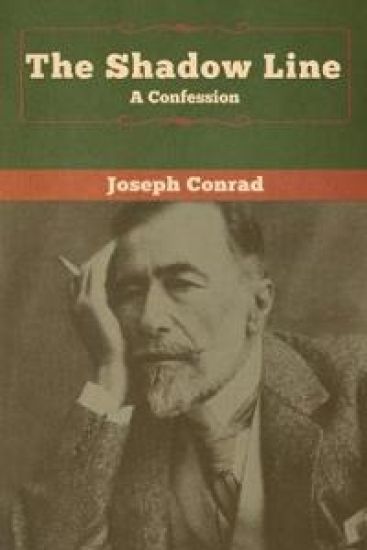
The Shadow-Line is a short novel based at sea by Joseph Conrad; it is one of his later works, being written from February to December 1915. It was first published in 1916 as a serial in New York's Metropolitan Magazine (September--October) in the English Review (September 1916-March 1917) and published in book form in 1917 in the UK (March) and America (April). The novella depicts the development of a young man upon taking a captaincy in the Orient, with the shadow line of the title representing the threshold of this development. The novella is notable for its dual narrative structure. The full, subtitled title of the novel is The Shadow-Line, A Confession, which immediately alerts the reader to the retrospective nature of the novella. The ironic constructions following from the conflict between the 'young' protagonist (who is never named) and the 'old' drive much of the underlying points of the novella, namely the nature of wisdom, experience and maturity. Conrad also extensively uses irony by comparison in the work, with characters such as Captain Giles and the ship's 'factotum' Ransome used to emphasise strengths and weaknesses of the protagonist. The novella has often been cited as a metaphor of the First World War, given its timing and references to a long struggle, the importance of camaraderie, etc. This viewpoint may also be reinforced by the knowledge that Conrad's elder son, Borys, was wounded in the First World War. Others however see the novel as having a strong supernatural influence, referring to various plot-lines in the novella such as the 'ghost' of the previous captain potentially cursing the ship, and the madness of first mate Mr Burns. Conrad himself, however, denied this link in his 'Author's Note' (1920), claiming that although critics had attempted to show this link, "The world of the living contains enough marvels and mysteries as it is." Andrzej Wajda has made a 1976 film adaptation of the novel under its Polish title - Smuga cienia. In the 2004 novel (trs 2005) House of Paper by Carlos Maria Dominguez the plot is driven by the narrator's quest for the person who sent a copy of The Shadow Line to a recently deceased colleague. (wikipedia.org)
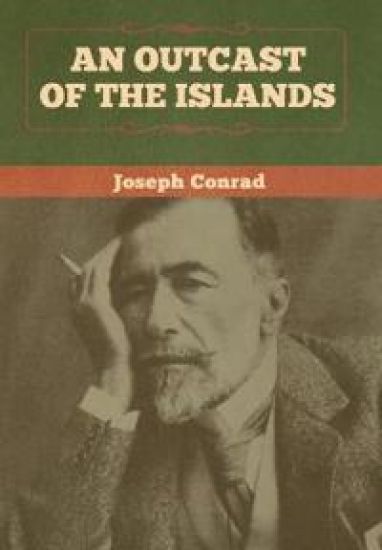
An Outcast of the Islands is the second novel by Joseph Conrad, published in 1896, inspired by Conrad's experience as mate of a steamer, the Vidar. The novel details the undoing of Peter Willems, a disreputable, immoral man who, on the run from a scandal in Makassar, finds refuge in a hidden native village, only to betray his benefactors over lust for the tribal chief's daughter. The story features Conrad's recurring character Tom Lingard, who also appears in Almayer's Folly (1895) and The Rescue (1920), in addition to sharing other characters with those novels. It is considered to be underrated as a work of literature for many. Conrad romanticizes the jungle environment and its inhabitants in a similar style to his Heart of Darkness. This novel was adapted into the film Outcast of the Islands in 1951 by director Carol Reed, featuring Trevor Howard as Willems, Ralph Richardson as Lingard, Robert Morley, and Wendy Hiller. The work was quoted in T. S. Eliot's The Hollow Men ('Life is very long.'). (wikipedia.org)
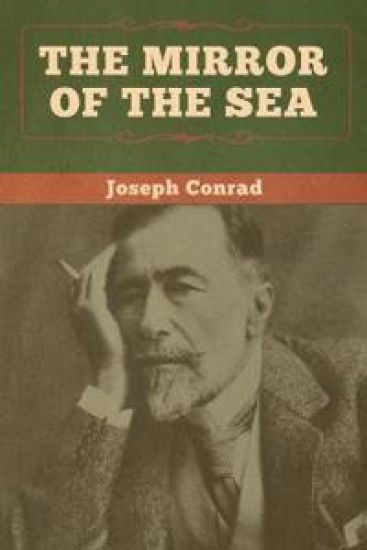
Joseph Conrad (born J zef Teodor Konrad Korzeniowski; 3 December 1857 - 3 August 1924) was a Polish-British writer regarded as one of the greatest novelists to write in the English language. Though he did not speak English fluently until his twenties, he was a master prose stylist who brought a non-English sensibility into English literature. Conrad wrote stories and novels, many with a nautical setting, that depict trials of the human spirit in the midst of what he saw as an impassive, inscrutable universe. Conrad is considered an early modernist, though his works contain elements of 19th-century realism. His narrative style and anti-heroic characters have influenced numerous authors, and many films have been adapted from, or inspired by, his works. Numerous writers and critics have commented that Conrad's fictional works, written largely in the first two decades of the 20th century, seem to have anticipated later world events. Writing near the peak of the British Empire, Conrad drew, among other things, on his native Poland's national experiences and on his own experiences in the French and British merchant navies, to create short stories and novels that reflect aspects of a European-dominated world--including imperialism and colonialism--and that profoundly explore the human psyche. Heart of Darkness (1899) is a novella by Joseph Conrad about a narrated voyage up the Congo River into the Congo Free State in the so-called heart of Africa. Charles Marlow, the narrator, tells his story to friends aboard a boat anchored on the River Thames. This setting provides the frame for Marlow's story of his obsession with the ivory trader Kurtz, which enables Conrad to create a parallel between what Conrad calls "the greatest town on earth", London, and Africa as places of darkness. Central to Conrad's work is the idea that there is little difference between so-called civilized people and those described as savages; Heart of Darkness raises questions about imperialism and racism. Originally issued as a three-part serial story in Blackwood's Magazine to celebrate the thousandth edition of the magazine, Heart of Darkness has been widely re-published and translated into many languages. It provided the inspiration for Francis Ford Coppola's 1979 film Apocalypse Now. In 1998, the Modern Library ranked Heart of Darkness 67th on their list of the 100 best novels in English of the twentieth century. (wikipedia.org)
Joseph Conrad (born J zef Teodor Konrad Korzeniowski; 3 December 1857 - 3 August 1924) was a Polish-British writer regarded as one of the greatest novelists to write in the English language. Though he did not speak English fluently until his twenties, he was a master prose stylist who brought a non-English sensibility into English literature. Conrad wrote stories and novels, many with a nautical setting, that depict trials of the human spirit in the midst of what he saw as an impassive, inscrutable universe. Conrad is considered an early modernist, though his works contain elements of 19th-century realism. His narrative style and anti-heroic characters have influenced numerous authors, and many films have been adapted from, or inspired by, his works. Numerous writers and critics have commented that Conrad's fictional works, written largely in the first two decades of the 20th century, seem to have anticipated later world events. Writing near the peak of the British Empire, Conrad drew, among other things, on his native Poland's national experiences and on his own experiences in the French and British merchant navies, to create short stories and novels that reflect aspects of a European-dominated world--including imperialism and colonialism--and that profoundly explore the human psyche. Heart of Darkness (1899) is a novella by Joseph Conrad about a narrated voyage up the Congo River into the Congo Free State in the so-called heart of Africa. Charles Marlow, the narrator, tells his story to friends aboard a boat anchored on the River Thames. This setting provides the frame for Marlow's story of his obsession with the ivory trader Kurtz, which enables Conrad to create a parallel between what Conrad calls "the greatest town on earth", London, and Africa as places of darkness. Central to Conrad's work is the idea that there is little difference between so-called civilized people and those described as savages; Heart of Darkness raises questions about imperialism and racism. Originally issued as a three-part serial story in Blackwood's Magazine to celebrate the thousandth edition of the magazine, Heart of Darkness has been widely re-published and translated into many languages. It provided the inspiration for Francis Ford Coppola's 1979 film Apocalypse Now. In 1998, the Modern Library ranked Heart of Darkness 67th on their list of the 100 best novels in English of the twentieth century. (wikipedia.org)
Joseph Conrad (born J zef Teodor Konrad Korzeniowski; 3 December 1857 - 3 August 1924) was a Polish-British writer regarded as one of the greatest novelists to write in the English language. Though he did not speak English fluently until his twenties, he was a master prose stylist who brought a non-English sensibility into English literature. Conrad wrote stories and novels, many with a nautical setting, that depict trials of the human spirit in the midst of what he saw as an impassive, inscrutable universe. Conrad is considered an early modernist, though his works contain elements of 19th-century realism. His narrative style and anti-heroic characters have influenced numerous authors, and many films have been adapted from, or inspired by, his works. Numerous writers and critics have commented that Conrad's fictional works, written largely in the first two decades of the 20th century, seem to have anticipated later world events. Writing near the peak of the British Empire, Conrad drew, among other things, on his native Poland's national experiences and on his own experiences in the French and British merchant navies, to create short stories and novels that reflect aspects of a European-dominated world--including imperialism and colonialism--and that profoundly explore the human psyche. Heart of Darkness (1899) is a novella by Joseph Conrad about a narrated voyage up the Congo River into the Congo Free State in the so-called heart of Africa. Charles Marlow, the narrator, tells his story to friends aboard a boat anchored on the River Thames. This setting provides the frame for Marlow's story of his obsession with the ivory trader Kurtz, which enables Conrad to create a parallel between what Conrad calls "the greatest town on earth", London, and Africa as places of darkness. Central to Conrad's work is the idea that there is little difference between so-called civilized people and those described as savages; Heart of Darkness raises questions about imperialism and racism. Originally issued as a three-part serial story in Blackwood's Magazine to celebrate the thousandth edition of the magazine, Heart of Darkness has been widely re-published and translated into many languages. It provided the inspiration for Francis Ford Coppola's 1979 film Apocalypse Now. In 1998, the Modern Library ranked Heart of Darkness 67th on their list of the 100 best novels in English of the twentieth century. (wikipedia.org)
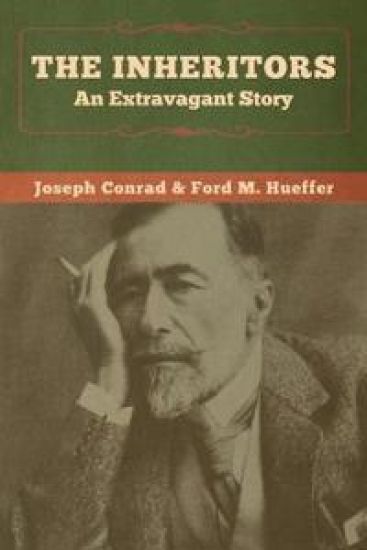
The Inheritors: An Extravagant Story (1901) is a quasi-science fiction novel on which Ford Madox Ford and Joseph Conrad collaborated. It looks at society's mental evolution and what is gained and lost in the process. Written before the first World War, its themes of corruption and the effect of the 20th Century on British aristocracy appeared to predict history. It was first published in London by William Heinemann and later the same year in New York by McClure, Phillips and Company. In the novel, the metaphor of the "fourth dimension" is used to explain a societal shift from a generation of people who have traditional values of interdependence, being overtaken by a modern generation who believe in expediency, callously using political power to bring down the old order. Its narrator is an aspiring writer who himself makes a similar transition at a personal level only to feel he has lost everything. (wikipedia.org)
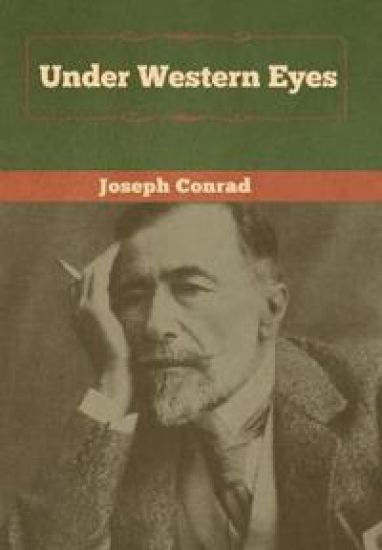
Under Western Eyes is a novel by Joseph Conrad. The novel takes place in St. Petersburg, Russia and Geneva, Switzerland and is viewed as Conrad's response to the themes explored in Crime and Punishment; Conrad being reputed to have detested Dostoevsky. It is also, some say, Conrad's response to his own early life; his father was a famous revolutionary imprisoned by the Russians, but, instead of following in his father's footsteps, at the age of sixteen Conrad left his native land forever. Indeed, while writing Under Western Eyes, Conrad suffered a weeks-long breakdown during which he conversed with the novel's characters in Polish. This novel is considered to be one of Conrad's major works and is close in subject matter to The Secret Agent. It is full of cynicism and conflict about the historical failures of revolutionary movements and ideals. Conrad remarks in this book, as well as others, on the irrationality of life, the opacity of character, and the unfairness with which suffering is inflicted upon the innocent and poor and the careless disregard for fellow life with whom we share existence. (wikipedia.org)
Under Western Eyes is a novel by Joseph Conrad. The novel takes place in St. Petersburg, Russia and Geneva, Switzerland and is viewed as Conrad's response to the themes explored in Crime and Punishment; Conrad being reputed to have detested Dostoevsky. It is also, some say, Conrad's response to his own early life; his father was a famous revolutionary imprisoned by the Russians, but, instead of following in his father's footsteps, at the age of sixteen Conrad left his native land forever. Indeed, while writing Under Western Eyes, Conrad suffered a weeks-long breakdown during which he conversed with the novel's characters in Polish. This novel is considered to be one of Conrad's major works and is close in subject matter to The Secret Agent. It is full of cynicism and conflict about the historical failures of revolutionary movements and ideals. Conrad remarks in this book, as well as others, on the irrationality of life, the opacity of character, and the unfairness with which suffering is inflicted upon the innocent and poor and the careless disregard for fellow life with whom we share existence. (wikipedia.org)
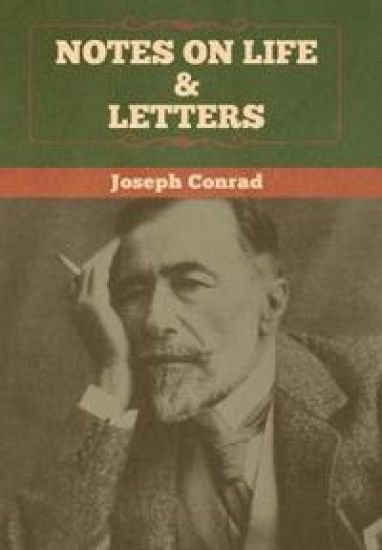
Joseph Conrad (born J zef Teodor Konrad Korzeniowski; 3 December 1857 - 3 August 1924) was a Polish-British writer regarded as one of the greatest novelists to write in the English language. Though he did not speak English fluently until his twenties, he was a master prose stylist who brought a non-English sensibility into English literature. Conrad wrote stories and novels, many with a nautical setting, that depict trials of the human spirit in the midst of what he saw as an impassive, inscrutable universe. Conrad is considered an early modernist, though his works contain elements of 19th-century realism. His narrative style and anti-heroic characters have influenced numerous authors, and many films have been adapted from, or inspired by, his works. Numerous writers and critics have commented that Conrad's fictional works, written largely in the first two decades of the 20th century, seem to have anticipated later world events. Writing near the peak of the British Empire, Conrad drew, among other things, on his native Poland's national experiences and on his own experiences in the French and British merchant navies, to create short stories and novels that reflect aspects of a European-dominated world--including imperialism and colonialism--and that profoundly explore the human psyche. Heart of Darkness (1899) is a novella by Joseph Conrad about a narrated voyage up the Congo River into the Congo Free State in the so-called heart of Africa. Charles Marlow, the narrator, tells his story to friends aboard a boat anchored on the River Thames. This setting provides the frame for Marlow's story of his obsession with the ivory trader Kurtz, which enables Conrad to create a parallel between what Conrad calls "the greatest town on earth", London, and Africa as places of darkness. Central to Conrad's work is the idea that there is little difference between so-called civilized people and those described as savages; Heart of Darkness raises questions about imperialism and racism. Originally issued as a three-part serial story in Blackwood's Magazine to celebrate the thousandth edition of the magazine, Heart of Darkness has been widely re-published and translated into many languages. It provided the inspiration for Francis Ford Coppola's 1979 film Apocalypse Now. In 1998, the Modern Library ranked Heart of Darkness 67th on their list of the 100 best novels in English of the twentieth century. (wikipedia.org)
Joseph Conrad (born J zef Teodor Konrad Korzeniowski; 3 December 1857 - 3 August 1924) was a Polish-British writer regarded as one of the greatest novelists to write in the English language. Though he did not speak English fluently until his twenties, he was a master prose stylist who brought a non-English sensibility into English literature. Conrad wrote stories and novels, many with a nautical setting, that depict trials of the human spirit in the midst of what he saw as an impassive, inscrutable universe. Conrad is considered an early modernist, though his works contain elements of 19th-century realism. His narrative style and anti-heroic characters have influenced numerous authors, and many films have been adapted from, or inspired by, his works. Numerous writers and critics have commented that Conrad's fictional works, written largely in the first two decades of the 20th century, seem to have anticipated later world events. Writing near the peak of the British Empire, Conrad drew, among other things, on his native Poland's national experiences and on his own experiences in the French and British merchant navies, to create short stories and novels that reflect aspects of a European-dominated world--including imperialism and colonialism--and that profoundly explore the human psyche. Heart of Darkness (1899) is a novella by Joseph Conrad about a narrated voyage up the Congo River into the Congo Free State in the so-called heart of Africa. Charles Marlow, the narrator, tells his story to friends aboard a boat anchored on the River Thames. This setting provides the frame for Marlow's story of his obsession with the ivory trader Kurtz, which enables Conrad to create a parallel between what Conrad calls "the greatest town on earth", London, and Africa as places of darkness. Central to Conrad's work is the idea that there is little difference between so-called civilized people and those described as savages; Heart of Darkness raises questions about imperialism and racism. Originally issued as a three-part serial story in Blackwood's Magazine to celebrate the thousandth edition of the magazine, Heart of Darkness has been widely re-published and translated into many languages. It provided the inspiration for Francis Ford Coppola's 1979 film Apocalypse Now. In 1998, the Modern Library ranked Heart of Darkness 67th on their list of the 100 best novels in English of the twentieth century. (wikipedia.org)
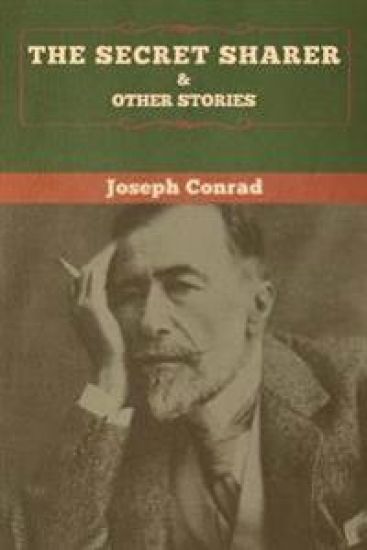
Joseph Conrad (born J zef Teodor Konrad Korzeniowski; 3 December 1857 - 3 August 1924) was a Polish-British writer regarded as one of the greatest novelists to write in the English language. Though he did not speak English fluently until his twenties, he was a master prose stylist who brought a non-English sensibility into English literature. Conrad wrote stories and novels, many with a nautical setting, that depict trials of the human spirit in the midst of what he saw as an impassive, inscrutable universe. Conrad is considered an early modernist, though his works contain elements of 19th-century realism. His narrative style and anti-heroic characters have influenced numerous authors, and many films have been adapted from, or inspired by, his works. Numerous writers and critics have commented that Conrad's fictional works, written largely in the first two decades of the 20th century, seem to have anticipated later world events. Writing near the peak of the British Empire, Conrad drew, among other things, on his native Poland's national experiences and on his own experiences in the French and British merchant navies, to create short stories and novels that reflect aspects of a European-dominated world--including imperialism and colonialism--and that profoundly explore the human psyche. Heart of Darkness (1899) is a novella by Joseph Conrad about a narrated voyage up the Congo River into the Congo Free State in the so-called heart of Africa. Charles Marlow, the narrator, tells his story to friends aboard a boat anchored on the River Thames. This setting provides the frame for Marlow's story of his obsession with the ivory trader Kurtz, which enables Conrad to create a parallel between what Conrad calls "the greatest town on earth", London, and Africa as places of darkness. Central to Conrad's work is the idea that there is little difference between so-called civilized people and those described as savages; Heart of Darkness raises questions about imperialism and racism. Originally issued as a three-part serial story in Blackwood's Magazine to celebrate the thousandth edition of the magazine, Heart of Darkness has been widely re-published and translated into many languages. It provided the inspiration for Francis Ford Coppola's 1979 film Apocalypse Now. In 1998, the Modern Library ranked Heart of Darkness 67th on their list of the 100 best novels in English of the twentieth century. (wikipedia.org)
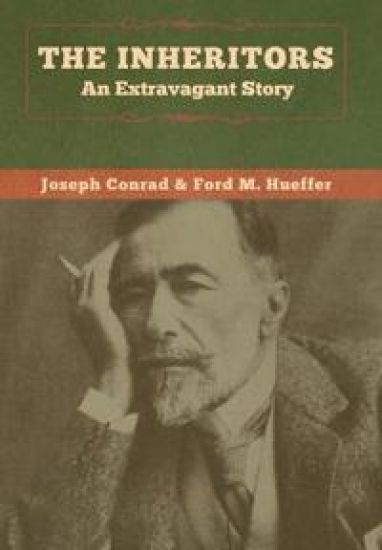
The Inheritors: An Extravagant Story (1901) is a quasi-science fiction novel on which Ford Madox Ford and Joseph Conrad collaborated. It looks at society's mental evolution and what is gained and lost in the process. Written before the first World War, its themes of corruption and the effect of the 20th Century on British aristocracy appeared to predict history. It was first published in London by William Heinemann and later the same year in New York by McClure, Phillips and Company. In the novel, the metaphor of the "fourth dimension" is used to explain a societal shift from a generation of people who have traditional values of interdependence, being overtaken by a modern generation who believe in expediency, callously using political power to bring down the old order. Its narrator is an aspiring writer who himself makes a similar transition at a personal level only to feel he has lost everything. (wikipedia.org)