Kirjojen hintavertailu – 12 903 725 kirjaa ja 27 kauppaa

Kirjailija

Kakuzo Okakura

Kirjat ja teokset yhdessä paikassa: 105 kirjaa, julkaisuja vuosilta 1906–2026, suosituimpiin kuuluu The Book of Tea. Vertaile teosten hintoja ja tarkista saatavuus suomalaisista kirjakaupoista.

Nimi esiintyy myös muodoissa: Kakuzo¯ Okakura

105 kirjaa

Kirjojen julkaisuvuodet: 1906–2026.

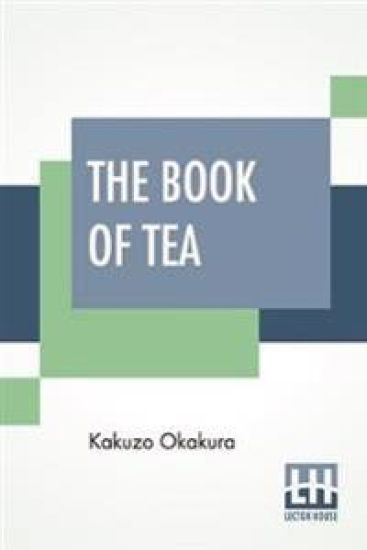
The Book of Tea

The Book of Tea

Kakuzo Okakura; Yasuhiro Okawa

Pie International Co., Ltd.
2021
sidottu

Halvin toimitettuna 26,80 €

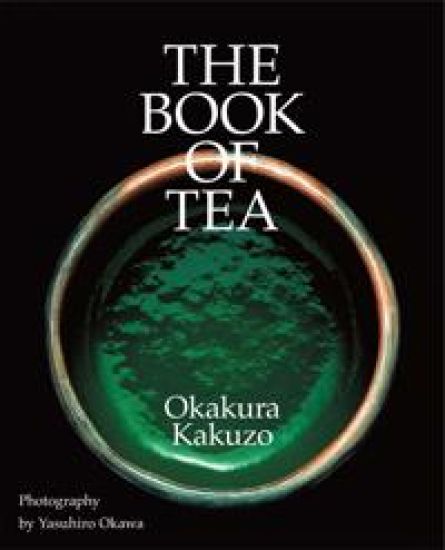
The definitive visual edition of a classic masterpiece. The Book of Tea was originally written in English by Kakuzo Okakura in 1906. Since then, it has been recognized, together with Bushido, as one of the most important books written by Japanese authors in English in the early 20th century. The Book of Tea is said to be the definitive guide to Japanese aesthetics. Okakura expresses the sublimity of a non-Christian culture at a time when Christianity was the dominant religion and cultural tradition. At the same time, Okakura prays for a world in harmony under mutual understanding between the West and the East. The Book of Tea is not a book on how to conduct a tea ceremony. Instead, it introduces aesthetic and cultural aspects of Japanese life to Western audiences through Teaism by elucidating the Japanese tea ceremony's relationship with Zen, Taoism and Kado, and, more broadly, through a discussion of Japanese aesthetic principles, the essence of art and the true meaning of life. This concept is visually enhanced by photographs taken by Yasuhiro Okawa, offering readers the opportunity to appreciate a richer experience of the world presented in The Book of Tea.
The awakening of Japan

The awakening of Japan

Kakuzo Okakura

Alpha Edition
2019
pokkari
This book has been considered by academicians and scholars of great significance and value to literature. This forms a part of the knowledge base for future generations. We have represented this book in the same form as it was first published. Hence any marks seen are left intentionally to preserve its true nature.
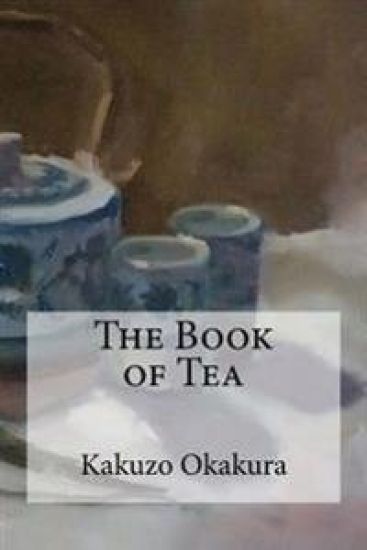
The Book of Tea

The Book of Tea

Kakuzo Okakura

Createspace Independent Publishing Platform
2018
nidottu
Addressed to a western audience, it was originally written in English and is one of the great English tea classics. Okakura had been taught at a young age to speak English and was proficient at communicating his thoughts to the Western mind. In his book, he discusses such topics as Zen and Taoism, but also the secular aspects of tea and Japanese life. The book emphasizes how Teaism taught the Japanese many things; most importantly, simplicity. Kakuzo argues that this tea-induced simplicity affected art and architecture, and he was a long-time student of the visual arts. In the book, Kakuzo states that Teaism, in itself, is one of the profound universal remedies that two parties could sit down to. Kakuzo went on to mention that tea has been the subject of many historical events, such as peace treaties and the like. He ends the book with a chapter on Tea Masters, and spends some time talking about Sen no Rikyu and his contribution to the Japanese tea ceremony.
The Book of Tea

The Book of Tea

Kakuzo Okakura

Createspace Independent Publishing Platform
2018
nidottu
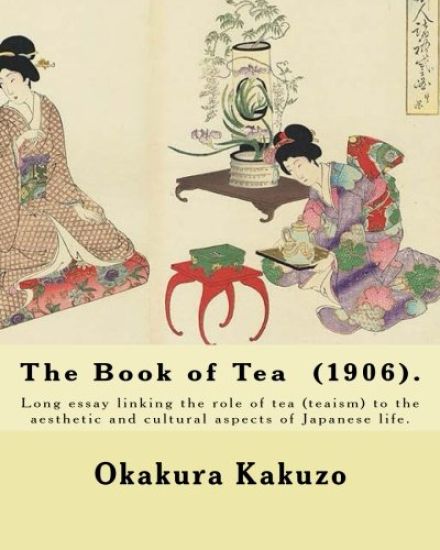
The Book of Tea by Kakuzo Okakura. The Book of Tea by Okakura Kakuzo (1906) is a long essay linking the role of chado (teaism) to the aesthetic and cultural aspects of Japanese life. Tea began as a medicine and grew into a beverage. In China, in the eighth century, it entered the realm of poetry as one of the polite amusements. The fifteenth century saw Japan ennoble it into a religion of aestheticism-Teaism. Teaism is a cult founded on the adoration of the beautiful among the sordid facts of everyday existence. It inculcates purity and harmony, the mystery of mutual charity, the romanticism of the social order. It is essentially a worship of the Imperfect, as it is a tender attempt to accomplish something possible in this impossible thing we know as life. The Philosophy of Tea is not mere aestheticism in the ordinary acceptance of the term, for it expresses conjointly with ethics and religion our whole point of view about man and nature. It is hygiene, for it enforces cleanliness; it is economics, for it shows comfort in simplicity rather than in the complex and costly; it is moral geometry, inasmuch as it defines our sense of proportion to the universe. It represents the true spirit of Eastern democracy by making all its votaries aristocrats in taste.
The Book of Tea: Special Edition

The Book of Tea: Special Edition

Kakuzo Okakura

Createspace Independent Publishing Platform
2018
nidottu
At the turn of the 20th century, in Boston, a small esoteric book about tea was written with the intention of being read aloud in the famous salon of Isabella Gardner. It was authored by Okakura Kakuzo, a Japanese philosopher, art expert, and curator. Little known at the time, Kakuzo would emerge as one of the great thinkers of the early 20th century, a genius who was insightful, witty and greatly responsible for bridging Western and Eastern cultures. Nearly a century later, Kakuzo's book of tea is still beloved the world over. The Book of Tea is a delightful cup of enlightenment from a man far ahead of his time. We are delighted to publish this classic book as part of our extensive Classic Library collection. Many of the books in our collection have been out of print for decades, and therefore have not been accessible to the general public. The aim of our publishing program is to facilitate rapid access to this vast reservoir of literature, and our view is that this is a significant literary work, which deserves to be brought back into print after many decades. The contents of the vast majority of titles in the Classic Library have been scanned from the original works. To ensure a high quality product, each title has been meticulously hand curated by our staff. Our philosophy has been guided by a desire to provide the reader with a book that is as close as possible to ownership of the original work. We hope that you will enjoy this wonderful classic work, and that for you it becomes an enriching experience
The Book of Tea

The Book of Tea

Kakuzo Okakura

Wilder Publications
2018
sidottu
The Book of Tea was written by Okakura Kakuzo in the early 20th century. It was first published in 1906, and has since been republished many times. In the book, Kakuzo introduces the term Teaism and how Tea has affected nearly every aspect of Japanese culture, thought, and life. The book is accessibile to Western audiences because Kakuzo was taught at a young age to speak English; and spoke it all his life, becoming proficient at communicating his thoughts to the Western Mind. In his book, he discusses such topics as Zen and Taoism, but also the secular aspects of Tea and Japanese life. The book emphasises how Teaism taught the Japanese many things; most importantly, simplicity. Kakuzo argues that this tea-induced simplicity affected art and architecture, and he was a long-time student of the visual arts. He ends the book with a chapter on Tea Masters, and spends some time talking about Sen no Rikyu and his contribution to the Japanese Tea Ceremony. According to Tomonobu Imamichi, Heidegger's concept of Dasein in Sein und Zeit was inspired - although Heidegger remains silent on this - by Okakura Kakuzo's concept of das-in-dem-Welt-sein (to be in the being of the world) expressed in The Book of Tea to describe Zhuangzi's philosophy, which Imamichi's teacher had offerred to Heidegger in 1919, after having followed lessons with him the year before. We are delighted to publish this classic book as part of our extensive Classic Library collection. Many of the books in our collection have been out of print for decades, and therefore have not been accessible to the general public. The aim of our publishing program is to facilitate rapid access to this vast reservoir of literature, and our view is that this is a significant literary work, which deserves to be brought back into print after many decades. The contents of the vast majority of titles in the Classic Library have been scanned from the original works. To ensure a high quality product, each title has been meticulously hand curated by our staff. Our philosophy has been guided by a desire to provide the reader with a book that is as close as possible to ownership of the original work. We hope that you will enjoy this wonderful classic work, and that for you it becomes an enriching experience.
The Book of Tea

The Book of Tea

Kakuzo Okakura

Wilder Publications
2018
sidottu
The Book of Tea was written by Okakura Kakuzo in the early 20th century. It was first published in 1906, and has since been republished many times. In the book, Kakuzo introduces the term Teaism and how Tea has affected nearly every aspect of Japanese culture, thought, and life. The book is accessibile to Western audiences because Kakuzo was taught at a young age to speak English; and spoke it all his life, becoming proficient at communicating his thoughts to the Western Mind. In his book, he discusses such topics as Zen and Taoism, but also the secular aspects of Tea and Japanese life. The book emphasises how Teaism taught the Japanese many things; most importantly, simplicity. Kakuzo argues that this tea-induced simplicity affected art and architecture, and he was a long-time student of the visual arts. He ends the book with a chapter on Tea Masters, and spends some time talking about Sen no Rikyu and his contribution to the Japanese Tea Ceremony. According to Tomonobu Imamichi, Heidegger's concept of Dasein in Sein und Zeit was inspired - although Heidegger remains silent on this - by Okakura Kakuzo's concept of das-in-dem-Welt-sein (to be in the being of the world) expressed in The Book of Tea to describe Zhuangzi's philosophy, which Imamichi's teacher had offerred to Heidegger in 1919, after having followed lessons with him the year before. We are delighted to publish this classic book as part of our extensive Classic Library collection. Many of the books in our collection have been out of print for decades, and therefore have not been accessible to the general public. The aim of our publishing program is to facilitate rapid access to this vast reservoir of literature, and our view is that this is a significant literary work, which deserves to be brought back into print after many decades. The contents of the vast majority of titles in the Classic Library have been scanned from the original works. To ensure a high quality product, each title has been meticulously hand curated by our staff. Our philosophy has been guided by a desire to provide the reader with a book that is as close as possible to ownership of the original work. We hope that you will enjoy this wonderful classic work, and that for you it becomes an enriching experience.
The Book of Tea

The Book of Tea

Kakuzo Okakura

Createspace Independent Publishing Platform
2018
nidottu
Kakuzo Okakura, who was known in America as a scholar, art critic, and Curator of Chinese and Japanese Art at the Boston Museum of Fine Arts, directed almost his entire adult life toward the preservation and reawakening of the Japanese national heritage - in art, ethics, social customs, and other areas of life - in the face of the Westernizing influences that were revolutionizing Japan around the turn of the century.
The Book of Tea

The Book of Tea

Kakuzo Okakura

Createspace Independent Publishing Platform
2017
nidottu
The Book of Tea was written by Okakura Kakuzo in the early 20th century. It was first published in 1906, and has since been republished many times. In the book, Kakuzo introduces the term Teaism and how Tea has affected nearly every aspect of Japanese culture, thought, and life. The book is accessibile to Western audiences because Kakuzo was taught at a young age to speak English; and spoke it all his life, becoming proficient at communicating his thoughts to the Western Mind. In his book, he discusses such topics as Zen and Taoism, but also the secular aspects of Tea and Japanese life. The book emphasises how Teaism taught the Japanese many things; most importantly, simplicity. Kakuzo argues that this tea-induced simplicity affected art and architecture, and he was a long-time student of the visual arts. He ends the book with a chapter on Tea Masters, and spends some time talking about Sen no Rikyu and his contribution to the Japanese Tea Ceremony. According to Tomonobu Imamichi, Heidegger's concept of Dasein in Sein und Zeit was inspired - although Heidegger remains silent on this - by Okakura Kakuzo's concept of das-in-dem-Welt-sein (to be in the being of the world) expressed in The Book of Tea to describe Zhuangzi's philosophy, which Imamichi's teacher had offerred to Heidegger in 1919, after having followed lessons with him the year before.