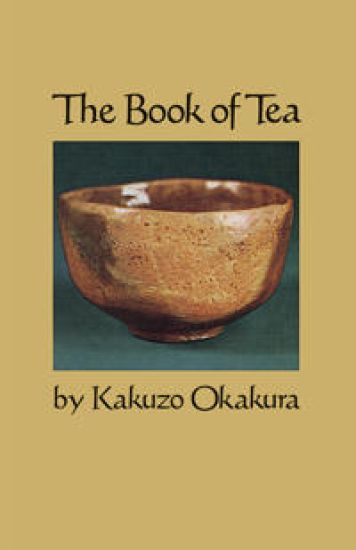
The Book of Tea by Okakura Kakuzō (1906) is a long essay linking the role of chadō (teaism) to the aesthetic and cultural aspects of Japanese life. Addressed to a western audience, it was originally written in English and is one of the great English tea classics. Okakura had been taught at a young age to speak English and was proficient at communicating his thoughts to the Western mind. In his book, he discusses such topics as Zen and Taoism, but also the secular aspects of tea and Japanese life. The book emphasizes how Teaism taught the Japanese many things; most importantly, simplicity. Kakuzō argues that this tea-induced simplicity affected art and architecture, and he was a long-time student of the visual arts. In the book, Kakuzō states that Teaism, in itself, is one of the profound universal remedies that two parties could sit down to. Kakuzō went on to mention that tea has been the subject of many historical events, such as peace treaties and the like. He ends the book with a chapter on Tea Masters, and spends some time talking about Sen no Rikyū and his contribution to the Japanese tea ceremony. According to Tomonobu Imamichi, Heidegger's concept of Dasein in Sein und Zeit was inspired - although Heidegger remained silent on this - by Okakura Kakuzō's concept of das-in-der-Welt-sein (being-in-the-worldness) expressed in The Book of Tea to describe Zhuangzi's philosophy, which Imamichi's professor Ito Kichinosuke had offered to Heidegger in 1919, after having followed private lessons with him the year before.