Kirjojen hintavertailu – 12 859 818 kirjaa ja 27 kauppaa

Kirjailija

Kenneth Grahame

Kirjat ja teokset yhdessä paikassa: 483 kirjaa, julkaisuja vuosilta 1895–2027, suosituimpiin kuuluu Jim Weiss Dragon Trilogy Bundle. Vertaile teosten hintoja ja tarkista saatavuus suomalaisista kirjakaupoista.

483 kirjaa

Kirjojen julkaisuvuodet: 1895–2027.

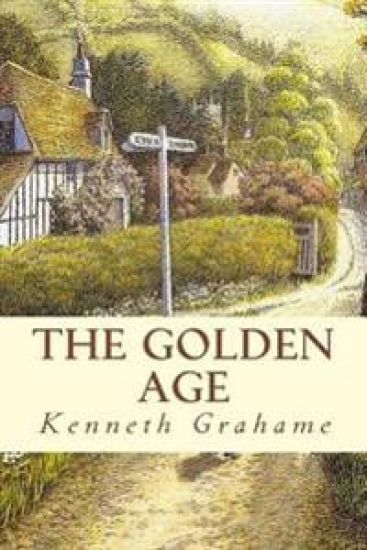
The Golden Age Kenneth Grahame

The Golden Age Kenneth Grahame

Kenneth Grahame

Createspace Independent Publishing Platform
2017
nidottu
Grahame's reminiscences are notable for their conception "of a world where children are locked in perpetual warfare with the adult 'Olympians' who have wholly forgotten how it feels to be young"--a theme later explored by J. M. Barrie and other authors.
The Golden Age

The Golden Age

Kenneth Grahame

Createspace Independent Publishing Platform
2017
nidottu
The Golden Age is a collection of reminiscences of childhood, written by Kenneth Grahame. Typical of his culture and his era, Grahame casts his reminiscences in imagery and metaphor rooted in the culture of Ancient Greece; to the children whose impressions are recorded in the book, the adults in their lives are "Olympians," while the chapter titled "The Argonauts" refers to Perseus, Apollo, Psyche, and similar figures of Greek mythology. Grahame's reminiscences, in The Golden Age and in the later Dream Days were notable for their conception "of a world where children are locked in perpetual warfare with the adult 'Olympians' who have wholly forgotten how it feels to be young" " a theme later explored by J. M. Barrie and other authors. Grahame and first published in book form in 1895.
The Golden Age

The Golden Age

Kenneth Grahame

Createspace Independent Publishing Platform
2017
nidottu
Grahame's reminiscences are notable for their conception "of a world where children are locked in perpetual warfare with the adult 'Olympians' who have wholly forgotten how it feels to be young"--a theme later explored by J. M. Barrie and other authors.
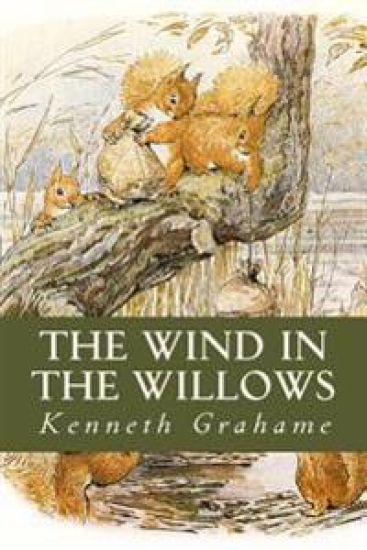
The Wind in the Willows

The Wind in the Willows

Kenneth Grahame

Createspace Independent Publishing Platform
2017
nidottu
The Wind in the Willows is a children's novel by Kenneth Grahame, first published in 1908. Alternately slow moving and fast paced, it focuses on four anthropomorphised animals in a pastoral version of Edwardian England. The novel is notable for its mixture of mysticism, adventure, morality and camaraderie, and celebrated for its evocation of the nature of the Thames Valley.
The Golden Age

The Golden Age

Kenneth Grahame

Createspace Independent Publishing Platform
2017
nidottu
Typical of his culture and his era, Grahame casts his reminiscences in imagery and metaphor rooted in the culture of Ancient Greece; to the children whose impressions are recorded in the book, the adults in their lives are "Olympians", while the chapter titled "The Argonauts" refers to Perseus, Apollo, Psyche, and similar figures of Greek mythology. Grahame's reminiscences were notable for their conception "of a world where children are locked in perpetual warfare with the adult 'Olympians' who have wholly forgotten how it feels to be young" - a theme later explored by J. M. Barrie and other authors.
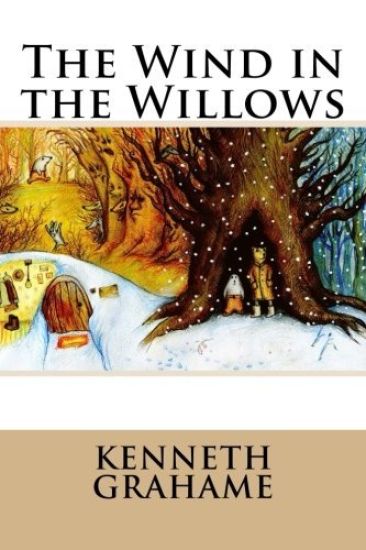
The Wind in the Willows

The Wind in the Willows

Kenneth Grahame

Robert W Strugnell
2016
nidottu
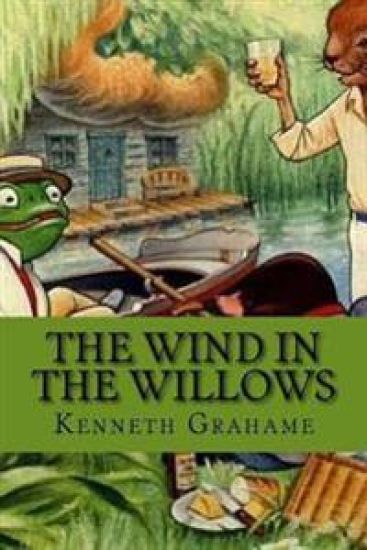
The Wind in the Willows The Wind in the Willows is a classic of children's literature by Kenneth Grahame, first published in 1908. Alternately slow moving and fast paced, it focuses on four anthropomorphised animal characters in a pastoral version of England. The novel is notable for its mixture of mysticism, adventure, morality, and camaraderie and celebrated for its evocation of the nature of the Thames valley. In 1908 Grahame retired from his position as secretary of the Bank of England. He moved back to Cookham, Berkshire, where he had been brought up and spent his time by the River Thames doing much as the animal characters in his book do-namely, as one of the most famous phrases from the book says, "simply messing about in boats"-and wrote down the bed-time stories he had been telling his son Alistair. Main characters Mole - A mild-mannered, home-loving animal, and the first character to be introduced. Fed up with spring cleaning in his secluded home, he ventures into the outside world. Originally overawed by the hustle and bustle of the riverbank, he eventually adapts. Ratty - Ratty (actually a water vole) is cultured, relaxed and friendly, with literary pretentions and a life of leisure. Ratty loves the river and takes Mole under his wing. He is implied to be occasionally mischievous and can be stubborn when it comes to doing things outside of his riverside lifestyle. Mr. Toad - The wealthy scion of Toad Hall. Good-natured, kind-hearted and not without intelligence, Toad inherited his wealth from his late father. Spoiled, conceited, and impulsive, he is prone to obsessions and crazes (such as punting, houseboats, and horse-drawn caravans), each of which in turn he becomes bored with and drops. His motoring craze eventually sees him imprisoned for theft, dangerous driving and gross impertinence to the rural police. Several chapters of the book chronicle his daring escape from prison. Mr. Badger - Gruff and solitary, who "simply hates society", Badger embodies the "wise hermit" figure. A friend of Toad's late father, he is uncompromising with the disappointing Toad yet remains optimistic his good qualities will prevail. He lives in a vast underground set, part of which incorporates the remains of a buried Roman settlement. A brave and a skilled fighter, Badger helped clear the Wild Wooders from Toad Hall with his large cudgel. Otter and Portly - A friend of Ratty with a stereotypical "Cockney costermonger" character, the extrovert Otter is tough and self-sufficient. Portly is his young son. The Gaoler's Daughter - The only major human character; a "clever, wise, good girl" she helps Toad escape from prison. The Chief Weasel - The story's antagonist. He and his band of weasels, stoats, and ferrets from the Wild Wood plot to take over Toad Hall. Inhabitants of the Wild Wood - Weasels, stoats, ferrets, foxes and others, who are described by Ratty thus: "all right in a way... but... well, you can't really trust them". Pan - A god who makes a single, anomalous appearance in Chapter 7, The Piper at the Gates of Dawn. The Wayfarer - A vagabond seafaring rat, who also makes a single appearance. Ratty briefly considers following his example, before Mole manages to persuade him otherwise. Squirrels and rabbits, who are generally good (although rabbits are described as "a mixed lot").

The Wind in the Willows Kenneth Grahame

The Wind in the Willows Kenneth Grahame

Kenneth Grahame

Createspace Independent Publishing Platform
2016
nidottu
The Wind in the Willows is a children's novel by Kenneth Grahame, first published in 1908. Alternately slow moving and fast paced, it focuses on four anthropomorphised animals in a pastoral version of Edwardian England. The novel is notable for its mixture of mysticism, adventure, morality and camaraderie, and celebrated for its evocation of the nature of the Thames Valley.