Kirjojen hintavertailu – 12 903 725 kirjaa ja 27 kauppaa

Kirjailija

Konrad Schmid

Kirjat ja teokset yhdessä paikassa: 27 kirjaa, julkaisuja vuosilta 2010–2024, suosituimpiin kuuluu Die Theologische Fakultat Der Universitat Zurich: Ihre Geschichte Von 1833 Bis 2015. Vertaile teosten hintoja ja tarkista saatavuus suomalaisista kirjakaupoista.

27 kirjaa

Kirjojen julkaisuvuodet: 2010–2024.

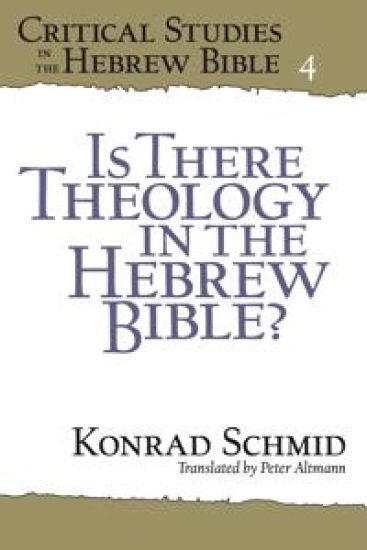
Is There Theology in the Hebrew Bible?
The Hebrew Bible has long been the subject of theological inquiries and debates in Judaism and Christianity. But is there something like theology already in the Hebrew Bible itself? Is it possible to describe the literary growth of the Hebrew Bible by means of an ongoing theological debate? Answers to these questions depend on how one conceives of the category “theology.” In this book, Konrad Schmid reconstructs the development of this category, then describes and discusses biblical texts in the Hebrew Bible that are relevant to the question Is There Theology in the Hebrew Bible? The book consists of two main sections. In the first, Schmid traces the notion of “theology” from its earliest use, in Greek philosophy, through the medieval period and to today. He pays close attention to “biblical theology,” particularly the different understandings of this idea as something emanating from the Hebrew Bible itself versus something that readers impose onto the biblical text. He also tracks the influence of the discipline of comparative religion on biblical theology, especially with regard to the growing division between biblical and systematic theology. In the second part, Schmid focuses specifically on “implicit” biblical theology, that is, theological reflection apparent within the Hebrew Bible itself. He provides several examples, such as the theologization of the law that resulted from inner-biblical exegesis and Jeremiah’s universal theology of history. Is There Theology in the Hebrew Bible? will serve as an important reference to all those interested in the question posed by the title. Schmid provides a nuanced answer to this question that both takes into account the convoluted history of biblical theology and lays out new ways of approaching the subject.
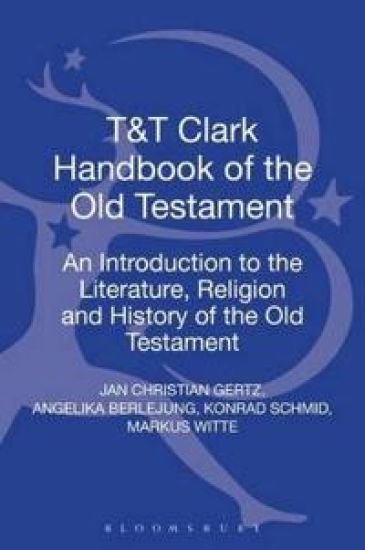
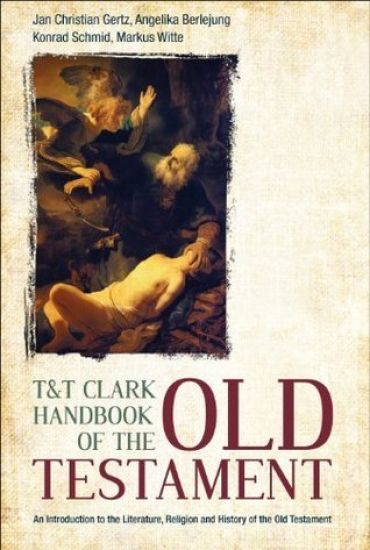
T&T Clark Handbook of the Old Testament

T&T Clark Handbook of the Old Testament

Jan Christian Gertz; Angelika Berlejung; Konrad Schmid; Markus Witte

T. T.Clark Ltd
2012
sidottu
This title presents a comprehensive and profound introduction to the literature and history of the Old Testament. Beginning with methods and sources, this Handbook looks at the Biblical text, archaeology, other texts, and iconography. It explores varying exegetical methods, including historical criticism, canonical approach, feminist, social scientific and liberation theology. Methods in archaeology, Hebrew epigraphic and iconography are also covered. The second section is devoted to the history and religious history of Ancient Israel. Introductory matters, such as fundamental terminology and definitions, ethnic identity, ancestors and the dead, geography and time reckoning are explicated before the book moves on to a historical survey from the Iron Age (c. 1200 BCE) to the early Roman period (ending about 63 CE). The heart of the book is a detailed survey of the Hebrew canonical books, section by section and book by book. The discussion for each book includes: biblical presentation and content; problems arising from the history of literary analysis and research; the origin and growth of the writing; the theology; and notes on reception history. This book will provide students with everything they need to study the Hebrew Bible/Old Testament.
T&T Clark Handbook of the Old Testament

T&T Clark Handbook of the Old Testament

Jan Christian Gertz; Angelika Berlejung; Konrad Schmid; Markus Witte

T. T.Clark Ltd
2012
nidottu

Halvin toimitettuna 66,60 €

This title provides a comprehensive and profound introduction to the literature and history of the Old Testament. Beginning with methods and sources, this Handbook looks at the Biblical text, archaeology, other texts, and iconography. It explores varying exegetical methods, including historical criticism, canonical approach, feminist, social scientific and liberation theology. Methods in archaeology, Hebrew epigraphic and iconography are also covered. The second section is devoted to the history and religious history of Ancient Israel. Introductory matters, such as fundamental terminology and definitions, ethnic identity, ancestors and the dead, geography and time reckoning are explicated before the book moves on to a historical survey from the Iron Age (c. 1200 BCE) to the early Roman period (ending about 63 CE). The heart of the book is a detailed survey of the Hebrew canonical books, section by section and book by book. The discussion for each book includes: biblical presentation and content; problems arising from the history of literary analysis and research; the origin and growth of the writing; the theology; and notes on reception history. This book will provide students with everything they need to study the Hebrew Bible/Old Testament.
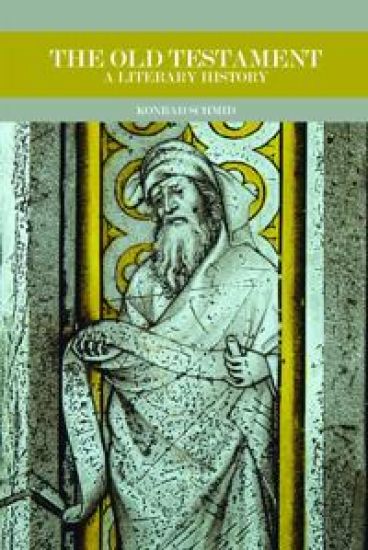
The Old Testament

The Old Testament

Konrad Schmid

Fortress Press,U.S.
2012
sidottu
Renowned Hebrew Bible scholar Konrad Schmid here provides a comprehensive discussion of the task, history, and conditions of the history of Old Testament literature. He carefully considers the dynamics of language, orality, literacy, and the range of social and political conditions that shaped Israels writing at each period of the peoples history and explores the significance of the transformation of various writings into Scripture and a biblical canon.
Jesaja 1-23

Jesaja 1-23

Konrad Schmid

Theologischer Verlag
2011
nidottu
Dieser erste Teilband zu Jesaja erlautert die Texte historisch und erschliesst sie theologisch. Dabei folgt der Autor den Erkenntnissen der neuesten Forschung an den Prophetenbuchern des Alten Testaments: Sie hat das Jesajabuch als langfristig gewachsene Auslegung der Botschaft Jesajas (8. Jh. v. Chr.) auf nachfolgende geschichtliche Situationen bis hin zu seinem literarischen Abschluss (3. Jh. v. Chr.) zu verstehen gelehrt. Der Kommentar enthalt eine ausfuhrliche historische und thematische Einfuhrung und wendet sich an Bibelleserinnen und -leser, die bereit sind, antike Literatur in ihrer Eigenart zu respektieren, und die auch schwierige biblische Texte verstehen wollen.
Schriftgelehrte Traditionsliteratur

Schriftgelehrte Traditionsliteratur

Konrad Schmid

Mohr Siebeck
2011
sidottu
Die neuere Forschung zum Alten Testament hat deutlich gemacht, dass dessen Bücher über weite Strecken hin Text und Kommentar in einem sind. Die Schriftwerdung des Alten Testaments lässt sich als ein differenzierter Prozess innerbiblischer Schriftauslegung interpretieren, der überkommenes Textgut jeweils auf neue historische Situationen hin aktualisiert hat. Erst die Kanonsgrenze hat Text und Kommentar dann dauerhaft voneinander getrennt. Der vorliegende Band vereinigt verschiedene Studien von Konrad Schmid, in denen er sich der Rekonstruktion der Schriftkultur und des Literaturbetriebs im antiken Israel zuwendet, mehrere Fallstudien innerbiblischer Exegese im Alten Testament vorstellt und schließlich die theologische Bedeutung dieser Befunde thematisiert. Das von der neueren alttestamentlichen Wissenschaft gezeichnete Bild des Alten Testaments als schriftgelehrter Traditionsliteratur erweist sich dabei als Grundlage einer historisch differenzierten und theologisch dynamischen Wahrnehmung der Bibel.
Genesis and the Moses Story

Genesis and the Moses Story

Konrad Schmid

Eisenbrauns
2010
sidottu
Konrad Schmid is a Swiss biblical scholar who belongs to a larger group of Continental researchers proposing new directions in the study of the Pentateuch. In this volume, a translation of his Erzväter und Exodus, Schmid argues that the ancestor tradition in Genesis and the Moses story in Exodus were two competing traditions of Israel’s origins and were not combined until the time of the Priestly Code—that is, the early Persian period. Schmid interacts with the long tradition of European scholarship on the Hebrew Bible but departs from some of the main tenets of the Documentary Hypothesis: he argues that the pre-Priestly material in both text blocks is literarily and theologically so divergent that their present linkage is more appropriately interpreted as the result of a secondary redaction than as thematic variation stemming from J’s oral prehistory. He dates Genesis–2 Kings to the Persian period and considers it a redactional work that, in its present shape, is a historical introduction to the message of future hope presented in the prophetic corpus of Isaiah-Malachi. Scholars and students alike will be pleased that this translation makes Schmid’s important work readily available in English, both for the contributions made by Schmid and the summary of continental interpretation that he presents. In this edition, some passages have been expanded or modified in order to clarify issues or to engage with more-recent scholarship. The notes and bibliography have also been updated. Dr. Schmid is Professor of Old Testament and Early Judaism at the University of Zürich.