Kirjojen hintavertailu – 12 903 735 kirjaa ja 27 kauppaa
Kirjailija
Lillian Fawcett
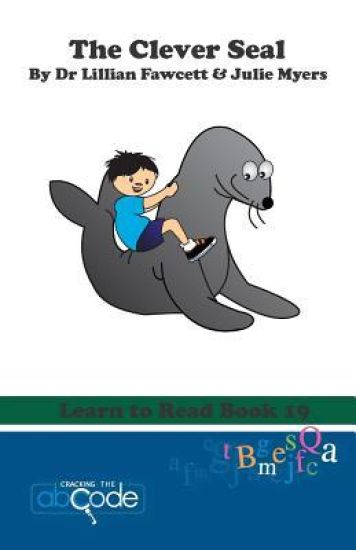
Kirjat ja teokset yhdessä paikassa: 46 kirjaa, julkaisuja vuosilta 2013–2019, suosituimpiin kuuluu The Clever Seal: Learn to Read Book 19. Vertaile teosten hintoja ja tarkista saatavuus suomalaisista kirjakaupoista.
This photocopiable version of Introduction to Writing Persuasively provides a systematic, step-by-step program for developing students' ability to write expository essays. It is divided into two parts. The first part provides activities for developing students' oral expression and their ability to think quickly. Good language skills underpin good writing skills. The second part teaches students the basic structure of writing persuasively.
This photocopiable version of Introduction to Writing Creatively provides a systematic, step-by-step program for developing younger students' narrative writing skills. It is divided into two parts. The first part provides activities for developing students' oral expression. Good language skills underpin good writing skills. The second part consists of a series of guided writing activities based on common folktales with which many students are probably familiar.
The Cracking the ABC Code Learn to Read series has been designed to help children develop decoding and fluency skills. The books teach children 200 key words (taken from the Dolch list), representing 70% of our everyday language. These key words may or may not be words that children can decode given their current phonic knowledge, but are words that are frequently used and consequently important to learn in order to achieve reading fluency. The words are introduced in sets of 20 with the same key words used in different sentence structures multiple times throughout two consecutive books (e.g., Books 1 & 2, Books 3 & 4, etc). Once key words have been introduced, they are continually used throughout the series. In addition to the key words, each book uses decodable content words which children can read using their phonic knowledge. It is expected that children using the Learn to Read series already have a good grasp of the alphabet and can easily blend these sounds into words (e.g., can, fun). Each book focuses on a different digraph (e.g., ch, sh, th) and the introduction of these digraphs match the Cracking the ABC Code Multisensory Reading Level 2 books. Again, this knowledge is cumulative in that once a digraph has been introduced words containing those digraphs will continue to be used in subsequent books. Book 16 introduces the 'ay' digraph.
The Cracking the ABC Code Learn to Read series has been designed to help children develop decoding and fluency skills. The books teach children 200 key words (taken from the Dolch list), representing 70% of our everyday language. These key words may or may not be words that children can decode given their current phonic knowledge, but are words that are frequently used and consequently important to learn in order to achieve reading fluency. The words are introduced in sets of 20 with the same key words used in different sentence structures multiple times throughout two consecutive books (e.g., Books 1 & 2, Books 3 & 4, etc). Once key words have been introduced, they are continually used throughout the series. In addition to the key words, each book uses decodable content words which children can read using their phonic knowledge. It is expected that children using the Learn to Read series already have a good grasp of the alphabet and can easily blend these sounds into words (e.g., can, fun). Each book focuses on a different digraph (e.g., ch, sh, th) and the introduction of these digraphs match the Cracking the ABC Code Multisensory Reading Level 2 books. Again, this knowledge is cumulative in that once a digraph has been introduced words containing those digraphs will continue to be used in subsequent books. Book 17 introduces the 'ow' digraph.
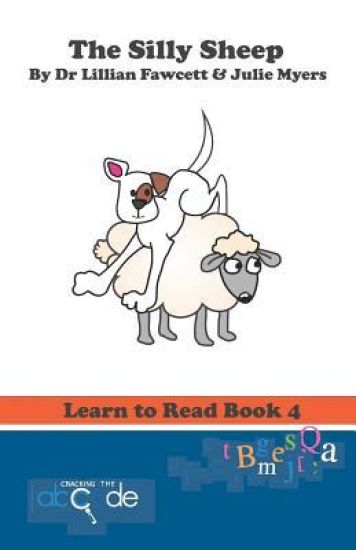
The Cracking the ABC Code Learn to Read series has been designed to help children develop decoding and fluency skills. The books teach children 200 key words (taken from the Dolch list), representing 70% of our everyday language. These key words may or may not be words that children can decode given their current phonic knowledge, but are words that are frequently used and consequently important to learn in order to achieve reading fluency. The words are introduced in sets of 20 with the same key words used in different sentence structures multiple times throughout two consecutive books (e.g., Books 1 & 2, Books 3 & 4, etc). Once key words have been introduced, they are continually used throughout the series. In addition to the key words, each book uses decodable content words which children can read using their phonic knowledge. It is expected that children using the Learn to Read series already have a good grasp of the alphabet and can easily blend these sounds into words (e.g., can, fun). Each book focuses on a different digraph (e.g., ch, sh, th) and the introduction of these digraphs match the Cracking the ABC Code Multisensory Reading Level 2 books. Again, this knowledge is cumulative in that once a digraph has been introduced words containing those digraphs will continue to be used in subsequent books. Book 4 introduces the 'ee' digraph.
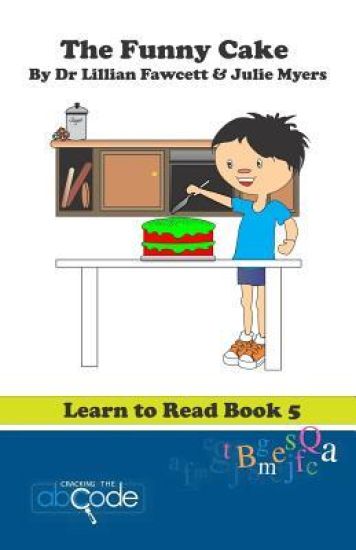
The Cracking the ABC Code Learn to Read series has been designed to help children develop decoding and fluency skills. The books teach children 200 key words (taken from the Dolch list), representing 70% of our everyday language. These key words may or may not be words that children can decode given their current phonic knowledge, but are words that are frequently used and consequently important to learn in order to achieve reading fluency. The words are introduced in sets of 20 with the same key words used in different sentence structures multiple times throughout two consecutive books (e.g., Books 1 & 2, Books 3 & 4, etc). Once key words have been introduced, they are continually used throughout the series. In addition to the key words, each book uses decodable content words which children can read using their phonic knowledge. It is expected that children using the Learn to Read series already have a good grasp of the alphabet and can easily blend these sounds into words (e.g., can, fun). Each book focuses on a different digraph (e.g., ch, sh, th) and the introduction of these digraphs match the Cracking the ABC Code Multisensory Reading Level 2 books. Again, this knowledge is cumulative in that once a digraph has been introduced words containing those digraphs will continue to be used in subsequent books. Book 5 introduces the 'a-e' digraph.
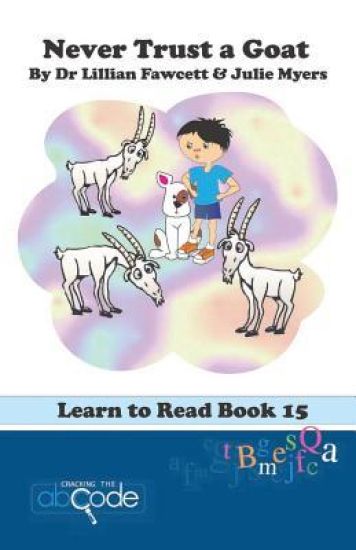
The Cracking the ABC Code Learn to Read series has been designed to help children develop decoding and fluency skills. The books teach children 200 key words (taken from the Dolch list), representing 70% of our everyday language. These key words may or may not be words that children can decode given their current phonic knowledge, but are words that are frequently used and consequently important to learn in order to achieve reading fluency. The words are introduced in sets of 20 with the same key words used in different sentence structures multiple times throughout two consecutive books (e.g., Books 1 & 2, Books 3 & 4, etc). Once key words have been introduced, they are continually used throughout the series. In addition to the key words, each book uses decodable content words which children can read using their phonic knowledge. It is expected that children using the Learn to Read series already have a good grasp of the alphabet and can easily blend these sounds into words (e.g., can, fun). Each book focuses on a different digraph (e.g., ch, sh, th) and the introduction of these digraphs match the Cracking the ABC Code Multisensory Reading Level 2 books. Again, this knowledge is cumulative in that once a digraph has been introduced words containing those digraphs will continue to be used in subsequent books. Book 15 introduces the 'oa' digraph.
The Cracking the ABC Code Learn to Read series has been designed to help children develop decoding and fluency skills. The books teach children 200 key words (taken from the Dolch list), representing 70% of our everyday language. These key words may or may not be words that children can decode given their current phonic knowledge, but are words that are frequently used and consequently important to learn in order to achieve reading fluency. The words are introduced in sets of 20 with the same key words used in different sentence structures multiple times throughout two consecutive books (e.g., Books 1 & 2, Books 3 & 4, etc). Once key words have been introduced, they are continually used throughout the series. In addition to the key words, each book uses decodable content words which children can read using their phonic knowledge. It is expected that children using the Learn to Read series already have a good grasp of the alphabet and can easily blend these sounds into words (e.g., can, fun). Each book focuses on a different digraph (e.g., ch, sh, th) and the introduction of these digraphs match the Cracking the ABC Code Multisensory Reading Level 2 books. Again, this knowledge is cumulative in that once a digraph has been introduced words containing those digraphs will continue to be used in subsequent books. Book 19 introduces the 'ea' digraph.
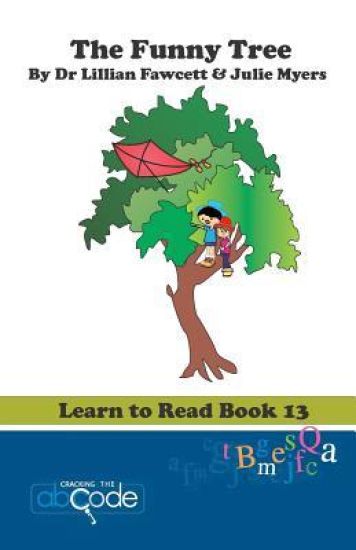
The Cracking the ABC Code Learn to Read series has been designed to help children develop decoding and fluency skills. The books teach children 200 key words (taken from the Dolch list), representing 70% of our everyday language. These key words may or may not be words that children can decode given their current phonic knowledge, but are words that are frequently used and consequently important to learn in order to achieve reading fluency. The words are introduced in sets of 20 with the same key words used in different sentence structures multiple times throughout two consecutive books (e.g., Books 1 & 2, Books 3 & 4, etc). Once key words have been introduced, they are continually used throughout the series. In addition to the key words, each book uses decodable content words which children can read using their phonic knowledge. It is expected that children using the Learn to Read series already have a good grasp of the alphabet and can easily blend these sounds into words (e.g., can, fun). Each book focuses on a different digraph (e.g., ch, sh, th) and the introduction of these digraphs match the Cracking the ABC Code Multisensory Reading Level 2 books. Again, this knowledge is cumulative in that once a digraph has been introduced words containing those digraphs will continue to be used in subsequent books. Book 13 introduces the grapheme 'y' as in sunny.
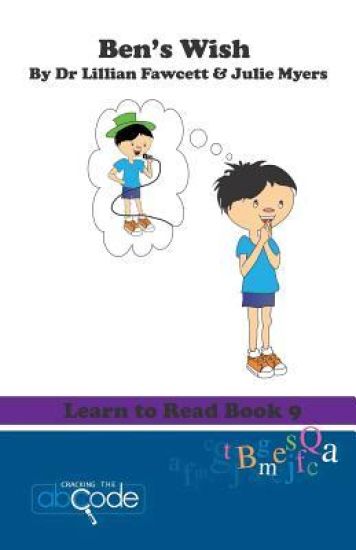
The Cracking the ABC Code Learn to Read series has been designed to help children develop decoding and fluency skills. The books teach children 200 key words (taken from the Dolch list), representing 70% of our everyday language. These key words may or may not be words that children can decode given their current phonic knowledge, but are words that are frequently used and consequently important to learn in order to achieve reading fluency. The words are introduced in sets of 20 with the same key words used in different sentence structures multiple times throughout two consecutive books (e.g., Books 1 & 2, Books 3 & 4, etc). Once key words have been introduced, they are continually used throughout the series. In addition to the key words, each book uses decodable content words which children can read using their phonic knowledge. It is expected that children using the Learn to Read series already have a good grasp of the alphabet and can easily blend these sounds into words (e.g., can, fun). Each book focuses on a different digraph (e.g., ch, sh, th) and the introduction of these digraphs match the Cracking the ABC Code Multisensory Reading Level 2 books. Again, this knowledge is cumulative in that once a digraph has been introduced words containing those digraphs will continue to be used in subsequent books. Book 9 introduces the 'ng' digraph.
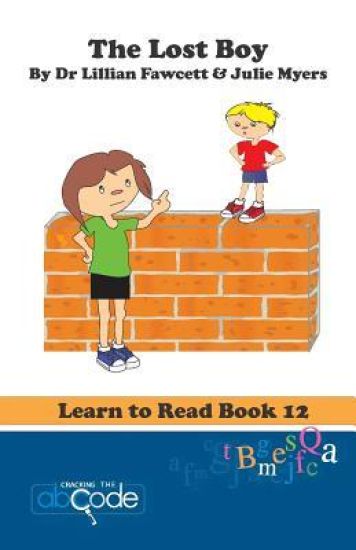
The Cracking the ABC Code Learn to Read series has been designed to help children develop decoding and fluency skills. The books teach children 200 key words (taken from the Dolch list), representing 70% of our everyday language. These key words may or may not be words that children can decode given their current phonic knowledge, but are words that are frequently used and consequently important to learn in order to achieve reading fluency. The words are introduced in sets of 20 with the same key words used in different sentence structures multiple times throughout two consecutive books (e.g., Books 1 & 2, Books 3 & 4, etc). Once key words have been introduced, they are continually used throughout the series. In addition to the key words, each book uses decodable content words which children can read using their phonic knowledge. It is expected that children using the Learn to Read series already have a good grasp of the alphabet and can easily blend these sounds into words (e.g., can, fun). Each book focuses on a different grapheme (e.g., ch, sh, th) and the introduction of these grapheme match the Cracking the ABC Code Multisensory Reading Level 2 books. Again, this knowledge is cumulative in that once a grapheme has been introduced words containing those digraphs will continue to be used in subsequent books. Book 12 introduces the 'all' grapheme.
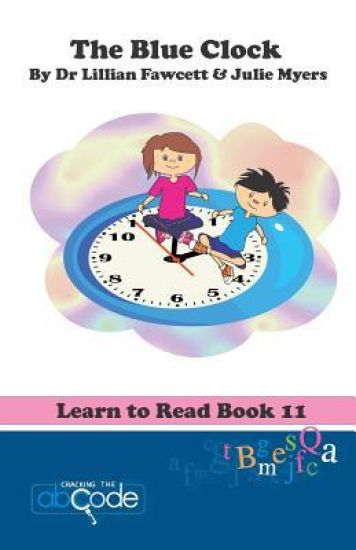
The Cracking the ABC Code Learn to Read series has been designed to help children develop decoding and fluency skills. The books teach children 200 key words (taken from the Dolch list), representing 70% of our everyday language. These key words may or may not be words that children can decode given their current phonic knowledge, but are words that are frequently used and consequently important to learn in order to achieve reading fluency. The words are introduced in sets of 20 with the same key words used in different sentence structures multiple times throughout two consecutive books (e.g., Books 1 & 2, Books 3 & 4, etc). Once key words have been introduced, they are continually used throughout the series. In addition to the key words, each book uses decodable content words which children can read using their phonic knowledge. It is expected that children using the Learn to Read series already have a good grasp of the alphabet and can easily blend these sounds into words (e.g., can, fun). Each book focuses on a different digraph (e.g., ch, sh, th) and the introduction of these digraphs match the Cracking the ABC Code Multisensory Reading Level 2 books. Again, this knowledge is cumulative in that once a digraph has been introduced words containing those digraphs will continue to be used in subsequent books. Book 11 introduces the 'ck' digraph.
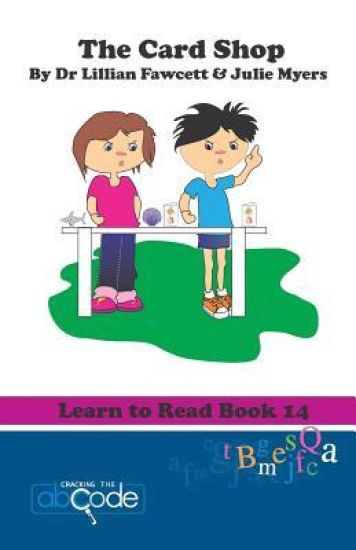
The Cracking the ABC Code Learn to Read series has been designed to help children develop decoding and fluency skills. The books teach children 200 key words (taken from the Dolch list), representing 70% of our everyday language. These key words may or may not be words that children can decode given their current phonic knowledge, but are words that are frequently used and consequently important to learn in order to achieve reading fluency. The words are introduced in sets of 20 with the same key words used in different sentence structures multiple times throughout two consecutive books (e.g., Books 1 & 2, Books 3 & 4, etc). Once key words have been introduced, they are continually used throughout the series. In addition to the key words, each book uses decodable content words which children can read using their phonic knowledge. It is expected that children using the Learn to Read series already have a good grasp of the alphabet and can easily blend these sounds into words (e.g., can, fun). Each book focuses on a different digraph (e.g., ch, sh, th) and the introduction of these digraphs match the Cracking the ABC Code Multisensory Reading Level 2 books. Again, this knowledge is cumulative in that once a digraph has been introduced words containing those digraphs will continue to be used in subsequent books. Book 14 introduces the 'ar' digraph.
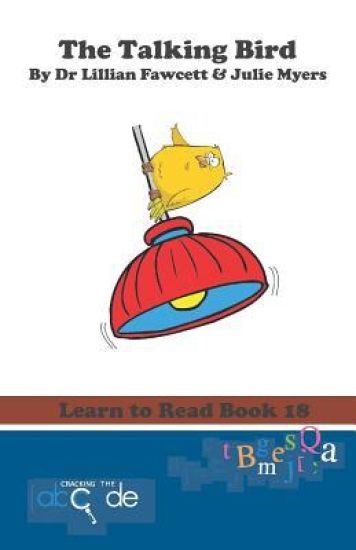
The Cracking the ABC Code Learn to Read series has been designed to help children develop decoding and fluency skills. The books teach children 200 key words (taken from the Dolch list), representing 70% of our everyday language. These key words may or may not be words that children can decode given their current phonic knowledge, but are words that are frequently used and consequently important to learn in order to achieve reading fluency. The words are introduced in sets of 20 with the same key words used in different sentence structures multiple times throughout two consecutive books (e.g., Books 1 & 2, Books 3 & 4, etc). Once key words have been introduced, they are continually used throughout the series. In addition to the key words, each book uses decodable content words which children can read using their phonic knowledge. It is expected that children using the Learn to Read series already have a good grasp of the alphabet and can easily blend these sounds into words (e.g., can, fun). Each book focuses on a different digraph (e.g., ch, sh, th) and the introduction of these digraphs match the Cracking the ABC Code Multisensory Reading Level 2 books. Again, this knowledge is cumulative in that once a digraph has been introduced words containing those digraphs will continue to be used in subsequent books. Book 18 introduces the 'ir' digraph.
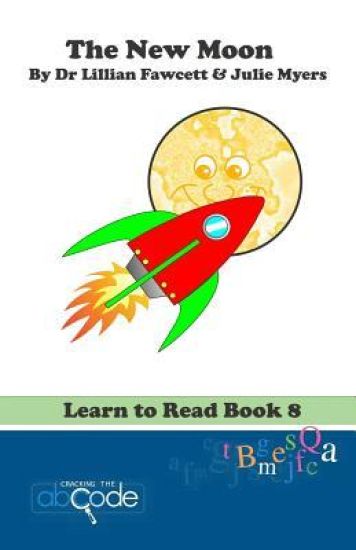
The Cracking the ABC Code Learn to Read series has been designed to help children develop decoding and fluency skills. The books teach children 200 key words (taken from the Dolch list), representing 70% of our everyday language. These key words may or may not be words that children can decode given their current phonic knowledge, but are words that are frequently used and consequently important to learn in order to achieve reading fluency. The words are introduced in sets of 20 with the same key words used in different sentence structures multiple times throughout two consecutive books (e.g., Books 1 & 2, Books 3 & 4, etc). Once key words have been introduced, they are continually used throughout the series. In addition to the key words, each book uses decodable content words which children can read using their phonic knowledge. It is expected that children using the Learn to Read series already have a good grasp of the alphabet and can easily blend these sounds into words (e.g., can, fun). Each book focuses on a different digraph (e.g., ch, sh, th) and the introduction of these digraphs match the Cracking the ABC Code Multisensory Reading Level 2 books. Again, this knowledge is cumulative in that once a digraph has been introduced words containing those digraphs will continue to be used in subsequent books. Book 8 introduces the 'oo' digraph.