Kirjailija
Lope De Vega
Kirjat ja teokset yhdessä paikassa: 187 kirjaa, julkaisuja vuosilta 1971–2026, suosituimpiin kuuluu Théâtre Européen, Nouvelle Collection. Série 1. Le Moulin, Comédie Fameuse En Trois Actes. Vertaile teosten hintoja ja tarkista saatavuus suomalaisista kirjakaupoista.
187 kirjaa
Kirjojen julkaisuvuodet: 1971–2026.
Parte Veintecinco Perfeta, Y Verdadera De Las Comedias Del Fenix (1647)
Lope De Vega
KESSINGER PUBLISHING, LLC
2009
pokkari
Poesias Escogidas del Doctor
Lope De Vega; Jean Francois Marmontel
KESSINGER PUBLISHING, LLC
2009
pokkari
Romancero Espiritual Para Reglarse El Alma Con Dios Y Redencion Del Genero (1720)
Lope De Vega
KESSINGER PUBLISHING, LLC
2009
pokkari
Parte Veinte de Las Comedias de Lope de Vega Carpio (1625)
Lope De Vega
KESSINGER PUBLISHING, LLC
2009
nidottu
Decima Parte de Las Comedias de Lope de Vega Carpio, Familiar del Santo Oficio (1621)
Lope De Vega
KESSINGER PUBLISHING, LLC
2009
nidottu
Triunfo de La Fee, En Los Reynos del Japon (1618)
Lope De Vega
KESSINGER PUBLISHING, LLC
2009
pokkari
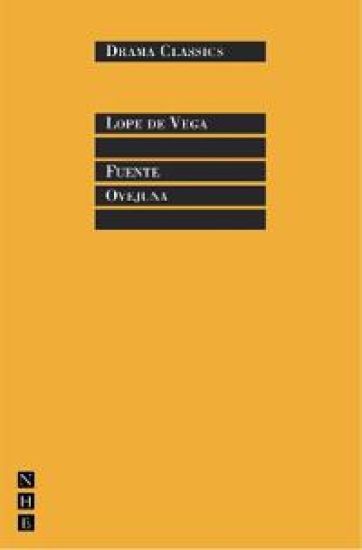
Drama Classics: The World's Great Plays at a Great Little Price A masterpiece by one of the greatest writers of the Spanish Golden Age. When the people of the town of Fuente Ovejuna revolt against their tyrannical overlord and murder him, the authorities attempt to find out who is responsible, leading to one of the most memorable acts of resistance in world drama. First published in Madrid in 1619, Lope de Vega's play Fuente Ovejuna is believed to have been written between 1612 and 1614. This edition in the Nick Hern Books Drama Classics series is an English translation by Laurence Boswell.
Theatre Espagnol V3 (1770)
Simon Nicolas Henri Linguet; Lope De Vega; Pedro Calderon De La Barca
KESSINGER PUBLISHING, LLC
2008
nidottu
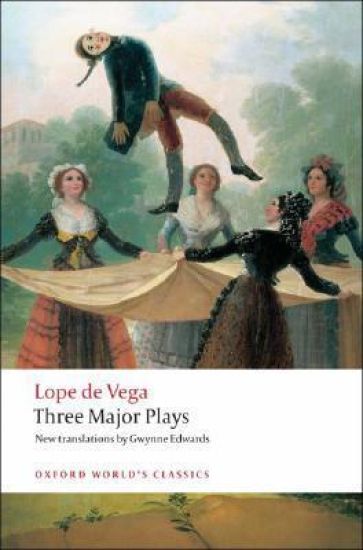
Lope de Vega (1562-1635), widely regarded as the architect of the drama of the Spanish Golden Age, was known by his contemporaries as the `monster of Nature' on account of his creativity as a playwright. Claiming to have written more than a thousand plays, he created plots and characters notable for their energy, inventiveness and dramatic power, and which, in contrast to French classical drama, combine the serious and the comic in their desire to imitate life. Fuente Ovejuna, based on Spanish history, and revealing how tyranny leads to rebelliion, is perhaps his best-known play. The Knight from Olmedo is a moving dramatization of impetuous and youthful passion which ends in death. Punishment without Revenge, Lope's most powerful tragedy, centres on the illicit relationship of a young wife with her stepson and the revenge of a dishonoured husband. These three plays, grouped here in translations which are faithful to the original Spanish, vivid and intended for performance, embody the very best of Lope's dramatic art. ABOUT THE SERIES: For over 100 years Oxford World's Classics has made available the widest range of literature from around the globe. Each affordable volume reflects Oxford's commitment to scholarship, providing the most accurate text plus a wealth of other valuable features, including expert introductions by leading authorities, helpful notes to clarify the text, up-to-date bibliographies for further study, and much more.
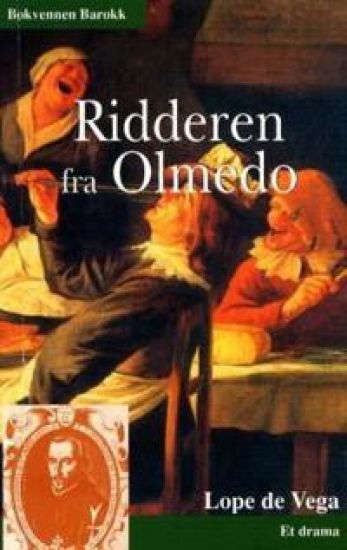
Den skjebnesvangre kjærligheten mellom don Alonso og doña Inés innledes på fiesta og utspiller seg rytmisk og sikkert mot sjalusi og drap. Dramaet er en spansk versjon av Romeo og Julie.
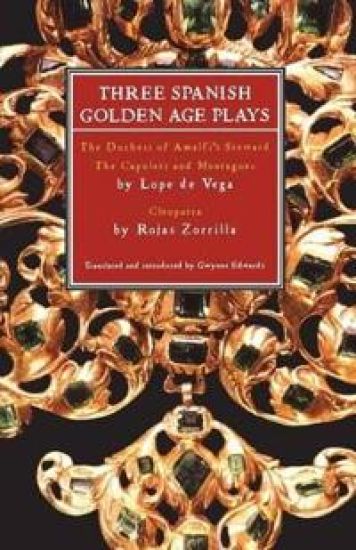
Three Spanish Golden Age Plays
Lope De Vega; Roja Zorrila; Gwynne Edwards
Methuen Drama
2005
nidottu
Three classic Spanish plays, made famous by Shakespeare and Webster Two of the most famous and successful playwrights of Spain's Golden Age of playwriting were Lope de Vega (1562-1635) and Rojas Zorrilla (1607-48). From their prodigious output, the three plays in this volume, based on similar sources to Shakespeare's and Webster's versions, provide a fascinating comparison with their Jacobean counterparts. Lope's The Duchess of Amalfi's Steward, in contrast to Webster's play, focuses on the nobility of love, with characters who are complex and appealing. His Romeo-and-Juliet story, The Capulets and Montagues, is a fast-moving mixture of serious and comic, with an ending that will surprise and entertain. Rojas' treatment of Cleopatra, with its rich imagery, emphasises the love theme, held within a knot of jealous relationships. A full introduction by Gwynne Edwards sets the plays in context and provides a thorough study of the individual works.
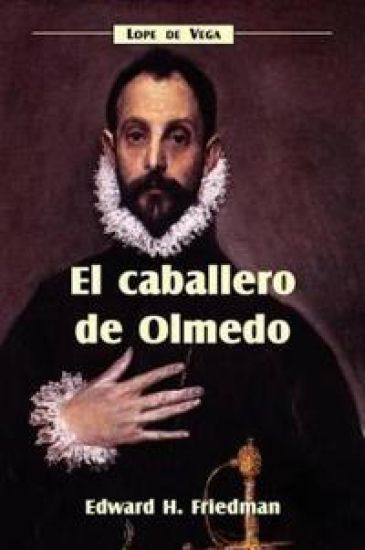
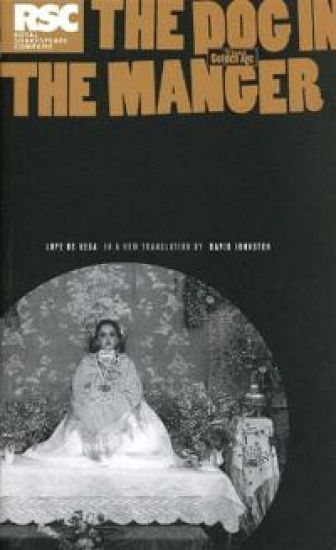
"The Spanish Golden Age celebrated one of the most dynamic, energetic and stylish periods of world drama which exploded onto the stages of Madrid at the turn of the seventeenth century. It was a decisive period in world drama, similar to the periods of great national drama which occurred in seventeenth century London and fifth century Athens. The Spanish Golden Age was big business - professional, commercial theatre with plays touring all over Spain and Europe Lope de Vega was one of the Spanish Golden Age's best known playwrights. In his classic The Dog in the Manger, Diana, Countess of Belfor, a beautiful and headstrong young woman, is beset by aristocratic suitors urging marriage but refuses them all. One-night she discovers her handsome young secretary seducing her favourite lady in waiting and is consumed with jealousy. A heartbreaking love triangle is forged and so begins a tale of forbidden love, envy and passion. The Dog in the Manger is a painful and hilarious comedy for anyone who has ever fallen in love with someone they shouldn't have."