Kirjojen hintavertailu – 12 867 608 kirjaa ja 27 kauppaa

Kirjailija

Marcus Aurelius Antoninus

Kirjat ja teokset yhdessä paikassa: 59 kirjaa, julkaisuja vuosilta 1906–2026, suosituimpiin kuuluu Di Marco Aurelio Antonino Ricordi, Volume 2.... Vertaile teosten hintoja ja tarkista saatavuus suomalaisista kirjakaupoista.

59 kirjaa

Kirjojen julkaisuvuodet: 1906–2026.

Naedine s soboj. Razmyshlenija

Naedine s soboj. Razmyshlenija

Marcus Aurelius Antoninus

Ast
2024
sidottu
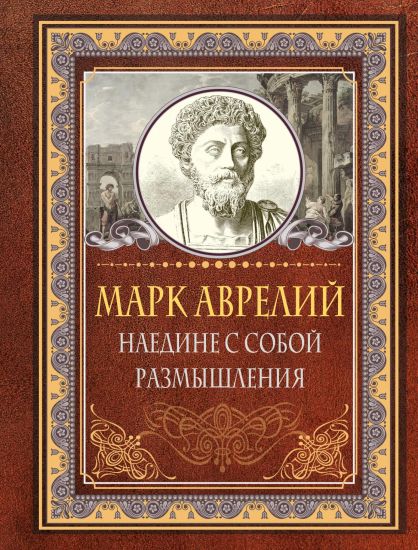
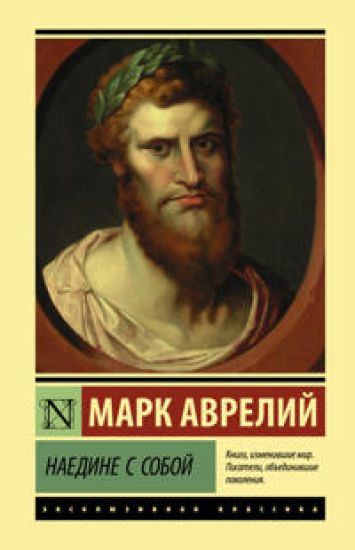
Mark Avrelij - predstavitel pozdnego stoitsizma i posledovatel Epikteta. V svoikh filosofskikh zapisjakh on udeljal naibolshee vnimanie etike, vydeliv ostalnye razdely dlja propedevticheskikh tselej. Esli prezhnie stoiki schitali dushu glavenstvujuschim nachalom, to Mark Avrelij nazyval veduschim nachalom razum. V svojom sbornike "Naedine s soboj. Razmyshlenija" on privodit argumenty v polzu togo, chto nuzhno privesti razum v soglasie s prirodoj tselogo i dostignut blagodarja etomu besstrastija. Potomu chto v soglasii so vseobschim razumom zakljucheno schaste. Zdes vy najdjote naibolee jarkie i zapominajuschiesja izrechenija velikogo filosofa na ljubye zhiznennye sluchai.
Naedine s soboj

Naedine s soboj

Marcus Aurelius Antoninus

Ast
2024
sidottu
Mark Avrelij - rimskij imperator i stoik, che pravlenie prishlos na "zolotoj vek Rimskoj imperii", a ego samogo nazyvali filosofom na trone. "Naedine s soboj" - sobranie myslej Marka Avrelija, sozdannoe v kontse II veka n.e. Eti zapisi soderzhat rassuzhdenija rimskogo imperatora o dukhe, dolge i sovesti, a takzhe otrazhaet ego upornoe stremlenie ne tolko rukovodstvovatsja v svoem mirooschuschenii idejami stoitsizma, no i razvivat ego dlja buduschikh pokolenij. Razmyshlenija Marka Avrelija - eticheskoe uchenie, otsenka zhizni s filosofsko-nravstvennoj storony i sovety, kak k nej otnositsja, chto ostaetsja aktualnym i nuzhnym sovremennomu cheloveku, zainteresovannomu v plodotvornoj i komfortnoj zhizni, spustja tysjacheletija. Originalnyj i udobnyj format knigi pozvolit vam uglubitsja v antichnyj stoitsizm, kotoryj ne terjaet i segodnja, a unikalnoe khudozhestvennoe oformlenie pozvolit vam naslazhdatsja ne tolko glubokimi i dalnovidnymi rassuzhdenijami rimskogo filosofa na trone, no i kachestvennymi illjustratsijami. Mark Avrelij - rimskij imperator i stoik, che pravlenie prishlos na "zolotoj vek Rimskoj imperii", a ego samogo nazyvali filosofom na trone. "Naedine s soboj" - sobranie myslej Marka Avrelija, sozdannoe v kontse II veka n.e. Eti zapisi soderzhat rassuzhdenija rimskogo imperatora o dukhe, dolge i sovesti, a takzhe otrazhaet ego upornoe stremlenie ne tolko rukovodstvovatsja v svoem mirooschuschenii idejami stoitsizma, no i razvivat ego dlja buduschikh pokolenij. Perevodchik: Rogovin Semen Mironovich
Naedine s soboj: razmyshlenija = ta eis heauton
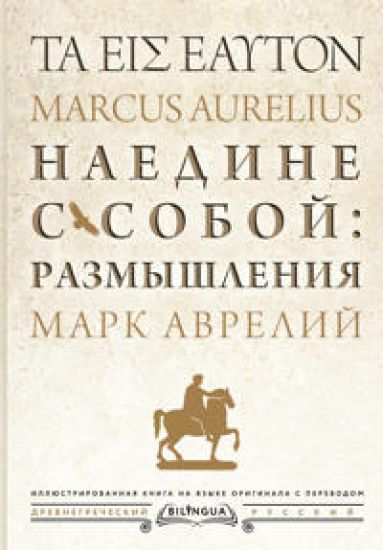
"Bud podoben skale: volny besprestanno razbivajutsja o nee, ona zhe stoit nedvizhimo, i vokrug nee stikhajut vzvolnovannye vody". Mark Avrelij somnevalsja i bojalsja, znal chuzhuju podlost i grubost, ego obsuzhdali i osuzhdali - i pri etom on neizmenno nakhodil v sebe sily sokhranjat spokojstvie, stojkost dukha, tverdost kharaktera. V ego dnevnike vidna kolossalnaja rabota nad soboj, skrupuleznyj analiz chuvstv i myslej, chto pozvolilo emu stat odnim iz pjati khoroshikh imperatorov, pri kotorykh Rimskaja imperija dostigla naivysshego rastsveta. V nastojaschem izdanii originalnyj tekst privoditsja s parallelnym perevodom professora Moskovskogo universiteta, istorika filosofii i perevodchika S. M. Rogovina. Dlja udobstva chtenija kazhdyj punkt na russkom jazyke stoit naprotiv sootvetstvujuschego punkta na drevnegrecheskom. Khudozhniki i gravery raznykh epokh chasto obraschalis k antichnosti, stremjas kak s porazitelnoj tochnostju zapechatlet ee kulturnoe nasledie, tak i sozdat sobstvennyj mif o velichestvennom Drevnem Rime. Neizbezhnost gibeli drevnej tsivilizatsii, poisk puti, neobratimoe techenie vremeni i ugasanie - eti temy zanimali Dzhovanni Piranezi, Albrekhta Djurera, Antonio Lafreri, Lamberta Zutmana, Fabio Berardi, Antonio Venetsiano, Dzhovanni Brambilla, Angeliku Kaufman, Zhana Barbo, Ioganna Fjusli, chi raboty predstavleny v etom izdanii. Antonio Lafreri, graver i kartograf, v XVI veke stal publikovat izobrazhenija Rima svoej kisti i kisti drugikh khudozhnikov, kotorye inogda skryvalis za monogrammoj. Pozzhe eti raboty stali izvestny pod nazvaniem Speculum Romanae Magnificentiae; nekotorye iz nikh takzhe illjustrirujut nastojaschuju knigu Marka Avrelija. Kremovaja lenta ljasse, tverdyj pereplet s relefnymi elementami, tisnenie bronzovoj folgoj, illjustratsii i podarochnyj maket dobavljajut knige privlekatelnost. Izyskannoe oformlenie delaet knigu ne tolko otlichnym dopolneniem k svoej kollektsii, no i prijatnym podarkom dorogim ljudjam.
Naedine s soboj

Naedine s soboj

Marcus Aurelius Antoninus

Ast
2023
nidottu
Sovremenniki nazyvali Marka Avrelija pravednikom na trone, ravnogo kotoromu esche ne bylo. Imperator byl preispolnen glubochajshej ljubvi k ljudjam, smirenija, dobroty i velikodushija. Nesmotrja na to chto emu prikhodilos byt vsegda na vidu, vesti gosudarstvennye dela, uchastvovat v voennykh pokhodakh, on chasto iskal uedinenija, nakhodja ego vnutri sebja. Tak rodilas kniga razmyshlenij "Naedine s soboj", kotoruju on pisal vsju zhizn. Eto istorija ego dushi: rassuzhdenija, otdelnye mysli, sovety potomkam. Popytka razobratsja v sebe, v suschnosti chelovecheskoj zhizni. Do sikh por temy dobra i zla, smysla bytija i neizbezhnosti smerti, povedenija ljudej i ikh otnoshenij, zatronutye v knige, ostajutsja aktualnymi, a interes chitatelja k etomu pamjatniku literatury Drevnego Rima - neizmennym.
Mark Avrelij. Naedine s soboj

Mark Avrelij. Naedine s soboj

Marcus Aurelius Antoninus

Ast
2022
sidottu
Mark Avrelij - predstavitel pozdnego stoitsizma i posledovatel Epikteta. V svoikh filosofskikh zapisjakh on udeljal naibolshee vnimanie etike, vydeliv ostalnye razdely dlja propedevticheskikh tselej. Esli prezhnie stoiki schitali dushu glavenstvujuschim nachalom, to Mark Avrelij nazyval veduschim nachalom razum. V svojom sbornike "Razmyshlenija" on privodit argumenty v polzu togo, chto nuzhno privesti razum v soglasie s prirodoj tselogo i dostignut blagodarja etomu besstrastija. Potomu chto v soglasii so vseobschim razumom zakljucheno schaste.
Naedine s soboj

Naedine s soboj

Marcus Aurelius Antoninus

Ast
2021
sidottu
"Naedine s soboj. Razmyshlenija" - sbornik aforisticheskikh myslej Marka Avrelija, napisannyj im na grecheskom jazyke (kojne) v 70-e gody II veka vo vremja vojny na dunajskoj granitse. On polzovalsja nesomnennym uspekhom v pozdneantichnoe vremja, a v XVI veke vozrodilsja v evropejskikh filosofskikh krugakh. Eti lichnye zapisi otrazhajut upornoe stremlenie imperatora ne tolko rukovodstvovatsja v svoem mirooschuschenii ucheniem stoikov, no i razvivat ego dalshe, nazvav veduschim nachalom v cheloveke ne dushu, no razum, kotoryj nuzhno privesti v soglasie s prirodoj tselogo, dostignuv takim obrazom besstrastija.
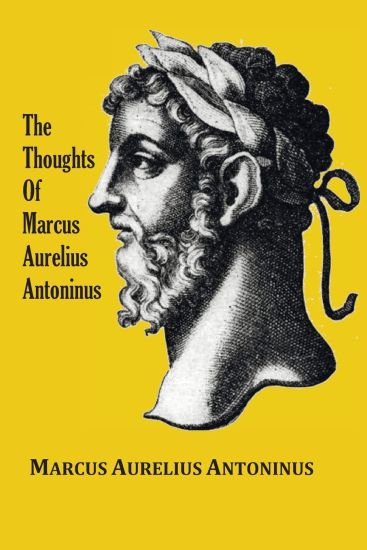
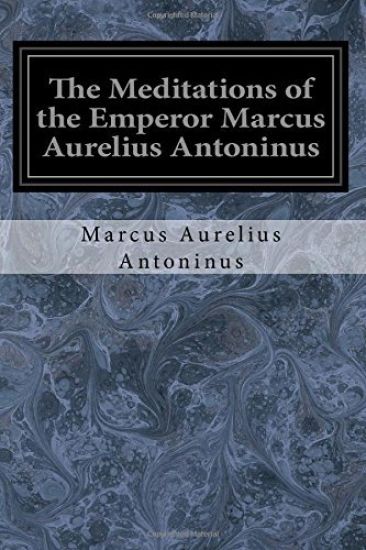
The Thoughts (Meditations) of the Emperor Marcus Aurelius Antoninus - with biographical sketch, philosophy of, illustrations, index and index of terms
The Meditations of Marcus Aurelius is a life-changing book. Among others, it contains the following reflections: "The happiness of your life depends upon the quality of your thoughts." "You have power over your mind - not outside events. Realize this, and you will find strength." "When you arise in the morning, think of what a privilege it is to be alive, to think, to enjoy, to love ..." "It is not death that a man should fear, but he should fear never beginning to live." "Everything we hear is an opinion, not a fact. Everything we see is a perspective, not the truth." The Meditations of Marcus Aurelius is a life-changing book. It contains the private meditations of the most powerful man in the Roman world, the Emperor Marcus Aurelius, as he wrestled with the complexities of his life using the wisdom of Stoic Philosophy. Meditations is written in lucid, accessible language and, interestingly, we see that the problems and perplexities of this philosopher-King are much like ours. Marcus Aurelius was impressively able to live out his philosophical ideals-such as the importance of gratitude, mindfulness, simplicity and life-long learning, of seizing the day, and of remembering the shortness of life-while administering the Roman Empire. Marcus Aurelius (121-180 AD) was the last of the five "good Roman emperors". The Emperor Hadrian adopted Titus Aurelius Antoninus, thereby choosing him to succeed him, and arranged for Antonius to adopt Marcus, and thus, from a young age, Marcus was groomed for power. During this time, he devoted himself to philosophy with passion and diligence. At the age of forty he became Emperor and was known as Emperor Marcus Aurelius Antoninus Augustus. Remarkably in a culture of absolute power, he insisted that his adoptive brother and co-consul, Lucius, be elevated to co-emperor. The historian Herodian, a contemporary, wrote: "he gave proof of his learning not by mere words or knowledge of philosophical doctrines but by his blameless character and temperate way of life." Marcus Aurelius is now best remembered for Meditations, which is, perhaps, the greatest single work of Stoic philosophy. Stoic philosophy is, above all, practical. It uses reason and the careful observation of human life to address the problems of daily life. It is also universal-the Emperor Marcus Aurelius and the freed slave Epictetus were both prominent Stoic philosophers. In recent years, Stoic philosophy has provided invaluable life lessons to people in many spheres of life including prisoners of war and Holocaust survivors, psychiatrists, and those in the business world. Indeed, modern Stoic thought "hold s] fascinating promise for business and government leaders tackling global problems in a turbulent, post-recession slump," (Forbes). This edition is complete and unabridged and contains Introduction, Notes, Appendix containing correspondence with his tutor Fronto, and a number of illustrations and both an index and index of terms.

Til meg selv; Kleanthes' hymne

Til meg selv; Kleanthes' hymne

Marcus Aurelius Antoninus

Arneberg
2021
pokkari
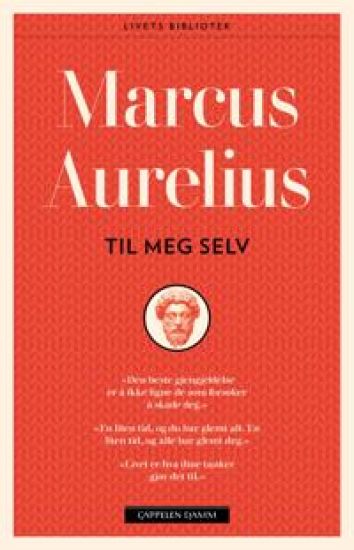
- Til meg selv er et menneskelig dokument uten sidestykke - Stoikeren Keiser Aurelius taler om menneskets ensomhet, rikdommens tomhet, smigerens hulhet, kort sagt alle tings forfengelighet. - Tanken er felles for menneskene, tenkning det høyeste mennesket kan yte. Keiser Marcus Aurelius ble født 26. april 121 under keiser Hadrians regjering. Den dagbok vi har fra ham fikk meget tidlig, allerede i håndskriftene, tittelen "Til seg selv"." Meditasjoner", "Tanker", "Betraktninger" er også brukt, men "Til meg selv" som den heter her, dekker best bokens innhold. Boken er skrevet som en strengt privat og personlig hjelp for en mann med et enormt ansvar hvilende på seg, i en periode da hans ensomhet vokste og hans legemlige krefter tok av, samtidig som den ene kritiske situasjon etter den andre dukket opp og krevde det ytterste av ham. Etter hvert kom kravet om overbærenhet sterkere og sterkere frem: -- hva vet man egentlig om et annet menneskes 'hegemonikon, dets styrende, innerste jeg? Det er så mange motiver som kan være skjult! Her følger noen små utdrag fra boken: - Hvis du ikke bruker tiden til å vinne klarhet, vil den gå bort fra deg; du vil selv gå bort, og det vil aldri bli deg mulig. - Ingen mister noe annet liv enn det han lever, og ingen lever noe annet liv enn det han mister. - Det er ikke lov å erstatte det gode i deg, din fornuft og din følelse for dine medmennesker, med noe helt utenforliggende, for eksempel hyllest fra massene, embeder, rikdom, nytelser. - Konsentrer din tanke om det, at hvert menneske lever bare et øyeblikk, dette flyktige sekund. Alt det andre har han gjennomlevd, eller det ligger i det skjulte. En kort tid har hvert menneske å leve, en liten krok på jorden er hans gjemsted. Boka er oversatt fra gresk og har et nytt forord av Jens Oscar Jenssen. En tidligere innledning av Rebekka Hammering Bang er nå lagt bak som et etterord.
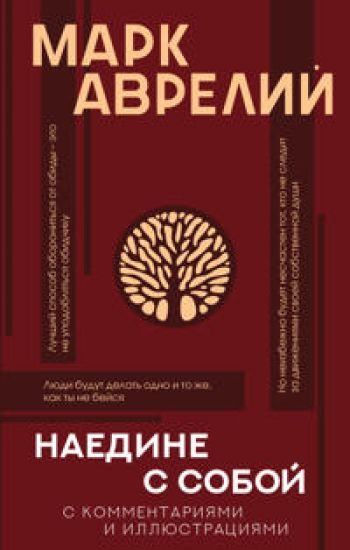
Naedine s soboj s kommentarijami i illjustratsijami
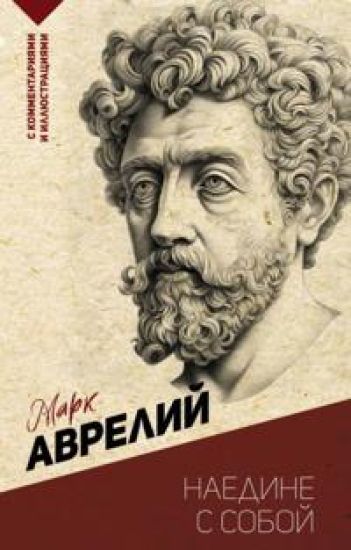
Sovremenniki nazyvali Marka Avrelija pravednikom na trone, ravnogo kotoromu esche ne bylo. Imperator byl preispolnen glubochajshej ljubvi k ljudjam, smirenija, dobroty i velikodushija. Nesmotrja na to chto emu prikhodilos byt vsegda na vidu, vesti gosudarstvennye dela, uchastvovat v voennykh pokhodakh, on chasto iskal uedinenija, nakhodja ego vnutri sebja. Tak rodilas kniga razmyshlenij "Naedine s soboj", kotoruju on pisal vsju zhizn. Eto istorija ego dushi: rassuzhdenija, otdelnye mysli, sovety potomkam. Popytka razobratsja v sebe, v suschnosti chelovecheskoj zhizni. Do sikh por temy dobra i zla, smysla bytija i neizbezhnosti smerti, povedenija ljudej i ikh otnoshenij, zatronutye v knige, ostajutsja aktualnymi, a interes chitatelja k etomu pamjatniku literatury Drevnego Rima - neizmennym.
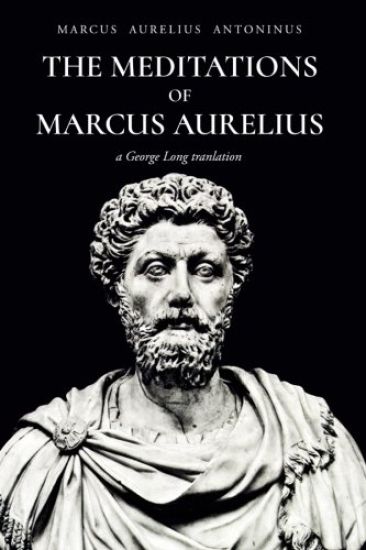
The Meditations of Marcus Aurelius Antoninus (Hardcover)
The philosophical thoughts of Emperor Marcus Aurelius are presented here in a superb reprint, brimming with the intellect and sincerity of the author. Known for his tolerance and benevolence, Marcus Aurelius was the only Emperor to tolerate satire of his own character. As a ruler he was renowned for sound judgment, respected for both his military successes and for his wise, measured governance. Such deeds were derived from his education; a lifelong admirer of the Greek philosophers, Aurelius developed his own, unique interpretation of Stoicism which is encapsulated in this text. Though Aurelius was the final of the `Five Good Emperors', the precepts of his Meditations would be consulted by rulers - Roman and otherwise - for millennia to follow. While Rome experienced decline and chaos, its historians and scholars remembered Marcus Aurelius as a pinnacle of competence.
The Meditations of Marcus Aurelius Antoninus

The Meditations of Marcus Aurelius Antoninus

Marcus Aurelius Antoninus

Lulu.com
2019
nidottu
The philosophical thoughts of Emperor Marcus Aurelius are presented here in a superb reprint, brimming with the intellect and sincerity of the author. Known for his tolerance and benevolence, Marcus Aurelius was the only Emperor to tolerate satire of his own character. As a ruler he was renowned for sound judgment, respected for both his military successes and for his wise, measured governance. Such deeds were derived from his education; a lifelong admirer of the Greek philosophers, Aurelius developed his own, unique interpretation of Stoicism which is encapsulated in this text. Though Aurelius was the final of the `Five Good Emperors', the precepts of his Meditations would be consulted by rulers - Roman and otherwise - for millennia to follow. While Rome experienced decline and chaos, its historians and scholars remembered Marcus Aurelius as a pinnacle of competence.
The Meditations: The Complete 12 Books

The Meditations: The Complete 12 Books

Marcus Aurelius Antoninus

Createspace Independent Publishing Platform
2018
nidottu
The Meditations of the Emperor Marcus Aurelius Antoninus: The Complete 12 Books. A New Rendering Based on the Foulis Translation of 1742 by George W. Chrystal. Meditations, literally "things to one's self", is a series of personal writings by Marcus Aurelius, Roman Emperor from 161 to 180 AD, recording his private notes to himself and ideas on Stoic philosophy. Marcus Aurelius wrote the 12 books of the Meditations in Koine Greek as a source for his own guidance and self-improvement. It is possible that large portions of the work were written at Sirmium, where he spent much time planning military campaigns from 170 to 180. Some of it was written while he was positioned at Aquincum on campaign in Pannonia, because internal notes tell us that the first book was written when he was campaigning against the Quadi on the river Granova and the second book was written at Carnuntum.
The Meditations of the Emperor Marcus Aurelius Antoninus: The Meditations

The Meditations of the Emperor Marcus Aurelius Antoninus: The Meditations

Marcus Aurelius Antoninus

Createspace Independent Publishing Platform
2017
nidottu
The MeditationsThe Meditations of the Emperor Marcus Aurelius AntoninusA New Rendering Based on the Foulis Translation Of 1742 by George W. ChrystalMeditations is a series of personal writings by Marcus Aurelius, Roman Emperor from 161 to 180 AD, recording his private notes to himself and ideas on Stoic philosophy. Marcus Aurelius wrote the 12 books of the Meditations in Koine Greek as a source for his own guidance and self-improvement. It is possible that large portions of the work were written at Sirmium, where he spent much time planning military campaigns from 170 to 180. Some of it was written while he was positioned at Aquincum on campaign in Pannonia, because internal notes tell us that the first book was written when he was campaigning against the Quadi on the river Granova (modern-day Hron) and the second book was written at Carnuntum. It is unlikely that Marcus Aurelius ever intended the writings to be published and the work has no official title, so "Meditations" is one of several titles commonly assigned to the collection. These writings take the form of quotations varying in length from one sentence to long paragraphs.